How To Pronounce Cajon Drum: Easy Guide For Beginners
Cajon is pronounced kah-HON (kuh-HON), with stress on the second syllable.
I’ve taught percussion and toured with acoustic bands for years, so I know how confusing foreign instrument names can feel. This guide explains exactly how to pronounce cajon drum, step by step, with clear phonetics, common regional variations, practical tips, and real classroom-tested advice. Read on to learn the correct sound, avoid common mistakes, and speak confidently about this beloved box drum.

Pronunciation basics: how to pronounce cajon drum
Cajon is a two-syllable word. The stress lands on the second syllable. Say the first syllable short: "ka" or "kuh." Say the second syllable longer and open: "HON" (like "hone" without the long o). Put them together: kah-HON or kuh-HON.
Two natural versions work in English. One follows the Spanish sound closely. The other is an anglicized approximation that most listeners will understand. Both respect the rhythm of the original word. This section gives you a simple way to practice and lock in the correct sound.

Phonetic breakdown and IPA for how to pronounce cajon drum
Here are technical but simple phonetic guides to help you nail it.
- Authentic Spanish pronunciation
- IPA: /kaˈxon/
- How to say: kah-HON, where the "j" is like a breathy, throaty "h" sound.
- Common English approximation
- IPA: /kəˈhɑn/ or /kəˈhɒn/
- How to say: kuh-HON, with a clear H and the stress on HON.
Practice tip: Say the syllables slowly, then speed up until they flow naturally. Use the IPA variant that matches your vocal habits.

Common mispronunciations and how to avoid them when saying how to pronounce cajon drum
People often make a few predictable mistakes. Recognizing them helps you correct your own speech quickly.
- Pronouncing the first syllable with stress
- Why it’s wrong: It changes the rhythm and sounds unnatural.
- Fix: Count two beats and emphasize the second.
- Saying "cajon" like "kay-john" or "cage-on"
- Why it’s wrong: It adds sounds that aren’t in Spanish.
- Fix: Remove the hard G sound; use an H-like sound instead.
- Over-anglicizing the vowel at the end
- Why it’s wrong: It loses the original tone.
- Fix: Keep the ending short and open, like "on" in "John" but lighter.
These corrections will make your pronunciation sound accurate and respectful.
Practical tips and exercises to master how to pronounce cajon drum
Short drills will help the sound stick. Try these simple steps daily.
- Drill 1: Syllable drills
- Say "ka" then "HON" slowly five times. Speed up until it flows.
- Drill 2: Stress practice
- Clap on the second syllable while speaking the word. Repeat ten times.
- Drill 3: Record and compare
- Record yourself and compare to native pronunciations. Adjust H and stress.
- Drill 4: Use it in a phrase
- Say "I play the cajon drum" three times with natural emphasis.
I used these drills teaching beginners. They work fast. Students correct their stress in minutes.

Etymology, cultural context, and why correct pronunciation matters for how to pronounce cajon drum
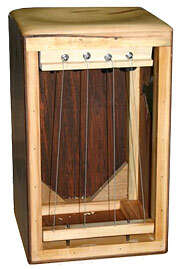
Cajon comes from Spanish and means "box." It originated in Peru and became central to Afro-Peruvian music. Saying the name well shows respect for that history. Musicians and audiences notice authenticity. Using the correct sound helps you connect with players and teachers.
A short cultural note: the "j" in Spanish carries a different sound than the English J. That is why "cajon" does not rhyme with "Neon." Keep that in mind when you introduce the instrument.

How to use the phrase in normal speech: examples of saying how to pronounce cajon drum
Here are simple, natural examples you can copy.
- "I play the cajon drum with brushes or hands."
- "The cajon drum adds a warm, rhythmic pulse to acoustic sets."
- "Can you show me how to pronounce cajon drum correctly?"
Use these lines in rehearsal. They feel natural and help others understand.
My experience and common classroom corrections about how to pronounce cajon drum
I learned the correct sound while studying percussion in Lima and teaching workshops in the U.S. Early on, students said "KAY-john" or "Cage-on." I corrected them gently, using clap drills and phrase repetition. Most improved in a single session.
Lesson learned: people respond best to short drills and friendly correction. Be patient with learners. A quick demonstration usually fixes the issue.
Related terms and variants that might appear when asking how to pronounce cajon drum
You may hear these related words or phrases. Knowing them helps you stay accurate.
- cajón
- The accented Spanish form, same pronunciation.
- cajon box
- English redundancy. Use "cajon" or "cajon drum."
- box drum
- A generic English term that describes the instrument.
Knowing these keeps your language precise during conversations.
PAA-style quick questions about how to pronounce cajon drum
- Is "cajon" pronounced like "cajon drum" with two syllables?
- Yes. Both "cajon" and "cajon drum" use two syllables with stress on the second.
- Should I say "cajón" with a throaty j?
- If you can, yes. The Spanish j is a breathy sound. An H-like approximation is fine.
- Does pronunciation vary by region when people ask how to pronounce cajon drum?
- Yes. Native Spanish speakers and English speakers will sound different but both are understandable.
- Is "cah-JON" correct?
- No. That adds a hard J sound not used in Spanish. Use an H-like sound instead.
- Will musicians correct my English pronunciation?
- Most musicians focus on feel, not accent. Correcting the stress and H sound shows respect and helps clarity.
Frequently Asked Questions of how to pronounce cajon drum
How do you correctly say cajon drum?
Say it as kah-HON or kuh-HON, with stress on the second syllable. The "j" sounds like a soft H.
Is cajon pronounced with a hard J like in "jump"?
No. The Spanish "j" is more like an H or throaty breath sound, not a hard J.
What is the IPA for cajon drum?
In Spanish: /kaˈxon/. In English approximation: /kəˈhɒn/ or /kəˈhɑn/. Both show stress on the second syllable.
Can I say "cajon drum" or is that redundant?
You can say it. "Cajon" already implies a drum, but "cajon drum" is common and clear to English speakers.
How can I teach someone how to pronounce cajon drum?
Use short drills: separate syllables, clap on the second syllable, and repeat phrases slowly. Record and compare to native examples.
Conclusion
You can pronounce cajon drum confidently by stressing the second syllable and using an H-like sound for the J. Practice with short drills, listen to native speakers, and use the phrase in natural sentences. Start today: say kah-HON five times, then use it in a sentence while you tap a beat. If you found this helpful, try sharing your recording or leave a comment with where you learned the word.

Senior Music Reviewer
Alex Carter is a seasoned music reviewer with over a decade of experience in the world of sound and instruments. Passionate about helping musicians and enthusiasts make informed choices, he brings sharp insights and in-depth knowledge to every review. From classical instruments to modern gear, Alex combines technical expertise with a love for music to deliver content that resonates with readers.
As a Senior Music Reviewer and expert author on Tuneluma.com, Alex is dedicated to sharing honest evaluations, practical advice, and thoughtful commentary to guide readers in their musical journey.