What Are The Keys On A Piano: Guide To Notes & Layout
The keys on a piano are the 88 levers you press to make its musical notes.
I’ve played, taught, and serviced pianos for years. I will clearly explain what are the keys on a piano, how they are named, how they work, and how to care for them. Read on to get practical tips, simple diagrams in words, and real-life advice you can use right away.
What are the keys on a piano: Anatomy and count
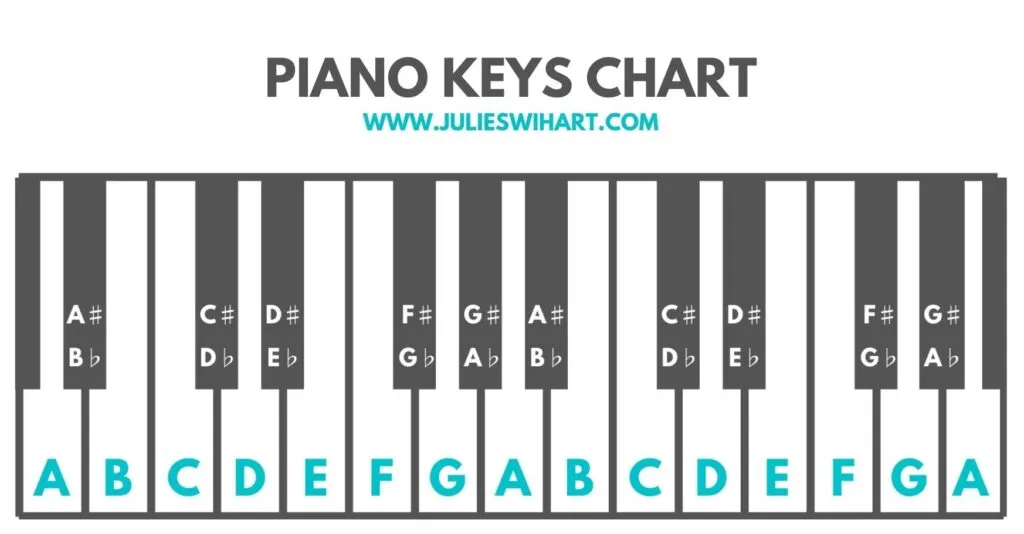
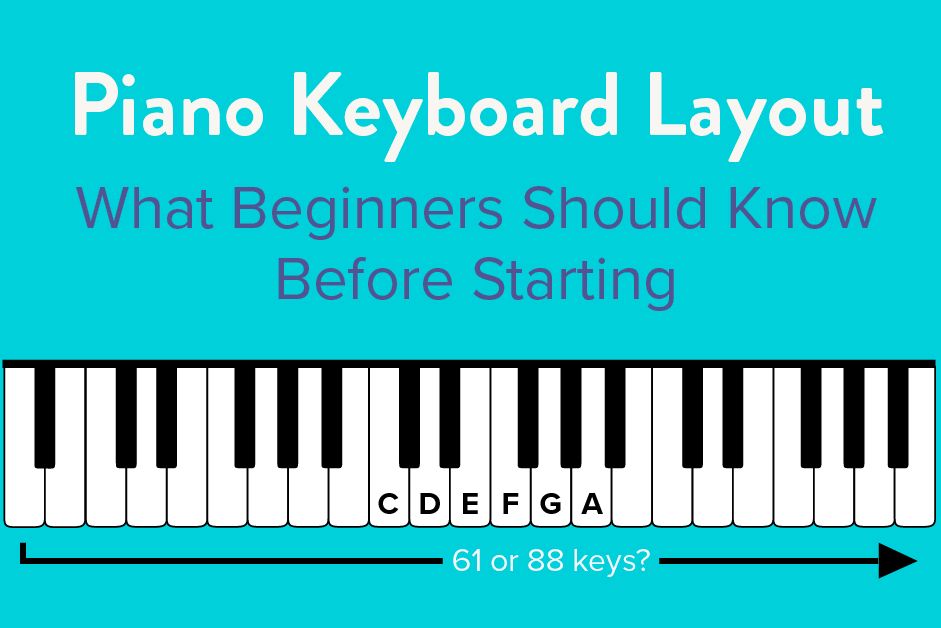
Most modern pianos have 88 keys. The keys run from low bass notes to high treble notes. White keys represent the natural notes. Black keys represent sharps and flats. This layout answers what are the keys on a piano in a simple way.
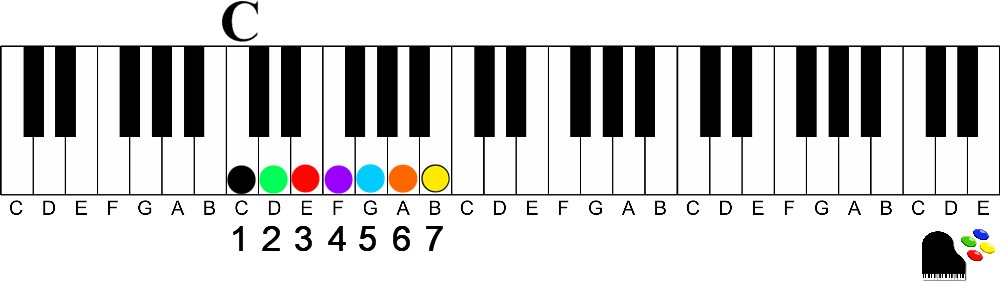
The keyboard repeats the seven note names A to G in octaves. Smaller keyboards may have 61 or 76 keys. Some concert or specialty pianos add extra low keys for deeper bass. Knowing the count helps you pick the right instrument for practice or performance.

How the keys are named and laid out
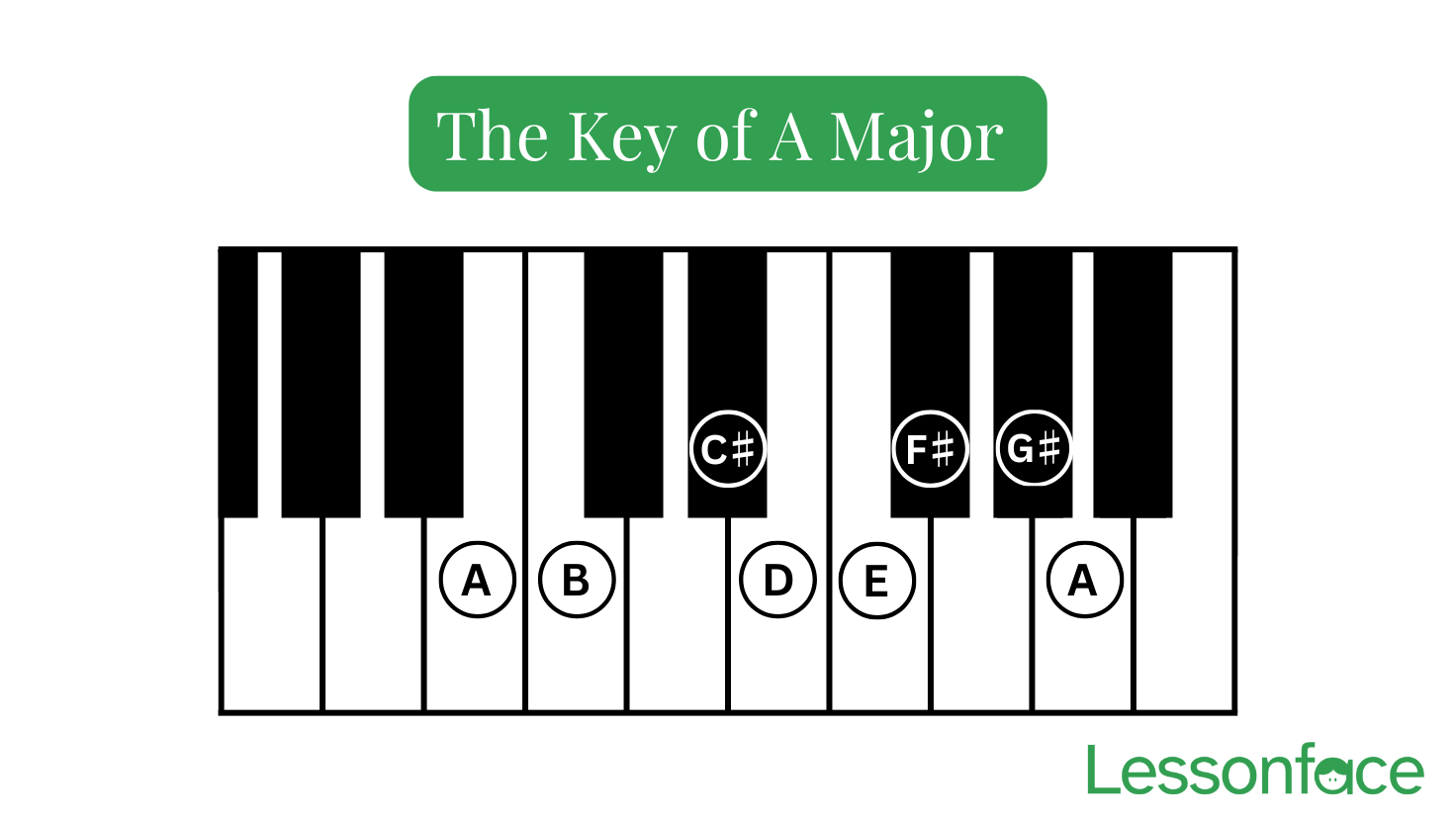
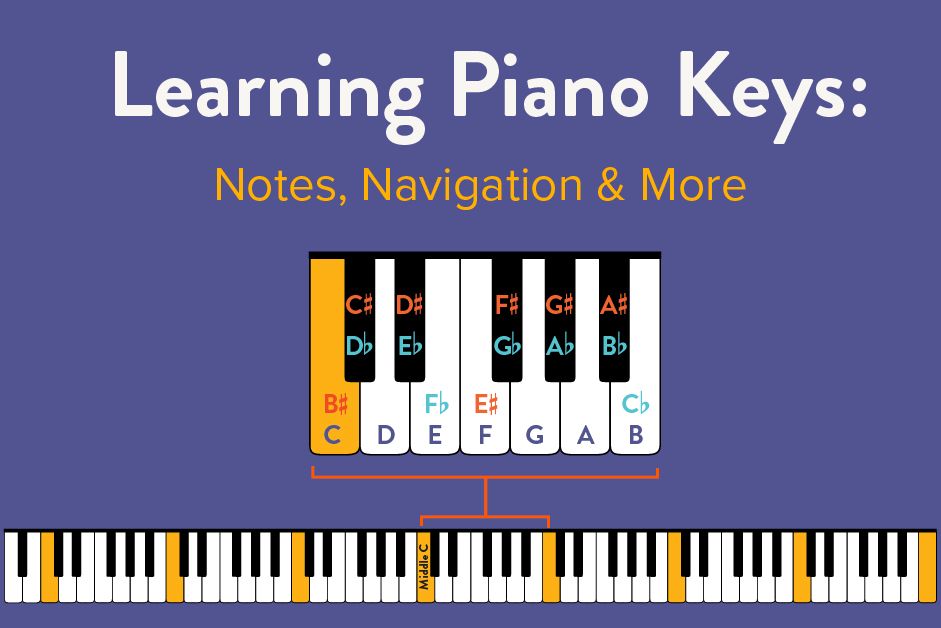
When people ask what are the keys on a piano, they often mean how notes are named. White keys are labeled A through G. Black keys form repeating groups of two and three. Those groups help you find notes fast.
Middle C sits near the keyboard center. Octave numbers label the same notes up and down the keyboard. Learning the pattern makes sight reading and ear training much easier.

How keys make sound (mechanics and physics)
The phrase what are the keys on a piano also covers how keys trigger sound. In an acoustic piano, pressing a key moves a lever. That lever lifts a hammer that strikes strings. When you release the key, a damper lightly touches the strings to stop the sound.
Digital pianos use sensors instead of hammers and strings. They read key speed and position and send a signal to speakers. Key feel and dynamics depend on action design and velocity sensing.
Types of keys and materials
People often wonder what are the keys on a piano made of. Older pianos used ivory and wood. Modern keys typically use plastic or composite tops with wood or synthetic cores. Some high-end instruments still use fine wood or special finishes for feel and durability.
Weighted keys imitate the resistance of an acoustic piano. Graded hammer action gives a heavier feel in the low end and lighter feel in the high end. Key surface texture and edge shape also change how your fingers respond.
Practical tips for players: learning, maintenance, and mistakes to avoid
If you are learning what are the keys on a piano, start by memorizing the groups of two and three black keys. Practice scales and simple patterns. Use proper finger numbers and keep a relaxed wrist to avoid injury.
For maintenance, clean keys with a soft damp cloth and avoid harsh chemicals. Check for sticky keys after moving a piano or during seasonal humidity swings. I once fixed sticky action by stabilizing humidity and having the action regulated by a technician—small care goes a long way.
 variations and special keys”
style=”max-width: 100%; height: auto; border: 2px solid black; border-radius: 10px; display: block; margin: 0 auto;”
loading=”lazy”
/>
Common variations and special keys
Not every keyboard answers what are the keys on a piano the same way. Some grand pianos extend the range with extra bass keys. Stage keyboards often have 61 or 76 keys and include transpose or split functions. Digital instruments may simulate extra tones without adding physical keys.
Specialty pianos and vintage models sometimes change key width, length, or balance to suit a maker’s voice. Always test the action and range before buying.
Frequently Asked Questions of what are the keys on a piano
How many keys are on a standard piano?
A standard modern piano has 88 keys. Some uprights and digital pianos have fewer, like 61 or 76 keys, while a few specialty instruments have more.
What are the white and black keys called?
White keys are the natural notes named A through G. Black keys represent sharps and flats and come in groups of two and three to help orient your hand.
Where is middle C on the keyboard?
Middle C is near the center of a standard 88-key piano. If you stand facing the piano, it is usually just left of center above the fallboard.
Can piano keys be repaired or replaced?
Yes. Individual keys can be repaired, refitted, or replaced by a technician. For worn tops or broken action parts, a professional repair is usually the best choice.
Why do piano keys stick or feel uneven?
Sticky keys often come from dirt, spilled liquids, or swelling due to humidity. Uneven feel can result from action wear or improper regulation and usually needs a service call.
Do all pianos have the same key feel?
No. Key feel varies by action type, materials, and maker. Graded hammer actions aim to mimic acoustic pianos, while synth and home keyboards may feel lighter.
Conclusion
Understanding what are the keys on a piano gives you a big advantage as a player, teacher, or buyer. Keys are simple in concept but rich in detail: count, layout, materials, and action all shape sound and feel. Take a few minutes each day to explore patterns, practice scales, and care for your keyboard.
Try a short habit: practice one scale for five minutes daily and wipe the keys after playing. If you want better playability, schedule a regulation or a humidity check. Share your piano stories in the comments, subscribe for more guides, or try a nearby instrument to feel these ideas for yourself.

Senior Music Reviewer
Alex Carter is a seasoned music reviewer with over a decade of experience in the world of sound and instruments. Passionate about helping musicians and enthusiasts make informed choices, he brings sharp insights and in-depth knowledge to every review. From classical instruments to modern gear, Alex combines technical expertise with a love for music to deliver content that resonates with readers.
As a Senior Music Reviewer and expert author on Tuneluma.com, Alex is dedicated to sharing honest evaluations, practical advice, and thoughtful commentary to guide readers in their musical journey.