How To Read Music For Drums: Simple Step-By-Step Guide
Learning how to read music for drums lets you play with other musicians and learn songs faster.
I’ve taught and played drums for years, and I’ll walk you through how to read music for drums clearly and practically. This guide covers notation, rhythms, dynamics, charts, practice steps, and mistakes to avoid. You’ll get real tips from experience and simple exercises you can use today. Read on to turn sheet music into confident drumming.
Why learn how to read music for drums?
Reading music for drums helps you learn songs quickly. It keeps you tight with bands and makes practice focused. Knowing how to read music for drums opens studio work and professional gigs. It also improves timing and musical memory. If you want to play with others or follow charts, learning how to read music for drums is essential.
Drum notation basics
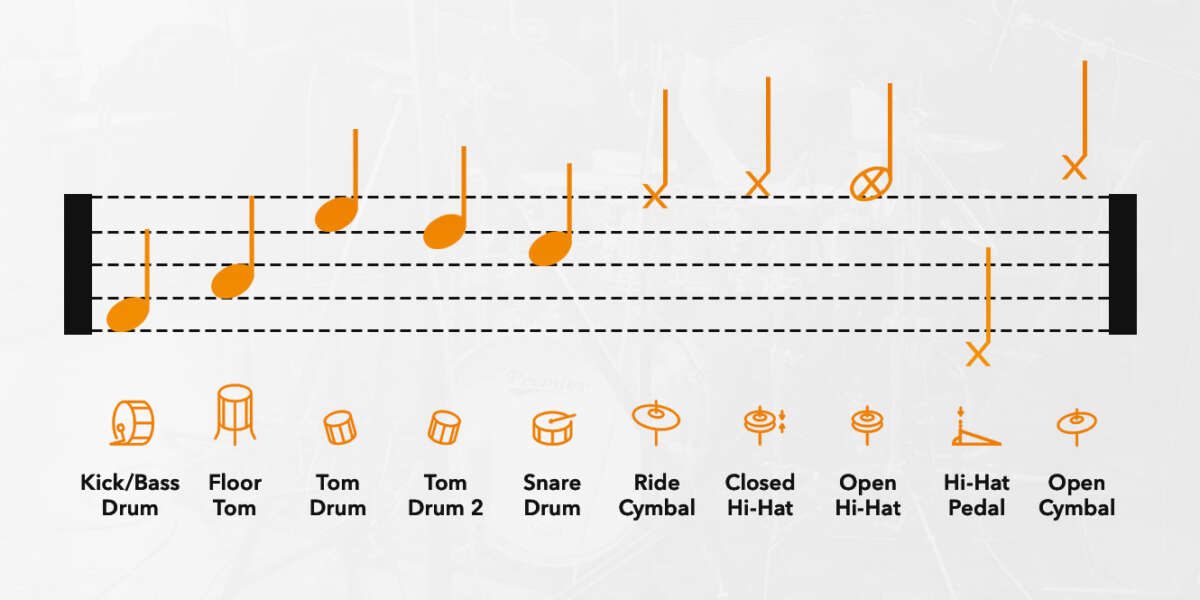
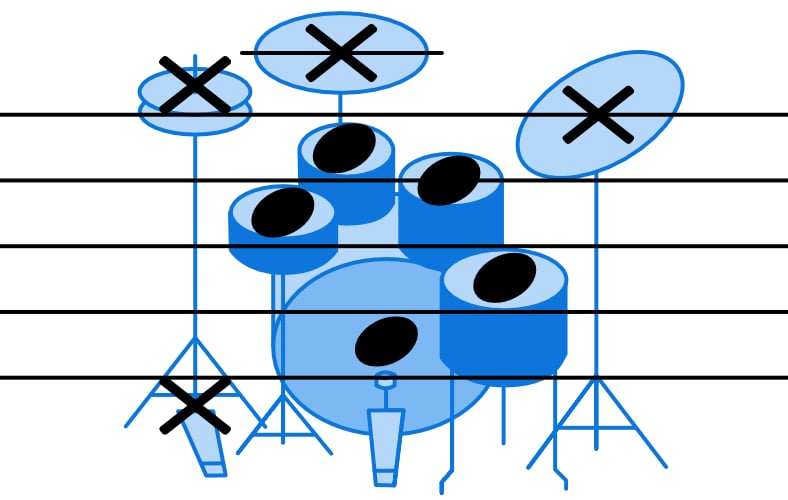
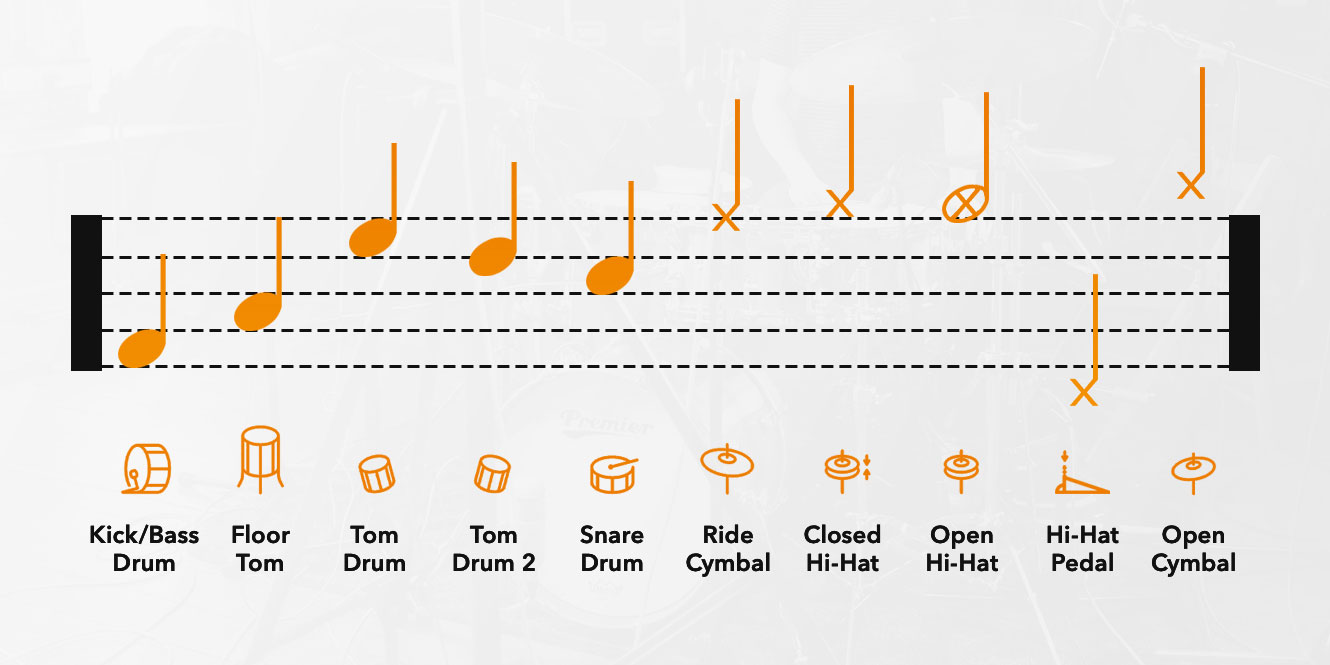
Drum music uses a staff like other instruments but with different rules. The drum staff is usually five lines. Each line or space maps to a drum or cymbal. There is no pitch like on a piano. Instead, position shows instrument and note shape shows duration.
Key elements to learn:
- Staff layout and instrument map for snare, bass drum, hi-hat, toms, and cymbals.
- Note values: whole, half, quarter, eighth, sixteenth notes, and corresponding rests.
- Stems and flags show rhythm speed. Beams join fast notes.
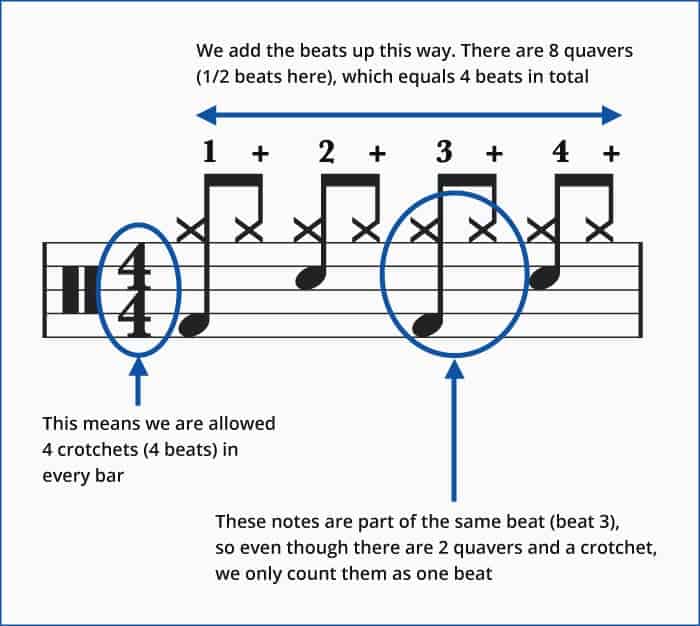
- Time signature tells beats per bar and which note gets the beat.
How to read music for drums starts by memorizing the staff map. Practice reading a simple snare and bass pattern while counting aloud. Once mapping feels natural, add cymbals and toms.

People also ask
What does a drum clef mean?
The drum clef is a percussion clef that shows the part is unpitched percussion. It tells you to read position as instrument, not pitch.
Can drum notation show sticking?
Yes. Drum charts often add R and L marks above notes for right and left hand sticking.
How do I know which line is snare?
A drum chart legend or standard mapping shows snare on a specific line or space. Learn the common layout used in your sheet music.
Reading rhythm and meter
Rhythm is the core of drumming. Start by counting beats out loud. Use a metronome and clap the rhythms first. Break complex patterns into small measures.
Steps to read rhythm:
- Read the time signature. 4/4 means four quarter-note beats per bar.
- Count subdivisions: quarter notes, eighths (two per beat), sixteenths (four per beat).
- Tap the bass drum on the downbeats and snare on the backbeats while counting.
- Use rests to shape phrasing and breathe.
Practice idea:
- Play a steady quarter-note pulse on the hi-hat.
- Add bass drum on beats 1 and 3.
- Add snare on beats 2 and 4.
- Switch to eighth-note hi-hat and keep counting.
Learning how to read music for drums depends on steady counting. Count out loud until your hands follow naturally.
Dynamics, articulation, and accents
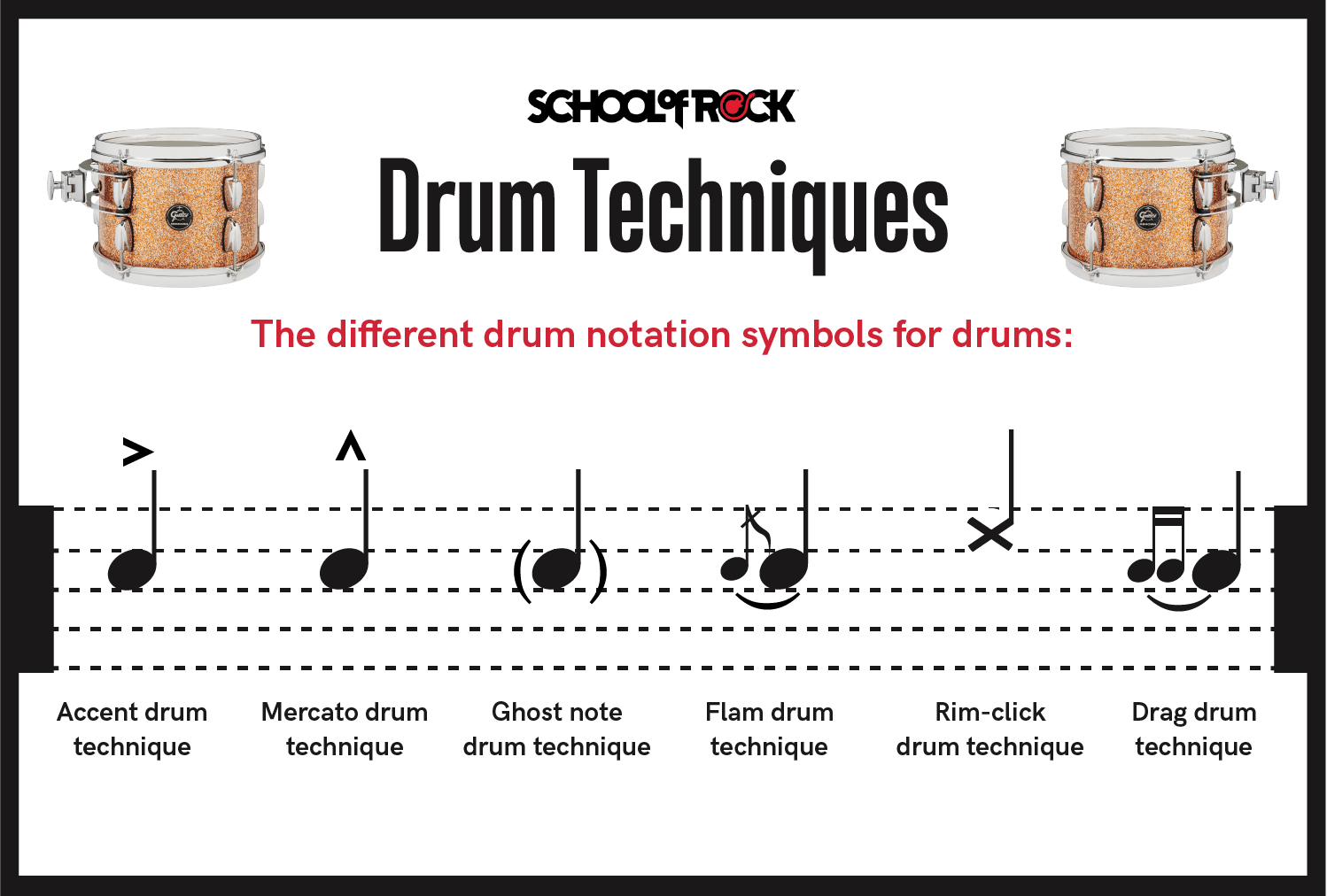
Notation shows volume and style. Dynamics use standard symbols like p for soft and f for loud. Accents are marked with > above a note. Ghost notes are small notes that are very quiet.
What to watch for:
- Accent marks to shape grooves.
- Ghost notes on snare for feel and groove.
- Crescendos and diminuendos in fills and transitions.
- Sticking marks that affect articulation.
Example: A basic funk groove uses soft 16th-note ghost snare hits with a loud backbeat on 2 and 4. Reading these marks lets you reproduce the groove.

Cymbals, toms, and orchestration
Different symbols show cymbals and toms. Hi-hat is usually an X-shaped notehead on the top of the staff. Ride cymbal and crash have their own placements. Toms are placed on lines or spaces that match their pitch from high tom to low floor tom.
Practice tip:
- Read a simple fill and play it slowly to hear tom tuning.
- Mark your chart with stickings and dynamics before playing.
Knowing how to read music for drums means translating these symbols to your kit instantly. Learn your kit layout and match it to the chart.

Drum charts, lead sheets, and concert scores
You’ll see several chart types. Each one serves a purpose.
Common chart types:
- Drum chart: Detailed part with hits and sticking.
- Lead sheet: Melody and chord symbols; drums add grooves.
- Concert score: Full orchestral or band score showing all parts.
How to approach them:
- Read drum charts directly and play as written.
- For lead sheets, create supportive grooves that follow changes.
- In ensemble scores, follow cues and dynamics carefully.
Knowing how to read music for drums makes these transitions easier. Start with drum charts, then learn to interpret lead sheets.

Practice plan: Learn to read music for drums
A steady plan makes the skill stick. Short, consistent sessions work best. Practice reading and playing every day.
7-day starter plan:
- Day 1: Learn staff map and instrument positions. Count aloud.
- Day 2: Read quarter and eighth-note grooves with a metronome.
- Day 3: Add rests and simple syncopation.
- Day 4: Practice basic fills using notation.
- Day 5: Work on dynamics and ghost notes.
- Day 6: Play through a simple drum chart with a backing track.
- Day 7: Record yourself and note areas to improve.
Long-term tips:
- Use a metronome and slow down tricky passages.
- Transcribe simple songs to see written versions.
- Mark sticking and dynamics on printed charts.
This practice plan helps you internalize how to read music for drums through repeated, focused work.
Common mistakes and tips from experience
I’ve made and taught through these common errors. Learning from them speeds progress.
Common mistakes:
- Trying to read and play too fast. Slow down first.
- Ignoring rests. Rests shape grooves as much as hits.
- Neglecting sticking. Proper sticking makes passages cleaner.
- Not counting. Lose the beat, lose the chart.
Practical tips:
- Mark charts with fingerings, accents, and counts.
- Use simple transcription projects. Write down a groove you hear.
- Practice reading with a play-along track or a metronome.
A real moment: I once tried to sight-read a complex groove at a gig and failed because I hadn’t marked sticking. Since then I always annotate charts. That small habit saved sets and made me a reliable player.
Frequently Asked Questions of how to read music for drums
What is the first step to learn how to read music for drums?
Start by learning the drum staff layout and which line or space matches each drum. Count beats aloud while playing simple patterns.
Can I read drum music without knowing music theory?
Yes, you can read basic drum notation and rhythms without deep theory. Understanding time signatures and subdivisions will help a lot.
How long does it take to read drum music fluently?
With regular practice, basic fluency can come in a few months. Advanced reading for complex charts may take a year or more.
Should I learn to read drum music before playing in a band?
It helps but is not strictly required. Reading music speeds learning and makes you more versatile in bands and studio settings.
Are sticking notations always written on drum charts?
Not always. Good charts include sticking, but you should add your own when needed to ensure clarity and consistency.
Conclusion
You can learn how to read music for drums with steady, focused practice and a simple plan. Start by learning the staff map, counting, and reading basic rhythms. Add dynamics, sticking, and chart-reading step by step. Use short daily practice sessions, mark your charts, and record yourself to track progress. Try the 7-day starter plan and pick one song to transcribe this week. Share your questions or a drum chart in the comments to get feedback and keep improving.

Senior Music Reviewer
Alex Carter is a seasoned music reviewer with over a decade of experience in the world of sound and instruments. Passionate about helping musicians and enthusiasts make informed choices, he brings sharp insights and in-depth knowledge to every review. From classical instruments to modern gear, Alex combines technical expertise with a love for music to deliver content that resonates with readers.
As a Senior Music Reviewer and expert author on Tuneluma.com, Alex is dedicated to sharing honest evaluations, practical advice, and thoughtful commentary to guide readers in their musical journey.