Where Are You Christmas Piano Sheet Music: Easy Guide
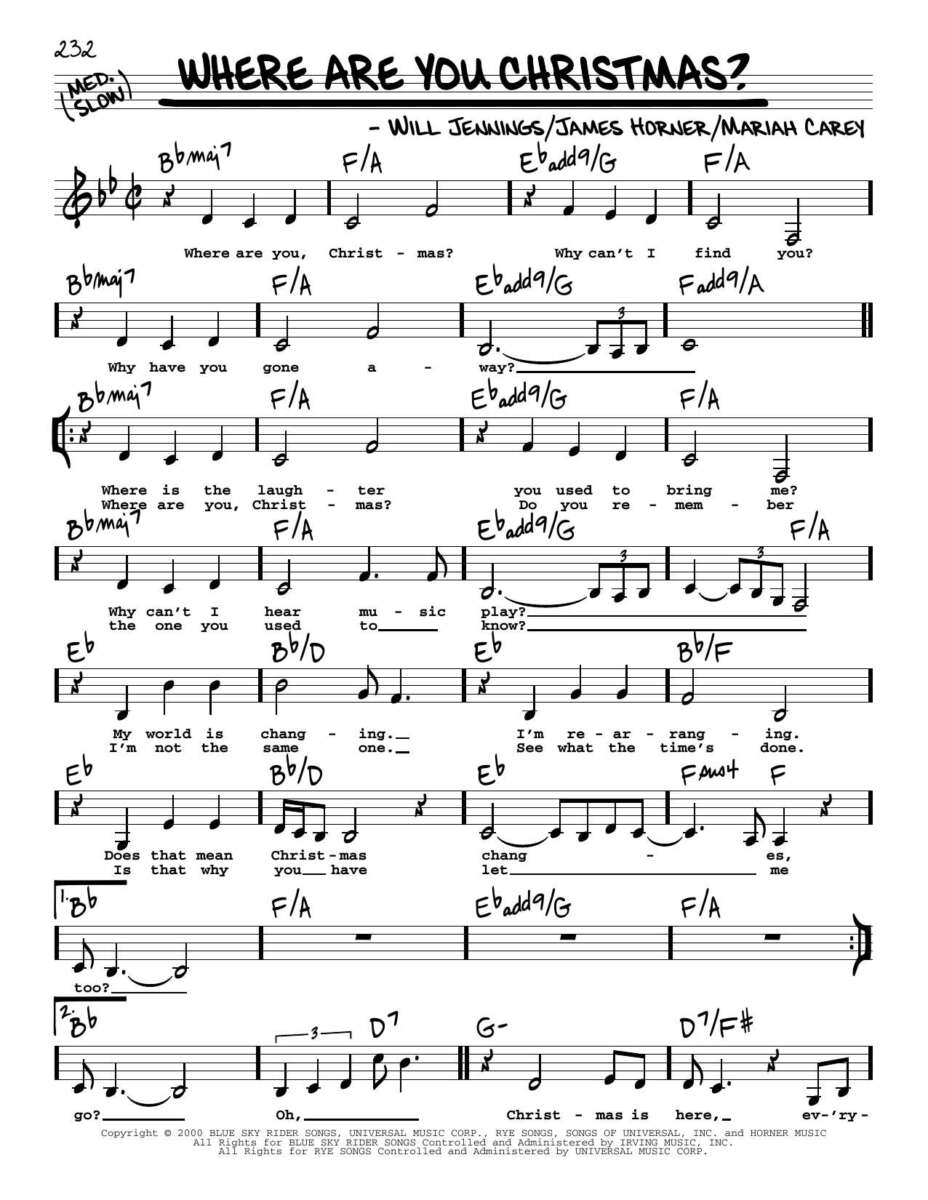
You can find Where Are You Christmas piano sheet music in licensed digital stores, music libraries, and print collections.
Where Are You Christmas is a moving holiday song from How the Grinch Stole Christmas, with music by James Horner and lyrics by Will Jennings. The best sheet music depends on your skill level, preferred key, arrangement style, and whether you need a legal digital download or a printed copy. This guide explains where to find Where Are You Christmas piano sheet music, how to choose the right version, and how to play it with feeling.
Where to Find Where Are You Christmas Piano Sheet Music
The easiest way to find Where Are You Christmas piano sheet music is through trusted sheet music retailers and music education platforms. These sites often offer previews, skill ratings, audio samples, and instant downloads.
Look for the song on:
• Licensed digital sheet music stores that sell PDF downloads
• Established print music retailers
• Public library music databases
• Piano learning websites with legal song arrangements
• Music stores that carry Christmas songbooks
• School, church, and community music libraries
When searching, use the full title and add terms such as “piano solo,” “easy piano,” “intermediate piano,” or “piano vocal.” This helps filter out guitar tabs, vocal-only arrangements, and unofficial copies.
The official title may appear as Where Are You Christmas?, with a question mark. Some websites remove the punctuation, so try both versions when searching for Where Are You Christmas piano sheet music.

Who Wrote Where Are You Christmas?
Where Are You Christmas was written for the 2000 film How the Grinch Stole Christmas. James Horner composed the music, while Will Jennings wrote the lyrics. The song was performed by Faith Hill for the movie soundtrack.
The melody begins in a gentle, reflective style. It then grows into a fuller emotional peak. This shape makes the song popular with piano players who want to practice soft playing, gradual crescendos, and expressive phrasing.


The song is not a traditional public-domain Christmas carol. It is a copyrighted modern song. That matters when you download, copy, share, or perform Where Are You Christmas piano sheet music.
A legal arrangement normally gives you permission to use the music for personal practice. Some licenses also cover public performances, classroom use, or multiple copies. Always read the usage terms before printing or sharing a file.

Choosing the Right Piano Arrangement
Not every version of Where Are You Christmas piano sheet music serves the same purpose. A beginner may need a simple melody with basic chords, while an advanced pianist may prefer a rich solo arrangement with moving inner parts.
Easy piano arrangement
An easy version usually includes:
• A simplified right-hand melody
• Basic left-hand chords
• Fewer accidentals
• A smaller range of notes
• Clear rhythm markings
This type of arrangement is useful for new players, children, adult beginners, and casual holiday performances. It may not sound exactly like the recording, but it lets you learn the song without feeling overwhelmed.
Intermediate piano arrangement
An intermediate arrangement often adds:
• Broken chords
• Wider hand movement
• More detailed accompaniment


• Pedal markings
• Larger dynamic changes
This is often the best choice for a school recital, church service, or family Christmas program. It keeps the melody clear while adding enough depth to sound polished.
Advanced piano solo
An advanced arrangement may include:
• Full chord voicings
• Octaves
• Countermelodies
• More complex transitions
• Extended introductions or endings
Advanced versions can sound beautiful, but they require strong control. If the arrangement feels too difficult, begin with the melody and chord structure before attempting the complete score.

What Key Is Where Are You Christmas In?
The key can vary from one arrangement to another. A piano solo may use a different key than the original vocal version to make the piece easier to play or better suited to a pianist’s hands.
Many arrangements change the key for one of three reasons:
• To reduce the number of sharps or flats
• To make the melody comfortable for a singer


• To create a smoother piano fingering pattern
Do not assume that a difficult key means the arrangement is more advanced. A skilled arranger may choose a key that sounds rich but remains easy to play.
If you plan to sing while playing, compare the sheet music key with your vocal range. Faith Hill’s recording has a strong vocal style, but you do not need to copy her exact key. Transposing the song can make it more comfortable and protect your voice.
Digital sheet music is especially useful here. Some licensed platforms let you change the key before printing. If you use this feature, check the score carefully for awkward page turns or unusual accidentals.

How to Read Where Are You Christmas Piano Sheet Music
Before playing the whole song, study the score in small sections. The melody is expressive, so accuracy matters, but a steady and relaxed approach works better than rushing.
Start with these steps:
-
Read the key signature and time signature.
-
Mark repeated sections with light pencil notes.
-
Practice the right-hand melody alone.
-
Play the left-hand chords without the melody.
-
Join both hands at a slow tempo.
-
Add dynamics and pedal after the notes feel secure.
The opening should usually feel gentle and thoughtful. Avoid pressing every note with the same force. Let the melody rise naturally, as if someone is remembering a special Christmas from years ago.
The main emotional peak needs more sound, but louder does not mean harsher. Use deeper arm weight and a wider tone instead of striking the keys. Then allow the music to soften again.


Pedaling can connect the harmony, but too much pedal can blur the song. Change the pedal when the chord changes, and listen for muddy bass notes. A clean, quiet pedal technique often makes a simple arrangement sound professional.

Tips for Practicing the Song
Where Are You Christmas piano sheet music is a good choice for learning musical expression. It has clear contrasts between soft verses and stronger sections, which makes it useful for developing control.
Try this practice plan:
• Practice for 10 to 15 minutes at a time
• Divide the piece into four- to eight-measure sections
• Use a metronome during note learning
• Slow down before difficult transitions
• Repeat weak sections instead of replaying the whole song
• Record yourself once each week
Listening to a recording of your practice can reveal problems that are hard to notice while playing. You may hear uneven rhythms, rushed endings, or a melody that disappears under the accompaniment.
One mistake I often see with emotional Christmas songs is playing too slowly. A slow tempo can sound beautiful, but it can also make the music lose its natural flow. Follow the tempo marking when one is provided, then adjust it slightly if your arrangement or performance space calls for it.
Another common mistake is beginning with the full pedal. Learn the notes first with little or no pedal. This builds finger control and helps you understand the harmony.
Where Are You Christmas Piano Sheet Music for Beginners
Beginners should choose an arrangement labeled easy piano, beginner piano, or simplified piano. Avoid versions described as piano solo concert arrangement unless you already have several years of experience.
A beginner-friendly score should have:
• Large, readable notation
• A clear melody line
• Simple chord patterns
• Limited hand stretches
• Few rapid jumps
• Helpful fingering suggestions
If the left hand feels hard, reduce it to the lowest note of each chord. Once that feels comfortable, add the other notes one at a time. This method keeps the musical structure intact while reducing the physical challenge.
You can also learn the melody without the accompaniment. Sing or hum the tune while playing the right hand. This improves phrasing and helps you remember the song away from the piano.
Where Are You Christmas piano sheet music can be a rewarding first holiday piece because the melody is familiar and the emotional shape is easy to hear. Choose a simple version, practice slowly, and focus on a warm tone.
Where Are You Christmas Piano Sheet Music for Church and School Performances
For a public performance, select music that fits the setting and the performer. A school recital may need a short, simple version, while a church service may benefit from a tasteful arrangement with an introduction.
Before performing, check:
• The total playing time
• The page turns
• The difficulty of the ending
• The volume needed for the room
• Whether a singer will join you
• Whether your music license allows the performance
If you are accompanying a vocalist, leave room for breathing. The piano should support the singer rather than compete with the voice. Keep the accompaniment lighter during verses, then build toward the larger sections.
For a Christmas service, avoid adding too much decoration unless the style fits the program. A clear melody and gentle chord movement often communicate the message better than a crowded arrangement.
For a recital, practice walking on stage, adjusting the bench, and starting after a quiet breath. These small details reduce stress. Many performances go wrong before the first note because the player begins while still tense.
Legal Ways to Get the Sheet Music
Copyright is one of the most important parts of finding Where Are You Christmas piano sheet music. Search engine results may show scanned pages or copied PDFs, but availability does not prove that a file is legal.
Safer choices include:
• Buying a licensed digital download
• Purchasing a printed songbook
• Borrowing a legal copy from a library
• Using a school or church copy with permission
• Downloading an arrangement from an authorized publisher
Do not upload a purchased PDF to a public group or send it to many people. A personal-use license often allows you to print one copy, but it may not allow unlimited distribution.
Public performance rules can also vary. In the United States, organizations often handle performance licensing through established licensing agencies. If you are unsure, ask the event organizer or music director to confirm the requirements.
Free sheet music can be legitimate when the publisher gives it away or when the work is in the public domain. However, Where Are You Christmas is a modern copyrighted song, so free unofficial copies deserve extra caution.
Common Problems When Buying Piano Sheet Music
Finding the song is only part of the process. The arrangement must also match your needs.
Watch for these problems:
• The score is for voice and piano, not solo piano
• The difficulty level is higher than advertised
• The download includes only a preview
• The key does not suit your singer
• The pages are hard to read
• The arrangement does not include fingering
• The license does not cover your intended use
Read the product details before paying. Look for sample pages and customer reviews, but remember that difficulty ratings are not perfectly standardized. One publisher’s intermediate piece may feel easier or harder than another publisher’s version.
If you need a quick answer, compare the first page. Check the left-hand pattern, the number of accidentals, the size of the intervals, and the amount of movement. The first page often gives a useful clue about the rest of the arrangement.
How to Make the Arrangement Sound Better
A simple score can sound excellent with thoughtful playing. You do not always need a harder version to create a strong performance.
Focus on:
• A singing right-hand melody
• Balanced chords
• Smooth phrase endings
• Gentle use of sustain pedal
• Clear tempo
• Controlled crescendos
Try bringing out the highest note in each phrase. This creates a natural vocal quality. Think of the melody as a person speaking softly, not as a row of equal notes.
You can also add a short introduction if the arrangement allows it. Use the opening chord progression, a quiet arpeggio, or the first few melody notes. Keep the introduction short so the audience recognizes the song quickly.
Avoid changing too much of the published arrangement. Small expressive choices are often helpful, but large changes may create awkward harmony or make it difficult for a singer to follow.
Where Are You Christmas Piano Sheet Music and Digital Tools
Digital tools can make practice easier, but they should support musical judgment rather than replace it. A tablet can display Where Are You Christmas piano sheet music, while annotation apps can mark fingering, dynamics, and page turns.
Useful tools include:
• A metronome app
• A digital piano with headphones
• A recording app
• A page-turn pedal
• A tuner for vocal practice
• A slow-down player for listening
If you use a tablet, keep the screen bright enough to read but not so bright that it distracts you. Turn off notifications before practicing or performing.
Some digital platforms offer transposition and playback. These features help you hear the arrangement, but computer playback cannot always show musical expression accurately. Use your ears and the written dynamics as your main guides.
Printed music remains a strong option for players who prefer pencil notes and a stable page. The best format is the one that helps you practice consistently.
A Simple Four-Week Practice Plan
A short plan can turn Where Are You Christmas piano sheet music into a finished performance.
Week one: Learn the map
Read the entire piece. Mark repeated sections, difficult measures, and page turns. Practice each hand separately at a slow pace.
Week two: Join the hands
Play short sections with both hands. Keep the tempo steady. Do not add full pedal until you can play the notes without stopping.
Week three: Shape the music
Add dynamics, phrasing, and careful pedal changes. Record yourself and note two things to improve.
Week four: Perform
Play the piece from beginning to end several times. Practice starting calmly, recovering from small mistakes, and ending without rushing.
This plan works because it separates note learning from musical polish. Trying to master both at once can make practice feel harder than it needs to be.
Frequently Asked Questions About Where Are You Christmas Piano Sheet Music
Where can I download Where Are You Christmas piano sheet music?
You can download it from licensed digital sheet music retailers and authorized music publishers. Search for the exact title, then confirm that the product is a piano solo, easy piano, or piano-vocal arrangement before buying.
Is Where Are You Christmas piano sheet music free?
Some legal sites may offer limited previews or authorized free arrangements, but many complete versions require payment. Because the song is copyrighted, avoid unofficial scanned PDFs and files with unclear ownership.
What piano level is needed to play Where Are You Christmas?
The song is available in beginner, easy, intermediate, and advanced arrangements. Beginners should choose a simplified version with basic chords, while experienced players can select a fuller solo arrangement.
What key is the song usually played in?
The key can differ between editions and arrangements. Check the product preview or score details, especially if you plan to sing while playing.
Can I use the sheet music for a Christmas recital?
You can usually use a legally purchased arrangement for personal practice and certain performances, but licensing terms may vary. Ask the recital organizer or music director to confirm public performance requirements.
Does the piano sheet music include the lyrics?
Piano-vocal editions often include lyrics, while piano solo editions may not. Check the description before purchasing if you plan to sing or accompany another vocalist.
How can I make the song sound more emotional?
Keep the melody clear, use gentle dynamics, and avoid rushing through the soft sections. Careful phrasing and light pedal usually create more feeling than playing every section loudly.
Conclusion
The best Where Are You Christmas piano sheet music is the version that matches your playing level, performance goal, key preference, and budget. Choose a legal arrangement from a trusted source, study the score in small sections, and give special care to melody, dynamics, and pedal control.
Whether you are a beginner preparing a family performance or an experienced pianist arranging a holiday program, this song rewards patience and musical feeling. Find a suitable edition, set a simple practice plan, and let the melody tell its story. Explore licensed sheet music options today, and share your favorite arrangement or performance experience with other piano players.

Senior Music Reviewer
Alex Carter is a seasoned music reviewer with over a decade of experience in the world of sound and instruments. Passionate about helping musicians and enthusiasts make informed choices, he brings sharp insights and in-depth knowledge to every review. From classical instruments to modern gear, Alex combines technical expertise with a love for music to deliver content that resonates with readers.
As a Senior Music Reviewer and expert author on Tuneluma.com, Alex is dedicated to sharing honest evaluations, practical advice, and thoughtful commentary to guide readers in their musical journey.