What Is A Drum Trap: Complete Plumbing Guide
A drum trap is an old plumbing device that holds water to block sewer gases from entering a home.
If you live in an older house, you may find one beneath a bathtub, shower, or laundry fixture. Understanding what is a drum trap helps you spot drainage problems, plan safe repairs, and decide when replacement makes more sense than cleaning. This guide explains its design, purpose, common faults, maintenance, and modern alternatives in clear terms.
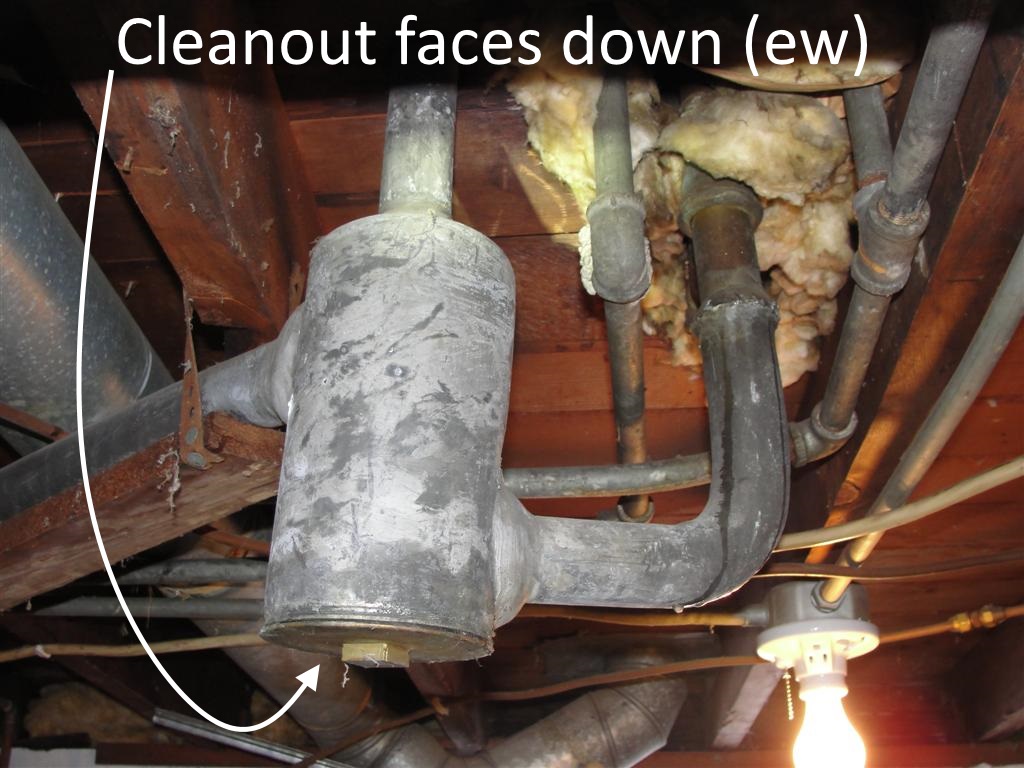
What Is a Drum Trap?
A drum trap is a round, barrel-shaped plumbing trap that holds a small amount of water. This water forms a seal between the drain line and the sewer system. The seal blocks sewer gas, odors, and some pests from moving back into the home.
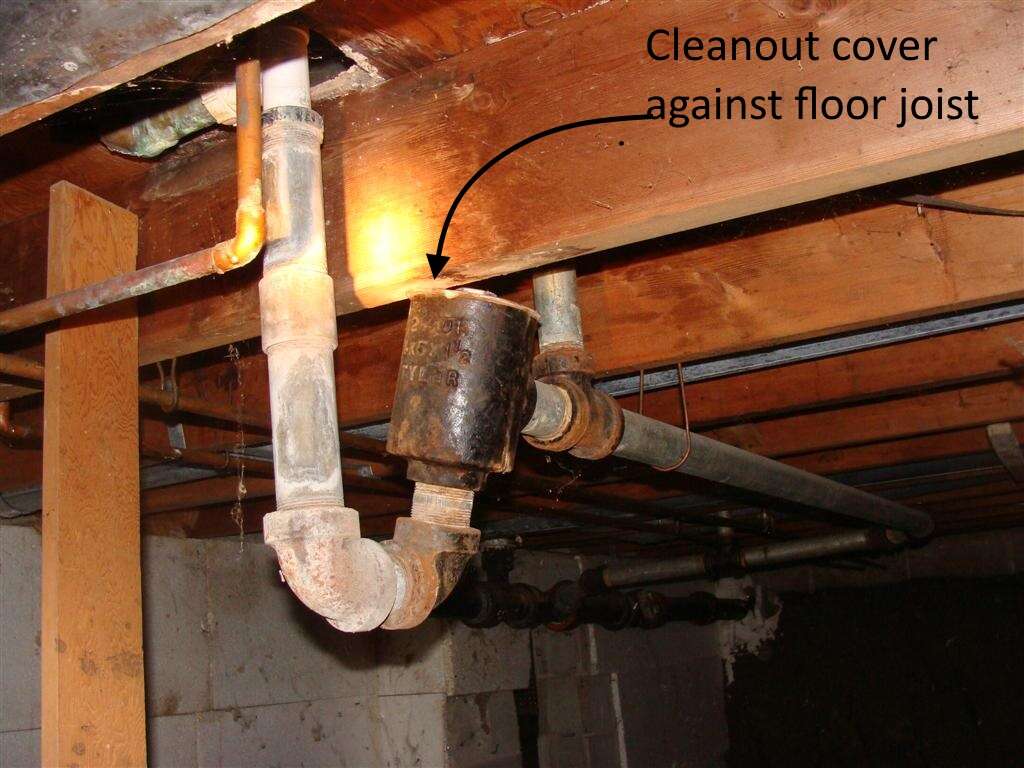
The trap gets its name from its shape. Unlike a modern P-trap, which looks like the letter “P,” a drum trap looks more like a small metal can or drum. Many older models are made from cast iron, galvanized steel, or brass.
A drum trap usually has:
• An inlet where wastewater enters
• An outlet that carries water to the drain line
• A cylindrical chamber that holds water
• A removable cover or cleanout plug
• A water seal that blocks sewer gases
The basic answer to what is a drum trap is simple: it is a water-filled barrier in a drain system. Its design, however, can make inspection and cleaning harder than with newer traps.

How Does a Drum Trap Work?
A drum trap works through gravity and water retention. When you use a bathtub or fixture, wastewater flows into the drum-shaped chamber. The water level rises, and the extra water leaves through the outlet toward the sewer line.
After the fixture stops draining, some water remains inside the trap. This retained water is called the trap seal. It acts like a closed door that sewer gases cannot easily pass through.
The process is straightforward:
-
Wastewater flows from the fixture into the trap.
-
Solid material and heavy debris may settle in the chamber.
-
Water leaves through the outlet and continues into the drain.
-
A small amount of water stays behind.
-
The trapped water blocks odors and gases from returning.
This explains what is a drum trap in practical terms. It is not meant to filter water like a strainer. Its main job is to create a water seal and provide a place where some debris can settle.
Older drum traps may have a cover on top or at the side. A plumber can sometimes remove this cover to inspect or clean the trap. In practice, rusted covers, damaged threads, and years of buildup can make access difficult.
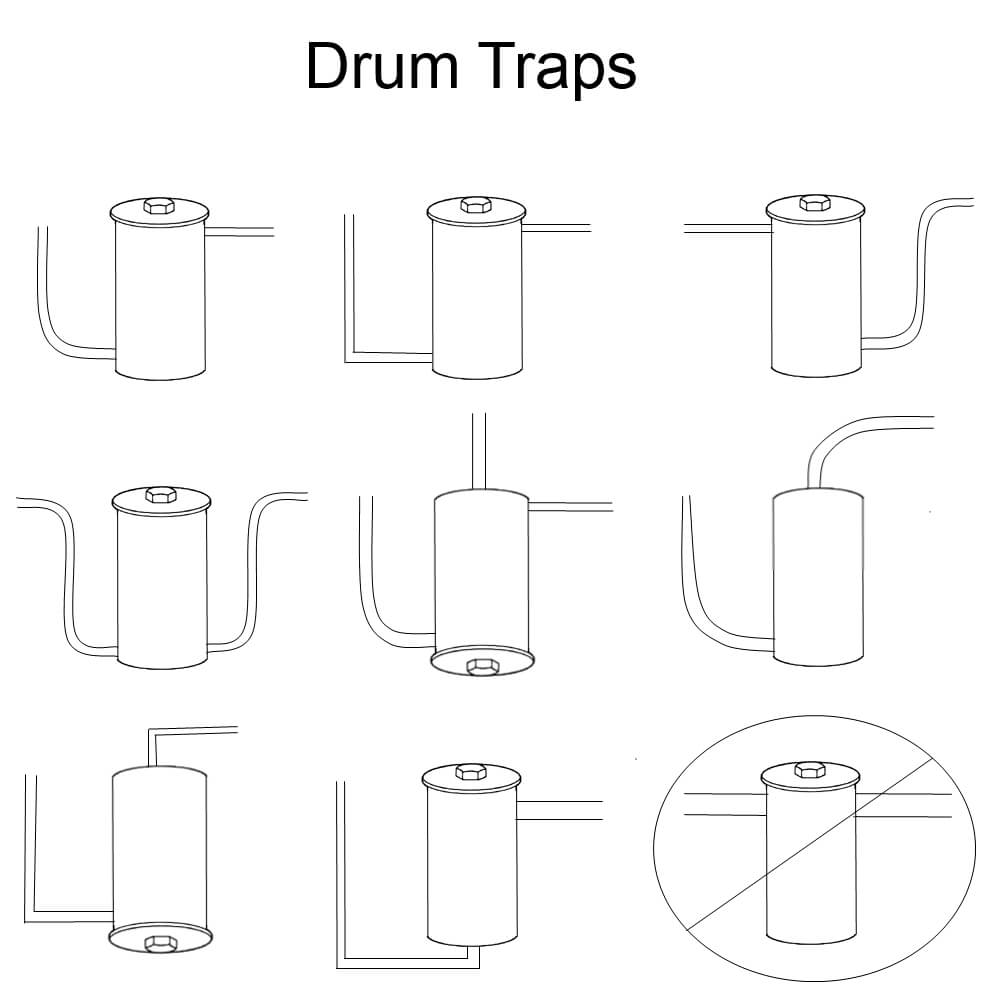
Where Are Drum Traps Commonly Found?
Drum traps are most common in homes built several decades ago. They were often installed under bathtubs because the wide chamber could catch hair, soap, and other debris.
You may also find one connected to:
• Older shower drains
• Laundry sinks
• Basement floor drains
• Utility sinks
• Some older kitchen fixtures
Bathtub drum traps are especially common in homes with cast iron drain systems. They may be hidden below the floor, behind an access panel, or inside a basement ceiling.
If your home has a slow tub drain and was built before modern plumbing practices became standard, the trap may be worth checking. Still, do not assume every slow drain has a drum trap. A clog can also exist in the fixture drain, branch line, vent, or main sewer line.
Knowing what is a drum trap can help you read old plumbing layouts. It can also prevent a common mistake: opening a random fitting without knowing whether it contains standing wastewater.
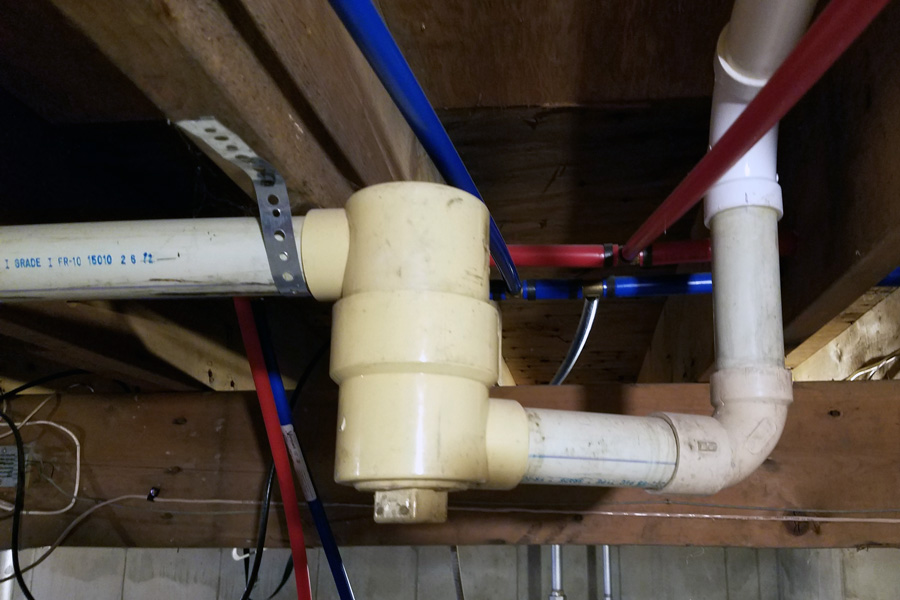
Why Were Drum Traps Used?
Drum traps were popular because they offered a large water-holding chamber. Plumbers believed the chamber could catch debris before it entered the main drain.
Their wide shape also made them useful beneath tubs. A bathtub can release hair, lint, soap, and body oils. The drum gave these materials a place to collect.
The design had some practical benefits:
• It created a strong water seal when properly installed.
• It offered a large chamber for debris.
• It could be opened for cleaning.
• It fit well in some older floor layouts.
• It worked with the gravity-based plumbing systems of its time.
However, a design that looks useful on paper may be difficult in real life. Once a drum trap becomes coated with sludge or corrosion, cleaning it can be unpleasant and unreliable. This is one reason modern plumbing systems favor simpler, self-scouring P-traps.

Drum Trap vs. P-Trap
The main difference between a drum trap and a P-trap is shape and serviceability. A P-trap has a curved section that holds water. A drum trap uses a larger cylindrical chamber.
| Feature | Drum trap | P-trap |
|---|---|---|
| Shape | Cylindrical or barrel-like | P-shaped bend |
| Common material in older homes | Cast iron, steel, or brass | PVC, ABS, copper, or newer metal |
| Cleaning | Often difficult | Usually easier |
| Debris buildup | More likely to collect inside | Often flushed through |
| Use in new plumbing | Limited or restricted in many areas | Standard choice |
| Access | May have a threaded cover | Often has a removable slip joint or cleanout |
A P-trap usually has a smoother flow path. Its bend holds water but does not provide a large chamber where waste can sit for long periods. That can reduce stagnant buildup.
When people ask what is a drum trap compared with a P-trap, the key point is this: both can block sewer gases, but a P-trap is generally easier to inspect, clean, and replace.
Local plumbing codes control what may be installed during new construction or remodeling. Many current codes require approved trap designs and restrict older drum traps. Rules vary by state, city, and plumbing code edition, so check with the local authority or a licensed plumber before changing one.
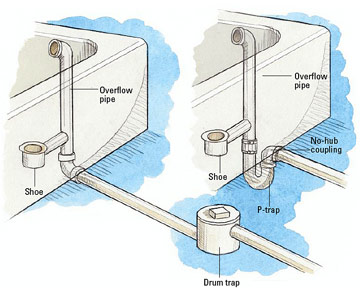
Common Problems With Drum Traps
Drum traps can work for many years, but age creates several problems. The most common issue is buildup inside the chamber.
Hair, soap, grease, rust flakes, and mineral deposits can collect in the trap. This reduces the opening and slows drainage. In severe cases, water may rise in the tub or shower.
Other common problems include:
• A broken or missing cleanout cover
• Corrosion around the drum
• A damaged or weak trap seal
• Leaks at threaded joints
• Sewer odors from a dry or damaged trap
• Cracks caused by freezing
• Buildup that resists plunging