What Is The Lowest Note On A Piano: Lowest Key Explained
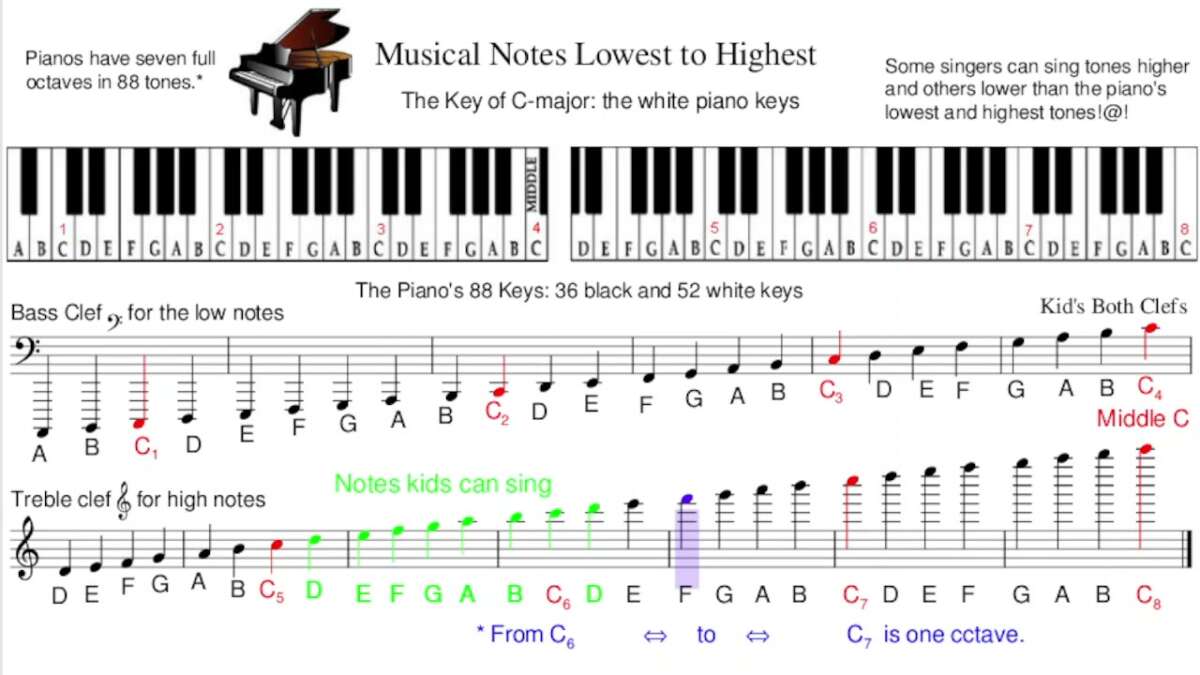
The lowest note on a standard 88-key piano is A0, which vibrates at about 27.5 hertz.
If you have ever wondered what is the lowest note on a piano, the answer depends on the piano’s size and design. Most modern pianos use 88 keys, but some smaller and larger models cover different ranges. Understanding the lowest piano note helps you read piano charts, compare instruments, tune correctly, and hear how pitch works at the edge of human hearing.
What Is the Lowest Note on a Piano?
The lowest note on a standard 88-key piano is A0. It is the first and lowest key on the keyboard, found at the far left.
A0 has a fundamental frequency of about 27.5 Hz. That means its main vibration repeats about 27.5 times each second. The note sounds deep, dark, and powerful, although much of what you hear comes from its upper harmonics.
On a standard piano, the highest note is C8. The full range runs from A0 to C8, covering seven octaves plus a minor third. This wide range is one reason the piano can support bass lines, chords, melodies, and complex arrangements at the same time.
The lowest note on a piano is not simply a quiet version of a higher note. Its long string moves a large amount of air. This creates a physical sensation that you may feel in a room, especially when the piano is played with force.

Where Is A0 on the Piano?
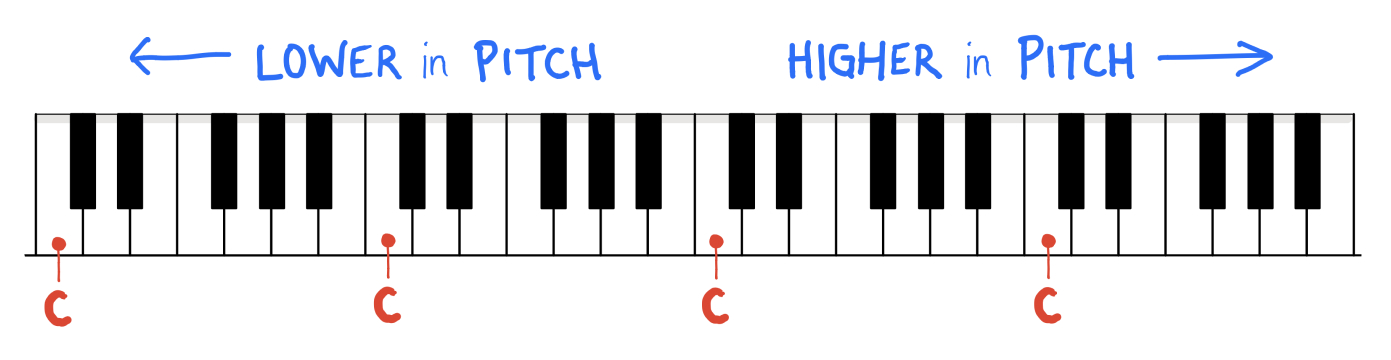
A0 is easy to find because it is the far-left key on an 88-key piano. It is a white key, and it sits just before the first group of two black keys.
Use these steps to locate it:
- Stand or sit in front of the keyboard.
- Look at the far-left end.
- Find the first white key.
- Press it gently to hear A0.
- Move up to the next white key to play B0.
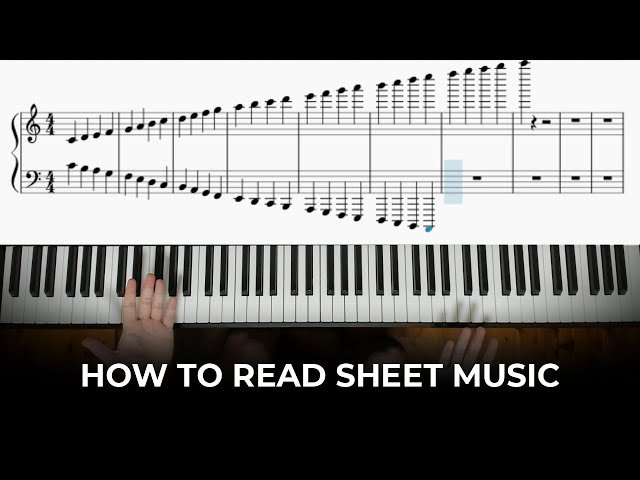
The first octave on a full piano is unusual. It contains A0, A-sharp 0, B0, and then C1 through B1. The normal pattern of white and black keys becomes easier to recognize after this opening section.
The lowest note on a piano is often labeled A0 in scientific pitch notation. In some music software, it may appear as MIDI note 21. These labels describe the same pitch in different systems.

How Low Is A0?
A0 has a frequency of approximately 27.5 Hz in equal temperament. Frequency measures how many times a sound wave vibrates per second.
For comparison:
• A1 vibrates at about 55 Hz.
• A2 vibrates at about 110 Hz.
• Middle C, or C4, vibrates at about 261.6 Hz.
• C8, the highest note on a standard piano, vibrates at about 4,186 Hz.
Each octave doubles the frequency. This is why A1 is twice as high in frequency as A0, while A2 is four times as high.
The lowest note on a piano sits near the lower edge of normal human hearing. Healthy young listeners may hear sounds down to about 20 Hz, but hearing sensitivity varies with age, volume, room noise, and equipment. As a result, some people notice A0 as a clear musical pitch, while others mainly feel its vibration or hear its overtones.
A piano does not produce only one frequency when you press a key. The string creates a fundamental tone and many higher partials. These partials give the piano its tone color and help your ear identify the note.

Why Does the Lowest Piano Note Sound Different?
Low piano notes use long, thick strings. These strings are under high tension and need a large soundboard area to produce a strong tone.
On a grand piano, the bass strings are often wound with copper wire. The winding adds mass without making the string too thick. This design lets the string vibrate at a low pitch while still fitting inside the piano case.
The lowest note on a piano can sound less precise than a middle-range note. This is not usually a tuning problem. It happens because low tones have wide sound waves and fewer cycles per second. The ear needs more time to identify the pitch.
Several factors affect the sound:
• String length and thickness
• String tension
• Soundboard size
• Hammer shape and felt hardness
• Piano size and design
• Room acoustics
• Playing force
A large concert grand usually gives A0 more depth and power than a small upright piano. Still, both instruments can produce the same written pitch when they include the full 88-key range.

Do All Pianos Have A0?
No. Not every piano has A0.
Most modern acoustic grand and upright pianos have 88 keys, with A0 as the lowest note. However, many smaller keyboards and digital pianos use fewer keys.
Common ranges include:
• 61-key keyboards often begin at C2.
• 76-key keyboards may begin at E1.
• 88-key digital pianos usually begin at A0.
• Extended concert grands may go below A0.
This means the lowest note on a piano depends on the instrument’s key count and range. A 61-key keyboard cannot play A0 unless it uses an octave-shift or transpose feature.
Some digital pianos can shift their entire keyboard down by one or more octaves. This does not add new physical keys. It changes the pitch assigned to each key.
Before buying sheet music or a keyboard, check the instrument’s published range. This simple step can prevent problems when a song uses very low bass notes.

What Piano Has the Lowest Note?
The Bösendorfer Imperial Concert Grand is famous for extending below the normal 88-key range. It has 97 keys and reaches down to C0.
C0 has a frequency of about 16.35 Hz. This is much lower than A0, which is about 27.5 Hz. C0 is close to the lower limit of human hearing and may feel more like a deep vibration than a sharply defined pitch.
The extra keys on this piano are often placed below the standard keyboard range. They may be colored differently to help the player avoid pressing them by accident.
Other extended-range pianos have also been made. Their exact lowest note varies by model. Therefore, A0 is the correct answer for a standard 88-key piano, but it is not the lowest possible piano note ever designed.
The lowest note on a piano with an extended keyboard may be C0, B0, or another low pitch. Always check the manufacturer’s specifications when discussing a specific instrument.
The Lowest Note on Different Piano Types
Piano type affects both the lowest note and the way that note sounds.
Upright pianos
Most full-size upright pianos have 88 keys. Their lowest note is usually A0. Because the strings and soundboard are arranged vertically, the bass may sound slightly different from the bass of a grand piano.
Grand pianos
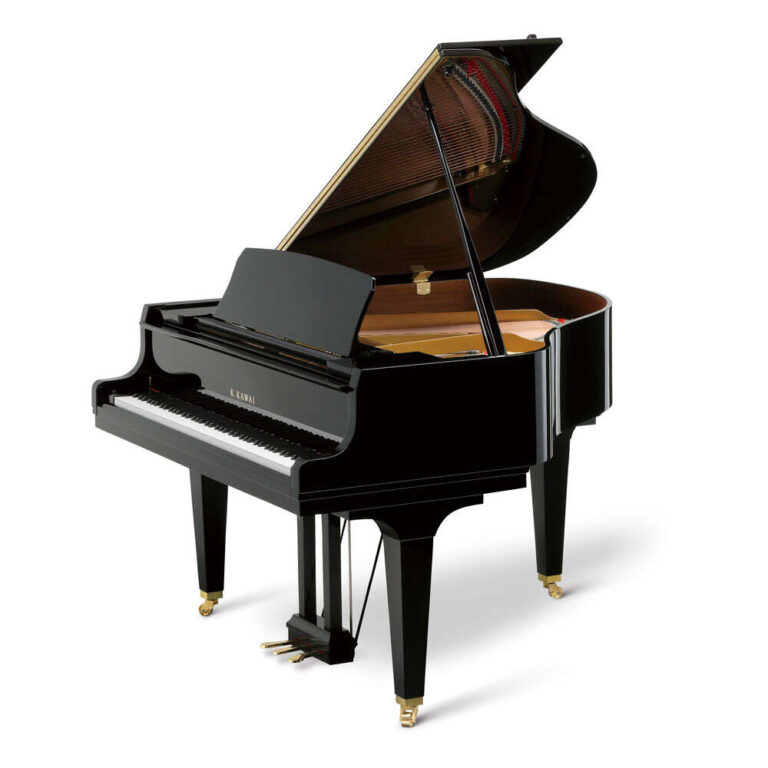
Most grand pianos also begin at A0. Their longer cases allow more room for bass strings, which can create a richer and more powerful low register.
Digital pianos
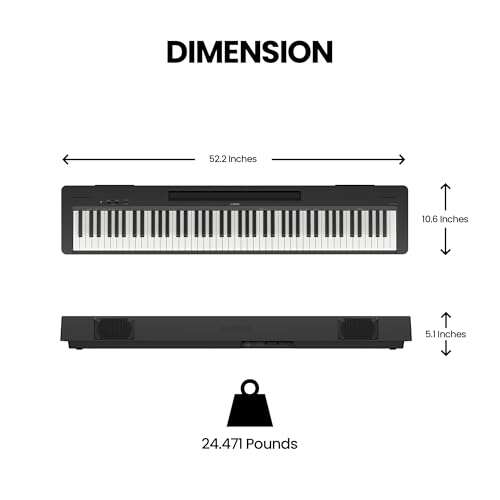
Many digital pianos copy the standard 88-key range. Their lowest note is usually A0, but the speaker system strongly affects how deep that note sounds.
Stage keyboards
Stage keyboards may have 61, 73, 76, or 88 keys. A smaller model may not include A0, though octave controls can move its range downward.
Extended-range concert pianos
Some special concert instruments include extra bass keys. These pianos can reach below A0 and are used for selected works, new music, and expanded arrangements.