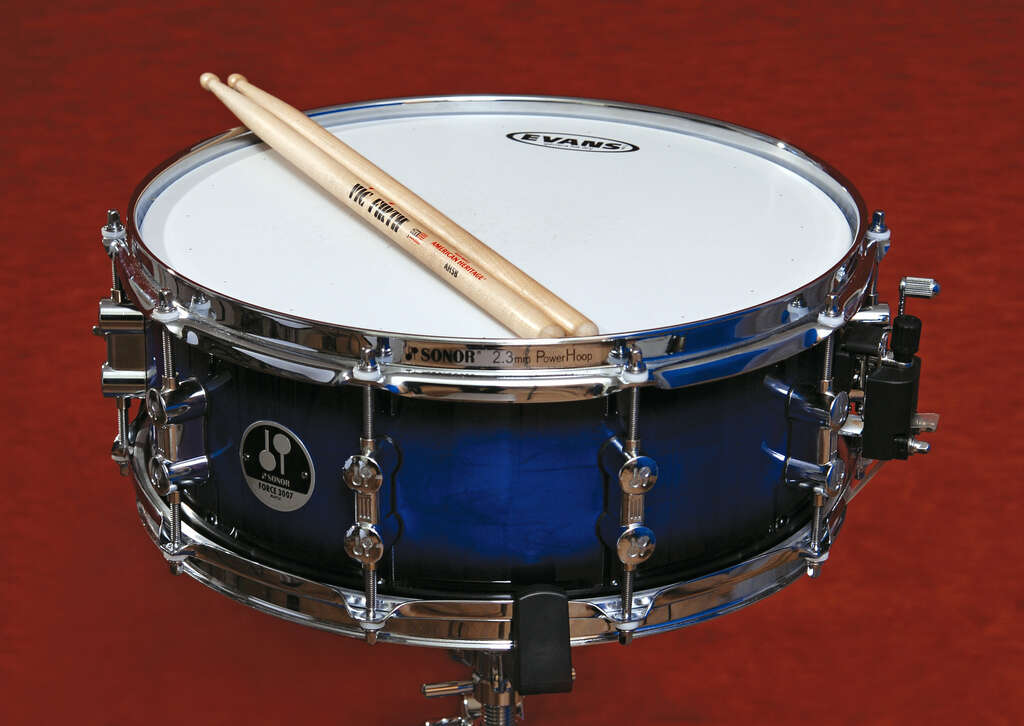
What Is Snare Drum Instrument: Complete Beginner Guide
A snare drum is a shallow drum with metal wires under the head that create a crisp, buzzing crack.
As a drummer and music educator with years of studio and live experience, I’ll walk you through exactly what is snare drum instrument, how it works, why it matters in music, and how to pick, tune, and play one confidently. This guide blends clear definitions, practical tips, and real-life lessons so you can understand the snare’s role in bands, orchestras, and solo practice. Read on to get a full, hands-on view of this essential percussion instrument.
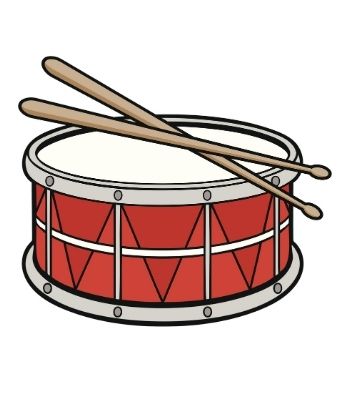
what is snare drum instrument: definition and brief history
A snare drum is a percussion instrument made of a cylindrical shell, two drumheads, and snares—tensioned wires or strings—stretched against the lower head. The snares vibrate when the top head is struck, giving the drum its signature sharp, rattling sound that cuts through mixes and ensembles.
The instrument dates back centuries, evolving from military drums used to relay commands into a central rhythm voice in modern music. Today the snare drum appears across genres: rock, jazz, classical, marching bands, and electronic music. Understanding what is snare drum instrument means knowing both its simple mechanics and its many musical roles.

Anatomy: parts that define the snare's sound
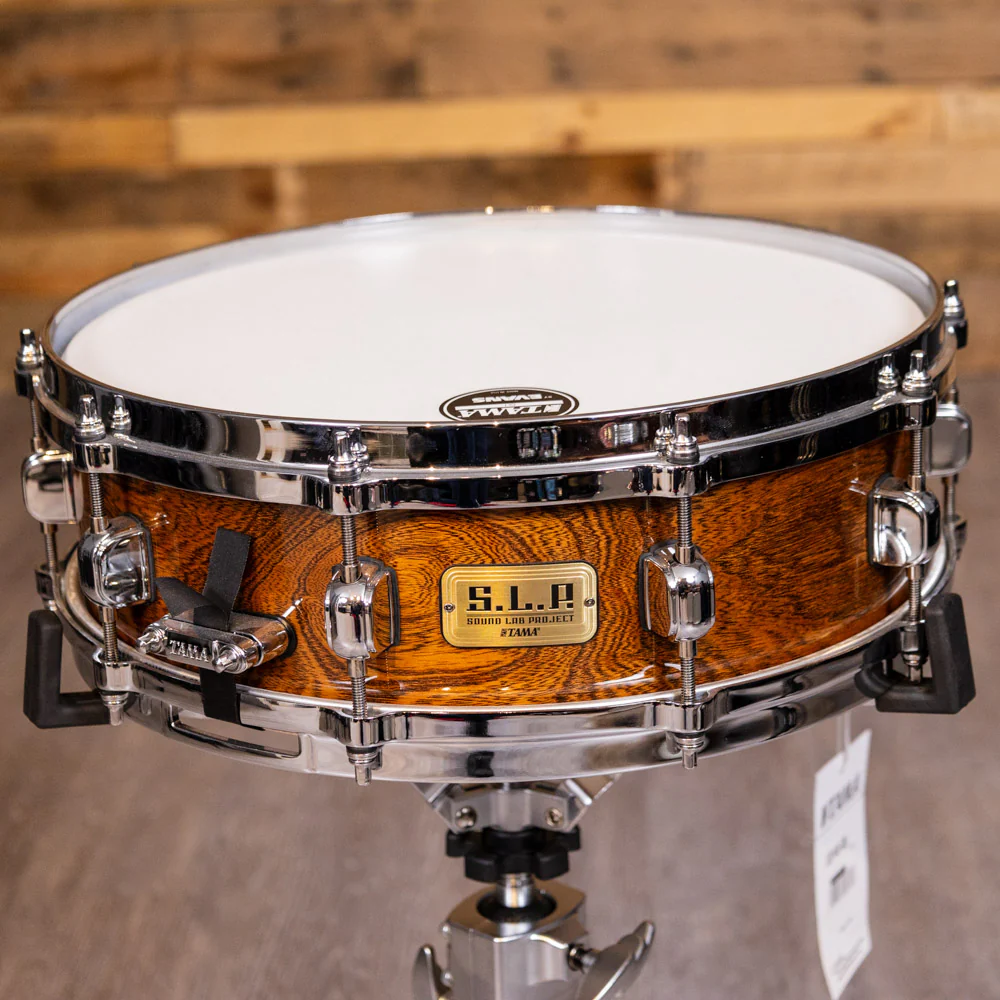
A clear view of what is snare drum instrument starts with its parts. Each part shapes tone and playability.
- Shell The cylinder, made of wood, metal, or composite, controls warmth and projection.
- Batter head The top surface you strike; head type affects attack and sustain.
- Resonant head The bottom head transmits vibration to the snares.
- Snares Metal wires, gut, or synthetic strands that create the buzz.
- Hoops and lugs Hoops hold the head; lugs allow tuning by adjusting tension.
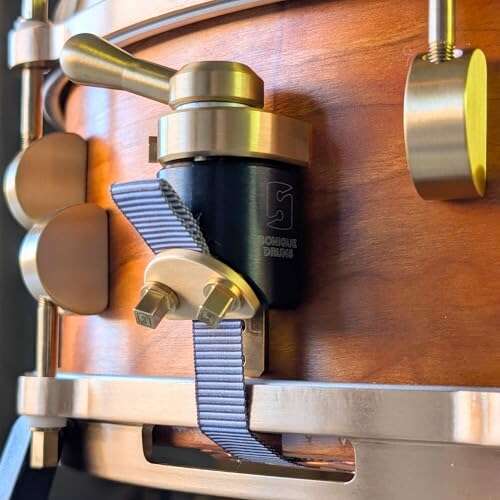
- Throw-off A lever that engages or disengages the snares for different sounds.
- Tension rods Used to fine-tune head tension and pitch.
Knowing what is snare drum instrument includes knowing how each item changes tone. For example, a metal shell tends to be brighter, while a wooden shell gives more warmth.

How the snare produces sound
The snare drum’s sound is a mix of head vibration and snare response.
- When you strike the batter head, it vibrates.
- The vibration travels through the shell to the resonant head.
- The snares press against the resonant head and rattle.
- The result is a sharp attack with a short, buzzing decay.
Two short PAA-style questions here:
What is the role of the snares? They add the characteristic buzzing and crispness that distinguish the snare from other drums.
Can you play the snare without snares? Yes; disengaging the snares yields a tom-like sound, useful for different musical colors.
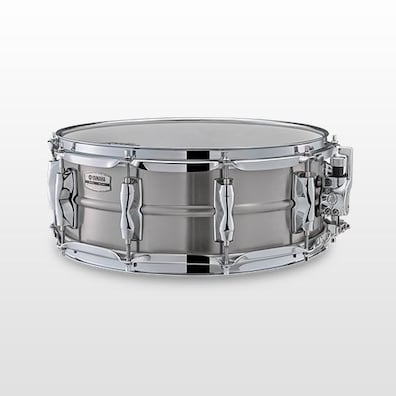
Playing techniques and rudiments
Mastering what is snare drum instrument means learning basic techniques. These core skills unlock rhythm, control, and expression.
- Stroke types Single stroke, double stroke, and buzz stroke each create unique textures.
- Rudiments Practice paradiddles, flams, drags, and rolls to build speed and evenness.
- Dynamics Use wrist and finger control to play soft to loud within grooves.
- Grip Traditional and matched grips both work; choose what feels natural and fits style.
- Stick placement Hit near the center for full tone, near the edge for brighter attack.
Practice slowly and add a metronome. I learned that focusing on small technical gains—five minutes of rudiments daily—helped my endurance and timing more than random long practice sessions.
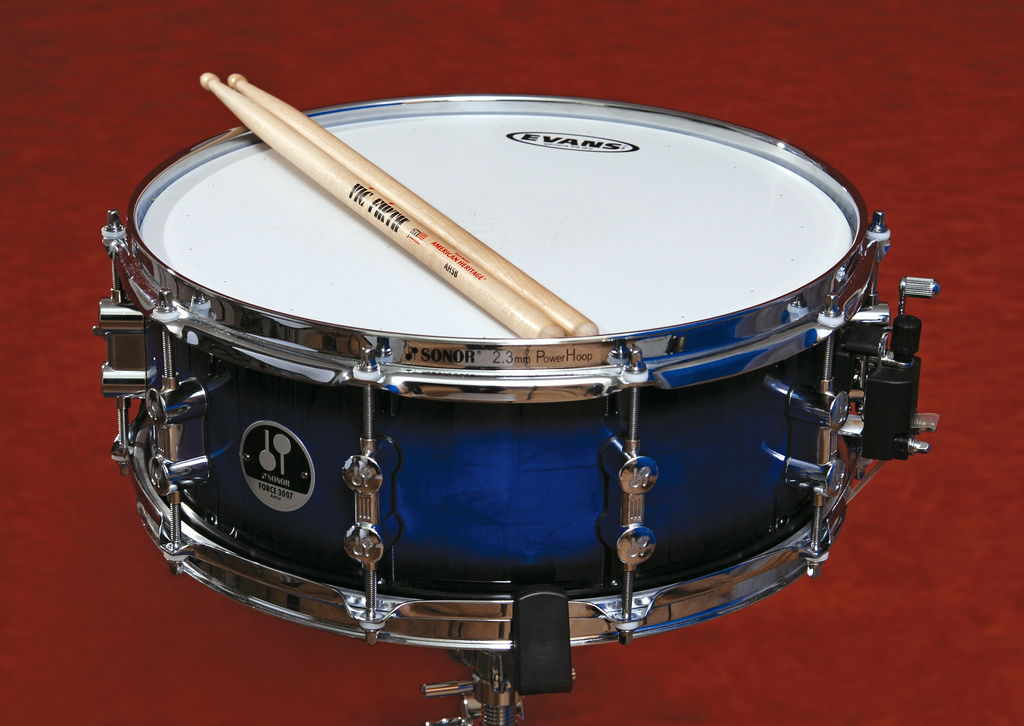
Tuning, heads, and maintenance
Tuning and upkeep greatly affect the snare’s voice and longevity. These practical steps keep it sounding its best.
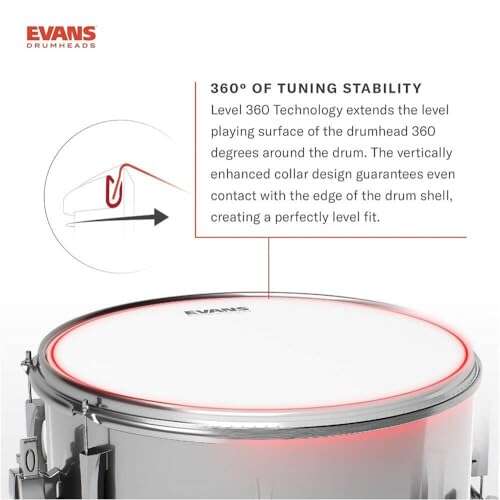
- Choose heads Coated heads are warmer; clear heads are brighter and more open.
- Tune evenly Tighten lugs in a star pattern to avoid wrinkles and uneven pitch.
- Set snare tension Too tight makes a thin sound; too loose makes it muddy. Find a balanced rattle.
- Replace worn straps Old snares or loose straps hurt response; replace when they fray.
- Regular cleaning Wipe shells and rims after use and check hardware for rust.
From my experience, one common mistake is over-tuning to chase volume. Proper head choice and dynamic control produce better tone than extreme tension.
Types and uses across genres
If you ask what is snare drum instrument in different music settings, the answer varies by design and role.
- Marching snare Higher tension, shallow shell, loud projection for outdoor performance.
- Concert snare Sensitive, tuned for orchestral dynamics and articulation.
- Drum kit snare Versatile, designed for various styles from jazz to metal.
- Piccolo snare Very shallow for bright, popping crack.
- Field and parade snares Built for durability and projection in marching ensembles.
A snare that suits a jazz drummer may not suit a marching performer. Match the drum to the style for best results.

Buying guide: choosing the right snare
Choosing what is snare drum instrument for you depends on goals and budget. Here’s a simple checklist.
- Identify your style Rock needs projection; jazz favors warmth and sensitivity.
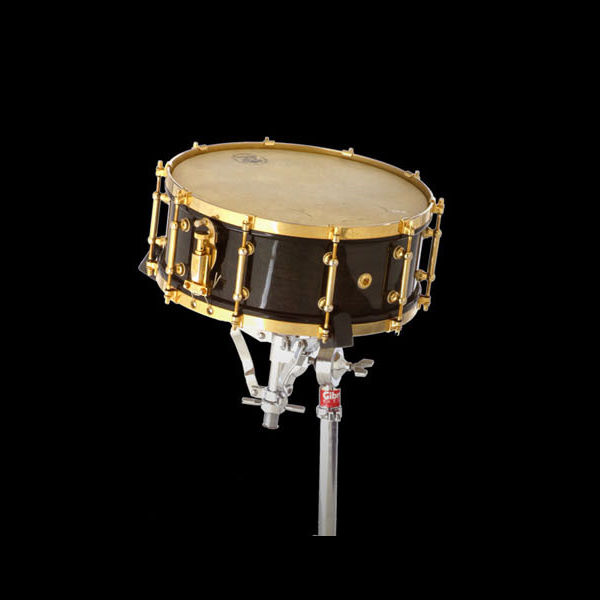
- Shell material Wood for warmth; brass or steel for sharper attack.
- Size Depth and diameter change tone and feel.
- Hardware quality Reliable throw-offs and lug systems improve tuning stability.
- Try before buying Play different drums with your sticks and in a room similar to where you’ll perform.
I advise beginners to start with a mid-range drum and upgrade heads and snares before upgrading the shell. Small changes often yield big tonal improvements.
Common issues and quick fixes
Even pro players face problems. Here are common issues and simple fixes related to what is snare drum instrument.
- Dead or muffled sound Try a new batter head or loosen batter tension slightly.
- Excessive ringing Use a thin strip of tape or a dampening ring for quick control.
- Snare buzz when disengaged Check throw-off position and snare alignment.
- Uneven tuning Loosen all lugs and retune in a star pattern for even pitch.
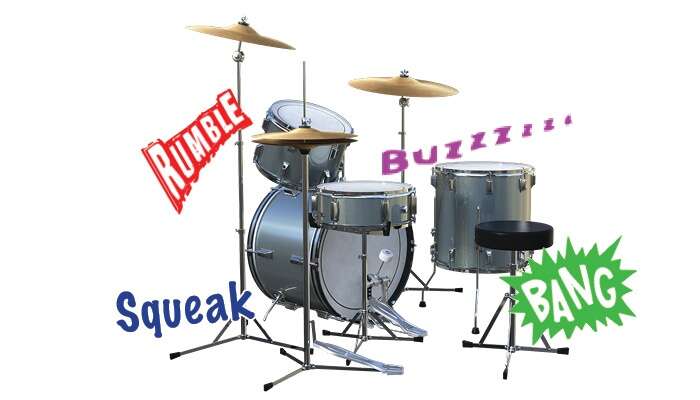
- Hardware squeaks Lubricate moving parts and tighten loose screws.
These small fixes saved me time before gigs. Keep basic tools and spare parts in your bag.

PAA-style: quick answers users search for
What is the best snare for beginners? A 14×5.5-inch wooden snare with a medium-profile batter head is a versatile starting point.
How often should I change drumheads? For regular practice, change batter heads every 6–12 months; for heavy gigging, change more often.
Can the snare sound be recorded cleanly at home? Yes. Use a dynamic mic close to the batter head and a condenser farther back for room tone.
These brief answers help users quickly decide and act while exploring what is snare drum instrument.
Frequently Asked Questions of what is snare drum instrument
What is a snare drum used for?
A snare drum provides the primary backbeat and articulation in many styles. It adds rhythm, accents, and texture to music.
How do snares affect sound?
Snares vibrate against the resonant head, producing a crisp buzz that defines the drum’s attack and presence. Adjusting snare tension changes the buzz character.
What size snare drum should I buy?
A common starting size is 14×5.5 inches, which balances tone and playability. Choose depth and diameter based on your genre and feel preference.
How do I tune a snare drum properly?
Tune lugs evenly in a cross or star pattern and check pitch at each lug. Fine-tune both heads and adjust snare tension for the desired snap.
Can a snare drum be used without snares?
Yes. Disengaging the snares gives a tom-like sound and removes the buzz, offering a different tonal option for music or practice.
Conclusion
The snare is a small drum with a big job. Understanding what is snare drum instrument helps you pick the right model, tune it well, and play with purpose. Start with solid basics: learn rudiments, tune evenly, and experiment with heads and snare tension to find your sound. Take one practical step this week—tune your snare or practice a rudiment for five minutes daily—and notice steady improvement. Share your progress or questions below, subscribe for more tips, or try a local lesson to speed your growth.

Senior Music Reviewer
Alex Carter is a seasoned music reviewer with over a decade of experience in the world of sound and instruments. Passionate about helping musicians and enthusiasts make informed choices, he brings sharp insights and in-depth knowledge to every review. From classical instruments to modern gear, Alex combines technical expertise with a love for music to deliver content that resonates with readers.
As a Senior Music Reviewer and expert author on Tuneluma.com, Alex is dedicated to sharing honest evaluations, practical advice, and thoughtful commentary to guide readers in their musical journey.