Best Drum Heads For Jazz: Top Picks For Warm, Clear Tone
The best drum heads for jazz blend warm tone, clear attack, controlled sustain, and gentle brush response.
A jazz kit must speak softly and still carry feeling. If your toms sound harsh, your snare rings too long, or your bass drum feels flat, the wrong head may be the cause. I have found that jazz favors balance more than brute force. Coated heads, thin films, warm materials, and light damping can help a drum sound open without becoming wild. The picks below cover classic combo jazz, big-band playing, brush work, and modern jazz. They also give you useful choices for tuning, room size, and playing style.
Evans Calftone 14-Inch Tom Head

The Evans Calftone 14-inch tom head gives a jazz kit a warm and earthy voice. It uses a synthetic material that aims to capture some of the mellow character linked with calfskin. The head also has a textured playing surface, so brushes can make a soft and steady whisper. I like it when a floor tom needs body without a sharp, modern edge.
This head suits players who want a vintage color but still need dependable daily use. Unlike natural calfskin, it does not react to room humidity in the same way. A medium-low tuning brings out a round note, while a higher tuning adds more pitch and bounce. It is one of the best drum heads for jazz when warmth matters more than maximum volume.
Pros:
- Warm tone with a classic, natural feel
- Good brush texture for jazz patterns
- More stable than real calfskin in changing weather
- Helps soften bright or sharp toms
- Works well at medium and low tunings
- Offers a useful blend of vintage color and modern durability
Cons:
- May sound too mellow for loud rock playing
- Costs more than many basic single-ply heads
- Players seeking a very crisp attack may prefer clear film
My Recommendation
I recommend this 14-inch Calftone head for jazz players with a standard rack tom or floor tom that sounds thin and bright. It is especially useful for small clubs, acoustic combos, and players who use brushes often. If you want one head that adds character without the upkeep of natural skin, this is a strong pick. Its value is best for drummers who will use its warm voice often.
Evans Calftone 12-Inch Tom Head
The 12-inch Evans Calftone brings the same soft, old-school idea to a smaller tom. Its tone has a clear center, but the attack stays smooth instead of glassy. That balance helps a 12-inch drum speak as a musical voice rather than a short click. I find it useful when a tom must blend behind a piano, guitar, or horn section.
The head responds well to a light touch, which is vital in jazz. It can also handle stronger stick work when you need more lift from the kit. Tune it close to the drum’s natural pitch, then make small adjustments around each lug. Among the best drum heads for jazz, this one stands out for warm rack-tom sound and easy control.
Pros:
- Soft, rounded attack on a 12-inch tom
- Supports subtle jazz dynamics
- Good match for vintage-style drum sets
- Coated surface adds useful brush response
- Less sensitive to moisture than natural skin
- Blends well with mellow bass and snare tones
Cons:
- Can lose some high-end bite on a dark drum
- Not the best choice for players who want long, bright sustain
- Requires careful tuning to avoid an overly soft sound
My Recommendation
This 12-inch Calftone is best for a rack tom in a compact jazz kit. I would choose it for combo players, brush users, and drummers who want a warm note with a clean front edge. It also makes a nice partner for the 14-inch version above. For a vintage tone that remains practical on modern gigs, it offers excellent value and is widely available.
Evans Genera HD Dry 14-Inch Snare Head

The Evans Genera HD Dry is a two-ply coated snare head made for control. Its small vent holes help reduce extra ring, while the center stays strong under sticks and brushes. For jazz, that control can be helpful when a snare tends to sound too busy in a small room. The head gives rimshots a focused crack but still supports soft ghost notes.
I would not call it the most open snare head in this guide. Instead, it works like a careful editor: it removes clutter while keeping the main idea clear. Tune it medium or medium-high for a crisp sound, or lower it slightly for a thicker note. It is among the best drum heads for jazz when room control and snare focus are your main goals.
Pros:
- Controls unwanted snare overtones
- Coated surface responds well to brushes
- Two plies provide strong playing life
- Vent holes help focus the sound in small rooms
- Produces clear ghost notes and backbeats
- Useful for players who dislike excessive ring
Cons:
- Less open and resonant than a thin single-ply head
- May feel slightly firm under very light brushes
- Can make a naturally dark snare sound too dry
My Recommendation
I recommend the Genera HD Dry to jazz drummers whose snare dominates the room. It suits amplified combos, rehearsal spaces, and stages with hard walls. Players who use strong rimshots will also appreciate its added durability. If your ideal jazz snare has a short, neat note instead of a wide ring, this is one of the best drum heads for jazz in the snare category.
Evans HD Dry Coated Tompack

This Evans HD Dry tompack includes 10-, 12-, and 16-inch coated heads. That makes it a practical choice for a three-tom jazz setup. The two-ply construction gives each drum a firm note, while the dry design keeps sustain from spreading too far. I like this set for players who want matching response across the kit.
The coating adds a useful surface for brushes, though the heads favor control over a loose, singing tone. Tune the 10-inch tom high, the 12-inch tom in the middle, and the 16-inch tom lower for a simple musical spread. The result can sound tidy and modern without becoming sterile. For players rebuilding a kit, this pack can be one of the best drum heads for jazz at a useful per-head price.
Pros:
- Includes three common tom sizes
- Matched heads create consistent response
- Two-ply film handles regular gig use
- Dry control helps tame loud overtones
- Coating supports brush techniques
- Good option for a complete tom refresh
Cons:
- May reduce the open bloom some jazz players want
- Not designed for a very vintage, loose sound
- Pack sizes may not fit every drum configuration
My Recommendation
This tompack is best for a drummer who wants to replace several tom heads at once. It works well for modern jazz, fusion, stage work, and rooms where uncontrolled sustain causes trouble. I would choose it over separate heads when consistent feel matters more than maximum tonal openness. It gives strong value if your kit uses all three listed sizes.
Remo Fiberskyn 3 22-Inch Bass Head
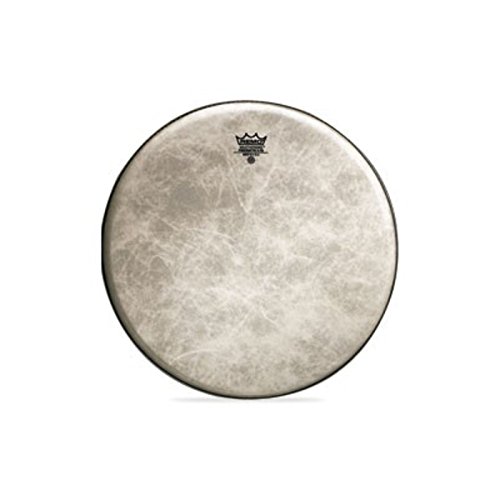
The Remo Fiberskyn 3 Ambassador gives a 22-inch bass drum a warm, classic voice. Its textured surface has a visual and musical link to traditional skin heads. The sound has a soft front edge, a full low note, and a smooth decay. That combination works beautifully for acoustic jazz, big-band swing, and vintage drum sets.
This head does not chase the hard click that many modern bass heads produce. Instead, it gives the bass drum a round cushion beneath the band. You can tune it fairly high for a lively jazz pulse or lower it for more weight. In my view, it is one of the best drum heads for jazz when the bass drum should sound like a note, not a special effect.
Pros:
- Rich and warm bass drum tone
- Excellent match for traditional jazz kits
- Textured surface gives a classic appearance
- Produces a smooth, musical decay
- Works well with light felt beaters
- Handles a wide range of jazz tunings
Cons:
- Less attack than a clear modern bass head
- May need added damping for loud amplified work
- Textured coating can show marks from heavy use
My Recommendation
I recommend the Fiberskyn 3 for acoustic players who want a bass drum with depth and grace. It is especially good for small-group jazz, swing, theater work, and vintage-style setups. Choose it when the bass drum must support the bassist without masking the low end. It costs more than a plain head, but its tone and character make the investment worthwhile.
Professional Five-Piece PET Drum Head Set

This five-piece PET drum head set includes 12-, 13-, 14-, 16-, and 22-inch sizes. It can refresh the main playing surfaces of a standard five-piece kit in one purchase. PET film is a common synthetic material used in drum heads because it offers stable tension and consistent response. The set gives budget-minded drummers an easy way to start a full rebuild.
Its sound will depend on the exact drum, tuning, and head thickness, so I would not expect the same finish as a premium jazz-focused set. Still, it can work well for lessons, home practice, school bands, and players testing different tunings. A light touch and careful tuning can bring out a pleasant, balanced voice. It is a practical entry point for anyone searching for the best drum heads for jazz on a tight budget.
Pros:
- Includes five useful drum sizes
- One set can cover a full standard kit
- PET film offers stable basic performance
- Helpful for students and first-time replacements
- Usually costs less than buying premium heads one by one
- Lets players experiment with jazz tuning without a large spend
Cons:
- May not provide the refined tone of Evans or Remo heads
- Exact response may vary between individual heads
- Not the first choice for demanding professional recording
My Recommendation
I recommend this set for beginners, students, rehearsal kits, and drummers who need several replacement heads at once. It is also useful as a low-cost way to learn how tuning changes a jazz drum sound. Professional players may want a more specialized coated head for important shows. For basic coverage and low cost, however, it offers solid practical value.
Evans EMAD2 Clear 22-Inch Bass Head
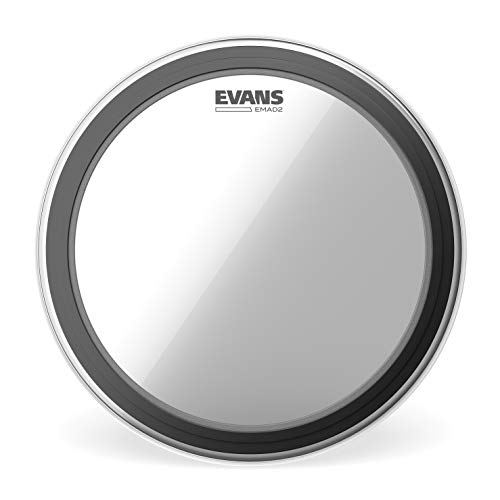
The Evans EMAD2 Clear uses two plies and an external adjustable damping system. It comes with two foam rings, so you can choose between more open tone and tighter focus. That flexibility makes it different from a fixed dry head. The clear film produces more attack and projection than a traditional Fiberskyn head.
For straight-ahead jazz, I would use the smaller damping ring or no ring at first. This keeps the bass drum alive while retaining control. For fusion, big stages, or a kit that must cut through electric instruments, the larger ring can add useful punch. It is not the most traditional choice, but it can still rank among the best drum heads for jazz when versatility matters.
Pros:
- Adjustable damping lets you shape the sound
- Two plies provide strong durability
- Clear film gives solid attack and projection
- Works across jazz, fusion, pop, and rock
- External rings are quick to change
- Helps players adapt one bass drum to different rooms
Cons:
- Can sound too punchy for pure vintage jazz
- Clear surface may emphasize a hard beater sound
- More expensive than a basic single-ply bass head
My Recommendation
This EMAD2 is best for a working drummer who plays more than one style. I would choose it for modern jazz, fusion, theater pits, and amplified bands. It suits players who want one bass head with several useful voices. If your sound must move from a small combo to a loud stage, this head offers strong value and easy control.
Remo Fiberskyn Diplomat 14-Inch Head

The Remo Fiberskyn Diplomat is a thin 14-inch head with a warm, textured surface. Its lighter film responds quickly to soft strokes and delicate brush sweeps. The tone opens up easily, so it can make a small snare or tom feel more alive. I especially like thin heads for players who use touch as part of their sound.
This head offers more openness than a heavy two-ply model. That quality can bring air and movement to a quiet jazz kit, but it also means the drum may ring more. A careful tuning job remains important. For brush players and acoustic combos, it is one of the best drum heads for jazz because it speaks with very little effort.
Pros:
- Fast response under light playing
- Warm Fiberskyn tone with a vintage flavor
- Excellent surface for brush work
- Opens up quiet drums and small kits
- Light film supports nuanced dynamics
- Good choice for acoustic recording and combo jazz
Cons:
- Thinner design may wear faster under heavy playing
- Can produce more ring than a dry two-ply head
- Needs careful handling during installation
My Recommendation
I recommend the Fiberskyn Diplomat for brush specialists, soft players, and vintage-minded drummers. It works best when the kit has room to breathe and the player controls the sound with touch. I would avoid it for hard rimshot work or loud touring unless you carry spares. For subtle jazz color and quick response, it remains a very appealing choice.
Evans Calftone 10-Inch Tom Head
The 10-inch Evans Calftone adds a soft, warm voice to a small tom. Small toms can sound sharp when fitted with bright heads, especially in a live room. This coated synthetic head rounds off that edge and helps the note sit inside the music. It still gives enough pitch to make a compact tom useful for melodic fills.
I find this size valuable in compact jazz kits and modern setups with a high rack tom. It responds well to fingers, rods, brushes, and light sticks. Tune it high enough to avoid a loose slap, then use the drum’s natural note as your guide. As part of a matched Calftone set, it can help create some of the best drum heads for jazz tones across the kit.
Pros:
- Reduces harsh attack on small toms
- Warm and musical response
- Coating supports light brush touches
- Good for high jazz tom tuning
- Pairs well with 12- and 14-inch Calftone heads
- Offers more practical stability than natural skin
Cons:
- May feel too soft for aggressive playing
- Can limit brightness on an already dark drum
- Small size may not fit older drum sets
My Recommendation
This 10-inch Calftone is best for players who use a small tom as a clear melodic voice. It suits compact kits, bop setups, studio work, and vintage-inspired jazz. I would pair it with the matching 12- and 14-inch heads for a smooth tonal family. Its value is strongest when you want warmth from the smallest drum on the kit.
Evans EQ3 Resonant Black 22-Inch Head

The Evans EQ3 Resonant Black is designed for the front side of a 22-inch bass drum. Its built-in control ring helps manage sustain without placing a pillow inside the shell. A resonant head has a major effect on bass drum feel, and this model can make the low note sound more focused. The black finish also gives a bold look on stage.
For jazz, I would pair this head with a batter head that has moderate attack. The result can be a bass drum with a clear center and a short, smooth tail. It works well when a microphone needs a tidy signal, but it still leaves enough body for an acoustic room. It belongs on a shortlist of the best drum heads for jazz for players who want control from the front head.
Pros:
- Controls resonant bass drum sustain
- Helps create a focused low note
- Built-in ring reduces the need for internal muffling
- Useful for microphones and live sound
- Black finish gives the kit a strong visual style
- Works with many batter-head choices
Cons:
- May sound too controlled for wide-open vintage jazz
- Front-head ring is not adjustable after installation
- Black film can show fingerprints and stage marks
My Recommendation
I recommend this EQ3 resonant head for jazz players who need a clean bass drum signal. It suits recording, amplified combos, theater work, and stages where low-end control matters. Use it with a warm batter head if you want to avoid an overly modern sound. It offers good value for drummers who want a tidy bass drum without stuffing the shell.
How I Choose Drum Heads for Jazz
I do not choose a drum head by brand name alone. I start with the drum, the room, and the player’s touch. A bright maple kit may need a warm coated head, while a dark mahogany kit may need a more open film. The best drum heads for jazz should help the drum speak clearly without forcing the player to hit hard.
Jazz also asks a head to handle fast changes in volume. A drummer may play a soft brush sweep, a light comping note, and a strong accent within one bar. The head must respond to all three. This is why coating, thickness, sustain, and tuning range matter more than simple loudness.
Coated Versus Clear Drum Heads
Coated heads usually fit jazz better because they soften attack and support brushes. The surface creates friction, which lets the wire bristles make a steady sound. Coating can also reduce some high-end brightness. Clear heads feel smooth and often deliver more attack, projection, and ring.
That does not make clear heads wrong for jazz. A clear EMAD2 bass head can work well in fusion or a loud stage band. I simply use clear film with more care. If the kit sounds too sharp, I lower the tuning slightly or add light damping.
Single-Ply Versus Two-Ply Heads
Single-ply heads tend to sound open and quick. They can reveal small changes in touch, which makes them excellent for brushes and soft playing. They may also wear sooner when a player uses hard rimshots every night.
Two-ply heads offer more control and strength. They often produce a thicker note with less uncontrolled ring. The trade-off is a slightly slower response and a less open sound. For modern jazz, fusion, and players who hit hard, two plies can be a smart choice.
Why Thickness Matters
Thin heads react with less force. They can make a quiet kit feel alive and expressive. Medium heads offer a good middle ground for most jazz work. Heavy heads last longer, but they may hide the soft details that make jazz feel personal.
I normally choose medium or thin heads for acoustic jazz. I move toward two-ply models when the room is loud or the player needs extra durability. The right answer depends on how hard you play and how much ring your drum already makes.
Choosing a Snare Head
The snare is the center of most jazz kits. A coated single-ply head gives a crisp, lively response and plenty of brush sound. A controlled two-ply head can reduce ring and add strength. Dry heads help in small, reflective spaces, but they may remove some of the air that traditional jazz players enjoy.
Before buying, listen to the shell. Metal snares often have more natural brightness, so a warm coated head can balance them. Wood snares may sound rounder and may benefit from a more open head. Always check the head size, bearing edge, and hoop before installation.
Choosing Tom Heads
Jazz toms should produce a note that blends with the band. Excessive sustain can cover a pianist’s chord or a bassist’s line. Too much damping can make fills sound flat. I prefer a head that gives a warm note, moderate sustain, and a clear pitch.
Calftone and Fiberskyn-style heads work well for vintage color. Coated two-ply heads work well for control and longer life. If you use brushes on toms, check the texture before you buy. A smooth clear head will not give the same brush response as a coated surface.
Choosing a Bass Drum Head
A jazz bass drum should support the group, not swallow it. Many players prefer a round, short note with a soft attack. A felt beater can help create that sound. Light damping may keep the bass drum from spreading across the room.
Traditional heads such as Fiberskyn can give a warm, open character. Modern heads such as EMAD2 provide more attack and adjustment. Resonant heads with control rings can help when you use microphones or play in a lively room. I tune both sides together rather than trying to fix every issue with the batter head alone.
Jazz Drum Head Tuning Tips
First, place the head on a clean bearing edge. Tighten each tension rod by hand, then use small, even turns in a cross pattern. Press gently in the center to seat the head, but do not force it. Check the pitch near each lug and correct large differences before judging the tone.
For bop toms, try a higher tuning that gives each drum a clear note. For modern jazz, use a medium tuning with a little more body. Keep the top and bottom heads close enough to work together. A new head may settle after several minutes of playing, so check the tuning again before a show.
How to Get Better Brush Sound
Brushes need a surface with grip. Coated heads are the safest starting point. Keep the head clean, since dirt and oil can reduce the feel of the coating. Use a relaxed wrist and let the brush slide instead of pressing down too hard.
A thin coated head often gives the most immediate brush response. A dry two-ply head creates a shorter, tidier brush note. Neither is always better. Choose based on whether you want a long whisper or a compact pulse.
How Room Size Changes Your Choice
Small rooms often make drums sound louder and more ringy than they feel behind the kit. A controlled head can help the sound stay clear. Large rooms may need more sustain and projection. In that case, an open single-ply head can keep the kit from sounding small.
Recording rooms reveal more detail than many live stages. A head that sounds perfect in a club may have too much overtone under a close microphone. I always listen from several feet away, not only from the drum stool. The audience hears the whole kit, not the sound directly above the drum.
Care and Replacement Advice
Wipe coated heads with a dry, soft cloth after a long session. Do not use harsh cleaners, since they can damage the playing surface. Check for dents, deep scratches, and a note that no longer returns after tuning. These signs usually mean the head has reached the end of its useful life.
Keep spare heads in a dry case. Avoid leaving them in a hot car, where plastic parts and adhesives can suffer. Replace one head at a time if you want to compare the change. Keep the old head until you know the new one suits the drum.
Best Drum Heads for Jazz: Quick Comparison
| Best for | Why |
|---|---|
| Warm vintage tom tone | Evans Calftone and Remo Fiberskyn heads soften attack and add musical body. |
| Controlled snare and tom sound | Evans Genera HD Dry and HD Dry tom heads reduce extra ring and improve focus. |
| Flexible bass drum performance | Evans EMAD2 and EQ3 Resonant heads let you manage attack, sustain, and room response. |
FAQs Of best drum heads for jazz
What type of drum head is best for jazz?
Coated heads are the most common starting point. They give warm attack and useful brush response. Thin or medium-weight heads work well for soft dynamics, while two-ply heads suit players who need more control and life.
Are clear drum heads good for jazz?
Yes, especially for bass drum, fusion, and louder modern jazz. Clear heads offer more attack and projection. Use light tuning or damping if the sound becomes too bright or ringy.
Should jazz drummers use single-ply or two-ply heads?
Single-ply heads give more openness and touch. Two-ply heads give more control and durability. I would choose single-ply for traditional acoustic jazz and two-ply for modern jazz, loud stages, or heavy hitters.
Do coated drum heads work better with brushes?
Usually, yes. The coating gives the wires enough grip to make a smooth sweep and a clear buzz. A smooth clear head can still work, but it will not offer the same brush feel.
How often should I replace jazz drum heads?
Replace them when the tone becomes dull, the head develops a deep dent, or tuning no longer stays stable. A light player may get many months or more. A busy player who uses hard strokes may need replacements much sooner.
Final Verdict: Which Should You Buy?
For most players, the Evans Calftone tom heads and Remo Fiberskyn heads offer the warmest jazz voice. Choose Evans HD Dry for control, or EMAD2 for flexible bass drum attack.
The best drum heads for jazz match your touch, shell, and room. Start with coated, warm heads, tune with care, and let your kit speak naturally.

Senior Music Reviewer
Alex Carter is a seasoned music reviewer with over a decade of experience in the world of sound and instruments. Passionate about helping musicians and enthusiasts make informed choices, he brings sharp insights and in-depth knowledge to every review. From classical instruments to modern gear, Alex combines technical expertise with a love for music to deliver content that resonates with readers.
As a Senior Music Reviewer and expert author on Tuneluma.com, Alex is dedicated to sharing honest evaluations, practical advice, and thoughtful commentary to guide readers in their musical journey.