What Is A Pair Of Cymbals On A Drum Set: Cymbal Guide
A pair of cymbals on a drum set is usually the hi-hat, used to keep time and add sharp rhythmic accents.
When drummers ask what is a pair of cymbals on a drum set, they usually mean the hi-hat. It has two cymbals facing each other on a stand, plus a foot pedal that controls how tightly they meet. After years of playing and setting up drum kits, I have found that understanding the hi-hat makes basic drum grooves much easier to hear, play, and build.
What Is a Pair of Cymbals on a Drum Set?
A pair of cymbals on a drum set is most often called a hi-hat. It includes two cymbals mounted horizontally on a special stand. The bottom cymbal stays still, while the top cymbal moves up and down when the drummer uses the foot pedal.
The hi-hat is one of the main parts of a standard drum set. It helps the drummer keep time, mark the beat, and change the feel of a song. You can play it with drumsticks, brushes, or your foot.
A typical hi-hat includes:
• A top cymbal, which moves with the pedal
• A bottom cymbal, which rests on the stand
• A hi-hat stand with a foot pedal
• A clutch that holds the top cymbal
• A pull rod that moves the top cymbal
The two cymbals can touch, separate, or stay partly closed. Each position creates a different sound. This range is why the hi-hat is more than just a pair of metal plates. It works like the drummer’s clock, voice, and volume control at the same time.

Why Are Two Cymbals Used Together?
Two cymbals allow the drummer to control both sound and movement. When the cymbals touch, they create a short, crisp sound. When they stay open, they produce a longer and louder wash.
The foot pedal gives the player fast control over the gap between the cymbals. A light press closes them tightly. Releasing the pedal lets the top cymbal rise. This simple motion creates many textures.
For example:
• A closed hi-hat creates a tight “chick” sound.
• A slightly open hi-hat creates a gritty, sizzling tone.
• An open hi-hat creates a bright, ringing sound.
• A foot-closing sound adds a sharp beat without using a stick.
This design also makes the hi-hat useful in many styles. Rock drummers often play steady eighth notes. Jazz drummers may use the foot to mark beats two and four. Funk players often open and close the cymbals to add bounce and movement.
In practical terms, a pair of cymbals on a drum set gives the drummer a moving rhythm surface. It is much more flexible than a single crash or ride cymbal.

How Does a Hi-Hat Work?
The hi-hat stand uses a pedal and a metal rod. When you press the pedal, the rod pulls the top cymbal downward. When you release the pedal, a spring lifts the top cymbal again.
The top cymbal is attached to the rod with a small part called a clutch. Felt washers sit above and below the cymbal. These washers protect the metal and help control vibration.
The bottom cymbal usually sits on a felt seat. Many stands let you adjust the angle of the bottom cymbal slightly. A small tilt can help air escape and make the hi-hat sound cleaner.
The main playing positions are:
-
Closed: The cymbals touch or nearly touch. This produces a short and focused sound.
-
Half-open: The cymbals have a small gap. This creates a lively, loose sound.
-
Open: The top cymbal stays raised. This produces a bright, ringing wash.
-
Foot-only: The drummer presses the pedal without striking the cymbals. This creates a clear “chick” sound.
Learning these positions is central to understanding what is a pair of cymbals on a drum set. The cymbals do not create only one sound. The drummer shapes the sound through pressure, timing, and stick control.

Hi-Hat Sizes and Materials
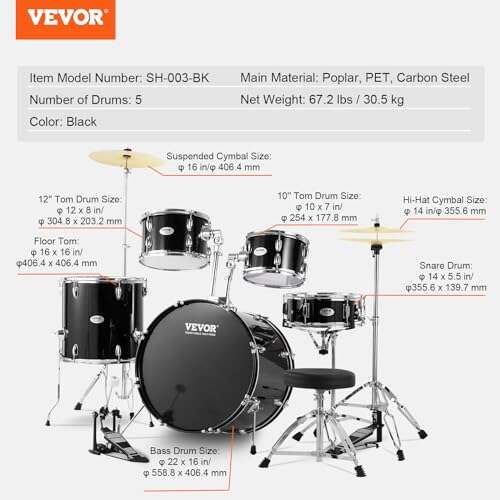
Most hi-hats measure between 13 and 15 inches. Fourteen-inch hi-hats are common because they offer a useful balance of speed, volume, and tone. Smaller models often sound quicker and brighter, while larger models can sound deeper and fuller.
Hi-hats are commonly made from bronze alloys. Popular materials include B8 bronze and B20 bronze. The number refers to the amount of tin mixed with copper.
B8 bronze contains about 8 percent tin. It often produces a bright and direct sound. B20 bronze contains about 20 percent tin and may offer a warmer, richer tone. These descriptions are general, since hammering, lathing, thickness, and shape also affect the result.
Hi-hats may also have different weights:
• Thin hi-hats respond quickly and feel lively.
• Medium hi-hats offer a balanced sound for many styles.
• Heavy hi-hats produce strong, cutting notes.
• Extra-heavy hi-hats create a firm and powerful foot sound.
There is no single best pair of cymbals on a drum set. The right choice depends on the music, room, volume, and personal taste. A quiet jazz player may prefer thin cymbals, while a loud rock drummer may need heavier ones.

Hi-Hat Versus Other Cymbals
A drum set may include several cymbal types. The hi-hat is different because it uses two cymbals together and has a foot-controlled mechanism.
A crash cymbal is usually played to emphasize an important moment. It creates a broad, explosive sound. A ride cymbal provides a steady pattern with a clear bell and bow sound.
A splash cymbal is small and produces a quick effect. A china cymbal has an unusual shape and a sharp, trashy tone. None of these cymbals normally work as a controlled pair like the hi-hat.
This comparison helps answer what is a pair of cymbals on a drum set:
• Hi-hat: Two cymbals operated with a foot pedal
• Crash: One cymbal for accents
• Ride: One larger cymbal for patterns and timekeeping
• Splash: One small cymbal for fast effects
• China: One cymbal with a sharp, unusual voice
Some drummers use stacked cymbals or electronic cymbal pads. These may look like pairs, but they are not traditional hi-hats unless they use two cymbals or pads with a similar open-and-close function.
What Sounds Can a Pair of Cymbals Make?
A pair of cymbals on a drum set can make several basic sounds. The drummer changes the sound by using the stick, pedal, and amount of pressure.
The main sounds include:
• Closed strokes: The stick hits while the cymbals are pressed together.
• Open strokes: The stick hits while the top cymbal is raised.
• Open-and-close notes: The drummer strikes an open hi-hat and quickly closes it.
• Foot chicks: The pedal closes the cymbals without a stick.
• Edge strokes: The stick hits the outer edge for more volume.