What Are Drum Skins Made Of: Materials And Types
Drum skins are made of animal hides or synthetic plastic films such as Mylar and polyester.
I’ve worked with drums for years, tested heads in studios, and tuned kits on stages. In this article I’ll explain what are drum skins made of, how different materials shape tone, and how to choose and care for the right head. Read on for clear, real-world advice, simple science, and practical tips that save time and money.

What are drum skins made of? Materials and manufacturing
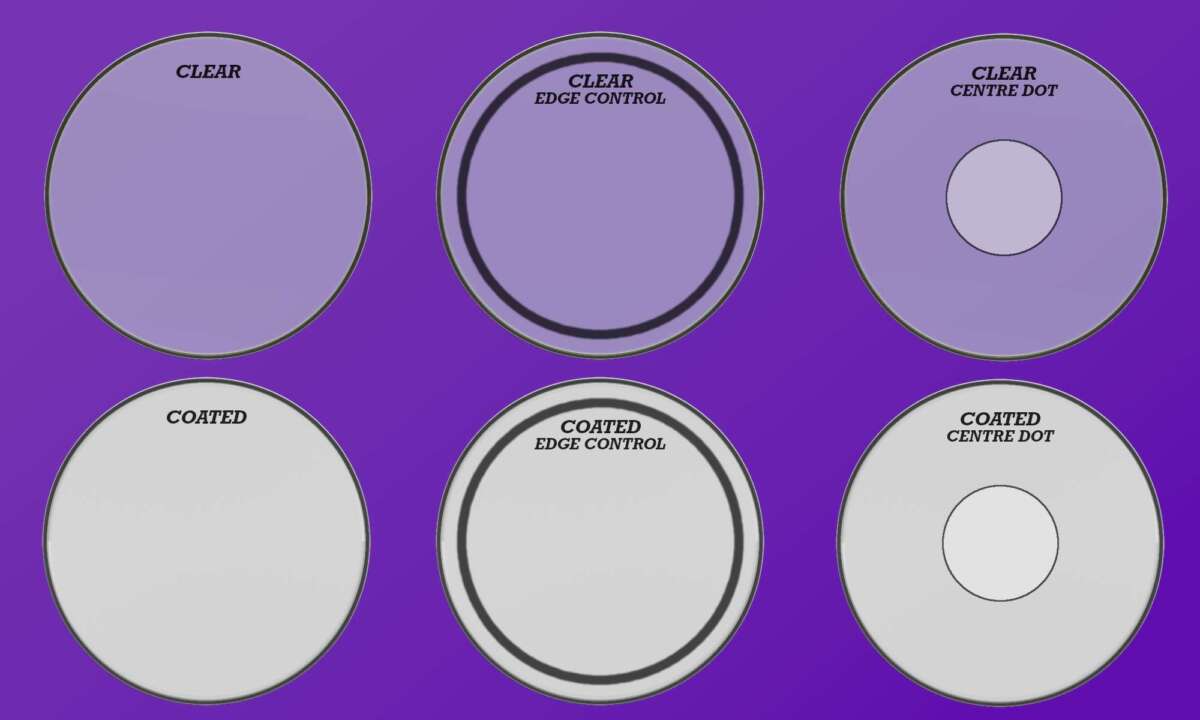
Drum skins are either natural or synthetic. Natural skins come from animal hides, usually calf or goat. Synthetic skins are plastic films like Mylar or polyester. Manufacturers make single- and multi-ply heads, and they may add coatings or textures.
How drum skins are made affects tone, durability, and price. Natural hides are cut, stretched, and dried. Synthetic films are extruded then laminated into one or more plies. Coatings are added by spraying or pressing textured layers.
Common construction options include:
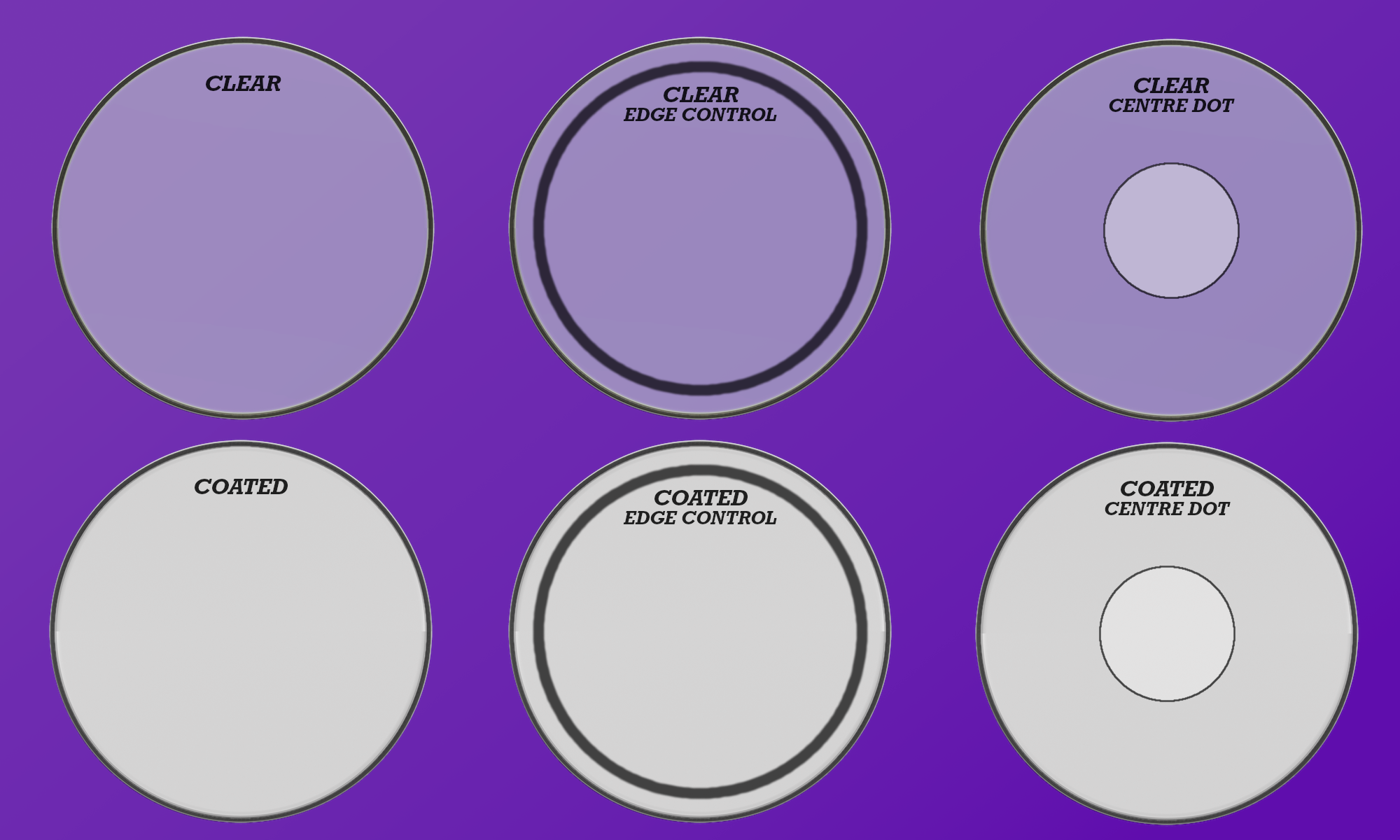
- Single-ply clear film for open tone and bright attack.
- Coated film for warmth and stick feel.
- Two- or three-ply heads for durability and focused tone.
- Reinforced centers for heavy hitting and longer life.
I’ve inspected factory cross-sections and compared specs. The way plies bond and the coating thickness matter a lot. That’s why brands sell heads for jazz, rock, and marching bands.
How material affects tone and performance
Material changes how a drum speaks. Natural skins give warm, complex tone with rich overtones. Synthetics deliver consistent pitch, more attack, and less sensitivity to humidity.
Thickness and ply also matter. Thinner, single-ply heads ring more and tune higher. Thicker, multi-ply heads sound darker and resist denting. Coated heads soften high overtones and create a dry, vintage feel.
Other performance factors:
- Sustain: Natural skins often sustain more. Synthetics offer controlled sustain.
- Attack: Clear synthetic heads punch through a mix easier.
- Dynamic range: Natural hides respond with subtlety at low volumes.
- Tuning stability: Synthetics win in wet or hot conditions.
PAA-style questions
Do natural drum skins sound better than synthetic?
Natural skins sound warmer and more complex, especially for acoustic or orchestral work. Synthetic skins are more consistent and easier to tune for modern kit playing.
Will humidity ruin synthetic drum skins?
Humidity affects synthetic heads far less than natural hides. You still should avoid extreme conditions to preserve hardware and shells.
Common types and uses
Different drums use different heads. Choosing the right type helps you get the sound you want.
Snare and toms
- Single-ply coated for vintage, snappy tone.
- Two-ply clear for rock and heavy playing for durability and focus.
- Snare wires and resonant heads shape snap and sustain.
Bass drum
- One- or two-ply coated or ported heads add punch and low end.
- Internal dampening often used to control boom.
Hand drums and ethnic drums
- Djembes and congas often use goatskin for warmth and feel.
- Frame drums and tambourines use calf or synthetic skins depending on use.
Orchestral and marching drums
- Timpani use calf or specially treated skins for tonal nuance.
- Marching snare heads are tough, often multi-ply or reinforced.
If you’ve ever swapped heads on the same tom, you know how much tone can change. I have traded a coated single-ply for a two-ply and lost some ring but gained punch. That trade-off is typical.

Choosing the right drum skin: practical guide
Ask three simple questions:
- What style do you play?
- How often do you hit hard?
- Where do you play most (studio, stage, outdoors)?
Pick by use:
- Studio or jazz: coated single-ply or natural hide.
- Rock or heavy hitting: two-ply clear or reinforced heads.
- Outdoor or variable climate: synthetic for stability.
Buying tips:
- Start with a reputable brand and one head change at a time.
- Match resonant and batter choices to control sustain.
- Use ported heads for mic access in live shows.
My rule from years on the road: if you need predictable tuning and low maintenance, pick synthetic. If you need a specific tonal color and you play controlled dynamics, try a natural skin.

Care, maintenance, tuning, and installation
Installation basics:
- Seat the head evenly on the hoop.
- Tighten lugs in a cross pattern.
- Tune slowly to the pitch you need.
Maintenance tips for natural skins:
- Avoid humidity swings and rain.
- Loosen tension slightly when storing for long periods.
- Use a soft cloth and minimal cleaning; avoid harsh chemicals.
Maintenance tips for synthetic heads:
- Wipe with mild soap and water.
- Inspect for dents and replace when torn.
- Use dampening gels or rings for tone control if needed.
Tuning tips:
- Tune up in small increments.
- Match batter and resonant tension for even tone.
- Use a drum key and trust your ears; small adjustments make big differences.
I once toured with a kit that used natural heads in rainy months. I kept a small dehumidifier in the van and gave the kit extra tuning time nightly. That practical care kept the skins playable and stable.

Environmental and ethical considerations
Natural hides raise ethical and supply questions. They come from livestock and can be a byproduct of meat industries. Some players prefer this for tradition and sound. Others avoid animal products for ethical reasons.
Synthetic heads are petroleum-based. They last long but add plastic waste. Some brands now offer recycled or lower-impact options.
Sustainability tips:
- Buy only what you need and replace worn heads instead of overbuying.
- Recycle metal hoops and hardware where possible.
- Consider brands that disclose materials and production methods.
Be transparent about limits. Research varies on lifecycle impacts. Choosing a head may mean balancing tone, ethics, and long-term cost.

Frequently Asked Questions of what are drum skins made of(make it h2 tag)
What is the difference between calfskin and synthetic heads?
Calfskin is a natural hide with warm tone and complex overtones. Synthetic heads are plastic films that give stable tuning and brighter attack.
Are synthetic drum skins better for beginners?
Yes. Synthetic heads are low maintenance and consistent, which helps beginners focus on playing and tuning basics.
How often should I replace my drum skin?
Replace batter heads every 6–18 months for regular players; replace sooner if torn or dented. Studio and heavy-hitting drummers may change more often.
Can I use natural skins on an electric drum set?
Natural skins are not recommended on electronic pads. Electronics require specific mesh or rubber heads designed for sensors and strike response.
Do coated heads reduce cymbal wash and overtone?
Coated heads reduce high overtones and add warmth, which can tame excessive ring. For a very dry sound, combine coating with internal or external dampening.
Conclusion
Understanding what are drum skins made of helps you pick the right head for sound, durability, and ethics. Natural hides offer warmth and nuance. Synthetics give stability and punch. Choose based on style, venue, and maintenance needs.
Try one change at a time. Listen carefully, keep heads in good shape, and apply small tuning steps. If you liked this guide, leave a comment with your experience, subscribe for more tips, or try swapping a head this week to hear the difference.

Senior Music Reviewer
Alex Carter is a seasoned music reviewer with over a decade of experience in the world of sound and instruments. Passionate about helping musicians and enthusiasts make informed choices, he brings sharp insights and in-depth knowledge to every review. From classical instruments to modern gear, Alex combines technical expertise with a love for music to deliver content that resonates with readers.
As a Senior Music Reviewer and expert author on Tuneluma.com, Alex is dedicated to sharing honest evaluations, practical advice, and thoughtful commentary to guide readers in their musical journey.