What Is A Fill In Drumming: Easy Beginner Guide
A drum fill is a short rhythmic phrase that connects sections, adds energy, or highlights a key moment in music.
If you have ever heard a drummer play a quick burst before a chorus, you have heard a fill. Learning what is a fill in drumming helps you understand how drummers shape songs, build excitement, and move smoothly from one section to the next. This guide explains the idea from a practical playing and teaching view, with clear examples you can use at the kit.
What Is a Fill in Drumming?
A drum fill is a brief change from the main drum beat. It often happens at the end of a musical phrase, such as before a chorus, verse, bridge, or final hit. The drummer may use the snare, toms, bass drum, cymbals, or any mix of them.
In simple terms, a fill is like a musical comma. It creates a small pause or change before the song continues. The main groove is the sentence, while the fill helps guide the listener into the next idea.
When asking what is a fill in drumming, it is useful to separate a fill from a random collection of drum hits. A good fill has a purpose. It supports the song, matches the beat, and leads naturally into what comes next.
A fill can last for:
• Half a beat
• One beat
• One bar
• Several bars in advanced music
Most fills are short. Their power comes from timing, not length.
Why Do Drummers Use Fills?
Drummers use fills to add movement and make a song feel alive. Without any changes, a groove can become flat. A well-placed fill gives the listener a clear sign that something new is about to happen.
The main reasons for using a drum fill include:
• Connecting song sections: A fill can lead from a verse into a chorus.


• Marking musical phrases: Many songs change after four, eight, or sixteen bars.
• Building energy: Faster notes and rising tom patterns can increase excitement.
• Creating contrast: A quiet groove followed by a sharp fill can make the next section feel bigger.
• Supporting other musicians: A fill can match a guitar riff, vocal line, or horn accent.
• Showing musical personality: Drummers often use fills to express their style.
The best drummers do not fill every space. They listen first. A fill should add value, not compete with the singer or main melody.
In my experience teaching beginner drummers, one common mistake is trying to fill whenever the player feels nervous. This often makes the beat less steady. It is better to play a simple fill with strong timing than a complex fill that loses the pulse.
When Does a Drum Fill Happen?
A drum fill often appears at the end of a musical phrase. In popular music, this frequently means the last beat of the fourth, eighth, or sixteenth bar. However, there is no rule that limits fills to those spots.
You may hear a fill:
• Before a chorus
• Before a verse
• At the end of a song
• During a vocal pause
• Under a guitar or bass change


• Before a major accent
• During a breakdown
• Between repeated sections
For example, a drummer may play a steady rock beat for seven bars. In the eighth bar, the drummer might use a short snare and tom fill before the chorus begins. This gives the band a clear sense of direction.
A fill does not always need to happen at the end of a bar. Some modern music uses fills in the middle of a phrase. Funk, jazz, gospel, hip-hop, and progressive rock may place fills in unusual spaces.
When learning what is a fill in drumming, focus on musical timing rather than fixed rules. Listen for moments where the song seems to ask for movement.

Common Types of Drum Fills
There are many types of drum fills. Each one creates a different sound and feel. Beginners should learn a few simple patterns before trying advanced combinations.
Snare Drum Fills
A snare fill uses single hits, double hits, accents, or rhythmic patterns on the snare drum. It is one of the easiest fills to learn.
A basic example in 4/4 time is:
• Beat 4: Play four even snare notes.
This pattern can lead into a chorus without disturbing the tempo. You can also play snare accents on beats 2 and 4, then add extra notes near the end of the bar.
Tom Fills
Tom fills move around the high, middle, and floor toms. They often sound wide and dramatic.
A simple tom pattern might move like this:
• High tom


• Middle tom
• Floor tom
• Crash cymbal
The movement from a higher drum to a lower drum creates a sense of falling or landing. This is common in rock, pop, and arena music.
Bass Drum Fills
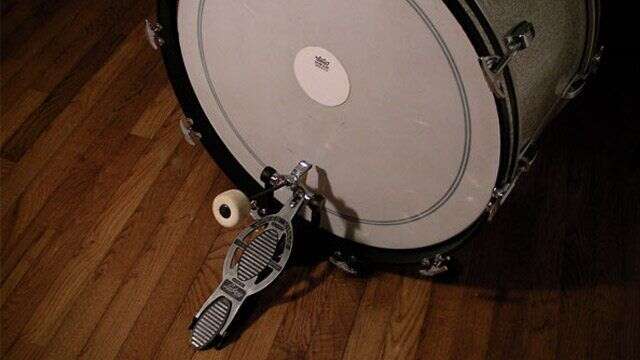
Bass drum fills use the kick drum to create low rhythmic accents. They can sound strong and powerful, especially when combined with the snare.
For example, you might play:
• Kick on beat 1
• Kick and snare together on beat 2
• Two kick notes on beat 3
• A crash on beat 4
Bass drum fills require control. Keep your foot relaxed and make sure the notes line up with the rest of the kit.
Cymbal Fills
Cymbals can add color to a fill. Crash cymbals often mark the start of a new section. China cymbals, splashes, and rides can create different effects.
Use cymbals with care. Too many loud cymbal hits can cover the vocals and make a recording sound harsh.
Linear Drum Fills
A linear fill avoids playing certain limbs at the same time. For example, the right hand, left hand, right foot, and left hand may each play separate notes.
Linear fills can sound clean and detailed. They are common in funk, R&B, fusion, and modern gospel drumming.


Simple Drum Fill Examples
You do not need advanced technique to play useful fills. Start with patterns that fit inside one beat or one bar.
One Beat Snare Fill
Count four steady notes:
-
Play one snare hit on each subdivision.
-
Keep each note the same distance apart.
-
Return to the groove on beat 1 of the next bar.
You can count this as “1 and 2 and” if you use eighth notes. The goal is to keep the pulse stable.
One Bar Rock Fill
Play the main groove for three beats. On beat 4, play four sixteenth notes on the snare. Then strike the crash cymbal with the next downbeat.
This is a classic beginner fill. It teaches timing, control, and the idea of leading into a new section.
Four Note Tom Fill
Play four notes across the last beat of a bar:
• High tom
• Middle tom
• Floor tom
• Crash on the next downbeat
Keep your hands even. Do not rush the final note.
Sixteenth Note Fill
Count “1 e and a” for each beat. Play four sixteenth notes on the snare or toms. Begin with one beat, then expand the pattern to two or four beats.
Use a metronome. Sixteenth notes can feel easy at a slow tempo but become uneven when played faster.
Groove and Fill Exercise
Try this practice plan:
-
Play a basic rock beat for three bars.
-
Play a one beat fill in the fourth bar.
-
Return to the groove without stopping.
-
Repeat the exercise for ten minutes.
-
Move the fill from the snare to the toms.
This exercise teaches the most important part of what is a fill in drumming: leaving and returning to the groove with control.

How to Create a Good Drum Fill
A strong fill usually has three parts: preparation, movement, and arrival.
Preparation means keeping the beat clear before the fill begins. Movement is the fill itself. Arrival means landing firmly on the next section, often with a crash cymbal or strong kick drum.
Use these steps to create your own fill:
-
Listen to the song.
-
Find the section change.
-
Count how much space you have.
-
Choose a simple rhythm.
-
Choose one or two drums.
-
End with a clear accent.
-
Return to the groove on time.
Start with rhythm before choosing drums. A simple rhythm played well will sound better than a complex rhythm played poorly.
You can also copy the rhythm of the melody. If the singer holds a long note, you may play a short fill underneath it. If the guitar plays three strong accents, you can answer with three drum accents.
This call-and-response idea is common in blues, jazz, funk, and gospel music. It helps the drums sound connected to the rest of the band.

How to Practice Drum Fills
Good practice makes fills feel natural. The goal is not only to memorize patterns. You must learn to place them inside real music.
Try this method:
• Practice slowly: Begin at a tempo where every note feels easy.
• Use a metronome: This exposes rushing and dragging.
• Count aloud: Counting helps you understand where each note falls.
• Practice short fills: One beat fills are easier to control.
• Practice the transition: Work on the final groove beat and the first beat after the fill.
• Use a backing track: This teaches you to hear the fill as part of a song.
• Record yourself: Listening back can reveal timing problems that feel invisible while playing.
A useful rule is to practice the fill at half speed first. If the pattern falls apart at a slow tempo, speed will not fix it. Slow practice builds control.
When I work with players who rush fills, I ask them to play the fill with only one drum. This removes extra movement and forces them to focus on time. Once the rhythm is steady, they can move it around the kit.

Common Drum Fill Mistakes
Many fill problems come from a lack of timing rather than a lack of skill. The following mistakes are common for new and experienced drummers.
Rushing the Fill
Players often speed up because fills feel exciting. The listener may hear the fill as nervous instead of powerful.
Practice with a click. Count every subdivision, and aim to keep the same pulse from the groove through the fill.
Playing Too Many Notes
More notes do not always create more energy. A fill with four clear notes may sound stronger than sixteen unclear notes.
Leave space. Silence is part of rhythm.
Losing the Main Beat
Some drummers forget where beat 1 is during a fill. This causes the band to feel unsure about the next section.
Keep counting internally. You can also tap your foot gently to maintain the pulse.
Using the Same Fill Every Time
A favorite fill can become predictable. Repeating it is not always bad, but variety helps the performance stay fresh.
Change the rhythm, drum choice, or length while keeping the musical idea simple.
Crashing Too Early
A crash cymbal usually marks the arrival of a new section. Hitting it before the section begins can blur the arrangement.
Listen to the band and place the crash with the new chord, vocal line, or downbeat.
Drum Fills in Different Music Styles
The role of a fill changes with the style of music. A fill that works in hard rock may sound out of place in a quiet folk song.
Rock
Rock fills often use snare drums, toms, crashes, and strong kick patterns. They tend to sound bold and direct.
Pop
Pop drumming often uses short, clean fills. The drummer must support the vocal and keep the production clear.
Funk
Funk fills usually focus on groove, syncopation, and space. A small ghost note pattern can be more effective than a long roll.
Jazz
Jazz fills may interact with the soloist. The drummer can use the snare, toms, cymbals, and bass drum in a conversational way.
Hip-Hop and R&B
These styles often use tight fills, sampled sounds, and short rhythmic effects. The fill must fit the pocket and avoid distracting from the beat.
Metal
Metal fills can include fast double bass, powerful toms, and complex subdivisions. Even at high speed, the drummer must keep the form clear.
Understanding style is a major part of what is a fill in drumming. The right fill is not only technically correct. It also sounds right for the song.
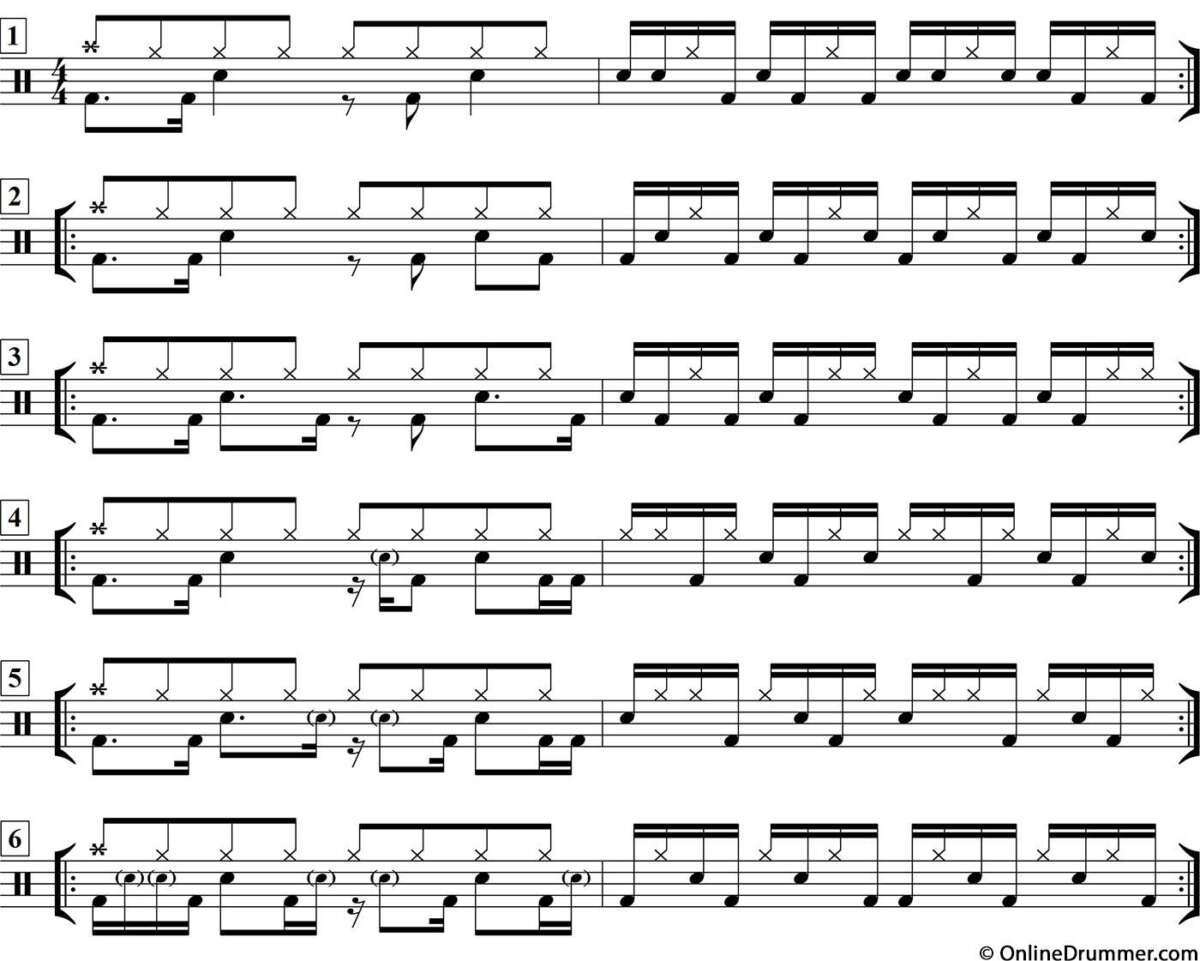
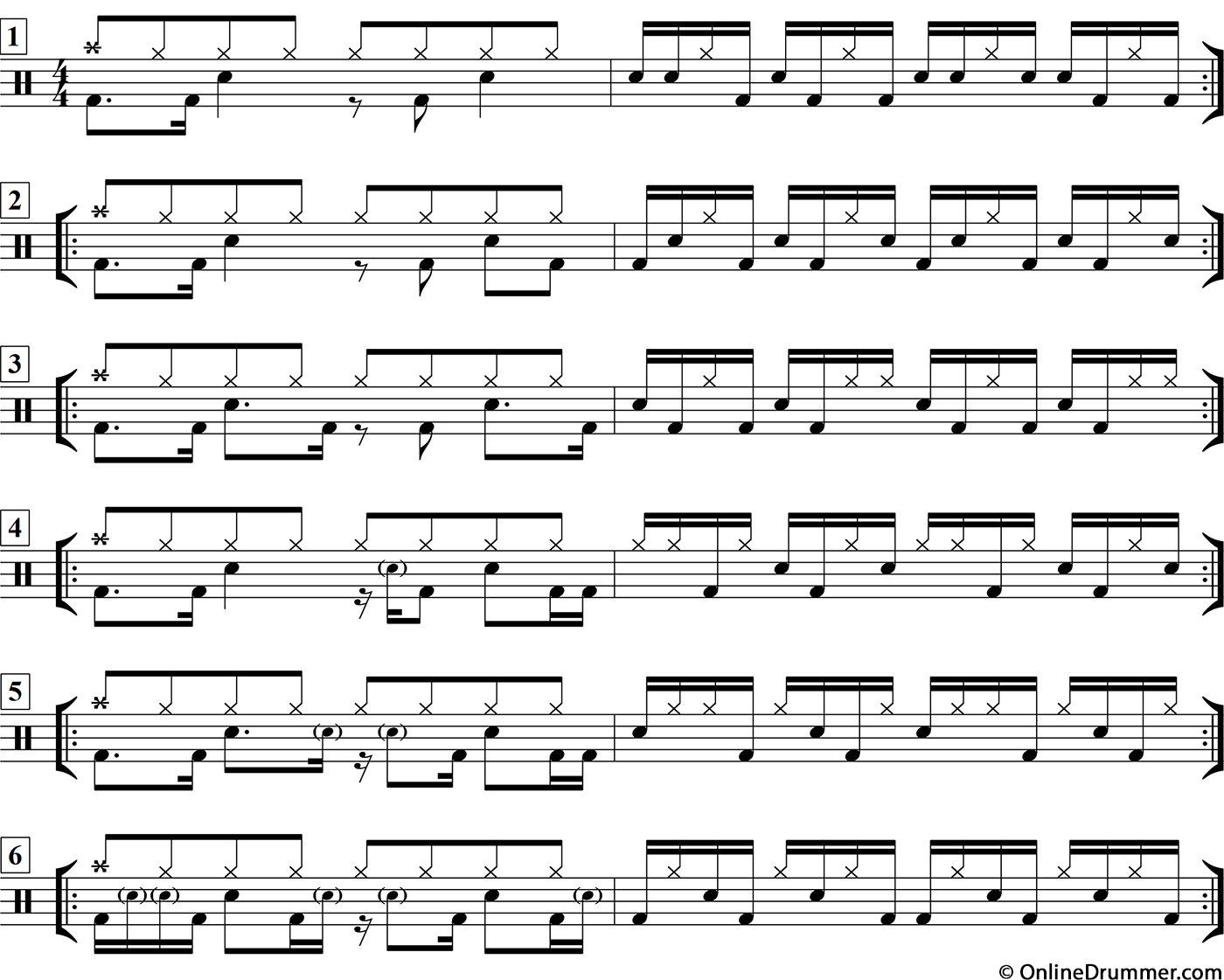
Drum Fills and Musical Notation
Drum fills can be written in standard drum notation. Each instrument appears on a different line or space of the staff. For example, the bass drum, snare, hi-hat, and toms each use their own position.
Notation shows:
• Which drum to play
• When to play it
• The note value
• Accents and dynamics
• Rests and pauses
Reading notation can help you learn fills accurately. Still, written music does not show every part of a performance. Feel, touch, sound, and timing also matter.
This is why it helps to combine sheet music with listening. Play the written pattern, then hear how it works with a groove. Many respected drum methods teach both reading and practical playing for this reason.
How Drum Fills Support a Band
A drummer is not playing alone, even during a solo moment. Every fill affects the band.
Before a fill, listen to the bass player. The bass and kick drum often work together. If your fill removes the pulse completely, the bass player may have less support.
Listen to the singer, too. Avoid placing a loud fill over an important lyric. A well-timed fill can answer a vocal phrase, but a poorly timed fill can hide it.
Band communication matters. In rehearsals, agree on the length of fills and the accents that follow them. Clear musical signals make live performances more confident.
The strongest drummers make the band feel safe. They may play fewer notes, but everyone knows where the song is going.
Frequently Asked Questions About What Is a Fill in Drumming
What is a fill in drumming?
A fill is a short rhythmic change that connects parts of a song or adds emphasis. It can use the snare, toms, bass drum, cymbals, or several drums together.
How long should a drum fill be?
Most drum fills last between half a beat and one bar. The correct length depends on the song, the arrangement, and the space available before the next section.
Do beginners need to learn drum fills?
Yes. Beginners can start with simple one beat or one bar fills. Basic fills improve timing, coordination, listening, and confidence during song transitions.
Should a drum fill end with a crash cymbal?
Not always. A crash often marks the start of a new section, but a fill may also end with a snare, tom, kick drum, or no accent at all.
Why do my drum fills sound rushed?
Fills often feel exciting, so players speed up without noticing. Practice slowly with a metronome and count the subdivisions from the groove through the fill.
Can a drum fill happen in the middle of a song section?
Yes. A fill can happen anywhere that supports the music. Drummers may use fills during vocal pauses, instrumental answers, breaks, or changes in the groove.
What is the difference between a drum fill and a drum solo?
A fill is usually short and supports a song transition. A drum solo gives the drummer a longer spotlight and may temporarily become the main musical focus.
Conclusion
A drum fill is a short rhythmic idea that adds motion, marks a change, and helps a band move from one section to another. It can be simple or complex, but timing and musical purpose matter more than the number of notes.
Start with one beat fills, use a metronome, and practice returning to the groove. Listen to the song, leave space for other musicians, and choose patterns that fit the style. Apply one new fill to a song this week, record yourself, and keep exploring trusted drum lessons and performances for fresh ideas.

Senior Music Reviewer
Alex Carter is a seasoned music reviewer with over a decade of experience in the world of sound and instruments. Passionate about helping musicians and enthusiasts make informed choices, he brings sharp insights and in-depth knowledge to every review. From classical instruments to modern gear, Alex combines technical expertise with a love for music to deliver content that resonates with readers.
As a Senior Music Reviewer and expert author on Tuneluma.com, Alex is dedicated to sharing honest evaluations, practical advice, and thoughtful commentary to guide readers in their musical journey.