How To Practice Drumming Without A Kit: Easy Silent Tips
Practice drumming without a kit using a practice pad, metronome, body percussion, and apps.
I’ve spent decades teaching and playing drums in studios and tiny apartments. I know how to practice drumming without a kit so you can build timing, control, and independence even with no full set at hand. Read on for clear steps, real tips I’ve used, practice plans, and mistakes to avoid so your skill keeps growing between gigs or before you buy a kit.
Why learn how to practice drumming without a kit
Learning how to practice drumming without a kit keeps your skills sharp. You can build timing, rudiments, and touch anywhere.
It’s also cheaper and quieter. Many pro drummers use pads and apps for daily work. I started years ago in a studio with only a practice pad and a metronome. That routine saved my hands and improved my timing fast.

Essential tools for how to practice drumming without a kit
You only need a few items to make practice effective.
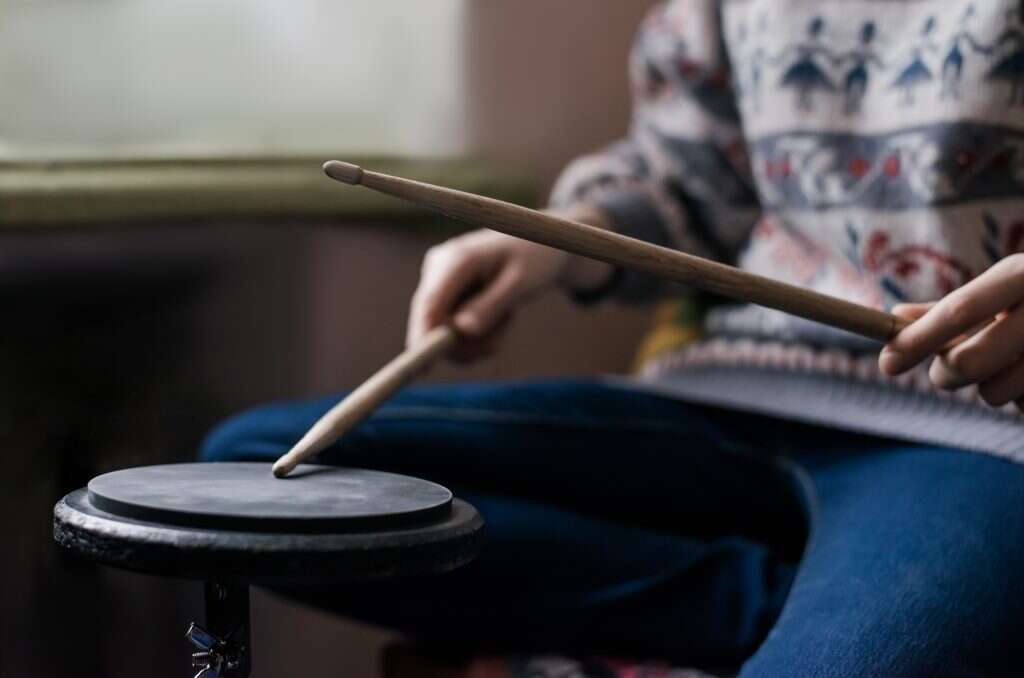
- Practice pad or muted snare substitute. A rubber pad gives real rebound and quiet practice.
- Metronome or metronome app. Consistent timing training is non-negotiable.
- Sticks with different tip sizes for feel work. Try lighter and heavier sticks.
- Laptop or phone for drumless tracks and slow-down apps. Backing tracks build groove and phrasing.
- Quiet practice items: pillows, folded towels, or a muffle cloth if you want a softer target.
Research shows routine, timed practice improves motor learning. I use a metronome and a pad for at least 20 minutes every day to stay steady.
Warm-ups and rudiments for how to practice drumming without a kit
Start with short warm-ups. Good warm-ups prevent injury and set tone.
- 3-minute wrist loosener. Play single strokes slowly at the metronome.
- 5-minute rudiments. Work paradiddles, double strokes, and flams at a controlled tempo.
- 2-minute finger control. Use fingers for stick bounce on a pad.
Practice rudiments with intent. Count out loud. Listening to the metronome helps your internal clock. I often record a 10-minute warm-up. It shows weak spots the next day.

Building timing and groove when practicing drumming without a kit
Timing is the core of drumming skill. Here’s how to sharpen it without a kit.
- Use a metronome and play to beats 2 and 4 to feel pocket.
- Practice subdivisions: quarters, eighths, triplets, and sixteenths.
- Play along with drumless tracks at different tempos. Start slow and increase by 2–5 BPM.
Change the metronome click sound or set it to click only on certain beats. This makes you hold the tempo better. I used this trick to tighten feel for studio sessions.

People also ask
Why use a metronome when I can play with music?
A metronome isolates timing and prevents relying on other players. Music is great, but a metronome builds internal clock.
Can I improve groove on a pad?
Yes. Play groove patterns, ride patterns, and pocket fills slowly and track them to a click.
Is body percussion useful for groove?
Body percussion trains timing and feel. It also builds coordination when you can’t use sticks.
Practice routines and plans for how to practice drumming without a kit
A clear plan beats random practice. Try these weekly blocks.
- Daily (20–30 minutes)
- 5 minutes warm-up
- 10 minutes rudiments to a metronome
- 10 minutes groove work with tracks
- Three times weekly (40–60 minutes)
- Add limb independence exercises
- Practice fills and musical phrasing
- Weekly review
- Record yourself and note three things to improve next week
Stick to short, focused sessions. I recommend short sessions over one long session. Progress comes from steady repetitions.

Body percussion and household substitutes for how to practice drumming without a kit
You can use your body and home items to practice dynamics and rhythm.
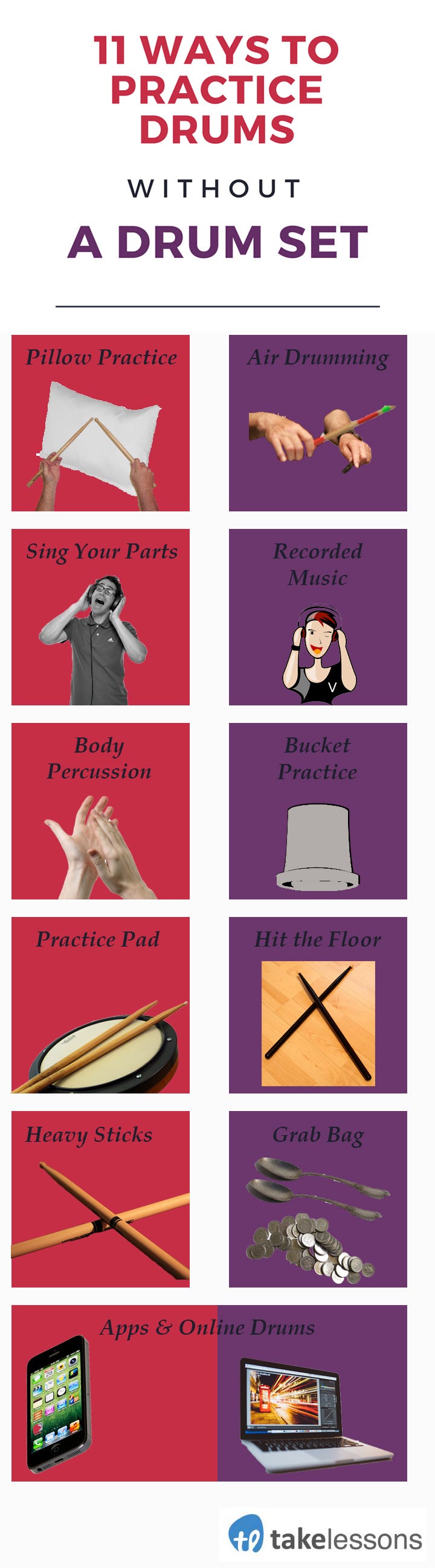
- Use palms, claps, and feet for body percussion. It links rhythm to your whole body.
- Tap books, cushions, or a wooden table for different tones. Vary volumes and textures.
- Use a pillow as a tom substitute and a coffee can for a snare-like tone.
Substitutes help with creativity and memory. I once learned a complex groove by clapping it out first. That made sitting at the kit feel easy later.
Mobility, stick control, and rebound when practicing drumming without a kit
Control is about small muscles and feel. Focus on these drills.
- Finger control drills. Bounce sticks with fingers on the pad for smooth strokes.
- Rebound drills. Let the stick rebound naturally; don’t force it down.
- Wrist and forearm balance. Switch between wrist-driven and finger-driven strokes.
Work slow and precise. Speed follows control. I slowed tempos when learning double-stroke rolls and it paid off.

Tracking progress and staying motivated while learning how to practice drumming without a kit
Measure small wins. Track them to stay motivated.
- Keep a practice log. Note tempo, exercises, and feelings each day.
- Record short clips weekly. Look for fluidity, timing, and dynamics.
- Set micro-goals. Example: “Clean paradiddle at 90 BPM by Friday.”
Celebrate steps. I reward myself with a new stick type or a new play-along after a month of steady work.
Common mistakes and how to avoid them when learning how to practice drumming without a kit
Avoid habits that stall growth.
- Skipping metronome work leads to bad timing. Use it every session.
- Playing too fast too soon causes sloppy technique. Slow down and build control.
- Ignoring posture creates pain. Sit and hold sticks properly.
Be honest about weak spots. I used to rush fills and learned to slow them to fix accuracy. That changed my fills for good.
Frequently Asked Questions of how to practice drumming without a kit
Can I learn drums without a drum kit?
Yes. You can build timing, rudiments, and coordination with a pad, metronome, and body percussion. Many pros use pad work to maintain skill.
What is the best practice pad for beginners?
A medium-rebound rubber pad is best for most players. It mimics snare response while staying quiet and affordable.
How long should I practice without a kit each day?
Aim for 20–30 focused minutes daily. Add a longer session 2–3 times a week for deeper work.
How do I practice limb independence with no kit?
Use slow limb exercises. Tap a steady foot pulse, play hand patterns on a pad, and add isolated snare rhythms gradually.
Will practicing without a kit make me worse on the real drums?
No, if you practice technique, timing, and dynamics properly you’ll transfer skills to a kit. Playing an actual kit occasionally helps with volume control and positioning.
How can I simulate cymbals when I don't have cymbals?
Use a thin book edge or a metal tray for a bright attack, and play stick-on-pad ride patterns to mimic ride phrasing.
Conclusion
You can make serious, measurable progress even when you don’t have a full drum kit. Focus on metronome work, targeted rudiments, rebound control, and consistent short sessions. Track your work, record progress, and avoid rushing tempo. Start a simple plan this week and stick with it—your chops will improve and your feel will deepen. Try one of the routines above for seven days and note the change; then share your wins or questions in the comments or subscribe for more practice plans.

Senior Music Reviewer
Alex Carter is a seasoned music reviewer with over a decade of experience in the world of sound and instruments. Passionate about helping musicians and enthusiasts make informed choices, he brings sharp insights and in-depth knowledge to every review. From classical instruments to modern gear, Alex combines technical expertise with a love for music to deliver content that resonates with readers.
As a Senior Music Reviewer and expert author on Tuneluma.com, Alex is dedicated to sharing honest evaluations, practical advice, and thoughtful commentary to guide readers in their musical journey.