Best Piano Keyboard For Kids: Top Beginner Picks
The best piano keyboard for kids combines easy play, useful lessons, safe controls, and room to grow.
Many parents know the scene: a child taps a toy keyboard for ten minutes, then asks for a “real” piano. A full acoustic piano may cost too much and take up too much space. The best piano keyboard for kids gives young players a friendly first step. It can make practice feel like play while building rhythm, note skills, and confidence. I compared key count, learning tools, sound options, size, included gear, and long-term value. These nine keyboards suit different ages, budgets, and goals, from simple toddler fun to serious beginner lessons.
RockJam RJ5061 61-Key Keyboard Kit

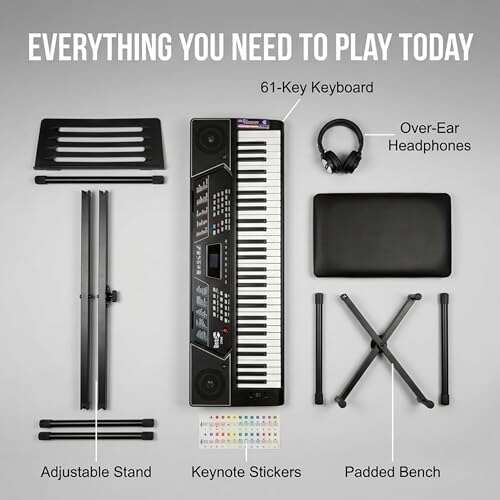
The RockJam RJ5061 is a complete starter set for a child who wants a proper keyboard setup. It includes 61 keys, a stand, a bench, and headphones, so parents do not need to shop for the main extras. The full layout gives a young player enough range to learn simple songs and basic hand positions. Its package feels more like a small home music station than a toy.
I like this model for families that want quiet practice, since the headphones help limit noise during repeat sessions. The bench and stand also help place the keyboard at a more useful playing height. A child can begin with simple melodies and later explore chords, rhythms, and different sounds. As with most entry-level keyboards, the keys are not weighted like those on an acoustic piano, so this is best viewed as a starter keyboard rather than a digital piano replacement.
Pros:
- Complete kit with stand, bench, and headphones
- 61 keys offer useful room for beginner songs
- Headphones support quiet practice
- Good choice for a dedicated home practice spot
- Suitable for children who may continue learning
- More useful long term than a very small toy keyboard
Cons:
- Full kit takes more floor space than a keyboard alone
- Keys are not weighted like acoustic piano keys
- Young children may need help setting up the stand
My Recommendation
I recommend the RJ5061 for families seeking the best piano keyboard for kids who are ready for regular practice. It suits elementary-age beginners and older children who want a bench, stand, and headphones in one purchase. The complete bundle offers strong value when a child needs a real place to sit and play. It is widely available, but check the current package contents before ordering because bundles can change.
61-Key Lighted Keyboard With Stand and Stool

This 61-key electronic keyboard focuses on guided play. Its lighted keys can show a child where to press, while the LCD and teaching modes add visual help. The set also includes headphones, an X-stand, a stool, a music rest, a microphone, and note stickers. That generous bundle makes it attractive to parents who want many ways to keep a child interested.
The light feature can make the first lessons feel like a game rather than a test. A child can follow the keys, sing into the microphone, or try songs with the built-in speakers. I would still use the lights as a guide, not as a replacement for reading notes or learning hand position. The included accessories are convenient, though younger users may need an adult to manage the stand, wires, and small add-ons.
Pros:
- Lighted keys offer clear visual guidance
- Three teaching modes support early learning
- Includes stand, stool, headphones, and music rest
- Microphone adds singing and performance play
- 61 keys provide room for simple lessons
- Note stickers can help children identify key names
Cons:
- Lighted lessons may encourage button-following over note reading
- The many accessories can create storage clutter
- Basic keys do not provide weighted piano action
My Recommendation
This keyboard is best for a visual learner who needs quick feedback and enjoys variety. It may be the best piano keyboard for kids who lose interest during plain practice because the lights, microphone, and teaching modes add energy. I would choose it for a beginner who wants to sing and play, not only study traditional piano. It delivers a lot in one box, but parents should guide the learning tools with simple, calm practice goals.
Yamaha YPT-280 61-Key Beginner Keyboard

The Yamaha YPT-280 is a strong choice for families that value a clear learning path and a trusted music brand. It has 61 keys, built-in songs, a quiz mode, a music rest, and a power adapter. The keyboard gives beginners a simple way to explore piano tones, rhythms, and song practice. Its control layout is more focused than many large accessory bundles.
Quiz mode can turn note recognition into a short challenge, which helps a child stay engaged without making every session feel like homework. The built-in songs also give beginners something musical to try from day one. I appreciate the included power adapter because it makes home setup simple. This model does not include a bench or stand, and its keys are not weighted, so parents may need to budget for a proper seat and support.
Pros:
- Yamaha design offers a dependable beginner platform
- 61 keys support a broad range of starter music
- Built-in songs make practice easier to begin
- Quiz mode encourages note and listening skills
- Includes a music rest and power adapter
- Focused controls may feel less confusing than huge bundles
Cons:
- Stand and bench usually require a separate purchase
- Keys are not weighted
- Some children may prefer more visual effects and accessories
My Recommendation
I suggest the Yamaha YPT-280 for a child whose family expects real lessons or steady self-guided practice. It may be the best piano keyboard for kids who need reliable core features instead of a microphone-heavy toy setup. Parents can pair it with a height-safe bench and a simple lesson book. The initial cost may rise with accessories, but the focused design and useful learning modes give it lasting beginner value.
BIGFUN 37-Key Toddler Piano

The BIGFUN 37-key piano is made for very young children who are just learning that pressing a key creates a sound. Its smaller layout is less intimidating than a 61-key instrument. The blue design gives it a playful look that fits a toy room or preschool space. It offers a low-pressure way to explore pitch, rhythm, and cause and effect.
This is not the model I would buy for formal piano lessons, but it can be a good first musical toy. A toddler can sit nearby and experiment without needing to understand chords or sheet music. The compact size also makes it easier to move and store after playtime. Parents should supervise young children and check the maker’s instructions for power, cleaning, and safe use.
Pros:
- Small 37-key layout suits young children
- Playful design may encourage daily exploration
- Less intimidating than a full-size keyboard
- Easy to move between rooms
- Useful for basic sound and rhythm discovery
- Good entry point before formal lessons
Cons:
- Limited key range for advanced beginner songs
- May be outgrown quickly by older children
- Not a substitute for a lesson-ready keyboard
My Recommendation
I recommend the BIGFUN for toddlers and preschoolers who need a simple, fun first instrument. It can be the best piano keyboard for kids under school age because its smaller size invites play instead of demanding skill. Choose it when your main goal is musical discovery, not long-term piano study. Families should move to a 49- or 61-key model when the child begins structured lessons or needs more range.
Casio Casiotone CT-S200 61-Key Keyboard

The Casio Casiotone CT-S200 is a portable beginner keyboard with a useful mix of learning and creative tools. It offers 61 keys, 400 tones, 77 rhythms, an LCD display, and a dance music mode. USB-MIDI support also gives older beginners a way to connect with compatible music software. The red finish adds personality without changing the keyboard’s practical design.
This is a good bridge between a toy and a serious starter instrument. A child can play piano sounds one day, try rhythms the next, and explore dance patterns when practice feels dull. The compact body is easier to carry than a large piano setup, and the included power supply helps with home use. It does not include a bench or stand, and the many sound choices may distract a child who needs a focused lesson routine.
Pros:
- 400 tones provide wide sound variety
- 77 rhythms support creative play
- Dance Music Mode adds a fun practice option
- USB-MIDI offers room for future music projects
- 61 keys work well for beginner arrangements
- Portable design suits small homes and travel
Cons:
- Bench and stand are separate purchases
- Many tones can distract from piano practice
- Keys are not weighted
My Recommendation
The CT-S200 is best for a curious child who wants to do more than play standard piano sounds. I see it as one of the best piano keyboard for kids options for creative families, older beginners, and children who may later use music apps. It offers more room to grow than a basic toy keyboard. Buy it with a stable seat, and set limits on sound exploration during lesson time.
61-Key Kids Keyboard With Teaching Mode

This 61-key kids keyboard targets beginners who want a basic electronic piano with a teaching mode. The full key count gives children enough room to try simple two-hand songs. Its design is approachable for home play and early practice. It can help a child move past a small toy keyboard without requiring a large financial step.
A teaching mode is helpful when an adult sits with the child and breaks songs into short tasks. I would use it for five- to ten-minute practice blocks, then let the child play freely. That balance keeps learning from feeling like a chore. Parents should check exactly which accessories come with the current listing, since packages and included items can vary by seller or update.
Pros:
- 61 keys give beginners useful playing space
- Teaching mode supports guided practice
- Simple format may be easy for children to approach
- Works for melody and basic two-hand exercises
- Can serve as an affordable first full-size keyboard
- Good fit for casual home music play
Cons:
- Sound and key response may feel basic
- Accessories can vary, so buyers should verify the listing
- Not ideal for advanced study or weighted-key technique
My Recommendation
I would choose this model for a budget-minded family that wants 61 keys and a teaching feature. It may be the best piano keyboard for kids who are testing interest before parents commit to a higher-priced brand. It suits casual learners and short daily sessions. If the child begins weekly lessons, consider upgrading later to a keyboard with stronger sound quality, better controls, or more established lesson support.
RockJam RJ561 61-Key Keyboard Kit
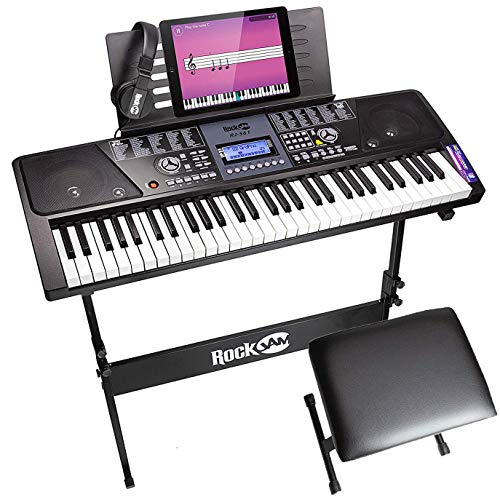
The RockJam RJ561 gives a beginner the basic parts needed for a comfortable home setup. It includes 61 keys, a stand, a stool, and headphones. That combination is useful for families that want an organized practice corner without buying each item separately. The 61-key range also leaves more room for growth than a small 32- or 37-key toy.
Headphones let a child repeat a difficult passage without filling the house with sound. The stool and stand create a more natural playing position than using a keyboard on a coffee table. I would check that the seat height works for the child and that the stand sits firmly on the floor. Like other entry-level keyboards, this model uses light, non-weighted keys rather than the resistance of an acoustic piano.
Pros:
- Includes a stand, stool, and headphones
- 61 keys suit early songs and simple exercises
- Quiet practice is easier with headphones
- Creates a tidy home practice station
- Useful upgrade from a toddler keyboard
- Good value for families needing a full bundle
Cons:
- Stand and stool require more storage room
- Non-weighted keys do not copy acoustic piano feel
- Children may need help adjusting and folding the stand
My Recommendation
The RJ561 is a practical choice for parents who want the best piano keyboard for kids with the main setup included. It is best for school-age beginners who will play at home several times a week. The bundle reduces shopping work and supports quiet practice from the start. It offers good overall value, especially when a separate stand, seat, and headphones would cost more.
RockJam RJ549 49-Key Beginner Keyboard

The RockJam RJ549 uses 49 keys to keep the keyboard smaller and easier to place in a child’s room. It includes note stickers, which can help beginners match written notes with the correct keys. The shorter layout is still large enough for many starter melodies and basic exercises. It is a sensible middle step between a toddler toy and a full 61-key keyboard.
I like 49 keys for children who have limited space or may move the instrument often. Note stickers can reduce the fear of a blank keyboard during the first weeks. However, parents should slowly remove the stickers as the child learns, since permanent visual support can slow note memory. The keyboard is better for simple beginner work than advanced two-hand pieces that need a wider range.
Pros:
- Compact 49-key design saves space
- Note stickers help early key recognition
- Easier for small children to reach across
- Light enough to move for storage
- Good stepping stone before a 61-key model
- Often suits homes with limited room
Cons:
- Less range than a 61-key keyboard
- Children may outgrow it sooner
- Note stickers should be removed during skill growth
My Recommendation
I recommend the RJ549 for a young beginner who needs a small, simple instrument. It could be the best piano keyboard for kids in an apartment, bedroom, or shared learning space. It is also useful when parents want to test a child’s interest at a lower cost. Choose a 61-key option instead if the child already takes lessons or needs to play songs across a broader range.
61-Key Electronic Keyboard With Microphone

This 61-key electronic keyboard combines beginner piano play with a microphone for singing and pretend performances. Its full beginner layout gives a child space to try melodies, chords, and simple song patterns. The microphone can make the instrument more social, especially for siblings or small family shows. It is designed for fun, low-pressure music time at home.
For some children, singing creates the spark that piano practice alone does not provide. I would let the child spend part of each session making music freely, then set aside a short period for note work. The microphone is a creative extra, not a substitute for a lesson system. Parents should confirm the current power and accessory details before purchase and supervise cable use around younger children.
Pros:
- 61 keys support a range of beginner music
- Microphone encourages singing and performance
- Good for group play with siblings or friends
- Can make practice feel more creative
- Useful for casual home entertainment
- Accessible format for first-time players
Cons:
- Microphone play may distract from piano goals
- Sound features may be basic for serious learners
- Parents should check included accessories carefully
My Recommendation
This keyboard is best for an outgoing child who loves to sing, perform, and invite others into play. It may be the best piano keyboard for kids who need a joyful reason to sit at the keys each day. I would not make it my first choice for strict classical training. For creative family use, however, it offers good entertainment value and a friendly start.
MUSTAR 61-Key Lighted Keyboard

The MUSTAR 61-key keyboard uses lighted keys to make early song practice more visual. A child can follow illuminated notes while becoming familiar with the keyboard layout. The 61-key range is large enough for basic lessons and casual playing. This approach can be appealing to children who learn well by watching and copying.
Lighted keys work best when parents pair them with simple note names, rhythm counting, and proper finger use. Otherwise, a child may memorize lights without understanding the music beneath them. I see this keyboard as a bridge into piano, not a full replacement for a teacher or structured course. Before buying, review the current listing for power, stand, headphone, and lesson details, because those items may differ between packages.
Pros:
- Lighted keys give beginners instant visual direction
- 61 keys allow room for growing skills
- Good fit for visual and game-oriented learners
- Can make song repetition more engaging
- Works for casual play and beginner practice
- More substantial than a small toddler keyboard
Cons:
- Light prompts can become a learning crutch
- Included accessories may vary by listing
- Non-weighted keys do not teach acoustic key resistance
My Recommendation
I would choose the MUSTAR for a child who needs an exciting visual cue to begin. It can be the best piano keyboard for kids who respond well to games and step-by-step prompts. Parents should slowly add note reading and ear training as the child improves. The keyboard offers appealing features for the price, but a focused learner may gain more from the simpler Yamaha design.
How to Choose the Best Piano Keyboard for Kids
Buying a child’s keyboard is not only about counting keys. The right model should match the child’s age, body size, attention span, and reason for learning. A toddler needs safe, simple exploration. An older beginner may need a full key range, a music rest, headphones, and room to grow.
Choose the Right Number of Keys
Small keyboards can work well for toddlers and casual play. A 37-key model is easy for small hands and takes little space. A 49-key keyboard gives a young beginner more room without the size of a full starter model. A 61-key keyboard is often the better long-term choice for children taking lessons.
Most beginner keyboards in this guide use standard-size, non-weighted keys. That makes them light and easy to press. It also means they do not feel like an acoustic piano. If a child plans to study classical piano for years, ask a teacher when weighted or touch-sensitive keys may become useful.
Look at Learning Features
Learning tools can help, but more is not always better. Built-in songs, quiz modes, and teaching modes can give a child a clear starting point. Lighted keys may help visual learners find notes quickly. Still, I recommend using these tools beside basic note reading rather than in place of it.
A good routine can be very short. Start with two minutes of finger warm-up. Practice one small song section for five minutes. End with free play. This plan feels like a small bridge, not a steep hill, and it can build a habit without creating stress.
Consider Headphones and Volume
Headphones are useful when a child practices in a shared home. They also help the player hear each note without turning the speaker volume too high. Choose child-friendly listening habits and keep volume at a comfortable level. The American Academy of Pediatrics advises parents to pay attention to loud sound exposure, so quiet practice should remain truly quiet.
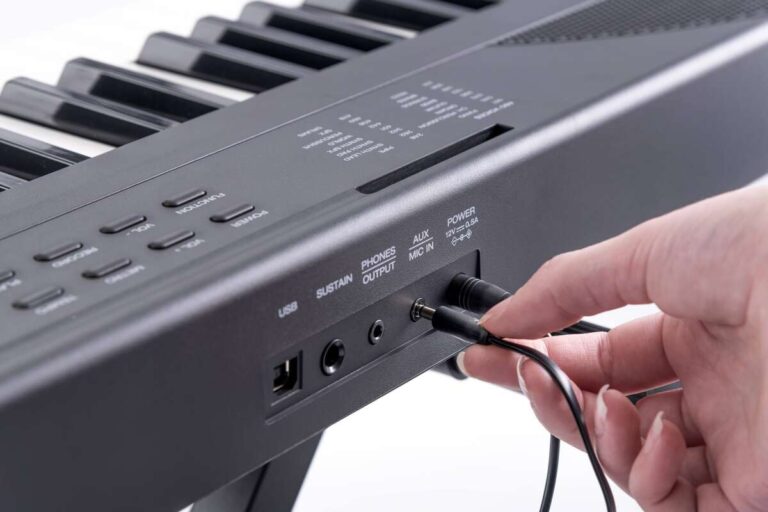
Not every keyboard includes headphones. The RockJam RJ5061 and RJ561 bundles are convenient in this area. Other models may need separate accessories. Always check the plug type and the product instructions before connecting headphones.
Check the Playing Position
A keyboard on a low table can make a child lift the shoulders or bend the wrists. A stable stand and suitable bench help the child sit with relaxed arms. Feet should have support when possible. A child does not need a costly piano throne, but the seat should not wobble or force the elbows too high.
For younger children, an adult should set up the stand and check its locks. Keep power cords out of walking paths. Store microphones and small accessories where toddlers cannot chew or pull them. Simple setup care protects both the child and the keyboard.
Think About Sound and Creativity
Many children learn through play. Extra tones, rhythms, dance modes, and microphones can keep the instrument interesting. The Casio CT-S200 stands out for sound variety and USB-MIDI potential. Microphone models suit children who enjoy singing. These features can support creativity, but they can also pull attention away from piano practice.
I suggest setting a “lesson mode” and a “fun mode.” During lesson mode, use one piano sound and one clear task. During fun mode, allow rhythm changes, singing, and sound experiments. This gives the child freedom without letting the controls take over the whole session.
Check Power Options and Room to Grow
Some portable keyboards can run on batteries, while others rely on an adapter or support both options. Battery use can help with travel, but it adds an ongoing cost and requires safe storage. For home practice, an included power adapter is often the simplest choice. The Yamaha YPT-280 listing includes a power adapter, which makes it convenient for a fixed practice area.
Also consider what happens after six months. A 37-key toy may be perfect now but too small later. A 61-key model costs more but can support a longer learning path. The best piano keyboard for kids is not always the cheapest choice; it is the one that stays useful after the first burst of excitement.
Key Features Compared
| Best for | Why |
|---|---|
| Young toddlers and preschoolers | A 37-key toy-style keyboard feels simple, light, and easy to explore. |
| Regular beginner lessons | A 61-key keyboard with a music rest and quiet practice support offers more room to grow. |
| Creative play and sound experiments | Extra tones, rhythms, lighted keys, and a microphone keep music lively. |
What Parents Should Know About Keyboard Safety
A child’s keyboard is usually low risk, but good habits still matter. Place it on a flat surface or lock the stand before play. Keep the power adapter dry and use only the recommended power source. Do not allow a young child to wrap cords around the body or pull the keyboard from a table.
Check the product age guidance before giving a keyboard to a toddler. Small accessories, stickers, microphone parts, and cables may need adult supervision. Wipe the keys with a soft, slightly damp cloth and follow the maker’s cleaning instructions. Avoid spraying cleaner directly onto the instrument.
Sound level matters too. Speakers can become loud in a small room, and children may press buttons without noticing the volume. Start at a low setting and teach the child how to reduce it. Headphones should fit well and stay at a safe, comfortable level.
How I Evaluated These Kids’ Keyboards
I looked at the features that matter after the unboxing excitement fades. Key count matters because it affects song range and future use. Learning tools matter because they can make the first weeks less confusing. I also considered setup, portability, included accessories, quiet practice, and how well each keyboard fits a child’s likely age and goal.