What Is A Kick Drum: Beginner’s Guide
A kick drum is the low, powerful drum that marks the beat and gives music its physical pulse.
To understand what is a kick drum, think of the sound you feel in your chest at a concert or hear at the start of a dance track. This drum combines a deep low end, a sharp attack, and careful tuning to anchor rock, pop, hip-hop, jazz, electronic music, and many other styles. In this guide, you will learn how a kick drum works, where it sits in a mix, how to record and tune it, and how to avoid common mistakes.
What Is a Kick Drum?
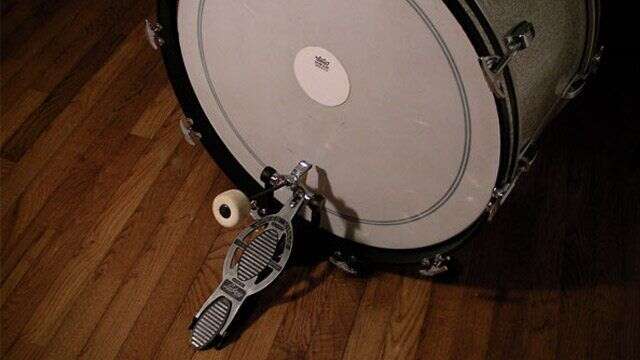
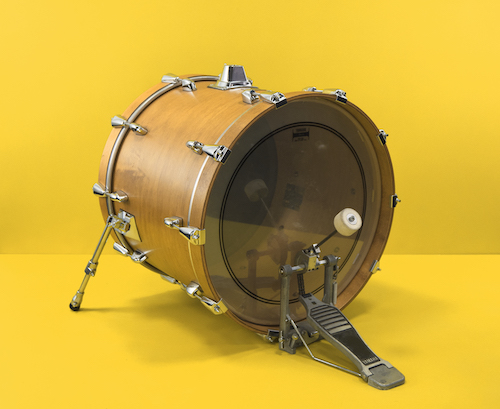
A kick drum is a large drum played with a foot pedal. It is also called a bass drum, especially in a drum kit. The player presses the pedal, which sends a beater into the drumhead and creates a deep, short sound.
The kick drum usually plays the main pulse of a song. In common time, it may land on beats one and three. In dance music, it may play on every quarter note. In rock, it often works with the bass guitar to create a strong rhythmic foundation.
A kick drum has three main sound parts:
• Attack: The short click or beater sound at the start.
• Body: The full, deep tone that gives the drum weight.
• Decay: The part of the sound that fades after the hit.
These parts work like a spoken word. The attack helps you understand when the sound starts. The body gives it meaning. The decay tells you how long the sound lasts.
A typical acoustic kick drum has a wooden or metal shell, two drumheads, tension rods, hoops, and a pedal. Many modern drums also use damping materials, such as small pillows or foam, to control unwanted ring.
An electronic kick drum is different. It may come from a sample, a synthesizer, or a drum machine. Even so, it serves the same musical purpose: creating a strong low-frequency pulse.
How a Kick Drum Produces Sound
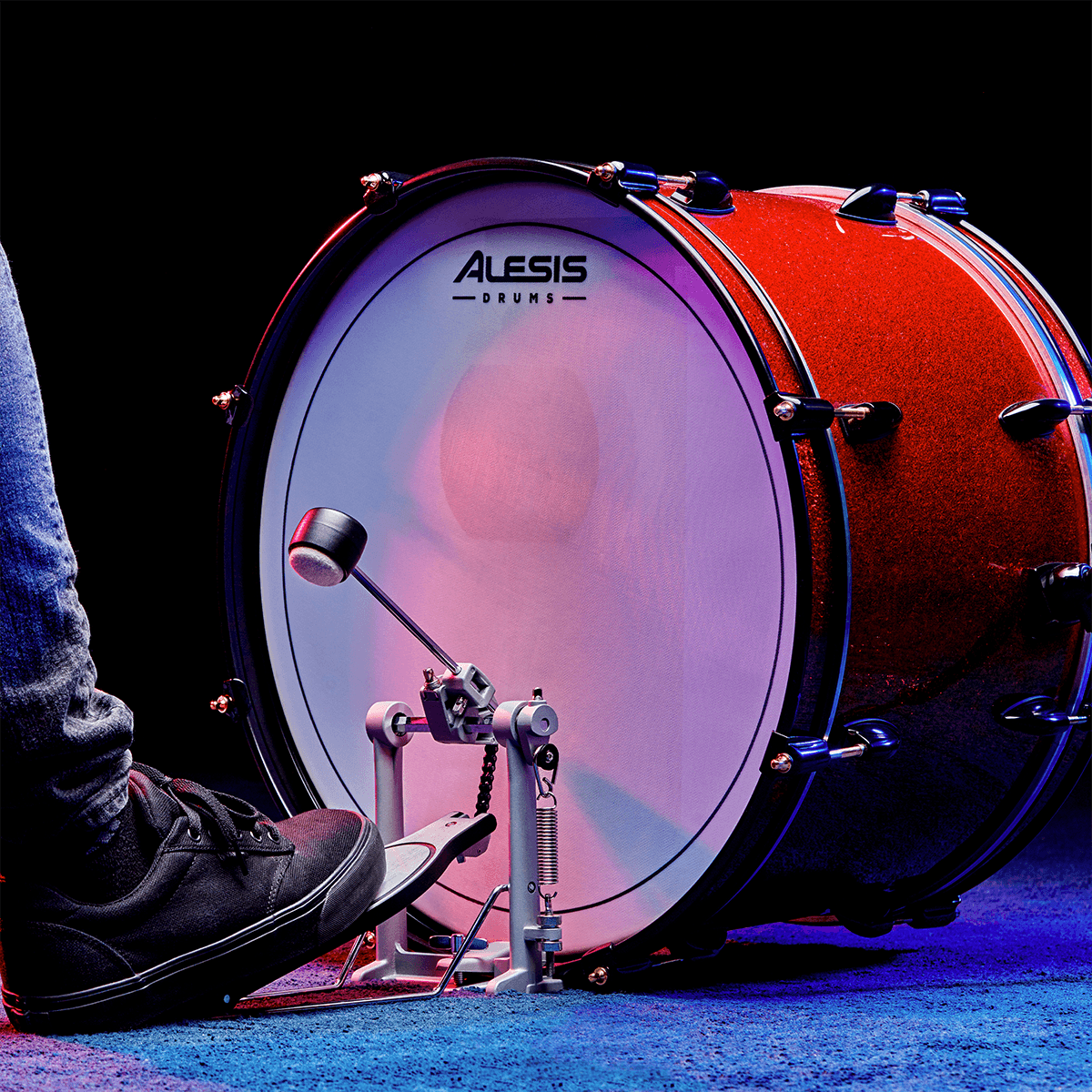
When the beater strikes the front drumhead, the head vibrates. That vibration moves air inside the shell and causes the second head to vibrate as well. The shell helps shape the tone, while the heads control much of the pitch and response.
The size of the shell affects the sound. A larger shell often creates a deeper tone with more low-end weight. A smaller shell can sound tighter, faster, and more focused.


The drumhead also changes the result. A thin head may offer more open tone and sensitivity. A thicker or coated head may produce more control and a stronger attack.
The kick drum is not tuned to one exact musical note in every situation. Its main pitch can be shaped by the shell, heads, tension, damping, and playing force. Many engineers tune the kick drum near the key of a song, but this is a creative choice rather than a strict rule.
Important sound factors include:
• Resonance: The natural ring and sustain of the drum.
• Fundamental frequency: The main low pitch that the ear hears.
• Harmonics: Higher tones that add color and definition.
• Transient: The first, sharp part of the hit.
• Sustain: How long the sound continues after the attack.
A kick drum may sound deep when played alone but disappear when other instruments enter. This happens because the bass guitar, synth bass, and kick drum often share the same low-frequency range.
The Role of the Kick Drum in Music
The kick drum gives a song movement. It tells the listener where the beat sits and helps musicians stay connected during a performance.
In rock music, the kick drum often supports the bass guitar and follows the main guitar rhythm. A drummer may use it on beats one and three, then add extra hits to create energy before a chorus.
In pop music, the kick drum is often clean, controlled, and easy to recognize. Producers may layer an acoustic kick with a sampled kick to create both natural character and modern power.
In hip-hop, the kick drum can be thick and heavy. Some tracks use a long, booming kick, while others use a short kick with strong attack. The choice depends on the style, tempo, and relationship with the bass.
In electronic dance music, the kick drum is often the central sound. A four-on-the-floor pattern places a kick on every beat. This repeated pulse makes the music feel steady and encourages physical movement.


In jazz, the kick drum may be softer and more dynamic. The drummer can use it to support the walking bass line without overpowering the rest of the group.
A good kick drum pattern does more than mark time. It can:
• Create tension before a section changes.
• Make a chorus feel larger.
• Support a dance groove.
• Connect with the bass line.
• Give a drummer or producer room for expression.
The best kick drum sound is not always the loudest one. It is the one that supports the song without taking attention away from the vocal, melody, or groove.

Kick Drum Parts and Types
A standard acoustic kick drum includes several important parts.
Drum Shell
The shell is the round body of the drum. Common shell materials include maple, birch, oak, mahogany, and metal. Each material can affect warmth, attack, resonance, and projection.
Drumheads
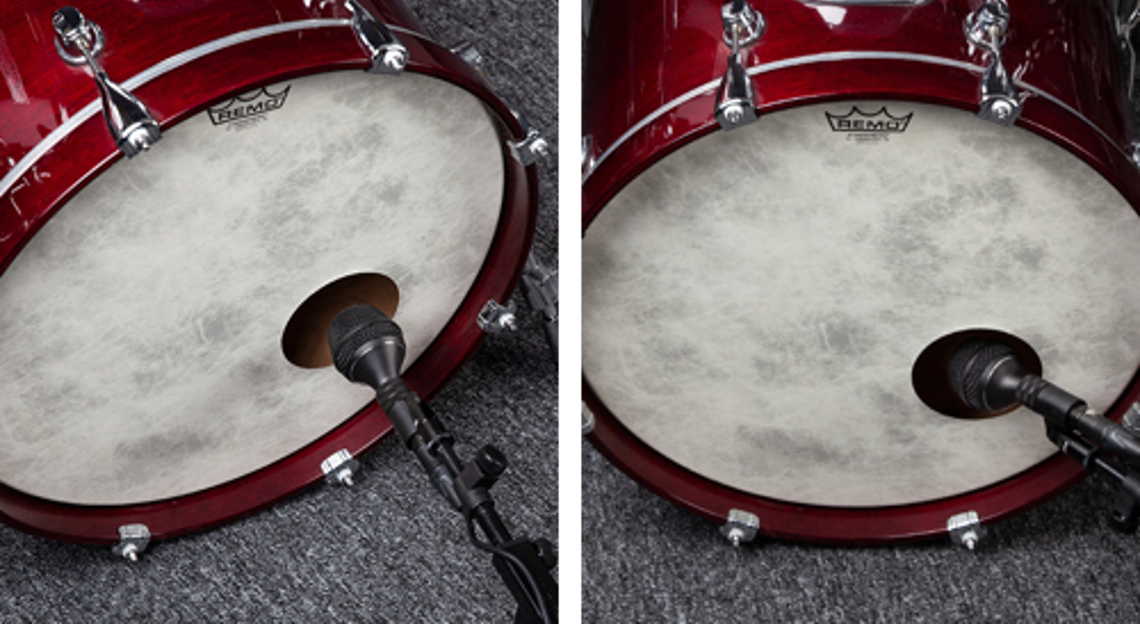
The batter head is the head struck by the beater. The resonant head faces the audience or front of the drum. Some resonant heads include a small port, which allows easier microphone placement and reduces sustain.
Hoops and Tension Rods
The hoops hold the drumheads in place. Tension rods allow the drummer to tune each head. Even tension around the head helps the kick drum produce a balanced tone.
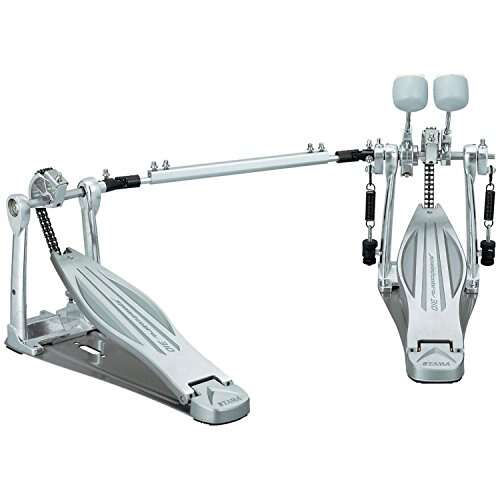
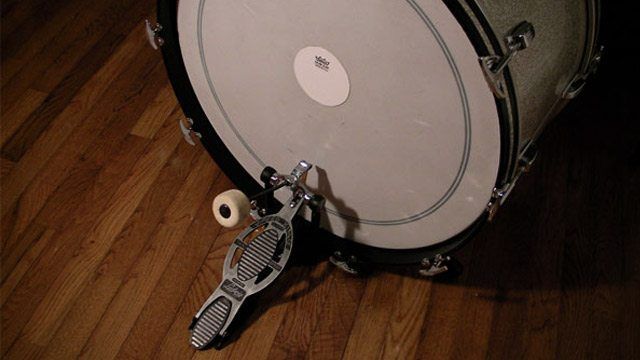
Kick Pedal
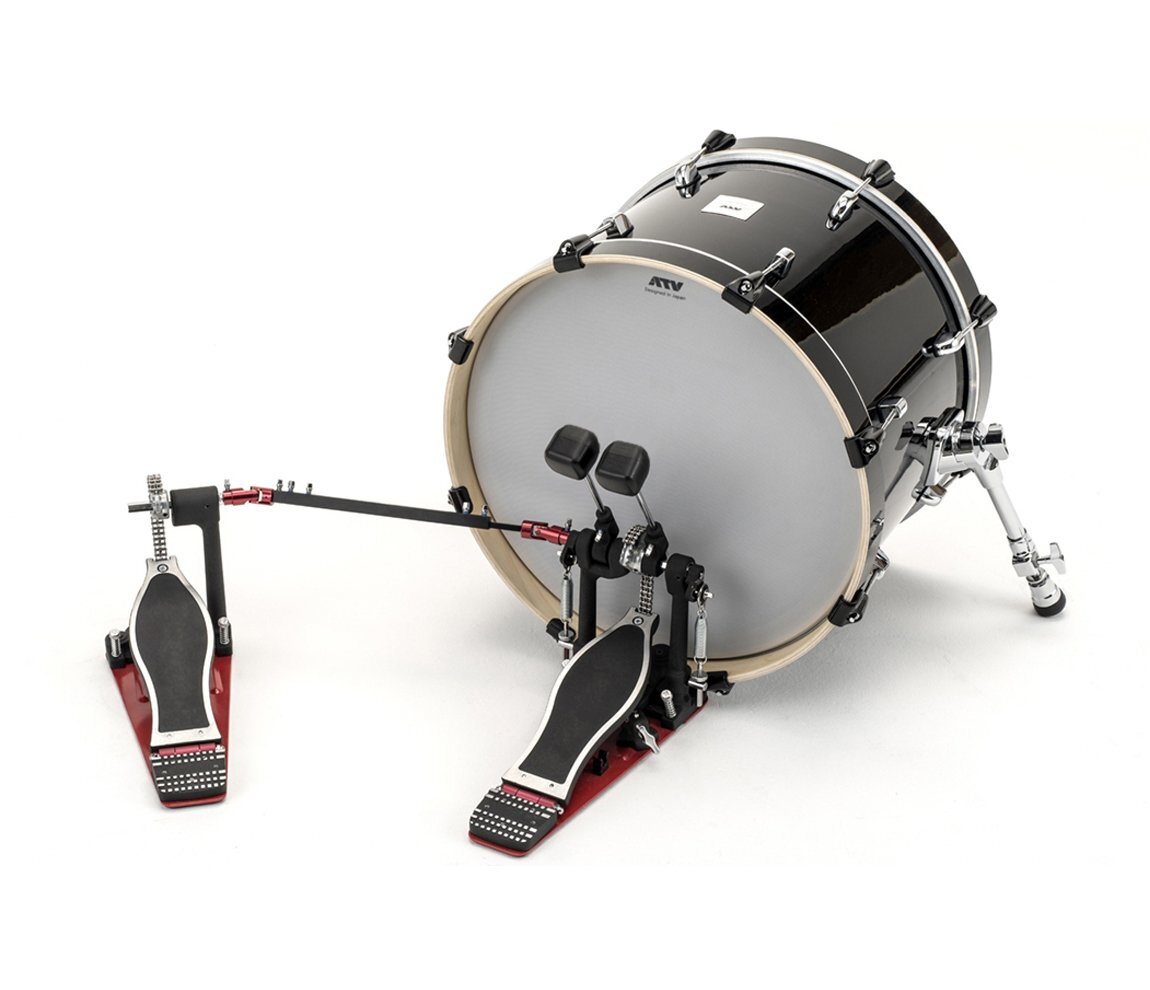
The pedal controls the beater. Single pedals use one beater, while double pedals allow faster two-foot patterns. Beater materials can change the attack:
• Felt beaters create a softer and rounder sound.


• Plastic beaters create more click and brightness.
• Wood beaters create a hard, sharp attack.
Damping
Damping reduces extra ring and sustain. A small amount can make the kick drum focused. Too much can make it lifeless and weak.
Kick drums also come in many sizes. A 20-inch drum often offers a balanced sound for many styles. A 22-inch drum gives a broad, powerful tone. A 24-inch drum can sound deep and dramatic but may need more control in a small room.
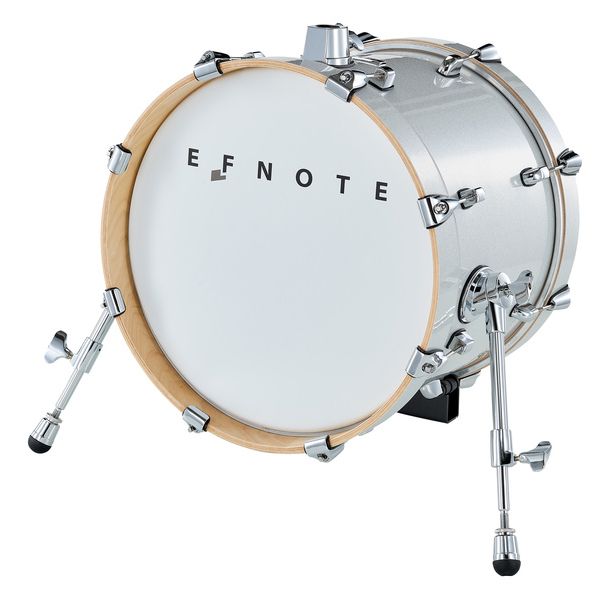
Acoustic and Electronic Kick Drums
An acoustic kick drum creates sound through physical vibration. Its tone changes with the room, shell, heads, pedal, tuning, and player. This natural variation is one reason acoustic drums feel lively.
An electronic kick drum may use a recorded sample or a synthesized waveform. A producer can change its pitch, length, attack, and volume with great precision.
Both types have strengths and limits.
Acoustic Kick Drum Benefits
• It responds naturally to changes in playing force.
• It adds human feel to a performance.
• Its tone can blend well with live instruments.
• It offers many colors through tuning and microphone choice.
Electronic Kick Drum Benefits
• It provides consistent hits.
• It is easy to edit and replace.
• It works well in modern production.


• Its pitch and length can be changed quickly.
An electronic kick drum can sound too clean if every hit has the same volume and timing. An acoustic kick drum can sound uneven if the player, room, or tuning is not controlled.
Many producers combine both approaches. They may keep the live kick for character and add a sample for consistency. This method works well, but the layers must be aligned. If their attacks are slightly apart, the result may sound soft or hollow instead of powerful.

Kick Drum Frequency and Tone
The kick drum often occupies the low and low-mid parts of the frequency spectrum. Its deepest energy may sit around 40 to 80 Hz, while its attack and clarity may appear between 1 kHz and 5 kHz. These ranges vary by drum, tuning, microphone, and playing style.
A low frequency is not automatically better. Very deep energy can use a lot of headroom and may make a mix feel muddy. A kick drum with a strong midrange attack can feel powerful even without extreme sub-bass.
Common tone choices include:
• Deep and round: Useful for hip-hop, pop, and cinematic music.
• Short and tight: Useful for funk, rock, and fast music.
• Clicky and bright: Useful when the kick must cut through dense guitars or synths.
• Boomy and long: Useful for certain electronic and dramatic styles, but it needs careful control.
The bass guitar and kick drum must share space. One practical method is to let the kick lead in one low-frequency area and the bass lead in another. For example, the kick may have more focus near 60 Hz, while the bass is clearer around 90 Hz. The exact choice depends on the instruments and the song key.
Do not boost every low frequency you hear. First, reduce muddiness, check the phase, and listen at a moderate volume. A kick drum that sounds impressive alone may damage the whole mix.
How to Tune a Kick Drum
Tuning a kick drum does not require perfect pitch, but it does require balance. The batter head and resonant head should work together rather than fight each other.
Start by loosening the head and checking that it sits evenly on the shell. Tighten each tension rod in small, opposite steps. Tap near each rod and listen for similar pitch and response.
A practical tuning process is:
-
Remove excessive wrinkles from the head.
-
Tune each tension rod evenly.
-
Test the batter head for attack and rebound.
-
Adjust the resonant head for tone and sustain.
-
Add only a small amount of damping.
-
Play the drum with the same pedal and beater used in performance.
A batter head that is too loose may sound flat and unstable. A head that is too tight may sound high, thin, or less powerful. The best setting depends on the shell size and the music.
Many drummers tune the kick drum low, but low tuning alone does not create a good sound. A focused, controlled tone often works better than a very low tone with long, unclear decay.
One lesson experienced drummers often learn is to tune by listening from the audience position. The sound behind the kit can differ greatly from the sound in front of it. Ask another person to play while you listen several feet away.
How to Record a Kick Drum
Recording a kick drum begins with the room and the drum itself. Microphones cannot repair a poorly tuned drum or excessive room noise.
Place the microphone near the resonant head port for a focused and direct tone. Moving it closer to the beater area can increase attack. Moving it farther away can capture more body and room sound.
Common microphone choices include:
• Dynamic microphones for high sound pressure and strong attack.
• Large-diaphragm microphones for deeper low end.
• Boundary microphones for a compact, modern sound.
Use headphones to find the best position. Small changes can make a large difference. A few inches may change the balance between beater click, body, and room tone.
Record at a healthy level without clipping. Leave enough space for hard hits, since kick drum peaks can be stronger than expected.
A simple recording chain may include:
-
Tune and damp the drum.
-
Place one microphone inside or near the port.
-
Add a second microphone outside if more body is needed.
-
Check phase when using two microphones.
-
Record several test hits.
-
Listen in the full mix before making final decisions.
A common mistake is adding heavy equalization before hearing the kick with the bass. It is often better to choose a stronger microphone position first, then use light processing.
Mixing a Kick Drum
Mixing a kick drum means helping it fit with the bass, snare, vocals, and other instruments. Start with volume and balance before reaching for plug-ins.
Equalization can shape the sound:
• A gentle boost in the low range can add weight.
• A cut in the low-mid range can reduce mud.
• A small boost in the upper mids can add beater definition.
Compression can control changes in level and make the kick feel more even. Too much compression may remove its natural punch.
Transient shaping can increase or reduce the attack. Saturation can add harmonics, which helps the kick remain audible on small speakers. High-pass filtering is rarely used aggressively on the kick itself, because it can remove useful depth, but a gentle filter may remove unwanted rumble.
Sidechain compression can lower the bass briefly when the kick hits. This creates space for the kick and is common in electronic music. It should support the groove, not create an obvious pumping effect unless that sound is intentional.
Check the mix on more than one system:
• Studio monitors reveal low-end balance.
• Headphones reveal clicks, distortion, and phase problems.
• Small speakers show whether the attack remains clear.
• A car system can reveal excessive bass energy.
A strong kick drum should translate well. If it only sounds good on a large subwoofer, the mix may rely too heavily on deep bass.
Common Kick Drum Problems
Even a high-quality kick drum can cause problems when it does not suit the arrangement.
The Kick Sounds Boomy
This usually comes from excessive sustain, room buildup, or too much low-end energy. Try reducing damping, changing the microphone position, or cutting a narrow problem frequency.
The Kick Sounds Weak
A weak kick may have too little attack or may be masked by the bass. Try a firmer beater, a different head tension, or a small boost in the attack range.
The Kick Sounds Clicky
Too much beater noise can make the drum feel harsh. Move the microphone away from the beater area, reduce upper-mid frequencies, or use a softer beater.
The Kick and Bass Fight
Choose which instrument leads at the lowest frequency. Then use arrangement, equalization, sidechain control, or note selection to create space.
Layered Kicks Sound Hollow
This often results from phase or timing differences. Align the attacks, check polarity, and remove layers that do not add a clear benefit.
The Kick Changes Too Much Between Hits
Uneven playing, inconsistent pedal technique, or excessive room sound may cause this issue. Improve the performance before relying on editing or compression.
The most useful habit is to solve problems at the source. A well-tuned drum in a suitable room needs less processing and usually sounds more natural.
Kick Drum Techniques for Players
A drummer can change the kick drum sound through foot position, beater angle, stroke size, and dynamics.
Burying the beater means leaving it against the drumhead after the hit. This can create a short, controlled note. Releasing the beater allows the head to vibrate more and produces a longer sound.
Neither approach is always correct. A short note may suit a fast rock part. A more open note may suit jazz or a slower groove.
Practice these basic exercises:
-
Play slow quarter notes with equal volume.
-
Alternate soft and loud hits.
-
Practice eighth notes with a metronome.
-
Play simple patterns with the snare drum.
-
Record yourself and listen for timing changes.
Good kick drum technique comes from controlled motion rather than force. Pushing harder does not always create more power. A clean stroke, correct beater contact, and steady timing often produce a larger sound.
The kick drum should also support the groove. A drummer who plays every hit loudly can make a song feel stiff. Dynamic control gives the music room to breathe.
Frequently Asked Questions About What Is a Kick Drum
Is a kick drum the same as a bass drum?
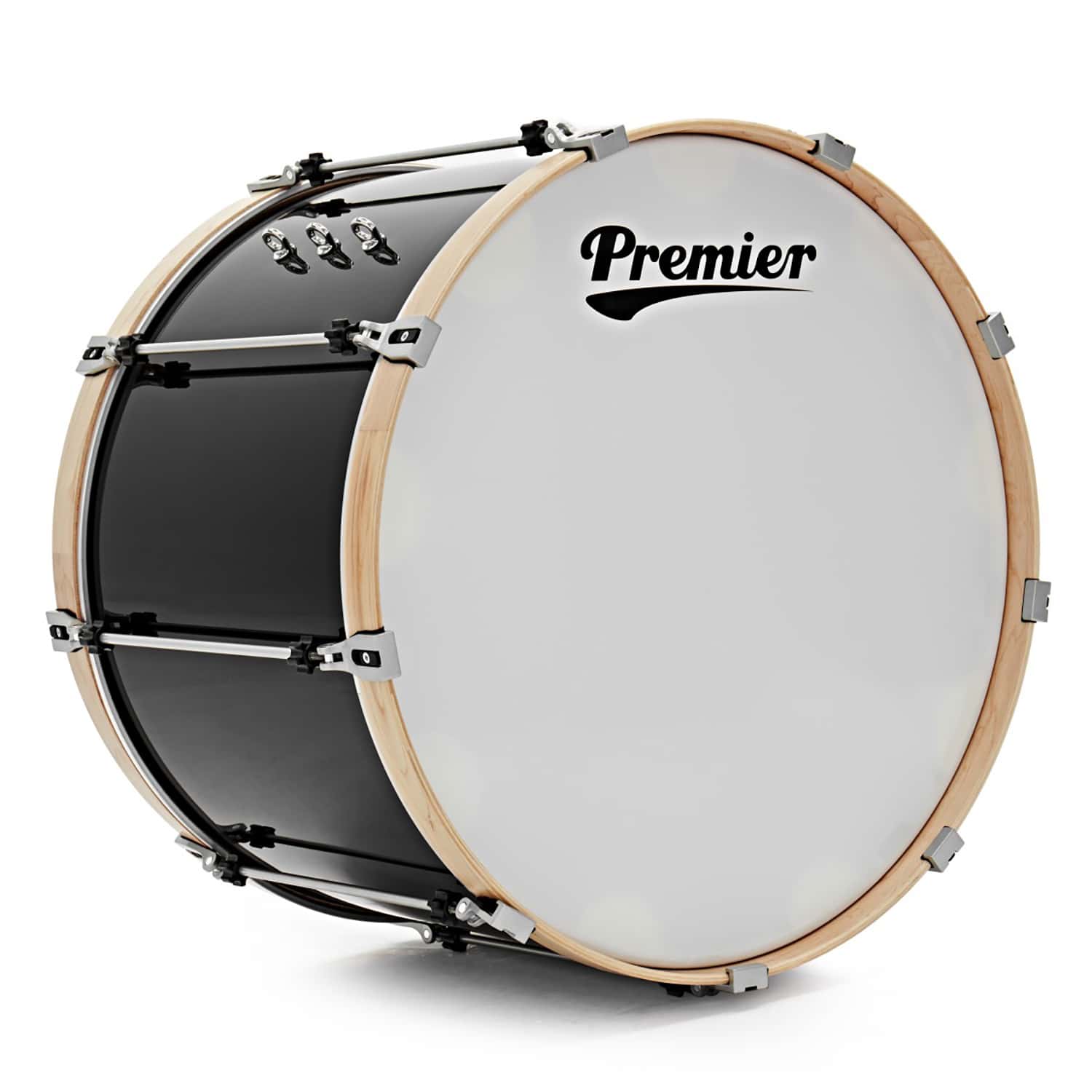
In a standard drum kit, the terms usually refer to the same instrument. “Kick drum” highlights the foot pedal, while “bass drum” can also describe large drums used in marching bands, orchestras, and concert music.
Why is it called a kick drum?
It is called a kick drum because the player operates it with a foot pedal. The pedal moves a beater that strikes the drumhead and creates the sound.
What size kick drum should a beginner buy?
A 20-inch or 22-inch kick drum is a flexible choice for many beginners. The best size depends on the music, available space, desired tone, and full drum kit.
What frequency is a kick drum?
Many kick drums have strong energy somewhere between 40 and 80 Hz, with attack often appearing between 1 kHz and 5 kHz. The exact frequency changes with tuning, shell size, microphone placement, and playing style.
How do you make a kick drum sound deeper?
Tune the drum carefully, choose suitable heads, reduce harsh damping, and use a microphone position that captures body. In a mix, controlled low-frequency equalization can add depth, but excessive bass may create mud.
Should the kick drum match the key of the song?
It can help, especially in electronic music, but it is not a fixed rule. A kick drum should first fit the groove, arrangement, and bass line; pitch matching is a useful option rather than a requirement.
Why does my kick drum sound muddy?
Mud often comes from too much low-mid energy, long sustain, room resonance, or conflict with the bass guitar. Try adjusting the tuning and damping before using heavy equalization.
[CodeImg not added per instruction]
Conclusion
A kick drum is the heartbeat of a drum kit and one of the most important sounds in modern music. It creates the main pulse, supports the bass, shapes the groove, and gives a track physical energy.
Its sound depends on the shell, heads, tuning, beater, player, room, microphone, and mix. The strongest results usually come from simple choices: tune the drum well, control its sustain, leave space for the bass, and listen in the full song.
Try recording or programming several kick drum sounds with different lengths, pitches, and attacks. Compare them in a complete mix, not only in solo mode. Keep learning through careful listening, and explore more drum recording and production resources to build your own sound.

Senior Music Reviewer
Alex Carter is a seasoned music reviewer with over a decade of experience in the world of sound and instruments. Passionate about helping musicians and enthusiasts make informed choices, he brings sharp insights and in-depth knowledge to every review. From classical instruments to modern gear, Alex combines technical expertise with a love for music to deliver content that resonates with readers.
As a Senior Music Reviewer and expert author on Tuneluma.com, Alex is dedicated to sharing honest evaluations, practical advice, and thoughtful commentary to guide readers in their musical journey.