When Was The First Drum Invented: Origins And Timeline
The earliest drums likely existed by at least 6,000–7,000 years ago, based on archaeological and ethnographic evidence.
I’ve researched ancient music and built replica instruments for years, so I’ll walk you through when was the first drum invented with clear evidence, common myths, and practical context. This article explains archaeological finds, dating methods, cultural roles, and why pinning an exact invention date is tricky. Read on to learn the timeline, see real examples, and get actionable tips for exploring early percussion yourself.
Early evidence: archaeology and anthropology
Archaeology gives the strongest clues about when was the first drum invented. Organic drum parts decay fast. Solid finds are rare and often indirect. Still, artifacts, rock art, and burial goods from several regions point to percussion instruments thousands of years old.
Researchers combine physical remains with iconography. Cave paintings, carved figures, and pottery scenes sometimes show people beating objects that look like drums. Ethnographic comparisons help interpret these images and connect them to living traditions.
Prehistoric drums: materials and construction
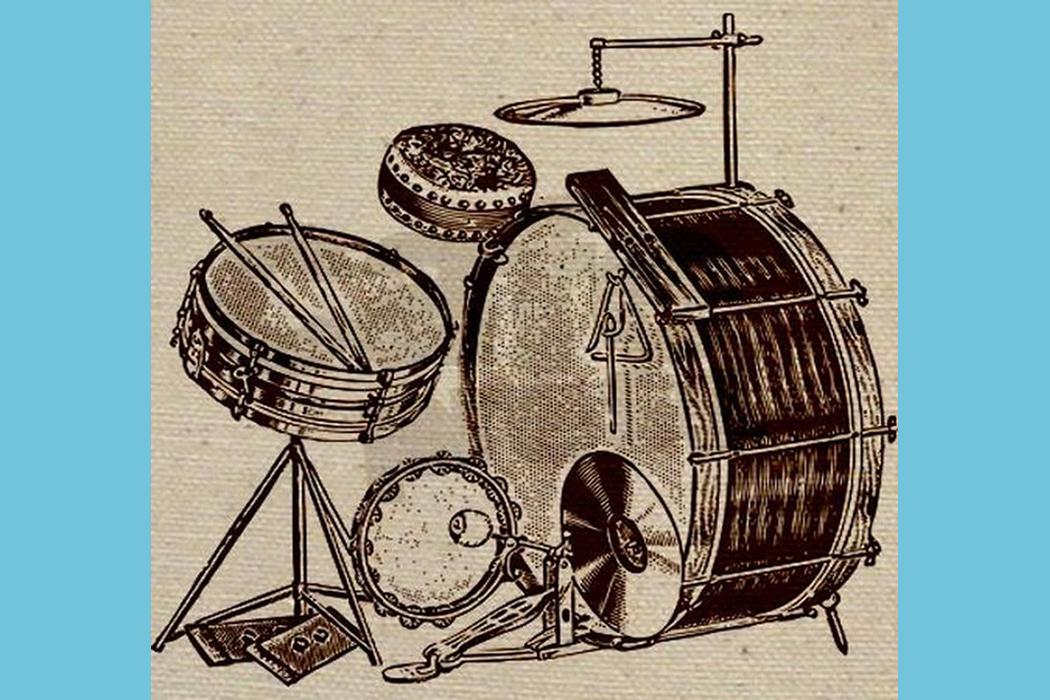
Early drums used simple, available materials. Craftspeople used wood, hollowed logs, gourds, pottery bodies, and animal skins or stretched plant fibers for heads. Simple single-skin frame drums were easy to make and common.
Construction left few traces. Stone or clay bodies survive best. Where wood or skin parts are preserved, they give direct proof. In many cases, archaeologists infer drum use from wear patterns, tool marks, or associated items like beaters.
When was the first drum invented? Timeline and key finds
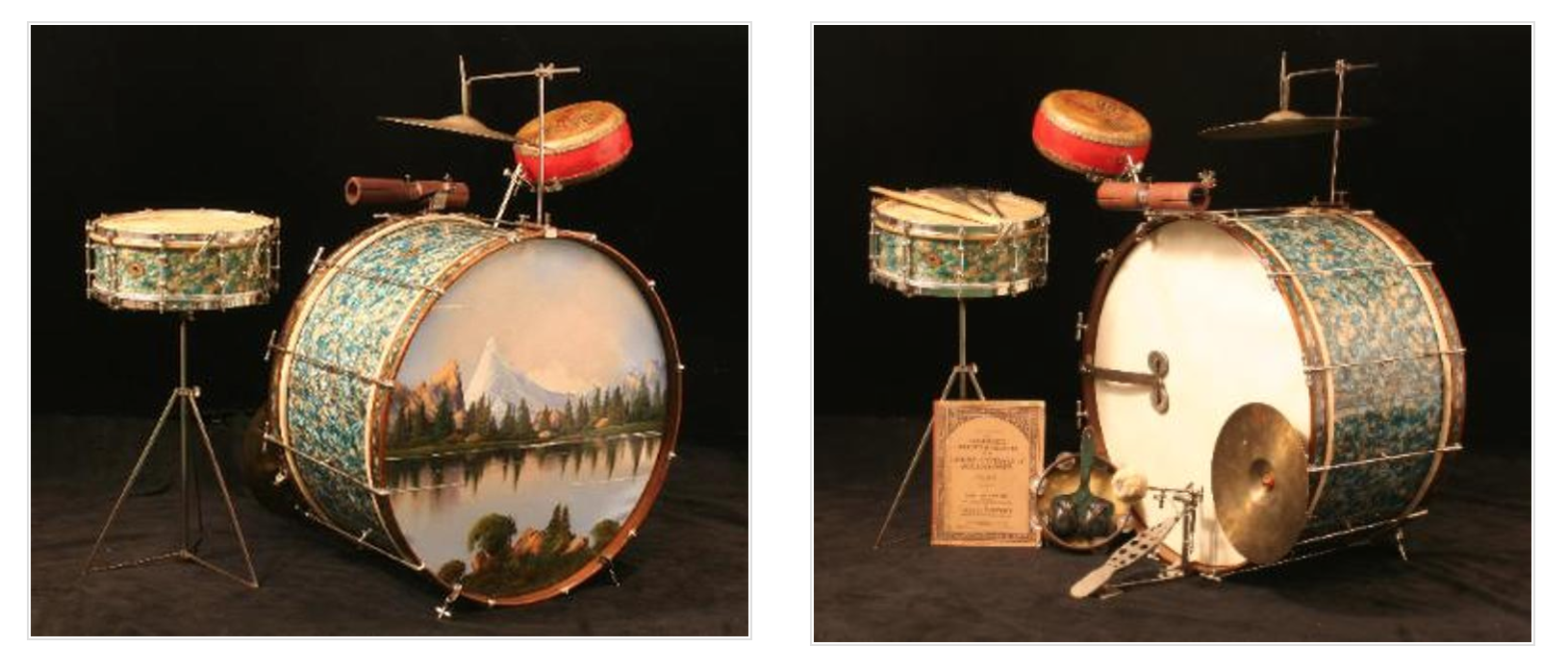
Dating when was the first drum invented requires assembling many local stories. Below is a conservative timeline based on multiple lines of evidence.
- 7000–4000 BCE
- Neolithic communities in parts of Asia, Africa, and Europe show signs of percussion. Pottery vessels and carved objects suggest membranophones were used socially and ritually.
- 4000–2000 BCE
- Tomb paintings and reliefs in the Near East and Egypt depict drum-like instruments and players.
- 2000 BCE–1 CE
- More direct iconography and surviving frames appear in Asia and Africa. Metalwork and textiles sometimes illustrate drum use.
- 1st–2nd millennium CE
- Surviving wooden instruments and well-documented traditions show regional drum types becoming distinct and specialized.
This timeline shows that pinpointing a single invention date isn’t realistic. Instead, drums appeared independently in multiple places. That answers the question of when was the first drum invented with nuance: early drums evolved in parallel across human societies.
Cultural roles and uses
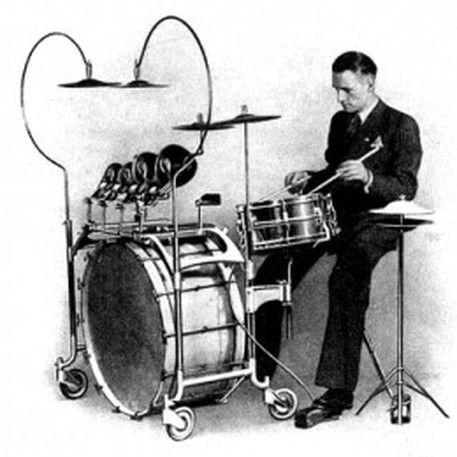
Drums shaped social life. People used drums to:
- Mark rituals and ceremonies.
- Send messages across distances.
- Accompany dance and storytelling.
- Signal work rhythms and communal tasks.
Because drums were versatile and portable, they fit many cultural needs. That helped drums spread and diversify quickly, making them central in many musical systems.
Limitations and gaps in the record
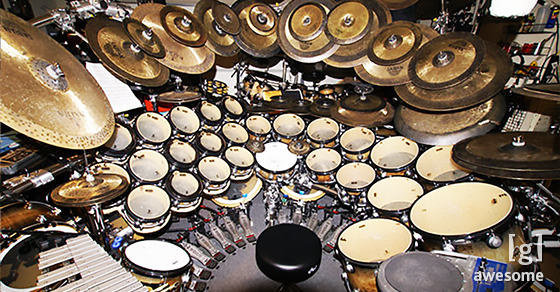
There are clear limits when asking when was the first drum invented. Organic parts rot. Early drums were often simple and left little archaeological trace. Interpretations can be subjective when based on images or decorative motifs.
Dating methods sometimes give wide ranges. Cultural continuity and reuse of materials complicate timelines. Good evidence exists, but gaps remain. Transparency about uncertainty keeps claims trustworthy.

How we date early drums
Experts use several methods to determine when was the first drum invented in any context:
- Radiocarbon dating of organic remnants like skin or wood.
- Stratigraphic context of finds within sediment layers.
- Iconographic dating using reliably dated art and inscriptions.
- Experimental archaeology to test if artifacts could have functioned as drums.
Combining methods strengthens conclusions. When multiple lines converge, confidence grows.
My experience exploring ancient percussion
I’ve built replica frame drums and tested construction techniques from published finds. Making replicas teaches you what materials leave marks that survive archaeologically. A key lesson is that simple drums can be very durable in cultural memory even if the physical object doesn’t last.
If you want to explore, start with a small frame drum. Use locally available wood and rawhide. Test sounds and wear. This hands-on approach clarifies why certain forms persisted for millennia.
Quick questions people ask (PAA-style)
Were drums invented in one place or many places?
Drums emerged independently in many places. Similar needs and materials led to parallel inventions across regions.
Can we find the very first drum bone or skin?
Direct remains are rare because skin and thin wood decay. Surviving evidence is usually fragments or durable bodies like clay or stone.
How reliable are images of ancient drums?
Images are helpful but need context. Art can be symbolic, so archaeologists cross-check with physical finds and ethnography.
Frequently Asked Questions of when was the first drum invented
When exactly was the first drum invented?
We cannot give a single exact date. Evidence suggests drums existed by at least 6,000–7,000 years ago, with likely independent origins much earlier in many regions.
What regions show the earliest drum evidence?
Archaeological and iconographic evidence points to early percussion in parts of Asia, Africa, and the Near East, with informal traces across Europe and the Americas.
Why don’t we have older drums preserved?
Most early drums used organic materials that decompose. Conditions that preserve skin or wood are uncommon, so older drums rarely survive intact.
How do archaeologists decide if an artifact was a drum?
They look for physical signs like wear patterns, holes for lacing, shape suitable for a membrane, and supportive iconography or context that suggests musical use.
Can modern drum traditions trace directly to ancient drums?
Some traditions show clear continuity. Others evolved or mixed over time. Modern drums often combine ancient techniques with later innovations.
Are there any written records about the first drums?
Early written records describe drums in ritual and military uses in many early literate societies, but they rarely claim invention dates. Written sources mainly document use rather than origin.
Conclusion
Answering when was the first drum invented shows both how resourceful humans are and how hard it is to pin a single origin. Archaeology, art, and living traditions all point to drums existing thousands of years ago and arising independently in different places. If you’re curious, try building a simple frame drum or visit museum collections to see early examples up close. Share your findings or questions below, subscribe for more on ancient music, or comment with your own drum-building experiences.

Senior Music Reviewer
Alex Carter is a seasoned music reviewer with over a decade of experience in the world of sound and instruments. Passionate about helping musicians and enthusiasts make informed choices, he brings sharp insights and in-depth knowledge to every review. From classical instruments to modern gear, Alex combines technical expertise with a love for music to deliver content that resonates with readers.
As a Senior Music Reviewer and expert author on Tuneluma.com, Alex is dedicated to sharing honest evaluations, practical advice, and thoughtful commentary to guide readers in their musical journey.