What Is A Console Piano: A Simple Guide
A console piano is a compact upright acoustic piano designed to save space without losing a traditional piano sound.
If you are asking what is a console piano, the answer involves more than its size. Its cabinet design, action, tone, care needs, and fit for your home all affect the playing experience. This guide explains how console pianos work, how they compare with other pianos, and what to check before buying one.
What Is a Console Piano?
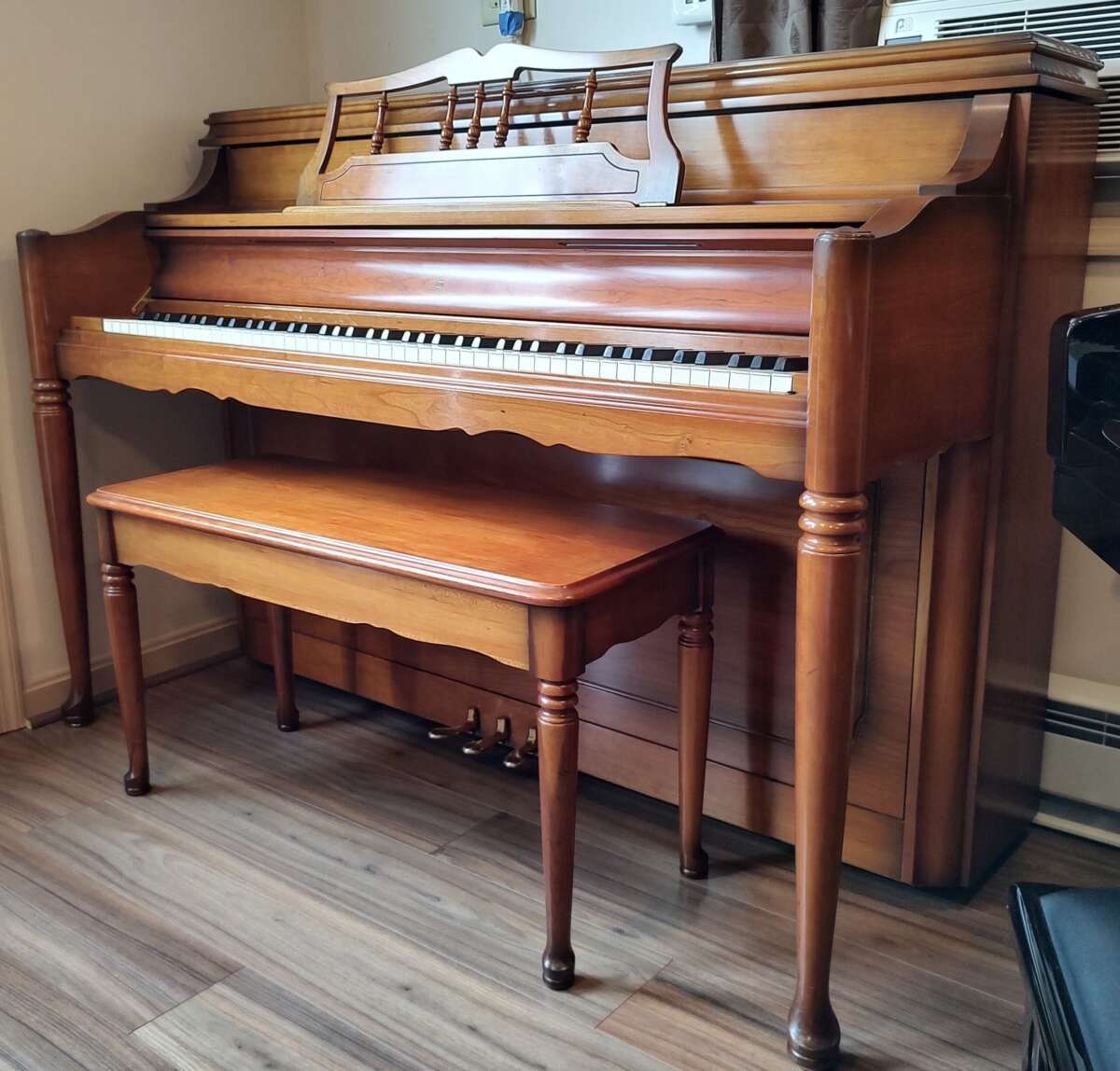
A console piano is a type of upright acoustic piano. It has vertical strings and a vertical soundboard, so it takes up less floor space than a grand piano. The name “console” mainly refers to the piano’s compact cabinet and action design.
Most console pianos stand about 40 to 44 inches tall. Exact sizes vary by brand and model. They are often made for homes, apartments, studios, churches, and teaching spaces.
An acoustic console piano creates sound without speakers or digital samples. When you press a key, a felt-covered hammer strikes a steel string. The string vibrates, and the soundboard makes that vibration louder.
A simple way to picture it is this: the strings are the voice, the soundboard is the chest, and the cabinet helps support the whole system.

How a Console Piano Works
The basic action inside a console piano is mechanical. Your finger moves a key, and that movement travels through levers and small wooden parts. The hammer then strikes the string and quickly moves away so the string can vibrate freely.
A console piano usually places the action above the keys. This design is different from a spinet piano, which uses a drop action with smaller parts placed lower in the cabinet.
The main parts include:
• Keys that respond to your fingers
• Hammers that strike the strings
• Dampers that stop the strings when you release a key
• Strings that produce the pitch
• A soundboard that amplifies the vibration
• Bridges that transfer string energy to the soundboard
• A cast iron plate that supports string tension
Because the action is longer and more direct than a spinet action, a console piano often gives the player better control. It may feel more even and responsive, especially during soft playing.
However, the exact feel depends on the design, age, condition, and quality of the piano. Height alone does not guarantee a better instrument.

Console Piano Size and Design
Many buyers choose a console piano because it balances sound and space. It is taller than a spinet but shorter than a studio upright or full-size upright piano.
Typical upright piano categories include:
• Spinet piano: About 36 to 39 inches tall
• Console piano: About 40 to 44 inches tall
• Studio upright piano: About 45 to 47 inches tall
• Professional upright piano: About 48 inches tall or more
These ranges are general. Manufacturers may use different names for similar sizes. A 44-inch model from one company may have a different design from a 44-inch model made by another.
A console piano can still be heavy. Many weigh between 300 and 500 pounds, though the weight depends on the materials and construction. Moving one often requires professional piano movers.
The cabinet may have a traditional wood finish, a modern matte finish, or a simple apartment-style design. Some models include music desks, storage areas, and decorative panels.

Console Piano vs. Spinet Piano
The difference between a console piano and a spinet piano is mainly inside the cabinet. A console uses a more standard action, while a spinet often uses a compact drop action.
A spinet piano saves more space. It may suit a small room or a beginner on a strict budget. Yet its short strings and compact action can limit tone, volume, and touch control.
A console piano usually offers:
• A fuller tone
• Better touch response
• More stable control for soft playing
• Easier access for many repairs
• A longer useful life when well maintained
This does not mean every console is better than every spinet. A neglected console may sound worse than a well-kept spinet. Condition always matters.
When I assess an older piano, I pay close attention to the action, pinblock, soundboard, bridges, and tuning history. A clean cabinet can hide costly problems, so appearance should never be the only deciding factor.

Console Piano vs. Studio Upright Piano
A studio upright piano is usually taller than a console piano. Its longer strings and larger soundboard can create more volume and a deeper bass tone.
The difference is most noticeable in larger rooms or during strong playing. A studio upright may also provide more room for a longer action, which can improve repetition and control.
A console piano may be the better choice when:
• Floor space is limited
• You need moderate volume
• You play mainly at home
• You prefer a smaller cabinet
• You want a traditional acoustic sound without a grand piano’s footprint
A studio upright may be a better fit for advanced students, teachers, churches, or players who need more power. Still, a high-quality console can be very musical. Good design often matters more than a small difference in height.

Console Piano vs. Digital Console Piano
The phrase “console piano” can also describe a digital piano with a furniture-style cabinet. This creates some confusion.
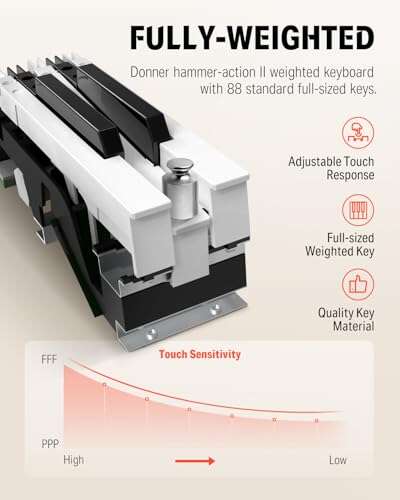
An acoustic console piano has strings, hammers, dampers, and a soundboard. A digital console piano uses electronic sensors, recorded or modeled piano sounds, speakers, and a cabinet that resembles an upright piano.
Digital console pianos often offer:
• Headphone use
• Volume control
• Recording features
• Different instrument sounds
• No regular tuning
• Lower daily maintenance