What Is A Bodhran Drum: Meaning, History & Sound
A bodhran drum is a traditional Irish frame drum played with the hand or a small wooden beater.
The bodhran drum has a simple shape, yet it can produce deep bass, sharp clicks, and gentle pulses that drive Irish music. Its history is rich but not fully settled, so this guide separates well-supported facts from popular myths. You will learn how the instrument is built, how it sounds, how to play it, and how to choose one with confidence.

What Is a Bodhran Drum?
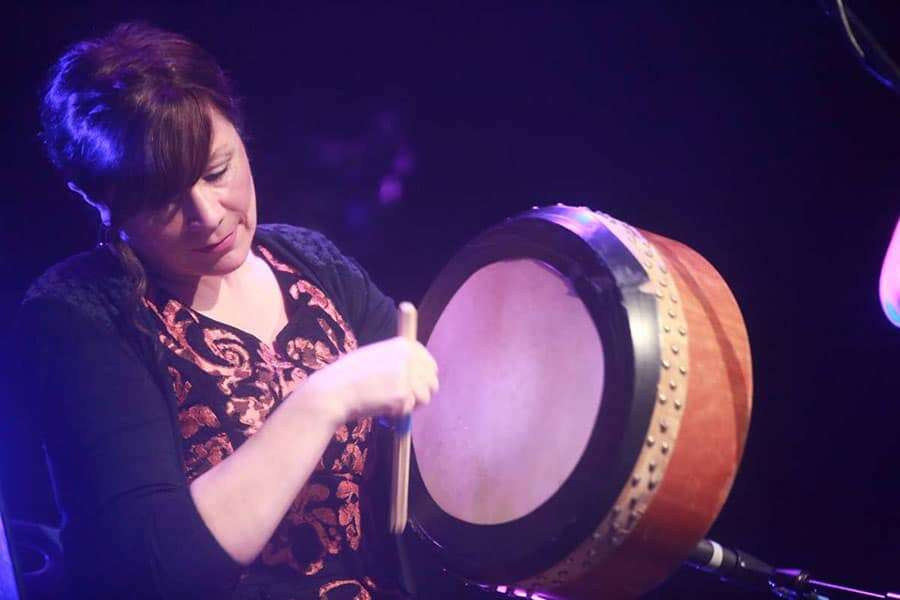
A bodhran drum is a shallow, round frame drum from Ireland. It usually has one stretched head made from goatskin or a modern synthetic material. The player holds the frame with one hand and strikes the head with the other hand or with a short beater called a tipper or cipín.
The bodhran drum is common in Irish traditional music. It often supports reels, jigs, hornpipes, and slow airs by adding a steady pulse. Unlike a full drum kit, it does not usually play many separate parts at once. Its power comes from timing, tone, and small changes in touch.
The name is often written as bodhrán, with an accent over the second “a.” In English, people may pronounce it close to “bow-rawn” or “baw-rawn.” Pronunciation can vary by region and by speaker.
The word bodhrán is linked to an Irish word for a drum or tray. Some older explanations connect it with the Irish word bodhar, meaning deaf or dull sounding. The exact language history is debated, so it is best to avoid treating one simple translation as certain.
What Does a Bodhran Drum Look Like?
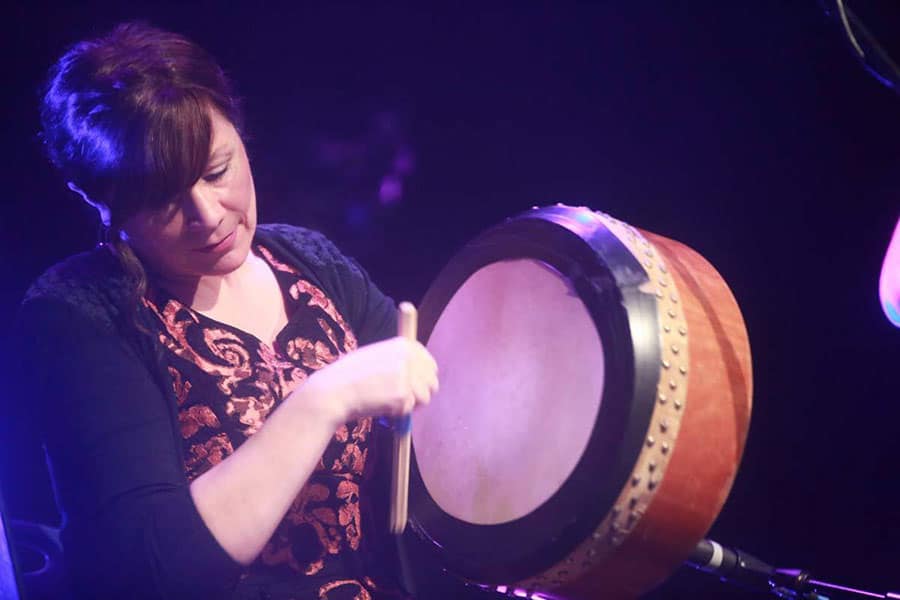
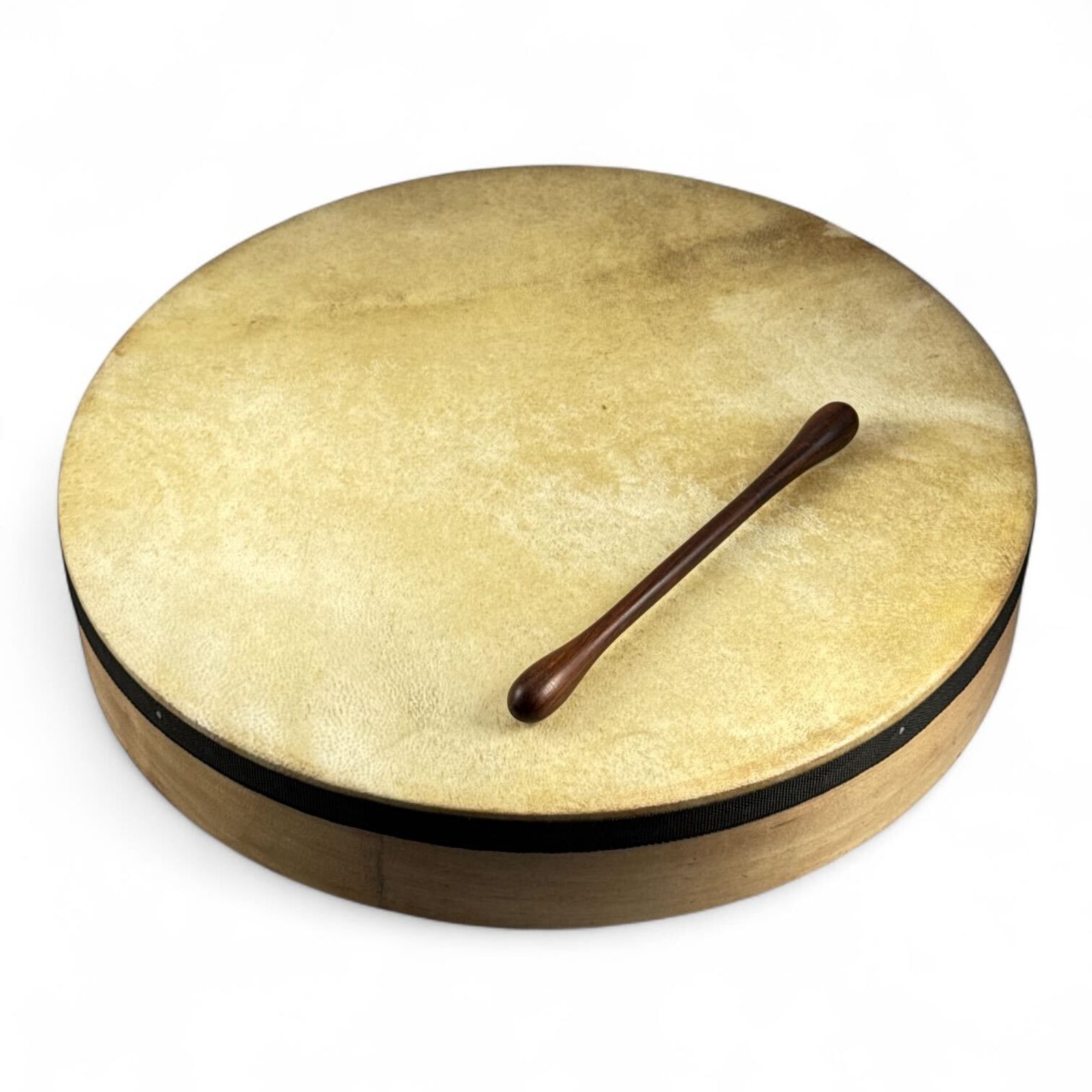
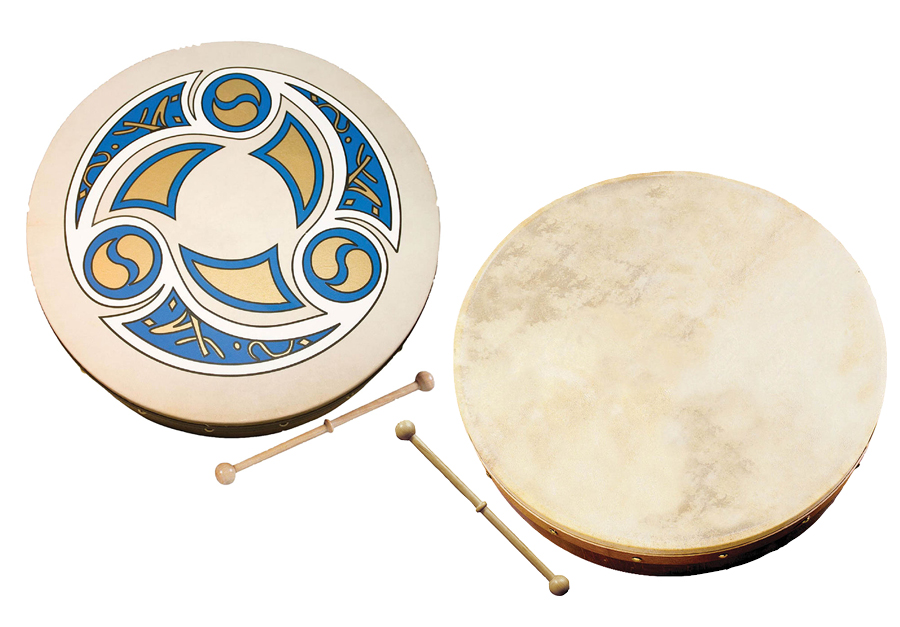
A bodhran drum has a round wooden frame and one playing surface. The back is open, which lets the player place a hand inside the frame and shape the sound.
Traditional and modern bodhrans may include:
• A wooden frame, often made from a light, strong wood
• A goatskin head for a warm and complex tone
• A synthetic head for stable tuning and easier care
• A crossbar or internal grip on some older designs
• An internal tuning system on many modern professional drums
• A rounded outer edge for comfort during long playing sessions
Bodhrans come in several sizes. A compact drum may measure around 12 inches across, while many adult models measure about 16 to 18 inches. Larger drums can produce a deeper voice, but size alone does not determine quality.
The depth of the frame also affects the sound. A deeper frame can produce more low-end resonance. A shallower frame may feel quicker and more direct. The best choice depends on your body, playing style, and the type of music you want to play.
How Does a Bodhran Drum Make Sound?
The sound begins when the head vibrates. A beater strike creates a clear attack, while a hand placed inside the shell changes the tension and dampens the vibration. This gives the player control over pitch, volume, and tone.
Most players use the hand behind the head as an active part of the instrument. Moving the hand closer to the center can lower and soften the note. Moving it toward the edge can raise the pitch and make the sound tighter.
A bodhran drum can produce several basic sounds:
• A deep bass tone from a relaxed strike near the center
• A sharper tone from a strike closer to the rim
• A muted note from pressing the inside of the head
• A click from the tipper or rim
• A soft brush sound from fingers or a padded beater
This makes the bodhran drum more expressive than its plain appearance suggests. Think of it as a voice with a small but useful range. The player shapes each note rather than simply hitting the drum at equal volume.

The History of the Bodhran Drum
The modern bodhran drum became strongly associated with Irish traditional music during the 20th century. It gained wider attention through folk musicians and groups that helped bring Irish music to concert halls and recordings.
Its earlier history is less certain. Some stories describe similar frame drums used as household objects, work tools, or folk instruments. Other stories link the instrument to military or seasonal traditions. However, there is no single proven account that explains the complete origin of the modern bodhran drum.
Researchers and museum collections show that frame drums exist in many cultures. A round frame with a stretched skin is not unique to Ireland. What makes the bodhran drum distinct is its Irish performance tradition, its playing methods, and its role in dance music.
This distinction matters. Calling the bodhran drum an “ancient Irish war drum” may sound dramatic, but the claim is often presented with more certainty than the evidence allows. A careful explanation recognizes both its Irish identity and the wider history of frame drums.
How Is a Bodhran Drum Played?
A player normally rests the bodhran drum against the upper leg or hip. The open side faces the body, and the supporting hand reaches inside the frame. The striking hand holds the tipper or plays the head with the fingers.
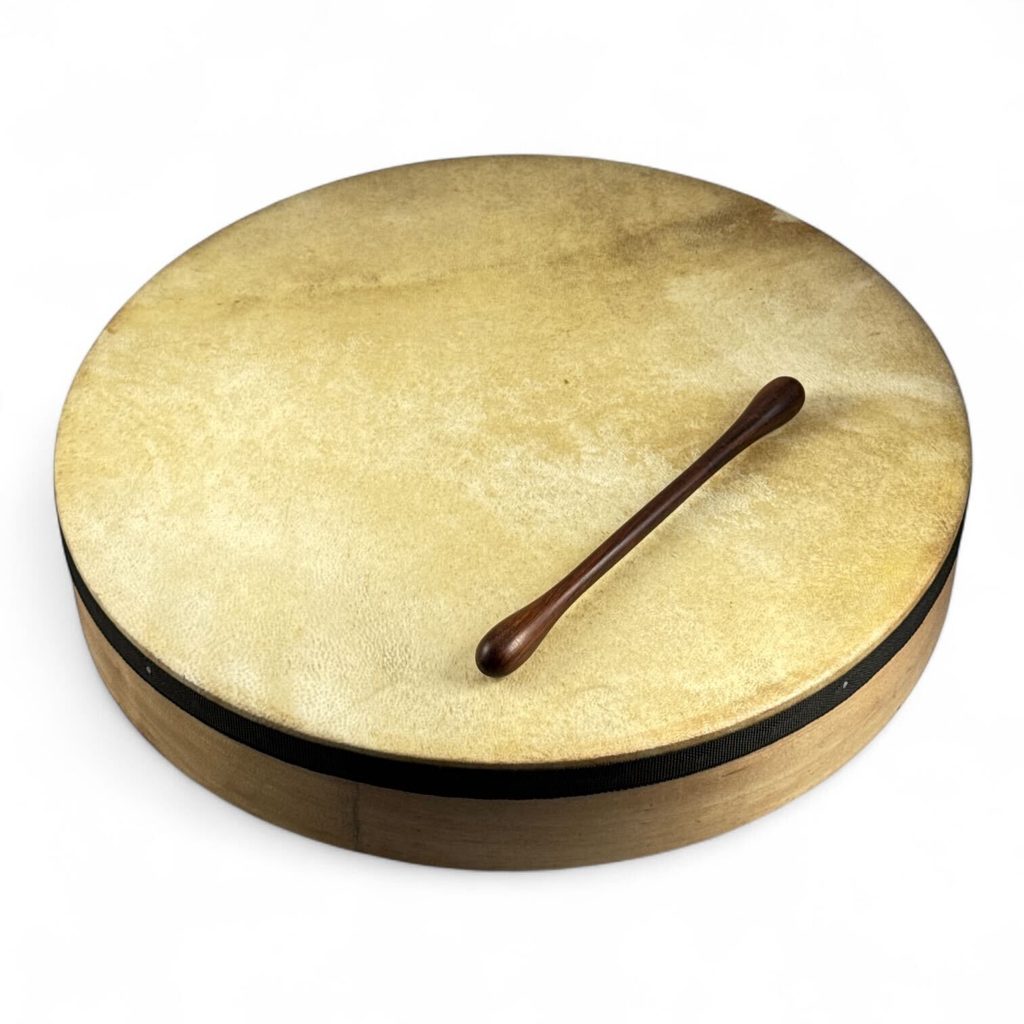
The most common grip uses a short double-ended beater. The player turns the wrist so both ends can touch the head in alternating strokes. This motion can create a flowing rhythm without large arm movements.
A simple starting pattern is:
-
Play a low note on the strong beat.
-
Add a lighter note between the main beats.
-
Keep the wrist loose.
-
Listen to the dancer or melody.
-
Reduce volume before increasing speed.
Good bodhran playing is not just about striking fast. The drum must support the tune without covering it. In a session, a loud or busy player can make the music feel heavy. A controlled player leaves space and follows the group.
When I practice this kind of rhythm, I find that relaxed movement matters more than force. Beginners often grip the tipper too tightly and lift the elbow too high. That creates fatigue and makes the sound harsh. A small wrist motion usually gives better control.

Common Bodhran Drum Techniques
The back of the head technique is central to the instrument. The inside hand can press, release, or slide against the skin while the tipper continues to strike. This lets the player create changes in pitch during a rhythm.
Important techniques include:
• Center strikes for a round, low note
• Edge strikes for a bright, firm note
• Dampened strikes for short sounds
• Alternating tipper strokes for steady patterns
• Finger taps for quiet fills
• Rim clicks for extra texture
• Hand rolls for soft, fast movement
Many players also use the left hand to create pitch bends. They press the skin slightly and release it as the beater strikes. This effect can imitate the rise and fall of speech.
A common mistake is to chase complex rolls before learning steady time. Start with a simple pulse. Record yourself playing with a metronome or a slow tune. If the beat remains even at a low speed, more advanced patterns will become easier.
Bodhran Drum in Irish Traditional Music
The bodhran drum often plays with a fiddle, flute, accordion, tin whistle, uilleann pipes, or guitar. In a dance tune, it can underline the rhythm and help the group maintain momentum.
The instrument does not usually replace the bass line in a modern band. Instead, it adds a rhythmic foundation. A skilled player reacts to the melody and the dancers rather than repeating one pattern without change.
In a traditional session, volume and social awareness are important. Irish sessions are shared spaces, not drum showcases. The best bodhran drum player knows when to play, when to simplify, and when to stay quiet.