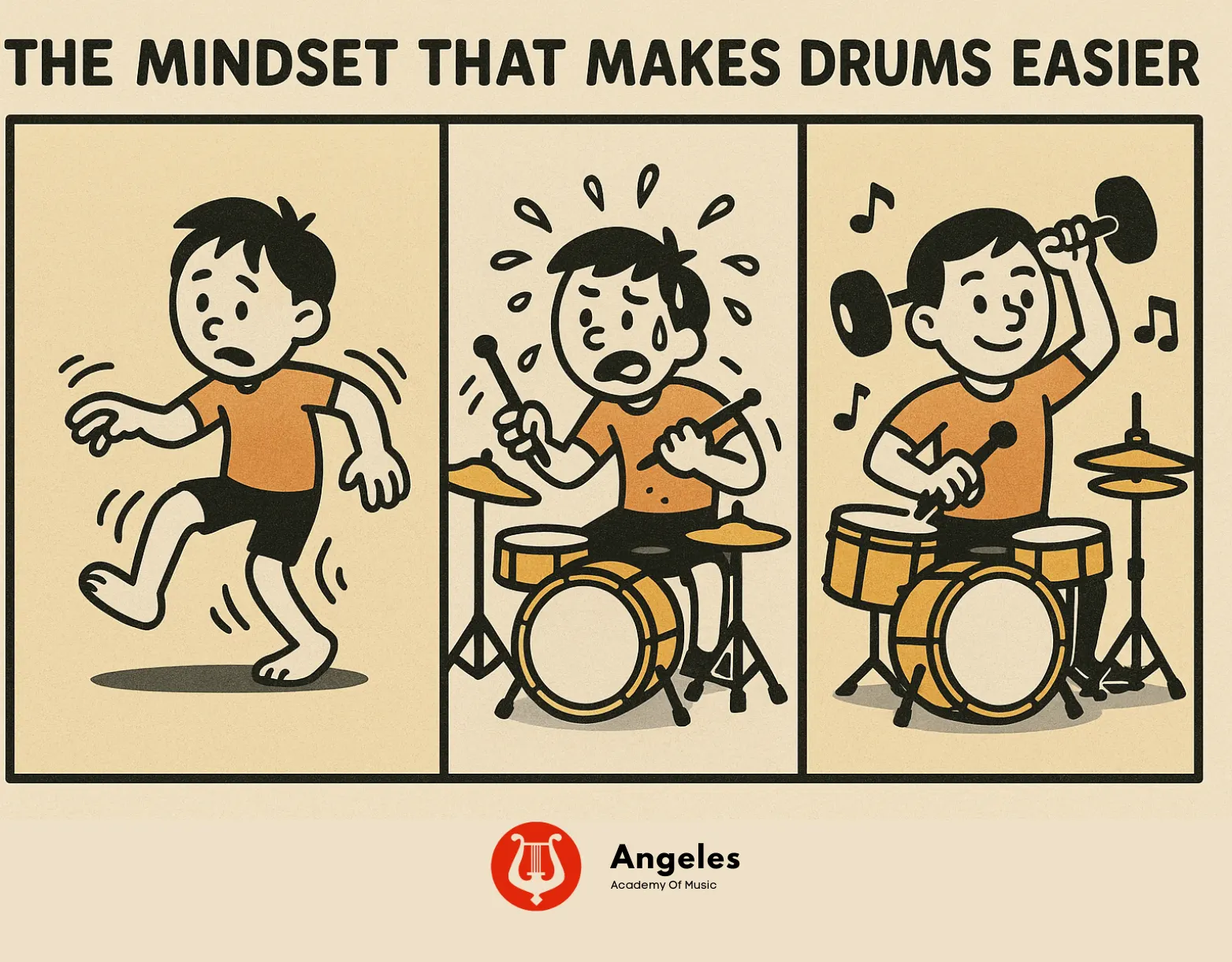
Are Drums Hard To Learn: Real Tips To Get Started
Drums are challenging at first, but anyone can learn them with steady practice and smart guidance.
I’ve played drums and taught students for years, and I’ll explain clearly whether are drums hard to learn, what makes them feel difficult, and exactly how to get past the hurdles. This guide mixes research-backed tips, hands-on practice plans, and real-life mistakes I’ve seen so you can progress fast and confidently.
Why people ask "are drums hard to learn"
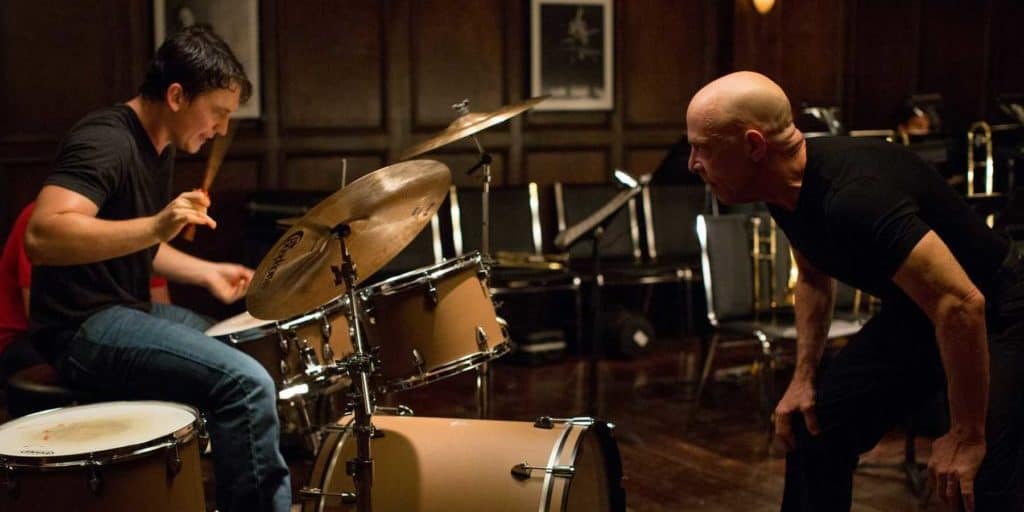
Many beginners ask "are drums hard to learn" because drums look loud, physical, and complex. That impression comes from watching skilled drummers who play fast fills, odd time signatures, and dynamic grooves. Those advanced skills take time.
At the start, drumming requires basic coordination, timing, and listening. These are trainable skills. With the right approach, the initial challenge becomes a series of small, solvable steps. I’ve taught beginners who were nervous about the kit but became comfortable within weeks using focused practice.
What specifically makes drums feel hard
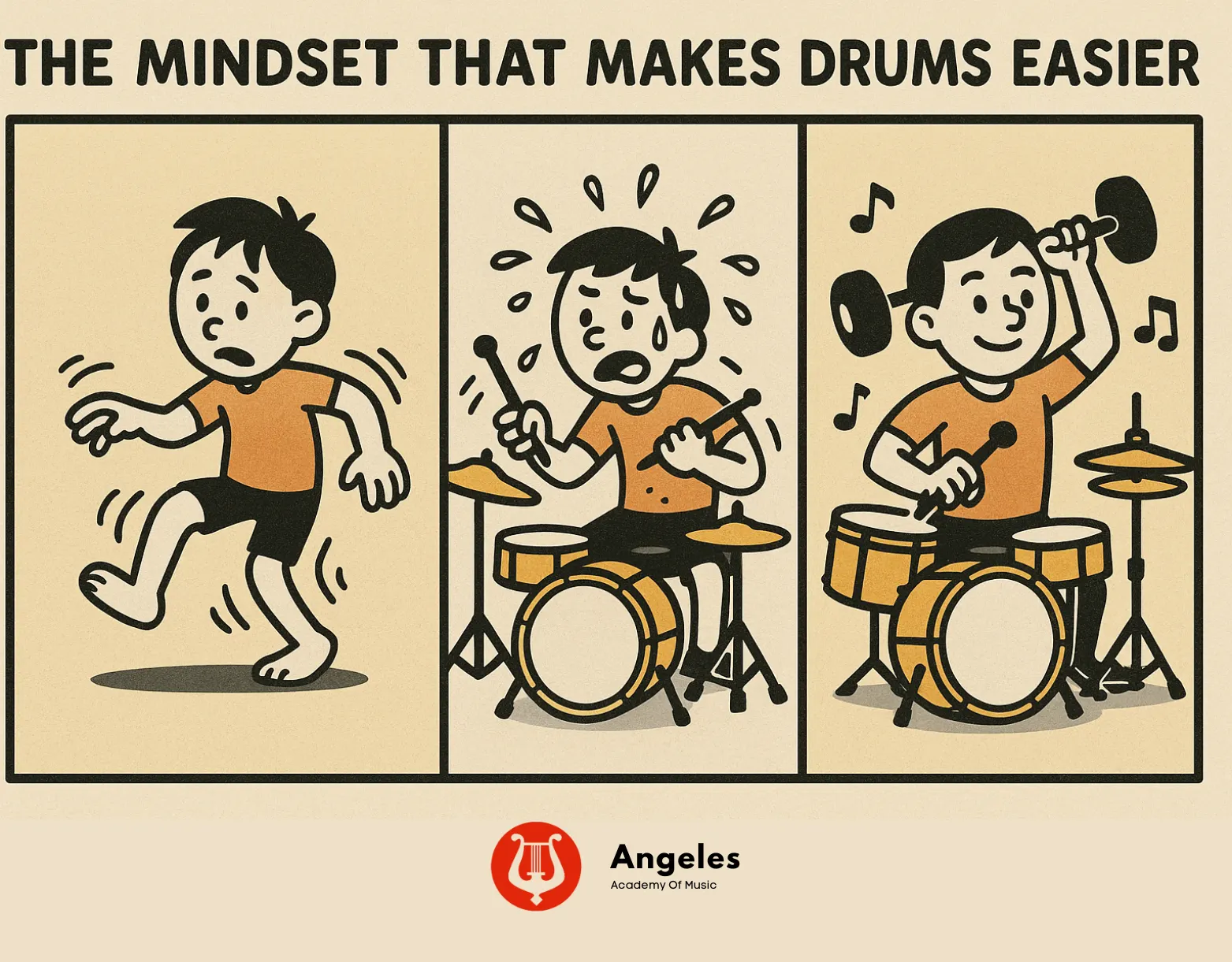
Understanding the root causes helps fix the problem faster.
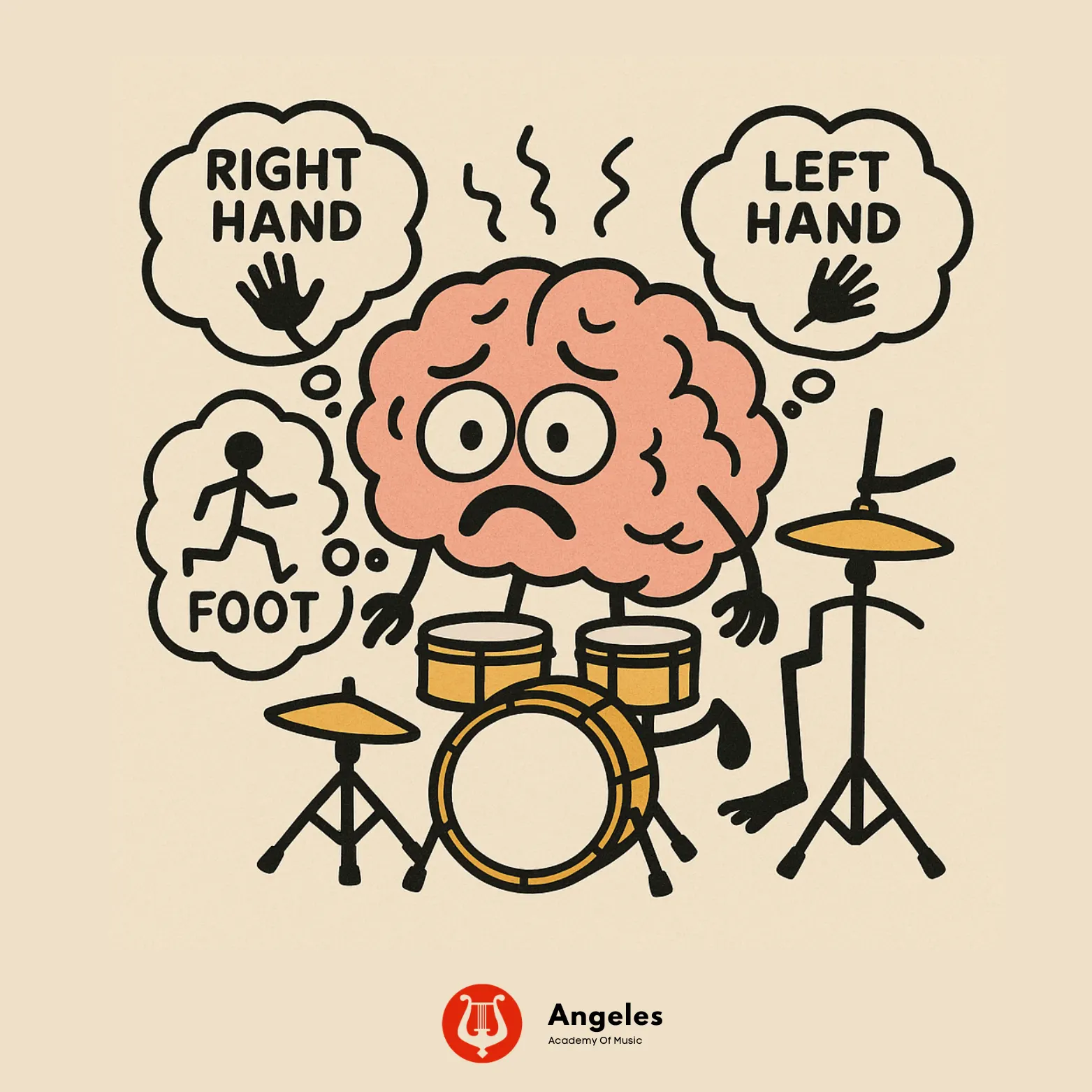
- Coordination demands:
- Playing different limbs independently is new for many people and feels odd at first.
- Timing and tempo:
- Keeping steady time under pressure is a learned skill.
- Physical stamina and technique:
- Proper grip, posture, and rebound control take practice to avoid soreness.
- Reading and musical knowledge:
- Learning basic notation and song structure helps speed progress.
- Equipment and sound control:
- Acoustic kits can be loud and intimidating without headphones or a practice pad.
Each challenge has clear practice solutions. You don’t need to master all of them at once.
How long does it take to learn drums?
People often ask how quickly they’ll play well. The timeline depends on goals and practice quality.
- First month:
- Learn basic grip, single stroke roll, simple rock beat, and using a metronome. You’ll feel comfortable sitting behind a kit.
- 3–6 months:
- Build limb independence, play fills smoothly, and join basic songs with other musicians.
- 1–2 years:
- Develop good dynamics, read simple charts, and play a wide range of styles.
- Several years:
- Achieve advanced independence, improvise, and master complex time signatures.
Deliberate practice beats raw hours. Practicing with clear goals and feedback shortens the timeline. From my experience, students who practice 20–30 focused minutes daily improve faster than those doing long unfocused sessions.
A practical practice plan for steady progress
A consistent plan keeps you moving forward without burning out.
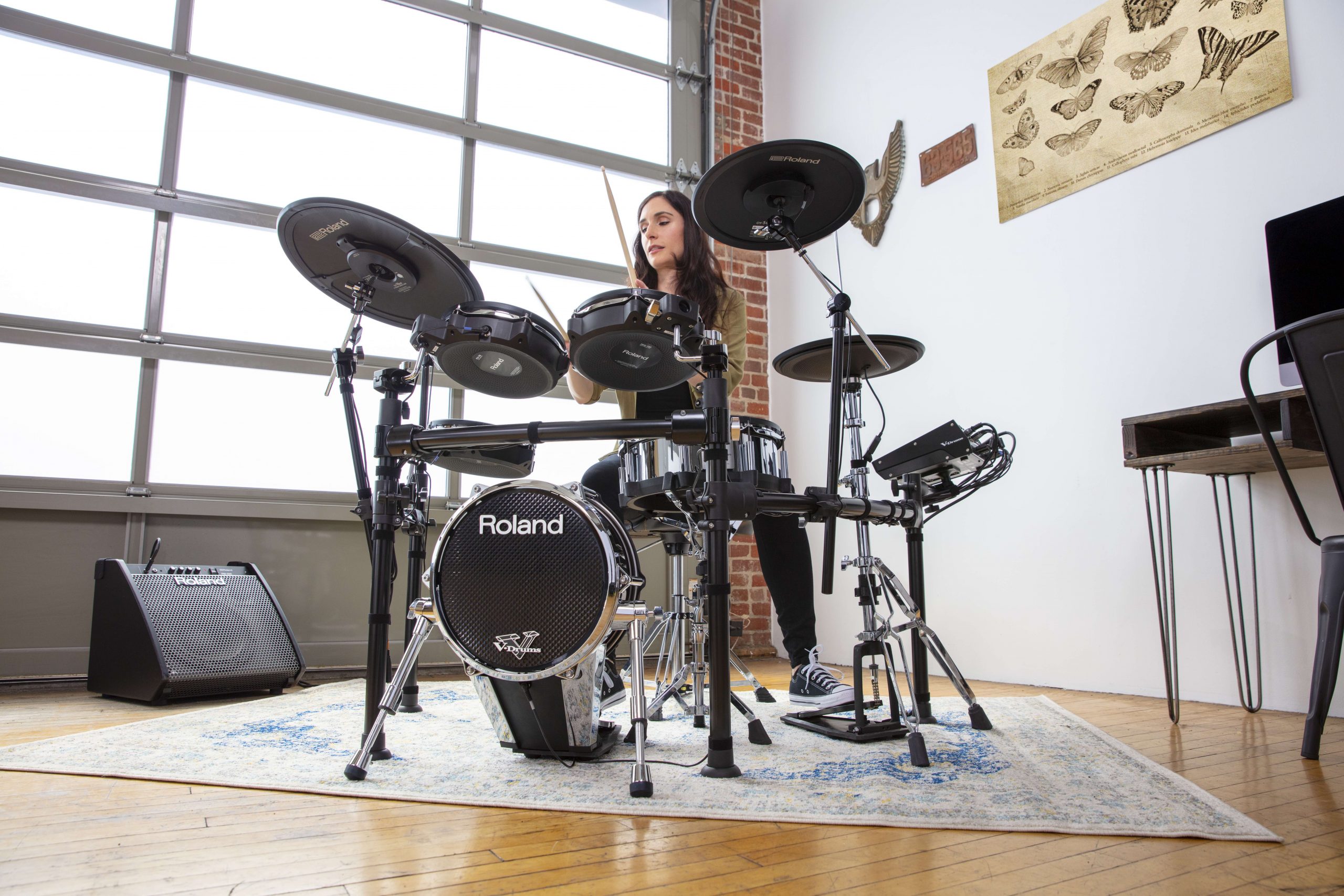
- Warm-up (5 minutes)
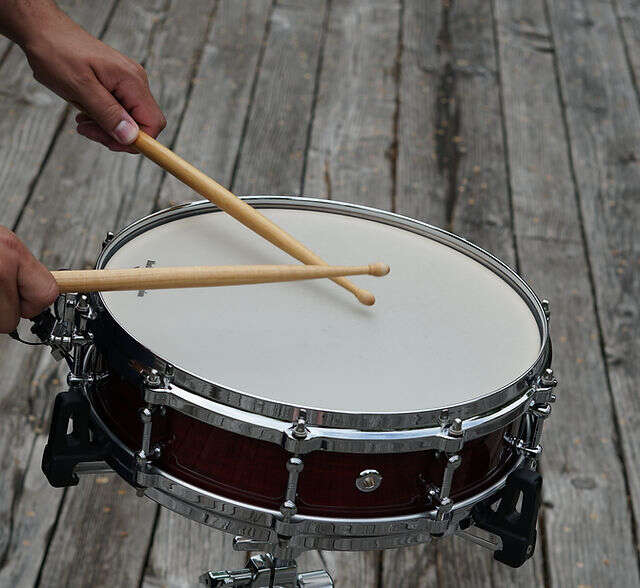
- Practice single strokes and wrist relaxation on a pad.
- Basic groove (10 minutes)
- Work on a simple four-on-the-floor beat with a metronome.
- Independence drill (10 minutes)
- Practice right-hand hi-hat, left-hand snare, and alternating bass foot patterns slowly.
- Fills and creativity (10 minutes)
- Try short fills over a loop or backing track.
- Cool down and reflection (5 minutes)
- Record one clip and note one thing to improve next time.
Repeat this five days a week. Small, consistent sessions build muscle memory and timing.
Common challenges and solutions
Targeted exercises solve common beginner problems.
- Trouble keeping time:
- Use a metronome, start slow, and count out loud.
- Limited limb independence:
- Isolate two limbs and practice slow patterns, then add the third and fourth limbs.
- Sore hands or wrists:
- Check grip, use lighter sticks, and stretch before playing.
- Feeling overwhelmed by notation:
- Learn basic drum notation for beats and fills; use charts for reference.
- Stage or performance nerves:
- Play with recordings and small groups first to build confidence.
I recommend recording practice sessions weekly. Listening back shows progress and reveals specific issues to fix.

Equipment and setup: what you really need
You don’t need the most expensive kit to learn.
- Practice pad:
- Inexpensive and silent for technique work.
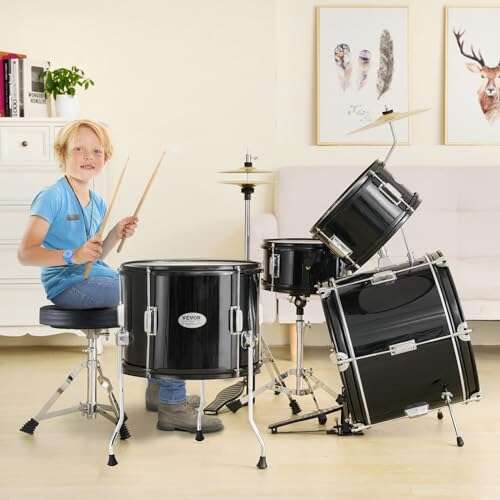
- Beginner acoustic or electronic kit:
- Electronic kits are quiet with headphones and great for home practice.
- Drum throne and good sticks:
- Comfort and proper sticks reduce fatigue and improve control.
- Metronome or app:
- Essential for timing practice.
- Cymbals and pedals:
- Upgrade later as skills develop.
Start with a modest setup. Focus on technique before spending heavily on gear.

Benefits of learning drums
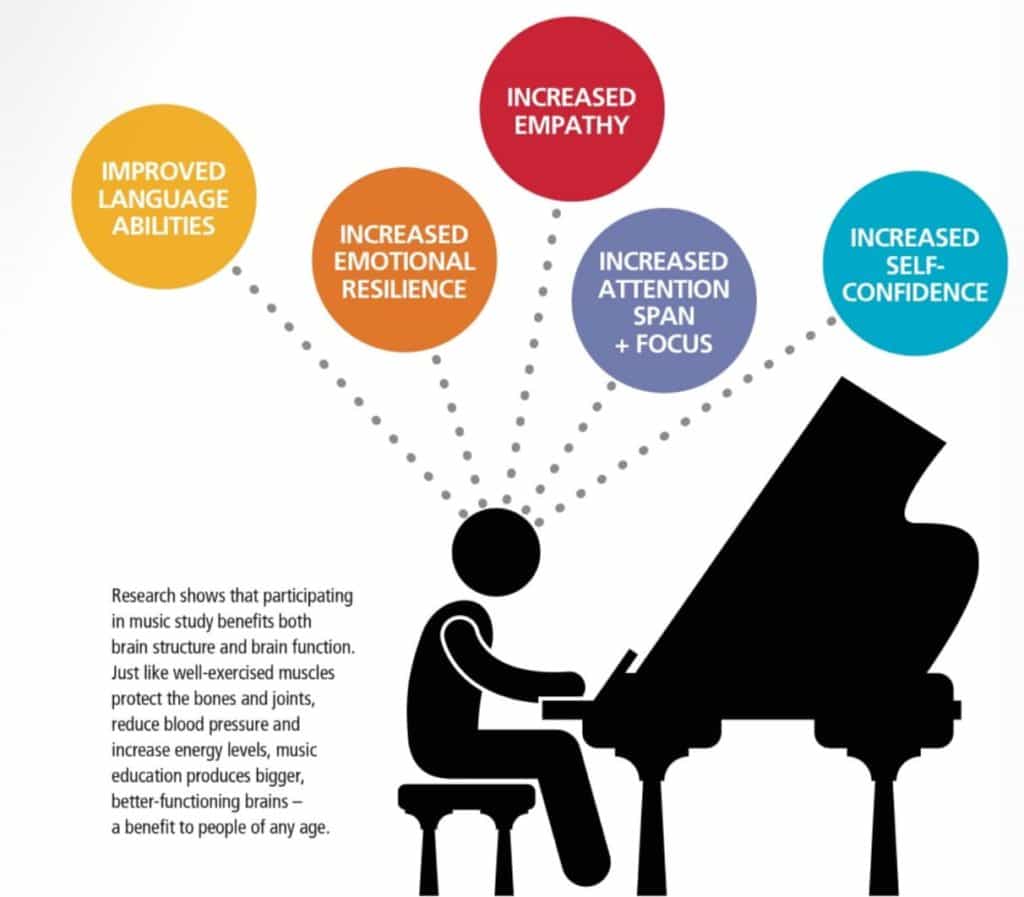
Learning drums gives more than musical skill.
- Better timing and rhythm that transfer to other instruments.
- Improved coordination and motor skills.
- Enhanced focus and stress relief through physical motion.
- Social connection from playing in bands or ensembles.
These benefits make the effort worthwhile, whether you play casually or aim to perform.

Personal experience and lessons learned
I started on brushes and a basic kit. Early mistakes taught me important lessons fast.
- Mistake: trying to learn too many styles at once.
- Lesson: focus on one style for a few months to build a foundation.
- Mistake: practicing without a metronome.
- Lesson: timing practice early saves years of bad habits.
- Tip I use with students: set one measurable goal each week, such as "play a steady beat at 80 BPM for 2 minutes with no mistakes."
I’ve seen shy beginners become confident players by following these small steps. Real progress comes from steady, goal-focused work, not from raw talent alone.
Are drums hard to learn for different age groups?
Age matters less than consistency and motivation. Children can learn coordination quickly. Adults often progress fast because they practice with purpose. Older beginners can still make meaningful gains with regular, gentle practice. The key is realistic goals and steady routines.
Frequently Asked Questions of are drums hard to learn
Are drums harder to learn than guitar or piano?
Drums demand limb independence and precise timing, while guitar and piano require melody and harmony skills. Difficulty depends on your natural strengths and practice habits.
Can I learn drums on my own without a teacher?
Yes, you can learn alone with the right resources, metronome, and feedback tools, but a teacher speeds up progress and corrects bad habits early.
How much should I practice to see improvement?
Short, focused daily practice of 20–30 minutes is better than long, infrequent sessions. Consistency is the main driver of improvement.
Do I need to read music to play drums well?
You don’t need to read music to play many styles, but basic notation helps you learn faster and communicate with other musicians.
Will learning drums improve my coordination?
Yes. Drumming trains limb independence, timing, and motor control, which improve overall coordination and can benefit other physical activities.
Conclusion
Learning whether are drums hard to learn comes down to approach, not just talent. Drums are challenging in specific ways, but those challenges are solvable with targeted practice, a metronome, and clear goals. Start small, practice consistently, and seek feedback. You’ll be surprised how quickly you can play solid grooves and enjoy music. Try a focused two-week plan, record your progress, and share a clip with a teacher or friend to get constructive feedback. If you found this helpful, subscribe, leave a comment, or start a simple practice plan today.

Senior Music Reviewer
Alex Carter is a seasoned music reviewer with over a decade of experience in the world of sound and instruments. Passionate about helping musicians and enthusiasts make informed choices, he brings sharp insights and in-depth knowledge to every review. From classical instruments to modern gear, Alex combines technical expertise with a love for music to deliver content that resonates with readers.
As a Senior Music Reviewer and expert author on Tuneluma.com, Alex is dedicated to sharing honest evaluations, practical advice, and thoughtful commentary to guide readers in their musical journey.