
What Are The Strings Of A Bass Guitar: A Quick Guide
A standard bass guitar has four strings tuned E, A, D, and G from lowest to highest.
Understanding what are the strings of a bass guitar helps you choose the right instrument, learn notes faster, and get the tone you want. Most basses use four strings, but five and six-string models offer a wider range for modern rock, jazz, metal, gospel, and studio work. This guide explains their notes, design, sizes, materials, and practical uses in clear terms.

What Are the Strings of a Bass Guitar?
The strings of a bass guitar are thick metal wires that create low-pitched musical notes when they vibrate. They are longer and heavier than electric guitar strings, which helps them produce the deep sound that supports a song’s rhythm and harmony.
When asking what are the strings of a bass guitar, most people mean the names and tuning of the strings. A standard four-string bass uses:
• E string: The lowest and thickest string
• A string: The second-lowest string
• D string: The second-highest string
• G string: The highest and thinnest string
These notes are named from the lowest pitch to the highest pitch. When you hold a bass in normal playing position, the E string is closest to you, while the G string is farthest away.
The standard tuning is E1, A1, D2, and G2. The numbers show the octave. The low E on a bass is one octave below the low E on a guitar, which explains why the bass sounds much deeper.
A bass string has a central core and an outer wrap. The core gives the string strength, while the wrap adds mass and affects tone, feel, and flexibility.
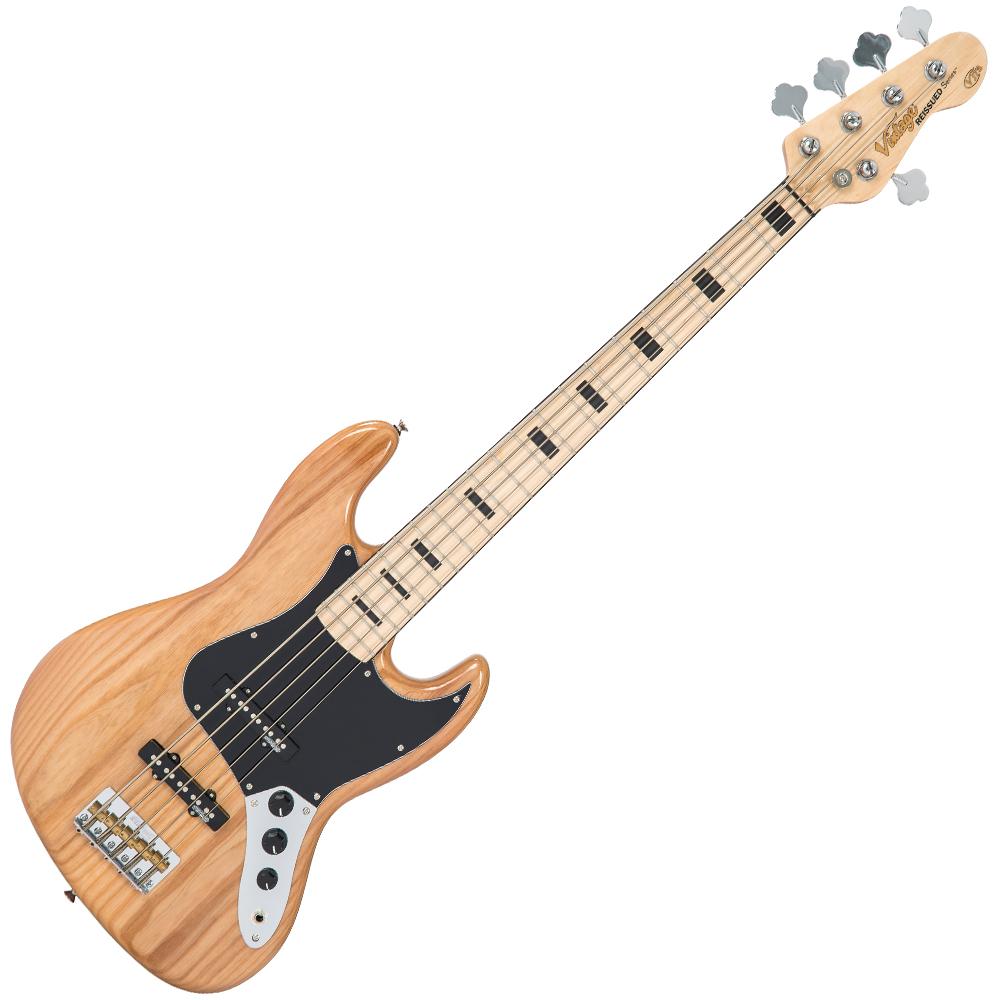
Standard Four-String Bass Tuning
The four-string bass is the most common design. Its strings are tuned in perfect fourths:
- E
- A
- D
- G
This tuning creates a simple and logical pattern. A note played on the fifth fret of the E string matches the open A string. The fifth fret of the A string matches the open D string, and the fifth fret of the D string matches the open G string.
This pattern makes tuning and note finding easier. It also helps players move common bass lines across the neck without learning a new shape each time.
For example, the open strings can be used to play or check these notes:
• Open E string: E
• Open A string: A
• Open D string: D
• Open G string: G
The fifth fret is not the only way to compare notes. A fretted note can also match an open string. This is useful when checking intonation or tuning by ear.
In my experience, new bass players often tune the thick E string too quickly. The string can take a moment to settle after adjustment. I get better results by tuning upward to the note, then gently stretching the string and checking it again.
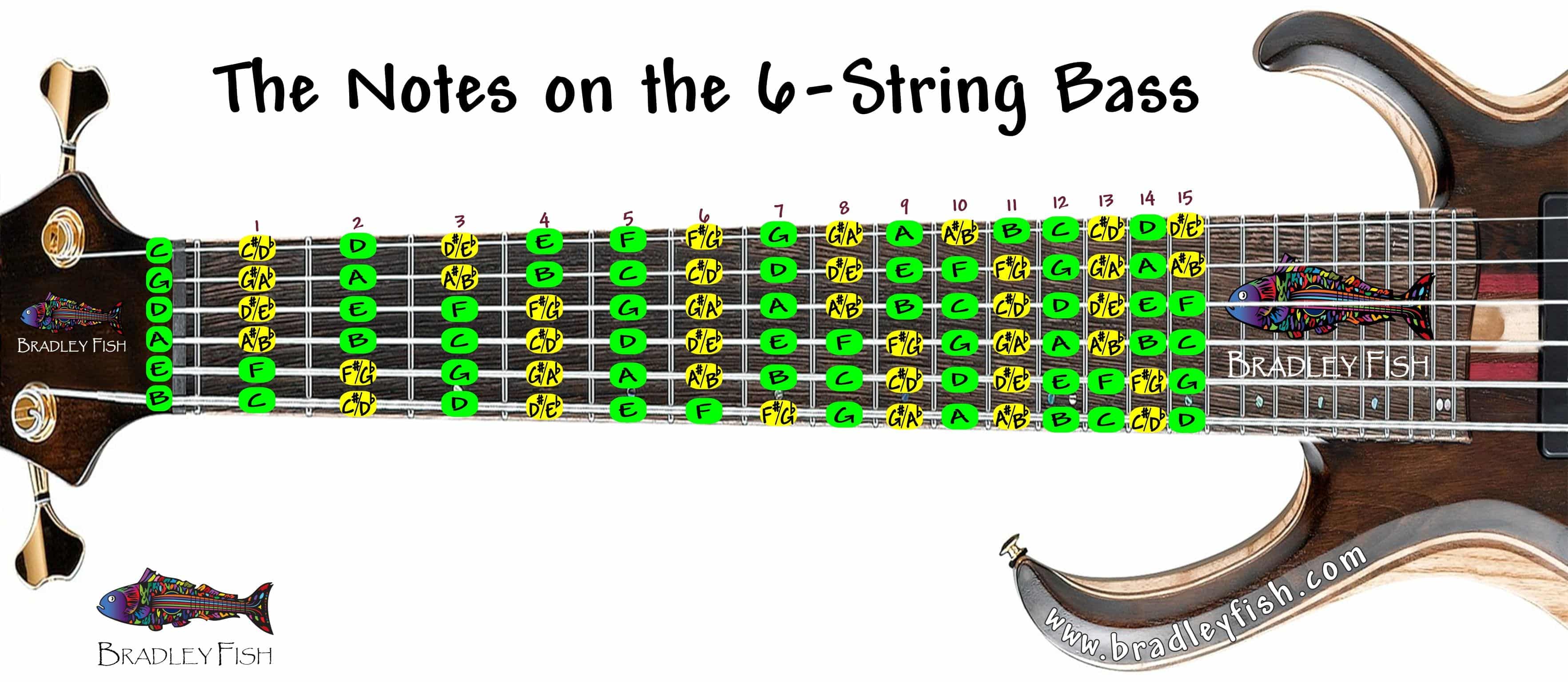
What Are the Strings of a Bass Guitar on Five and Six-String Models?
Five-string basses add a low B string below the standard E string. Their usual tuning is B, E, A, D, and G.
The low B string gives the player five extra semitones below low E. This helps bassists play lower notes without changing position or tuning the whole instrument. It is popular in metal, gospel, R&B, jazz fusion, and studio music.
Six-string basses usually add a high C string above the G string. Their standard tuning is B, E, A, D, G, and C.
A six-string bass offers both a low range and a high range. It can cover bass lines, chords, melodies, and solo parts. However, the wider neck can feel less comfortable for beginners.
Here is a simple comparison:
| Bass type | Lowest to highest strings | Main benefit |
|---|---|---|
| Four-string | E, A, D, G | Simple feel and classic range |
| Five-string | B, E, A, D, G | Lower notes without retuning |
| Six-string | B, E, A, D, G, C | Extended low and high range |
Some players use alternate tunings. A four-string bass may use drop D, where the E string is lowered to D. A five-string bass may use a high C instead of a low B, depending on the player’s needs.
When considering what are the strings of a bass guitar, remember that tuning can change. The instrument may have a standard setup, but the player’s music style often determines the final tuning.

Bass String Construction and Materials
Bass strings are not all made or wrapped in the same way. Their construction has a direct effect on sound, comfort, sustain, and durability.
Roundwound strings
Roundwound strings use round outer wire wrapped around the core. They are the most common type for modern bass playing.
They usually provide:
• Bright, clear tone
• Strong attack
• Good treble detail
• A textured feel under the fingers
Roundwounds work well for rock, pop, funk, metal, country, and worship music. They can also create more finger noise, especially when they are new.
Flatwound strings
Flatwound strings use flat outer wire. Their surface feels smooth, and their sound is warm, soft, and controlled.
Flatwounds are common in jazz, blues, soul, Motown-style music, and vintage rock. They produce less finger noise and often last a long time. The tradeoff is a darker tone with less high-end sparkle.
Halfwound and groundwound strings
These strings sit between roundwounds and flatwounds. They start with round outer wire that is ground or polished to make the surface smoother.
They offer a balance of:
• Moderate brightness
• Reduced finger noise
• Smoother playing feel
• More warmth than standard roundwounds
Common string materials
Bass strings may use stainless steel, nickel-plated steel, pure nickel, or other alloys. Stainless steel often sounds bright and feels lively. Nickel-plated steel usually offers a balanced tone and comfortable feel.
Coated strings have a thin protective layer. This coating can slow corrosion and extend string life, although some players notice a different texture or slightly softer attack.
String makers such as D’Addario, Ernie Ball, DR Strings, Rotosound, and GHS offer many combinations of materials and winding styles. The brand matters, but the construction and gauge matter just as much.

Bass String Gauge and Thickness
String gauge means the thickness of a string. It is usually measured in thousandths of an inch. A .045 string is 0.045 inches thick.
A typical four-string bass set may use gauges similar to:
• Light: .040, .060, .080, .100
• Medium: .045, .065, .085, .105
• Heavy: .050, .070, .090, .110
The exact order depends on the set and the manufacturer. Five-string and six-string sets include extra gauges for their added strings.
Light strings are easier to bend and may feel comfortable for beginners. They can also produce a quick, flexible response. Heavy strings offer more tension, a fuller attack, and better support for lower tunings.
Gauge affects more than comfort. Changing from light to heavy strings can change neck tension, bridge setup, nut fit, and intonation. A major gauge change may require an adjustment from a qualified technician.
I once switched to a much heavier set for a lower tuning without checking the setup. The bass became harder to play, and the notes went sharp higher on the neck. The lesson was simple: string gauge, tuning, and setup must work together.

How Bass Strings Create Their Sound
A bass string produces sound when it vibrates between the bridge and the nut. The pickups sense that vibration and send an electrical signal to the amplifier.
Several factors shape the final tone:
• String length: A longer scale often creates more tension and a firm response.
• String mass: A thicker string creates a lower pitch at the same length and tension.
• Core design: Round, hex, and other cores change flexibility and feel.
• Outer wrap: The winding affects brightness, texture, and sustain.
• Playing technique: Fingers, pick, and thumb produce different attacks.
• Amplification: Pickups, pedals, cabinets, and settings also change the sound.
Most bass strings use a wound design because plain wire would need to be extremely thick for low notes. The winding adds mass without making the string too stiff to play.
Scale length also matters. Common bass scale lengths include short scale, medium scale, long scale, and extra-long scale. A string made for a long-scale bass may not fit a short-scale instrument correctly.
This is why the answer to what are the strings of a bass guitar includes more than four note names. The strings are carefully designed parts of a larger system that includes the neck, bridge, pickups, and amplifier.

How to Choose the Right Bass Strings
Choosing strings becomes easier when you focus on your music, playing style, bass design, and preferred feel.
Match the strings to your music
Choose bright roundwounds for styles that need attack and clarity. Choose flatwounds for a smooth, thick, old-school sound. Hybrid strings can work well when you need both warmth and definition.
Check the bass scale length
Look at the bass manufacturer’s specifications before buying. The package may list short-scale, medium-scale, long-scale, or extra-long-scale length.
The winding should reach the correct part of the tuning post. If the wrong length is used, the string may not fit well or may wind unevenly.
Start with a common gauge
Medium gauge strings are a safe starting point for many standard basses. If your fingers hurt or you often bend notes, lighter strings may help. If you use drop tuning or want a firmer feel, heavier strings may be better.
Think about your playing method
Players who use a pick often like bright strings with a strong attack. Fingerstyle players may prefer balanced strings with a comfortable surface. Slap players often choose strings with clear high-end response.
Consider your instrument’s setup
A new string type may need a setup. The truss rod controls neck relief, the bridge controls action and intonation, and the nut must fit the strings properly.
When in doubt, use the same gauge already installed on the bass. This reduces the chance of unexpected changes and gives you a reliable starting point.
How Often Should You Change Bass Strings?
There is no single schedule for changing bass strings. The right time depends on how often you play, how much you sweat, the string type, and the sound you want.
Change your strings when they show signs such as:
• Dull or weak tone
• Poor tuning stability
• Visible rust or rough spots
• Flat areas on the winding
• Reduced sustain
• Uncomfortable stiffness or buzzing
Roundwound strings often lose brightness before they fail. Flatwound strings can sound good for months or even years, depending on the player and style.
Wipe the strings with a clean, dry cloth after playing. Clean hands can also reduce oil and sweat buildup. Avoid household cleaners unless the string maker specifically approves them.
To replace bass strings safely:
- Loosen the old string before removing it.
- Clean the fretboard if needed.
- Check the bridge and tuning post.
- Measure the new string against the old one.
- Leave enough length for two or three neat wraps.
- Wind the string downward on the tuning post.
- Tune gradually and stretch the string gently.
- Retune until the pitch stays stable.
Do not cut a string before checking its length. On some basses, the thick part of the string must pass through the tuning post. Cutting it too short can make the string unusable.

Common Bass String Problems
Even when you understand what are the strings of a bass guitar, small problems can affect your playing.
Buzzing strings
Buzz may come from low action, uneven frets, poor technique, loose hardware, or an incorrect neck setup. A little fret noise can be normal, but loud buzzing across many frets deserves attention.
Strings that feel too tight
The gauge may be too heavy, or the tuning may be higher than the strings are designed for. A shorter-scale bass can also feel different from a long-scale bass.
Strings that go out of tune
New strings need time to stretch. Loose tuner posts, poor winding, a tight nut slot, or temperature changes can also cause tuning problems.
Weak or uneven tone
A worn string, pickup height issue, or faulty cable may be responsible. Compare the sound of each string and check whether the problem follows the string or stays in the same area.
Intonation problems
If fretted notes sound sharp or flat compared with the open strings, the bridge saddles may need adjustment. Check this after installing new strings and tuning the bass carefully.
If you cannot identify the cause, a bass technician can inspect the instrument. A professional setup is often less expensive than repeatedly buying strings that do not solve the real problem.
What Beginners Should Know About Bass Strings
Beginners do not need the most expensive strings. They need a set that fits the bass, feels comfortable, and supports regular practice.
Start with standard tuning and a medium or light-medium gauge. This makes it easier to learn finger positions, scales, and common bass lines. Once your hands and ears develop, you can test roundwounds, flatwounds, alternate gauges, and different materials.
The thick E string may feel hard at first. Press just behind the fret instead of squeezing too hard. Keep your thumb relaxed, and let your fretting hand move naturally.
A simple practice routine can include:
• Tune before every session.
• Play each open string and listen for a clean tone.
• Practice moving between E, A, D, and G strings.
• Compare fretted notes with open notes.
• Notice how your technique changes the tone.
In my experience, players often chase expensive gear before learning how their strings respond. Spend time with one reliable set first. You will learn more by listening to its attack, sustain, and feel than by buying several sets at once.
Frequently Asked Questions About What Are the Strings of a Bass Guitar
What are the strings of a bass guitar tuned to?
A standard four-string bass is tuned E, A, D, and G from lowest to highest. Five-string basses usually add a low B, while six-string basses commonly add both low B and high C.
Which bass string is the thickest?
The low E string is the thickest string on a standard four-string bass. On a five-string or six-string bass, the low B string is usually the thickest.
Are bass strings the same as guitar strings?
No. Bass strings are longer and much thicker than guitar strings. They are designed to produce lower pitches and usually require a bass-specific scale length and bridge setup.
How many strings does a bass guitar have?
Most bass guitars have four strings. Five-string and six-string basses are also common, and some specialty instruments use more strings.
Which bass strings are best for beginners?
A reliable medium-gauge set is a good starting choice for many beginners. Roundwounds offer a clear, familiar sound, but lighter gauges may feel easier on new fingers.
How long do bass strings last?
String life depends on playing time, sweat, cleaning, and string type. Roundwounds may need regular replacement for a bright tone, while flatwounds can remain useful much longer.
Can I put any bass strings on my bass?
No. You should match the strings to the bass’s scale length, tuning, bridge, and recommended gauge. A significant change can require neck, nut, bridge, or intonation adjustments.
Conclusion
The strings of a bass guitar are more than four metal wires. On a standard bass, they are tuned E, A, D, and G, while five-string and six-string models extend the range with low B and high C strings.
String type, gauge, material, winding, and scale length all affect tone and playability. Start with a suitable gauge, match the string length to your bass, and choose roundwounds or flatwounds based on the sound you want.
Try one reliable set, keep notes about how it feels, and listen closely to the changes. Explore more bass guides, share your preferred string setup, or leave a comment about the strings that work best for your playing.

Senior Music Reviewer
Alex Carter is a seasoned music reviewer with over a decade of experience in the world of sound and instruments. Passionate about helping musicians and enthusiasts make informed choices, he brings sharp insights and in-depth knowledge to every review. From classical instruments to modern gear, Alex combines technical expertise with a love for music to deliver content that resonates with readers.
As a Senior Music Reviewer and expert author on Tuneluma.com, Alex is dedicated to sharing honest evaluations, practical advice, and thoughtful commentary to guide readers in their musical journey.


One Comment