Best Bass Guitar For Under 1000: Top Picks For Every Player
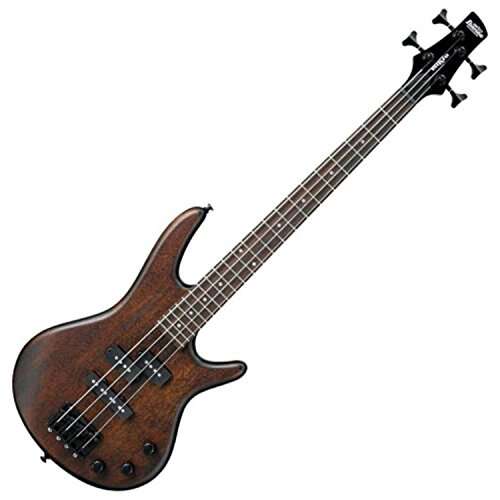
The Ibanez GSRM20 MiKro offers the best bass guitar for under 1000 for comfort, tone, and easy playability.
Finding a bass that feels good, sounds clear, and fits your budget can feel hard. A new player may want a short neck, while a gigging bassist may need five or six strings. I compared scale length, build feel, pickup design, controls, comfort, and value across these models. This guide helps you choose the best bass guitar for under 1000 without paying for features you will not use. Prices can change, so check the current Amazon listing before you buy.
Ibanez GSRM20 MiKro Walnut Flat

The Ibanez GSRM20 MiKro is a small bass with a serious musical voice. Its short scale makes the frets close together, so new players can reach notes with less hand stretch. I find this design helpful for younger players, smaller adults, and guitarists who want an easy move to bass. The walnut flat finish also gives it a clean look without feeling flashy.
This bass uses a pair of pickups and simple controls, so it can cover rock, pop, punk, and basic funk. The compact body sits well on a chair or strap, which helps during long practice sessions. It will not have the deep low-end reach of a five-string bass, but its four-string layout keeps lessons and song charts simple. For many buyers, this is the best bass guitar for under 1000 when comfort matters most.
Pros:
- Short scale reduces finger stretch
- Light body feels easy to hold
- Two pickups offer useful tone range
- Simple controls suit beginners
- Compact size works well for travel
- Comfortable choice for smaller players
Cons:
- Short scale may feel unusual to full-size bass players
- Four strings offer less low-range than a five-string
- Factory setup may need a small adjustment
GLARRY Full-Size Bass Beginner Kit

The GLARRY full-size bass kit targets the person who wants everything in one box. It includes a bass, amplifier, cable, strap, bag, and other basic accessories. That bundle can remove a common beginner problem: buying a bass but having no simple way to hear it. The full-size body also feels more like the basses used in many school bands and local groups.
I see this kit as a practical entry point rather than a long-term professional rig. The included amp is useful for home practice, though players may later want a stronger model with better low-end control. The basswood body keeps the cost down and helps make the kit approachable. If your main goal is to start playing now, this package can be a sensible value under the best bass guitar for under 1000 category.
Pros:
- Includes bass and practice amplifier
- Comes with cable, strap, and bag
- Full-size neck teaches standard spacing
- Useful all-in-one gift for beginners
- Simple controls are easy to understand
- Reduces the cost of buying starter gear separately
Cons:
- Included amplifier has limited power
- Hardware may not suit advanced players
- Setup and fret finishing can vary by unit
Ibanez GSRM20 MiKro Starlight Blue

The Ibanez GSRM20 Starlight Blue gives the MiKro design a brighter visual style. Under the finish, it keeps the same basic idea: a compact four-string bass that makes learning less tiring. I like this model for players who often put an instrument down because a full-size bass feels large. Its short scale makes the first few weeks of practice more inviting.
The two-pickup layout lets you shape the sound from warm and round to sharper and more direct. It works well for home practice, school music, casual recording, and simple band work. The compact body also makes it easier to store in a small room. Buyers should still expect to check tuning, neck relief, and action after delivery, as a basic setup often improves any affordable bass.
Pros:
- Friendly short scale for new players
- Eye-catching Starlight Blue finish
- Light and comfortable body
- Two pickups provide tonal flexibility
- Four-string layout supports easy lessons
- Good size for children and smaller adults
Cons:
- May feel cramped to players used to 34-inch scale
- Not designed for extended low B range
- Some users may want a better setup at arrival
Ibanez Gio SR MiKro Metallic Purple

The Ibanez Gio SR MiKro in Metallic Purple is another compact bass made for easy handling. Its bold finish may appeal to students who want an instrument with some character. More important, the small body and short neck reduce the physical barrier that stops many beginners from practicing. I find that a comfortable bass often gets played more, and regular practice matters more than a long feature list.
This bass uses the familiar MiKro format, so it suits pop, rock, worship, and home recording. Its four strings keep the layout clear while the pickup blend adds useful sound choices. It is not the best match for a player who needs the authority of a full-size five-string on stage. However, it is a strong choice for buyers seeking the best bass guitar for under 1000 with a compact shape and fun finish.
Pros:
- Short neck supports easy note reach
- Metallic Purple finish looks distinctive
- Comfortable for seated practice
- Low weight helps younger players
- Two pickups support varied sounds
- Good starter choice for guitar players
Cons:
- Short scale changes string tension and feel
- Limited low register compared with five-string models
- May need setup work for ideal action
Squier Classic Vibe 70s Jazz Bass

The Squier Classic Vibe 70s Jazz Bass brings a familiar Fender-style design to players who want more range. This is a five-string bass, so the added low B can help with modern rock, gospel, metal, pop, and studio work. The Jazz Bass layout gives you two single-coil pickups and separate volume controls. That setup makes it easy to blend bridge and neck sounds.
The natural finish and vintage-style details give this model a classic look, but its real strength is flexibility. The longer neck demands more reach than the MiKro models, yet it rewards careful technique with a broad note range. I would choose it for an intermediate player who already knows the basics and wants one bass for many styles. It is a compelling candidate for the best bass guitar for under 1000 if five-string versatility is your top need.
Pros:
- Five strings provide extended low-end range
- Jazz Bass pickup layout offers tonal control
- Classic look suits many stage settings
- Useful for modern and vintage music
- Comfortable body shape supports long sessions
- Good platform for future upgrades
Cons:
- Five-string neck may challenge new players
- Heavier than the compact Ibanez models
- Single-coil pickups can add noise in some rooms
ESP LTD B-206SM Six-String Bass

The ESP LTD B-206SM is built for players who want a wide musical canvas. Its six-string layout adds both a low B and a high C, which opens space for chords, solos, tapping, and complex lines. The spalted maple top gives it a striking natural appearance. This is not a small beginner bass, but it can serve an ambitious player for years.
The extra strings increase the learning curve, and the neck feels wider than a four-string model. I recommend it to experienced players who understand muting and want more range without jumping to a very expensive instrument. Its active electronics can help shape a strong, modern tone, but they also add battery care to your routine. Among options under the best bass guitar for under 1000 search, this model stands out for advanced range and visual appeal.
Pros:
- Six strings offer the widest note range here
- High C supports lead and chord work
- Low B adds depth for modern styles
- Spalted maple top gives a unique look
- Active electronics provide tone shaping
- Strong fit for progressive and fusion players
Cons:
- Wide neck can overwhelm beginners
- More strings require careful muting
- Active electronics need a fresh battery
Traveler Guitar Ultra-Light Bass

The Traveler Guitar Ultra-Light Bass solves a very specific problem: transporting a bass without carrying a large case. Its headless design keeps the instrument short, and the removable lap rest helps it sit securely during practice. A 30-inch scale gives it a familiar short-scale feel while keeping the overall body compact. It is a smart tool for travel, hotel practice, office breaks, or small living spaces.
This bass is more about portability than traditional stage presence. The compact format may take a little time to feel natural, especially if you are used to a standard body and headstock. I would not pick it as the only bass for every gig, but I would gladly keep one for trips and quiet practice. For a mobile musician, it may be the best bass guitar for under 1000 because it removes the excuse of leaving the instrument at home.
Pros:
- Very portable headless design
- Includes a custom gig bag
- 30-inch scale feels familiar to many players
- Removable lap rest adds playing support
- Fits small rooms and travel spaces
- Useful for warm-ups away from home
Cons:
- Unusual shape may need an adjustment period
- Less visual impact than a full-size bass
- May not replace a full stage instrument
ESP LTD B-205 Five-String Bass

The ESP LTD B-205 offers a five-string platform without moving into the price range of many professional instruments. The added low string gives bassists more freedom when a song drops below standard E. Its natural satin finish has a restrained look, and the bass feels aimed at players who want function first. The design can fit rock, metal, worship, pop, and studio sessions.
Compared with a four-string, this bass asks more from the fretting and plucking hands. Good muting becomes essential because the extra string can ring when you do not control it. The active electronics offer useful sound control for players who need a firm, modern voice. I would place this model near the top of the best bass guitar for under 1000 list for an intermediate bassist who wants low-end range and upgrade potential.
Pros:
- Extended low B adds modern flexibility
- Active electronics support tone shaping
- Natural satin finish feels understated
- Good match for rock and metal
- Useful bridge between beginner and pro gear
- Five-string design supports changing band keys
Cons:
- Wider neck needs stronger hand control
- Battery failure can stop active features
- May be more bass than a new player needs
First 50 Songs You Should Play on Bass

This book is not a bass guitar, but it belongs in this guide because a good instrument needs good practice material. First 50 Songs You Should Play on Bass gives learners familiar songs with easy TAB arrangements. That makes it easier to move from drills to real music. I have found that recognizable bass lines keep new players engaged far better than pages of random exercises.
The book covers classic rock, pop, and funk ideas, so it can help a student learn different grooves. It also gives teachers and parents a clear way to track progress. A songbook cannot fix poor hand position or timing, so players should still use a metronome and listen closely. As an add-on purchase, it can make any choice in the best bass guitar for under 1000 category more useful.
Pros:
- Uses familiar songs to build motivation
- Includes easy TAB for new players
- Covers rock, pop, and funk styles
- Supports self-guided practice
- Useful for teachers and music parents
- Helps connect theory with real bass lines
Cons:
- It is a book, not a bass instrument
- Song difficulty may vary by learner
- Players may need audio help for timing
Gretsch Streamliner Jet Club Bass

The Gretsch Streamliner Jet Club brings a different flavor to the short-scale bass market. Its single-cut body and Havana Burst finish look at home beside vintage amps and modern boutique gear. The shorter neck can help players who want a relaxed reach without choosing a tiny instrument. It also gives the bass a distinctive personality that stands apart from common beginner designs.
I would consider this model for a player who cares about stage style as much as easy playability. Its short scale can produce a softer, more relaxed feel, while the design remains suitable for rock, indie, blues, and pop. Buyers should inspect the setup and make sure the scale length matches their preferred string feel. If you want the best bass guitar for under 1000 with vintage charm and a comfortable neck, this Gretsch deserves a close look.
Pros:
- Short scale supports relaxed playing
- Distinctive single-cut body design
- Havana Burst finish looks stage ready
- Good fit for indie and vintage styles
- Comfortable option for smaller hands
- Offers a different voice from standard bass shapes
Cons:
- Short-scale feel may not suit everyone
- Less traditional than a Fender-style bass
- New models may require a personal setup
My Recommendation
Choosing the best bass guitar for under 1000 starts with your playing goal, not the longest feature list. A beginner who struggles with a large neck should choose an Ibanez MiKro. A player who wants one instrument for modern styles should consider the Squier five-string or ESP LTD B-205. Advanced players who need the most range will get more from the ESP LTD six-string, while frequent travelers should look at the Traveler Ultra-Light.
The GLARRY kit makes the most sense for a first-time buyer who needs an amp and basic gear at once. The Gretsch is a strong pick for someone who wants a stylish short-scale bass with a more distinctive identity. The songbook is not a guitar, but it is a smart companion because progress comes from playing songs, not only testing notes in a shop.
Before ordering, check the listing for current price, seller status, included parts, and return terms. Amazon prices and stock can change. I also suggest budgeting for a tuner, fresh strings, and a professional setup if the action feels high. A small setup can make an affordable bass feel like a much better instrument.
| Best for | Why |
|---|---|
| Beginners and smaller players | The Ibanez GSRM20 MiKro uses a compact body and short scale for easy reach. |
| Modern five-string playing | The Squier Classic Vibe and ESP LTD B-205 add low B range for many styles. |
| Travel and small spaces | The Traveler Ultra-Light packs bass function into a much smaller body. |
How I Chose the Best Bass Guitar for Under 1000
I started with the basics: playability, useful tone, reliable design, and realistic value. A bass does not need a huge price tag to help a player learn or perform. It does need a neck that feels manageable, tuners that hold pitch, frets that do not cause pain, and pickups that deliver a clear signal. I also looked at the needs of beginners, intermediate players, advanced musicians, and travelers.
Scale length played a large role in my review. A standard bass often uses a 34-inch scale, while short-scale models commonly measure around 30 inches or less. A shorter scale can reduce finger stretch, but it also changes string tension and the feel of each note. Neither design is automatically better. The right choice depends on your hands, style, and comfort.
I also separated four-string, five-string, and six-string needs. Four strings make the learning path simple and work for a huge range of songs. Five strings add a low B for modern arrangements, while six strings add both low and high range for advanced work. Extra strings are useful tools, but they add width, weight, and muting work.
Finally, I considered what arrives in the box. A complete kit may help a beginner more than a slightly better bass without an amp. A travel bass may be worth more to a frequent flyer than a large instrument with a richer acoustic feel. This is why the best bass guitar for under 1000 is not the same for every reader.
What Should You Expect at This Price?
A bass under $1,000 can be a very capable instrument. In 2026, this budget reaches well beyond basic starter gear and into solid intermediate models. You can find basses with active electronics, five or six strings, attractive finishes, and better hardware. Still, price alone does not guarantee a perfect setup.
Wood can vary from one model to another, and factory inspection is not always equal across every price tier. You may see mild fret ends, a high bridge action, or neck relief that needs adjustment. These problems do not always mean the bass is bad. A qualified technician can often correct them with a basic setup.
At this price, I would rather buy a well-designed bass that fits my hands than chase a famous logo. Comfort affects practice time. Practice time affects skill. The best bass guitar for under 1000 should feel like a tool you want to pick up each day, not a heavy reminder of money spent.
Four Strings, Five Strings, or Six Strings?
A four-string bass is the simplest place to start. Standard tuning is E, A, D, and G from low to high. Most beginner lessons use this layout, and many classic songs fit it well. The neck is also narrower, so fretting and muting feel less demanding.
A five-string adds a low B below the normal E. That extra note helps when a band plays in a lower key or when a player wants a deeper modern sound. The neck feels wider, and the low string needs clean muting. The Squier and ESP LTD B-205 suit this need.
A six-string bass adds a high C above the G. This can support solo work, chords, tapping, and complex melodies. It also asks for more control from both hands. I recommend six strings to players who already know what they want to do with the extra range.
Active and Passive Bass Electronics
Passive basses draw their main signal from the pickups and send it to the amplifier through simple controls. Many passive designs sound warm, direct, and natural. They also work without an onboard battery. A passive bass can be easy to maintain and easy to understand.
Active basses add a powered preamp. This can provide more control over bass, middle, and treble frequencies. Active electronics can produce a strong, polished sound, but the battery must stay fresh. The ESP LTD models offer this type of flexibility, which can help in louder bands and recording sessions.
Neither system makes a player better. A good amplifier, fresh strings, proper technique, and careful muting still matter. When searching for the best bass guitar for under 1000, choose the control system that matches your routine.
Short-Scale Bass Versus Full-Scale Bass
Short-scale basses help reduce reach. This can make the first position feel less like a stretch and may reduce hand strain. They also tend to feel light and easy to carry. The Ibanez MiKro and Gretsch Streamliner Jet Club are good examples.
Full-scale basses usually give you a familiar spacing used by many professional instruments. They may offer a firm string feel and a broad, even response. The GLARRY kit gives beginners a standard-size experience, while the Squier and ESP LTD models offer more advanced string layouts.
If possible, hold both types before buying. Place your thumb behind the neck and play a few notes. Your hand should feel relaxed rather than squeezed. A comfortable neck is one of the most important features in the best bass guitar for under 1000.
How to Set Up Your New Bass
Start by tuning each string. New strings may stretch for a short time, so tune again after playing. Check the neck by looking down its length from the headstock. A small amount of relief is normal, but a large bow can affect action and intonation.
Next, check the string height. If the strings sit too high, your fretting hand may tire fast. If they sit too low, notes may buzz against the frets. A bass technician can adjust the truss rod, bridge height, and pickup position with the right tools.
Check intonation with a tuner. Play an open string, then play the same string at the 12th fret. If the fretted note is sharp or flat, the bridge saddle may need adjustment. These steps help any best bass guitar for under 1000 perform at its full potential.
Care Tips for a New Bass
Wipe the strings after each session. Sweat and dirt can dull the tone and shorten string life. Store the bass in a case or gig bag when you are not playing. Avoid leaving it in a hot car, near a heater, or in direct sunlight.
Replace batteries in active basses before an important show. Keep a spare set in your gig bag. Check the output jack if you hear crackle or signal loss. A loose jack nut can cause problems, but do not force it without holding the jack in place.
Use a stand that supports the instrument safely. Do not lean the bass against a wall where it can slide. These small habits protect the neck, finish, and electronics. Good care can help an affordable bass stay useful for many years.
FAQs Of best bass guitar for under 1000
What is the best bass guitar for under 1000 for beginners?
The Ibanez GSRM20 MiKro is a strong beginner choice because its short scale and light body make it easy to hold. The GLARRY kit is better if you also need an amplifier, cable, strap, and bag.
Is a short-scale bass easier to play?
Often, yes. A short-scale bass places the frets closer together and can reduce finger stretch. It may feel different from a standard bass, so try both styles if you can.
Should I buy a four-string or five-string bass?
Choose four strings for a simple learning path and classic song work. Choose five strings if you need a low B for modern rock, metal, gospel, pop, or changing keys.
Do bass guitars under $1,000 need a setup?
Many do benefit from one. A setup can correct string height, neck relief, and intonation. It can improve comfort and help the bass stay in tune.
Can I use a bass guitar with a regular guitar amp?
You can use one quietly, but a guitar amp may not handle strong bass frequencies safely at high volume. A bass amplifier is the safer and better choice for full low-end sound.
Final Verdict: Which Should You Buy?
For most new players, the Ibanez GSRM20 MiKro is the best bass guitar for under 1000 because it feels light, simple, and easy to play. Choose the Squier or ESP LTD B-205 for five-string range, or the Traveler for portable practice.
Think about scale, strings, tone, and comfort before price. The right best bass guitar for under 1000 can make practice feel easier and keep your music journey moving.

Senior Music Reviewer
Alex Carter is a seasoned music reviewer with over a decade of experience in the world of sound and instruments. Passionate about helping musicians and enthusiasts make informed choices, he brings sharp insights and in-depth knowledge to every review. From classical instruments to modern gear, Alex combines technical expertise with a love for music to deliver content that resonates with readers.
As a Senior Music Reviewer and expert author on Tuneluma.com, Alex is dedicated to sharing honest evaluations, practical advice, and thoughtful commentary to guide readers in their musical journey.