Best Book For Learning Drums: Top Guide For Beginners
The best book for learning drums is First 50 Songs You Should Play on Drums for fun, practical beginner progress.
Many new drummers face the same wall: they can copy a beat, but they cannot read drum music, keep steady time, or play a full song. A good drum book turns that wall into small steps. I looked at songbooks, lesson books, reading guides, and practice tools for different ages and skill levels. This guide compares the best options available for beginners in 2026, so you can choose a book that matches your goals, patience, and musical taste.
First 50 Songs for Beginner Drummers

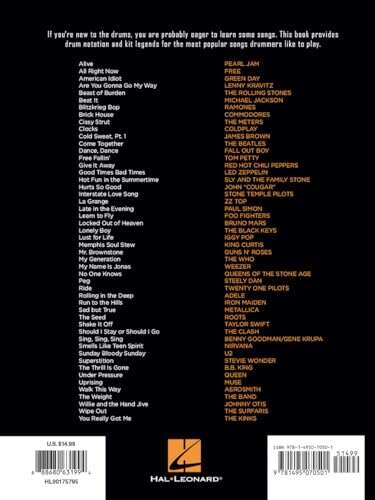
First 50 Songs You Should Play on Drums is one of the strongest picks for a student who wants to play real music quickly. The book uses easy drum notation and familiar rock, pop, and classic songs. That approach helps practice feel less like homework and more like a rehearsal. I especially like how songs give a beginner a clear reason to work on a beat or fill.
The book works best after a student learns basic drum symbols and simple counting. It does not replace a full teacher-led method, but it gives practice a clear target. The song format also helps develop musical timing, because the player must follow the shape of a complete track. For many learners, this is the best book for learning drums when motivation matters most.
Pros:
- Uses real songs instead of only isolated exercises
- Introduces rock, pop, and classic drum styles
- Easy notation supports early reading skills
- Helps students practice beats and fills in context
- Provides a clear path from short patterns to full songs
- Works well with acoustic or electronic drum kits
Cons:
- Beginners may need a separate book for basic notation
- Song difficulty is not identical from one title to the next
- Students may need recordings to check the correct feel
My Recommendation
I recommend this songbook for teens and adults who want fast, enjoyable progress. It is also a useful second book for a child who already knows a few basic beats. The strongest benefit is its balance of fun and structure. If you lose interest during repetitive drills, real songs can act like a light at the end of the practice path.
As of 2026, this remains a practical choice for students who want a beginner drum book with a strong play-along purpose. It offers good value when used beside a metronome, teacher, or lesson app. Availability and price can change, so check the current Amazon listing before buying.
| Best for | Why |
|---|---|
| Song-focused beginners | Builds skills through familiar music |
| Teen and adult students | Keeps practice active and goal based |
| Early intermediate players | Adds useful fills and song control |
How To Read Drum Music

How To Read Drum Music focuses on the language behind the instrument. A drum part may look confusing at first, with notes placed across a staff and symbols for the bass drum, snare, cymbals, and rests. This guide helps turn those marks into actions. It can give a new player the confidence to open sheet music without feeling lost.
I see this as a useful choice for learners who want a firm foundation rather than a quick collection of songs. Reading music supports better communication with teachers, bands, and school music groups. It also makes it easier to learn parts that a player has never heard before. The simple layout may suit students who want the best book for learning drums from a music-reading point of view.
Pros:
- Targets drum notation directly
- Helps explain staff positions and drum symbols
- Supports independent practice
- Useful for school band and lesson settings
- Builds a skill that transfers across many drum books
- Can reduce guesswork when learning written parts
Cons:
- May feel dry for students who only want songs
- Does not offer the same broad lesson path as a full method
- A teacher or audio example may still help with rhythm and feel
My Recommendation
I recommend this book for learners who feel stuck when they see drum sheet music. It is a good fit for a student in school band, a self-taught adult, or a drummer who wants to move beyond copying videos. It will not make every rhythm easy at once. Still, it gives the reader a map, and a map is valuable when every line on the page looks like a new road.
For a complete beginner, pair it with a basic lesson method or simple songbook. That combination can create a more balanced learning plan. It is one of the best book for learning drums options for reading, especially when the buyer wants a low-cost reference that can stay useful for years.
| Best for | Why |
|---|---|
| Music-reading beginners | Explains core drum notation in a focused way |
| School band students | Supports written parts and ensemble work |
| Self-taught players | Offers a reference for unfamiliar symbols |
50 Drum Lessons for Beginners

50 Drum Lessons for Beginners is designed for learners who want a lesson-by-lesson route. The title points to two core needs: learning to read and learning to play. That pairing matters because a drummer needs both hand control and rhythm awareness. A book that moves in small lessons can feel easier than a large method with many pages at once.
I would use this book as a daily practice guide. A student can work through one lesson, repeat the hard bar, and then return the next day. That routine supports steady progress without asking a beginner to master everything in one sitting. It may be the best book for learning drums for someone who needs a clear checklist and a sense of forward motion.
Pros:
- Breaks study into small, manageable lessons
- Combines reading practice with playing practice
- Supports a regular daily routine
- Useful for adults learning without a formal course
- Offers a clear start-to-finish study path
- Can help students track progress over time
Cons:
- Students who prefer songs may want a songbook too
- Some lessons may require slow repetition
- Printed lessons cannot correct posture or technique in real time
My Recommendation
This book suits a beginner who likes order. It is a sensible pick for an adult learner, a parent helping a child, or anyone who wants one lesson at a time. I would not rush through all 50 lessons. The best results come from repeating each beat with a slow metronome and moving on only when the hands feel relaxed.
Its value comes from structure rather than flashy extras. If you want a personal practice plan in book form, this is a strong candidate. It also pairs well with online demonstrations, since video can show details that printed instructions cannot.
| Best for | Why |
|---|---|
| Structured learners | Uses a clear lesson-by-lesson format |
| Adult beginners | Makes short practice sessions easy to plan |
| Reading and playing practice | Develops both skills together |
Alfred’s Drum Method, Book 1

Alfred’s Drum Method, Book 1 is a long-standing method built around beginning snare drum study. It takes a more formal path than a simple song collection. The lessons can help develop note reading, counting, stick control, and basic musical discipline. That makes it a natural fit for students who want a traditional foundation.
The focus on snare work is both a strength and a limit. Snare exercises can build clean strokes before a player adds the full kit, but a student may also want kit-based material for coordination. I would choose this method for a learner who values strong basics and plans to study with a teacher. Among classic choices, it remains a serious answer to the question, “What is the best book for learning drums?”
Pros:
- Uses a proven method-book format
- Builds early snare drum reading skills
- Encourages accurate counting and rhythm control
- Supports teacher-guided study
- Helps develop stick control and discipline
- Can prepare students for more advanced written work
Cons:
- Snare focus may feel narrow for full-kit beginners
- Traditional exercises may seem less exciting than songs
- Students may need extra material for bass drum and cymbal parts
My Recommendation
I recommend Alfred’s method for serious beginners, school percussion students, and learners who want a classic study path. It is especially useful when a teacher assigns pages and checks technique. If you learn alone, read each exercise slowly and watch your grip, shoulders, and breathing.
This is not the quickest fun-first pick, but it can build sturdy roots. Think of it as learning the alphabet before writing a song. The book offers good long-term value for students who want dependable fundamentals and do not mind a more traditional pace.
| Best for | Why |
|---|---|
| Formal beginners | Provides a traditional foundation |
| Snare students | Builds reading and stick control |
| Teacher-led lessons | Gives instructors clear study material |
Simple Songs for Easy Drum Practice

Simple Songs aims to make first songs less intimidating. It presents easy drum parts, rock beats, lyrics cues, and a kit legend. Those features help a new player know where to look and when to play. The book is built for the moment when a student wants music now but still needs very simple parts.
This songbook can help a learner connect the beat to the voice and structure of a song. Lyrics cues may make it easier to stay in place, especially for players who do not yet read complex charts. I like it for casual home practice and family music time. It may be the best book for learning drums for a beginner who needs an easy first win.
Pros:
- Uses very accessible drum arrangements
- Includes familiar rock-style beats
- Lyrics cues can help with song position
- Kit legends support new readers
- Encourages early play-throughs
- Helps reduce fear of full songs
Cons:
- Very advanced players may outgrow it quickly
- Simple parts may not cover every original drum detail
- A learner still needs separate technique work
My Recommendation
I recommend this book for children, casual adults, and anyone who feels nervous about starting. It is also a good gift for a new electronic kit owner. Begin with one song and play it at a slow speed. Once the beat feels steady, raise the tempo a little instead of jumping straight to the recording speed.
This is a friendly entry point, not a complete drum course. Its main value is emotional as well as musical: it helps the learner feel like a drummer early. For that reason, it deserves a place on any shortlist of the best book for learning drums for fun.
| Best for | Why |
|---|---|
| First-time players | Uses simple parts and clear cues |
| Casual home practice | Makes short sessions enjoyable |
| Young learners | Offers quick, friendly song wins |
Drum Book for Beginners Kids
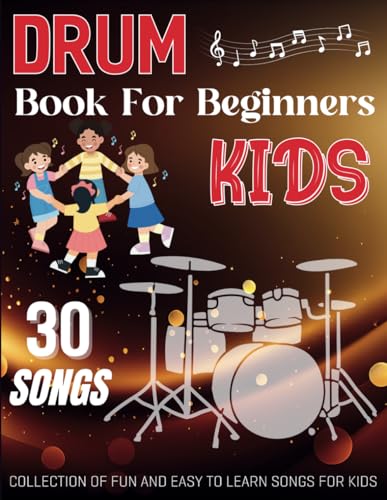
Drum Book for Beginners Kids takes a child-friendly route with 30 simple songs. A shorter song list can be a benefit for young players because it gives them a clear goal without a large amount of work. Fun material can help hold attention during the first weeks. That matters when a child is still learning how to sit, hold sticks, and count.
Parents should treat this as a practice aid, not a replacement for supervision. Children need help with safe volume, relaxed grip, and good posture. The songs can support a short routine of five to fifteen minutes. For families searching for the best book for learning drums for kids, this format is more inviting than a dense technical manual.
Pros:
- Designed around children and simple songs
- Uses a manageable collection of 30 pieces
- Can make practice feel playful
- Supports short attention spans
- Gives parents clear material for home sessions
- Works well as a first song supplement
Cons:
- Older children may need harder material soon
- Parents may need to explain rhythm terms
- It may not teach full drum notation in depth
My Recommendation
I recommend this book for younger beginners who need simple goals and positive feedback. Parents can choose one song each week and celebrate steady timing rather than speed. I also suggest using ear protection and keeping volume low, especially with an acoustic kit.
The best children’s drum book should invite practice without creating pressure. This one fits that role well. It offers good value for a young player who needs an easy start, though growing students may later move to a full method and a wider songbook.
| Best for | Why |
|---|---|
| Young children | Uses short, simple song goals |
| Parent-guided practice | Gives families easy material to use |
| First drum kit owners | Creates a friendly starting point |
Drummer Flashcard and Video System

The Drummer Flashcard & Video System Level 1 takes a different approach from a standard book. It uses color-coded cards, video demonstrations, and audio loops to show beats, fills, and stick control. This format may suit visual learners who understand a rhythm faster when they see and hear it. It also makes it easy to pick one card for a short practice session.
Flashcards can break up a routine that feels stale. A player can shuffle the order, repeat a weak pattern, and use the audio loop to check timing. The system may also help bridge the gap between printed exercises and modern learning habits. It is not a traditional best book for learning drums, but it can be a strong blended learning tool for beginners and early intermediate players.
Pros:
- Combines printed cards with video support
- Color coding may help visual learners
- Audio loops encourage steady time
- Easy to use for short practice blocks
- Includes beats, fills, and stick control ideas
- Can add variety to a standard lesson routine
Cons:
- Requires access to a screen for the video features
- Cards may not replace a complete written method
- Digital access details should be checked before purchase
My Recommendation
I recommend this system for visual and hands-on learners. It is a smart choice for a student who gets bored with page-after-page exercises. Teachers can also use the cards as warm-ups or quick review tasks. I would pair it with a notation book if reading music remains a goal.
The system’s value comes from variety and quick access. It turns practice into a small deck of choices rather than one long climb. Before ordering, review the current listing for included access terms, since digital features can change over time.
| Best for | Why |
|---|---|
| Visual learners | Uses color, video, and clear examples |
| Short practice sessions | Each card gives a focused task |
| Beat and fill review | Offers quick patterns to repeat |
Hi-Hat Inferno: 600+ Drum Beats

Hi-Hat Inferno offers a large library of drum grooves for beginner, intermediate, and advanced players. Its main focus is the hi-hat, a key voice in rock, funk, pop, and many other styles. The book also includes free MP3 audio files, according to its product description. Audio can help players hear the space and movement that written notes alone may not show.
This is not my first pick for a person who has never held sticks. More than 600 beats can inspire growth, but a new drummer may feel overwhelmed by that much choice. I see it as a strong follow-up book for learners who know basic eighth-note and sixteenth-note patterns. It becomes a useful best book for learning drums when the goal shifts from basic survival to groove range.
Pros:
- Offers a very large groove collection
- Focuses on useful hi-hat patterns
- Includes material for several skill levels
- Audio files can support timing and feel
- Helps expand a player’s style vocabulary
- Useful for repeated groove practice
Cons:
- Too much choice may overwhelm a new player
- Beginners may need simpler lessons first
- Players should confirm current MP3 access details
My Recommendation
I recommend this groove book for an advancing beginner or intermediate drummer. It is a good fit for players who already know basic coordination and want more hi-hat control. Start with a few patterns, not dozens. Play each one with a metronome, then add the bass drum and snare only when the hi-hat part feels even.
The book has strong long-term value for groove study. It can remain useful well after a student finishes a first method. For a complete beginner, buy it later or use only its easiest pages with teacher guidance.
| Best for | Why |
|---|---|
| Advancing beginners | Expands groove skill beyond basic beats |
| Intermediate drummers | Provides a wide practice library |
| Hi-hat development | Targets a central part of the kit |
Quick Start Tongue Drum Songbook

Get to Know Your Tongue Drum is different from the other books in this review. It is made for a tongue drum, not a standard acoustic or electronic drum kit. The book offers 62 simple songs and aims to help absolute beginners play without needing sheet music knowledge. That makes it approachable for someone who wants a calm, melodic first step.
A tongue drum does not teach the same hand-foot coordination as a full drum set. It will not replace a drum method, rudiment guide, or kit songbook. Still, it may be a good choice for relaxation, family music, or a learner who feels nervous about loud percussion. I include it because some shoppers use “drum” to mean a tongue drum, and the right match matters more than a broad search phrase.
Pros:
- Designed for absolute beginners
- Offers simple songs without required notation skills
- Supports quiet and relaxing music making
- Provides a large set of 62 song ideas
- Can make a gentle introduction to rhythm
- Useful for tongue drum owners and gift buyers
Cons:
- Does not teach standard drum-kit technique
- May not suit rock or band-focused learners
- Applies to tongue drums rather than regular drum sets
My Recommendation
I recommend this book only if you own or plan to buy a tongue drum. It is a poor match for someone searching for kick, snare, and hi-hat lessons, but a good match for quiet melody practice. The no-experience approach can remove the fear of reading notes. It lets the player make music before learning a complex system.
As a tongue drum guide, it offers strong value and a gentle learning curve. As the best book for learning drums on a full kit, it does not fit the job. Read the instrument description carefully before buying so your book and drum match.
| Best for | Why |
|---|---|
| Tongue drum owners | Uses simple songs for that instrument |
| Quiet practice | Supports calm, low-volume playing |
| Non-readers | Does not require prior sheet music skills |
Drums For Dummies

Drums For Dummies is the broadest general guide in this group. The familiar series style aims to explain a topic in plain language, which can help a new player understand gear, setup, technique, rhythm, and practice. A broad book can answer many early questions in one place. That is helpful when a beginner does not yet know which questions to ask.
I like this type of guide for orientation. It can help a buyer choose sticks, set up a kit, learn basic terms, and build a practice habit. However, broad coverage often means less depth on each topic. You may still want a focused notation book or songbook after learning the basics. For an all-around starting reference, this is a strong contender for the best book for learning drums.
Pros:
- Covers many beginner topics in one guide
- Uses a friendly and approachable writing style
- Can explain setup and basic gear choices
- Useful for self-taught adult learners
- Helps new players understand drum terms
- Works as a reference after the first lessons
Cons:
- Broad coverage may lack deep step-by-step detail
- Serious students may need a formal method too
- Song practice may be limited compared with a songbook
My Recommendation
I recommend this book for a complete beginner who wants one wide overview. It suits adults, parents, and curious buyers who are still deciding how to learn. Read a small section, then put the book down and play. Drums reward action, so information should lead to practice rather than replace it.
It offers good value as a starting reference, especially for self-taught players. If your main goal is reading music, choose a focused reading guide. If your main goal is playing songs, choose a songbook. If you want broad beginner help, this may be the best book for learning drums in a general sense.
| Best for | Why |
|---|---|
| Complete beginners | Introduces many parts of drumming |
| Self-taught adults | Answers common early questions |
| New kit owners | Helps with setup, terms, and practice |
How to Choose the Best Book for Learning Drums
The right book depends on the player, not just the cover. A five-year-old needs short goals and fun songs. An adult who wants to join a band may need notation, timing, and kit coordination. An intermediate player may need grooves, fills, and style work instead of another introduction.
First, decide what “learning drums” means for you. Do you want to play songs, read charts, learn formal technique, or understand the whole kit? Each goal points to a different book. A songbook can spark motivation, while a method book can build order and control.
Choose by Skill Level
Absolute beginners should look for clear terms, simple counting, basic beats, and slow progress. Avoid a book that starts with complex fills or long pages of notes. A good first book should make the next step obvious. If you cannot tell what to practice today, the book may be too advanced.
Early intermediate players can handle more choices. They may benefit from a large groove library, song arrangements, or stick-control drills. At this point, the best book for learning drums often solves a specific weakness. That weakness may be hi-hat control, bass drum coordination, reading, or steady tempo.
Look for Clear Notation
Drum notation is not exactly the same in every book. Publishers may use different staff positions, legends, or symbols. A helpful book explains its system near the start. It should show which line represents the snare, bass drum, hi-hat, ride, and other voices.
Do not worry if notation feels strange at first. It is like learning a small new alphabet. Read one bar at a time, count out loud, and play slowly. The National Association of Schools of Music and other music education groups stress the value of steady rhythm and active listening, and those habits matter more than reading fast.
Check for Audio Support
Audio tracks can show the difference between correct notes and correct feel. A beginner may play every written hit but still rush or drag the beat. Listening helps the player hear where the part sits inside the song. A metronome provides another useful check.
When a product includes MP3s, videos, or digital access, check the current listing for details. Access terms can change. Do not assume every edition includes the same extras. Printed material should still make sense on its own.
Think About Practice Time
A good drum book cannot help if it stays closed. I suggest short sessions of ten to twenty minutes for most new players. Start with a warm-up, practice one beat, and finish with something fun. Small wins build a stronger habit than rare, exhausting sessions.
Use a slow tempo first. The American music education tradition places strong value on pulse, ensemble awareness, and careful skill growth. In plain terms, play cleanly before you play quickly. Speed is the fruit; control is the root.
Match the Book to the Instrument
Most standard drum-set books apply to acoustic and electronic kits. However, the sound and response can differ. An electronic kit may need lower volume, headphones, or a module setting that matches the lesson. A practice pad works well for snare drills but cannot replace the feel of pedals and cymbals.
A tongue drum book is a special case. It can teach simple melody and rhythm, but it does not teach full kit coordination. Always check the instrument named in the product title. This one step can prevent a disappointing purchase.
How I Evaluated These Drum Books
I judged each title by beginner clarity, practical use, skill range, motivation, and value. I also looked at whether the book supports real practice instead of only explaining terms. A strong beginner resource should tell you what to do with your hands, how to count, and how to measure progress.
I also separated books by purpose. A songbook should not be criticized for lacking a full technical course if its goal is play-along fun. A formal method should not be expected to feel like a greatest-hits collection. Fair comparisons require the right question: what job does this book do best?
What Makes a Drum Book Useful?
- Simple instructions with clear examples
- Gradual growth in rhythm and coordination
- Accurate and readable notation
- Practice tasks that fit real schedules
- Music that keeps the learner engaged
- Advice that supports relaxed technique
I also value honest limits. No book can hear every mistake or correct every motion. A qualified teacher can watch posture, grip, rebound, and foot technique. Video lessons can add visual help, while a metronome can reveal timing problems. The best results often come from using one main book with one or two simple support tools.
Common Beginner Drum Mistakes
Many new players hit too hard. Loud playing can feel exciting, but it often creates tight shoulders and poor control. Start with a light touch and let the stick rebound. You can add power later.
Another common mistake is practicing too fast. Fast practice can hide uneven timing until the pattern falls apart. Lower the tempo and count each beat. A clean slow beat is a strong seed for a fast beat later.