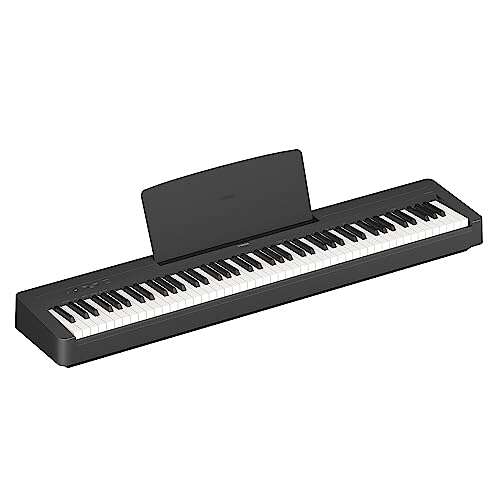
The easiest way to play “What a Friend We Have in Jesus” on piano is to use the key of C major with these chords: C, F, G7, and Am. Beginners can play the hymn with simple left-hand bass notes and right-hand triads. Most traditional arrangements use a steady hymn rhythm, often in 4/4 time, though some versions vary.
Introduction
For pianists in the United States, “What a Friend We Have in Jesus” is a familiar Christian hymn often heard in churches, funerals, hymn sings, and home worship. The words were written by Irish-Canadian poet Joseph M. Scriven, and the tune commonly used today was composed by Charles Crozat Converse.
This guide gives you a simple piano chord version in C major. It also explains how to play the chords, change keys, add a basic left-hand pattern, and avoid common mistakes. You do not need to read advanced sheet music to get started.


Easy Chords for “What a Friend We Have in Jesus”
The basic chords are:
| Chord | Notes |
|---|---|
| C major | C–E–G |
| F major | F–A–C |
| G7 | G–B–D–F |
| Am | A–C–E |
The main chord pattern is simple:
C     F     C
C     G7    C
Some arrangements also use Am and Dm for added color. If you are new to piano, start with only C, F, and G7. These chords cover much of the hymn and make a clear, stable sound.
Beginner chord shapes
Play the chords with your right hand:
- C: 1–3–5 fingers — C, E, G
- F: 1–3–5 fingers — F, A, C
- G7: 1–2–5 fingers — G, B, F
- Am: 1–3–5 fingers — A, C, E
The G7 chord normally includes the notes G, B, D, and F. Beginners may use the easier three-note shape G–B–F if stretching to four notes feels difficult.

“What a Friend We Have in Jesus” Chord Chart in C
The following chart is a simplified version for piano. It shows the chord movement without printing the full hymn text.
Verse chord progression
| C       | F       | C       | C       |
| C       | G7      | C       | C       |

| C       | F       | C       | C       |
| C       | G7      | C       | C       |
A fuller arrangement may use this variation:
| C       | F       | C       | Am      |
| Dm      | G7      | C       | C       |
The simpler progression is usually easier for congregational singing. The extended version gives the harmony more movement.
Refrain or final section
Many versions return to the same basic chords:
| F       | C       | G7      | C       |
| C       | F       | C       | G7      |
| C       | C       |          |         |
The exact chord placement depends on the edition, melody, and arrangement. Use the chord changes above as a practical beginner framework rather than as a substitute for a specific published score.


How to Play the Hymn on Piano
Start by learning the right-hand chords. Then add a simple left-hand part. This two-step method helps you keep the beat without becoming overwhelmed.
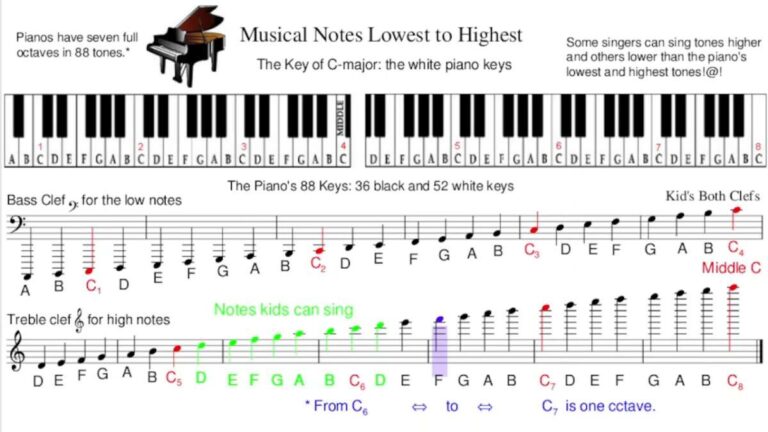
Step 1: Find middle C
Middle C is the white key just to the left of the group of two black keys near the center of the keyboard. Use it as your starting point for the C chord.
Step 2: Practice the chord changes
Play each chord for four steady counts:
C – 2 – 3 – 4
F – 2 – 3 – 4
C – 2 – 3 – 4
G7 – 2 – 3 – 4
Repeat the pattern until you can change chords without stopping. Accuracy matters more than speed.
Step 3: Add the left hand
Use one bass note in the left hand:
- Play C with the C chord.
- Play F with the F chord.
- Play G with the G7 chord.
- Play A with the Am chord.
For a fuller sound, play the bass note one octave below middle C and the chord with your right hand.
Step 4: Use a gentle hymn rhythm
A simple pattern is:
Beat 1: bass note
Beat 2: chord
Beat 3: chord
Beat 4: chord
You can also play the bass note on beat 1 and the complete chord on beat 3. This creates a calm, traditional accompaniment.

Easy Piano Accompaniment Patterns
Choose an accompaniment pattern based on your skill level and the setting.
Pattern 1: Block chords
Play the full chord once at the start of each measure.
Left hand:  C
Right hand: C major chord
This works well for beginners and for quiet solo practice.
Pattern 2: Bass-and-chord pattern
Play the bass note with the left hand, then the chord with the right hand.
Beat 1: Left-hand bass
Beat 2: Right-hand chord
Beat 3: Right-hand chord
Beat 4: Right-hand chord
Keep the volume soft. The hymn should sound steady, not rushed.


Pattern 3: Broken chords
Play the notes of each chord one at a time:
C–E–G–E
F–A–C–A
G–B–D–B
This pattern adds motion and works well for piano introductions or quiet verses.
Pattern 4: Chord inversions
Chord inversions keep your hand near the same keys. For example:
- C major: C–E–G
- F major: C–F–A
- G7: B–D–F–G
Using these shapes reduces large jumps and makes the progression smoother.

How to Play “What a Friend We Have in Jesus” in Other Keys
The key of C is a useful starting point, but singers may need a different key. To transpose the song, move every chord by the same number of half steps.
| Key | Common chords |
|---|---|
| C | C, F, G7, Am |
| G | G, C, D7, Em |
| F | F, Bb, C7, Dm |
| D | D, G, A7, Bm |
For example, the C-major progression:
C – F – C – G7 – C
becomes this in G major:
G – C – G – D7 – G
Choosing a key for singing
- C major: Easy for many beginner pianists.
- G major: Often comfortable for a medium-range voice.
- F major: Useful when C feels too high.
- D major: Can work well for some male voices and brighter arrangements.
The best key depends on the singer’s range. If the highest notes feel strained, move the song down. If the melody sounds too low, move it up.

How to Use Chord Inversions
Chord inversions change the order of a chord’s notes without changing its name. They help you move between chords with less hand movement.
C major inversions
- Root position: C–E–G
- First inversion: E–G–C
- Second inversion: G–C–E
F major inversions
- Root position: F–A–C
- First inversion: A–C–F
- Second inversion: C–F–A
G7 inversions
- Root position: G–B–D–F
- A practical close shape: B–D–F–G
- Another useful shape: D–F–G–B
Try this smooth movement:
C major: E–G–C
F major: F–A–C
G7:      F–G–B–D
C major: E–G–C
The notes stay close together. This makes the accompaniment sound connected and reduces awkward jumps.

Common Mistakes When Playing the Chords
Most problems come from rhythm, chord timing, or using too many notes too soon.


Changing chords too early
Do not change chords simply because the melody moves to a new word. Follow the chord chart or the harmonic phrase. Hold each chord for its full measure unless the arrangement shows a change.
Losing the beat
Practice with a slow metronome or count aloud:
1 – 2 – 3 – 4
A steady pulse is more helpful than playing quickly.
Using a G chord when G7 is needed
A plain G chord contains G, B, and D. The G7 chord adds F. That F creates tension that naturally leads back to C.
Playing too loudly
A hymn accompaniment should support the melody. If you are accompanying a singer or group, keep the chords softer than the melody.
Adding too many embellishments
Runs, fills, and passing chords can sound attractive, but they may hide the melody. Learn the basic version first, then add decoration one phrase at a time.

A Simple Practice Plan
Use this short routine for steady progress.
-
Practice the chord shapes alone.
Play C, F, G7, and Am several times. -
Practice the main progression.
Repeat C–F–C–G7–C at a slow speed. -
Add the left-hand bass notes.
Use one bass note per measure. -
Play with the melody.
Hum or sing the tune while changing chords. -
Practice the ending.
Slow down slightly and finish on a clear C major chord. -
Record one attempt.
Listen for uneven timing, missed chords, or excessive volume.
You are ready to move on when you can play the progression several times without stopping and can keep a steady beat while singing or humming the melody.


Key Takeaways
- The easiest key for beginners is C major.
- Start with C, F, and G7.
- Add Am or Dm when you want a fuller arrangement.
- Use one left-hand bass note with each chord.
- Practice slowly before adding broken chords or inversions.
- Transpose the song when the singer needs a different range.
- A specific published arrangement may use different chord changes.
Frequently Asked Questions
What are the easiest piano chords for “What a Friend We Have in Jesus”?
The easiest chords are C, F, and G7. Many arrangements also use Am and Dm, but beginners can play a recognizable version with the first three chords.
What key is best for beginners?
C major is usually the easiest because it uses only white keys. It also makes the basic chords simple to form and remember.
Can I play the hymn with only three chords?
Yes. A simplified version can use C, F, and G7. The exact number of chords depends on the arrangement and how much harmonic detail you want.
What time signature is the hymn in?
The commonly used tune is often arranged in 4/4 time, but published versions may use different notation, tempo markings, or rhythmic styles. Follow the score you are using if it differs.
How can I make the accompaniment sound more advanced?
Use chord inversions, broken chords, passing bass notes, and a short introduction. Add these only after you can play the basic progression with steady timing.
Why does my version sound different from another chord chart?
Hymn arrangements vary. A chart may use different inversions, extra passing chords, a different key, or a different placement of chord changes. Compare the chart with the melody and the specific arrangement you plan to play.
Conclusion
To play “What a Friend We Have in Jesus” on piano, begin in C major with C, F, and G7. Add Am or Dm for a richer sound, then use simple bass notes and close chord inversions to make the accompaniment smoother.
Practice the chord changes slowly, keep a steady pulse, and match the key to the singer. Once the basic version feels comfortable, add broken chords or a gentle introduction without covering the hymn’s melody.

Senior Music Reviewer
Alex Carter is a seasoned music reviewer with over a decade of experience in the world of sound and instruments. Passionate about helping musicians and enthusiasts make informed choices, he brings sharp insights and in-depth knowledge to every review. From classical instruments to modern gear, Alex combines technical expertise with a love for music to deliver content that resonates with readers.
As a Senior Music Reviewer and expert author on Tuneluma.com, Alex is dedicated to sharing honest evaluations, practical advice, and thoughtful commentary to guide readers in their musical journey.