If you want to play “Have Yourself a Merry Little Christmas” on guitar, start with a licensed tab or chord chart for the version you plan to sing. The song has many chord changes, and its mood depends on smooth voice leading, gentle timing, and rich chord colors.
The song was written by Hugh Martin and Ralph Blane for the 1944 American film Meet Me in St. Louis. Judy Garland first sang it on screen. Later recordings by artists such as Frank Sinatra, Judy Garland, and other U.S. performers use different lyrics, keys, tempos, and chord choices.
A single guitar tab cannot match every version. This guide explains how to find the right tab, read it, choose a key, and create a warm holiday arrangement without copying a full copyrighted tab.


Where to Find a Legal “Have Yourself a Merry Little Christmas” Guitar Tab
The safest option is to use a licensed digital tab, chord chart, or sheet music edition. Look for the exact arrangement you want, such as a beginner chord version, a fingerstyle arrangement, or a vocal-and-guitar score.
Useful places to check include:
- Musicnotes: Often lists licensed sheet music and guitar arrangements.
- Sheet Music Plus: Offers digital and printed music from licensed publishers.
- Hal Leonard: Publishes many legal songbooks and guitar editions.
- Your local music store: Staff may help you find a suitable holiday songbook.
- A public library: Many U.S. libraries carry seasonal songbooks and music collections.
Search with the song title plus the format you need:
Have Yourself a Merry Little Christmas guitar chordsHave Yourself a Merry Little Christmas fingerstyle guitar tabHave Yourself a Merry Little Christmas lead sheetHave Yourself a Merry Little Christmas guitar sheet musicHave Yourself a Merry Little Christmas Judy Garland guitar
Check the product details before buying. Some editions show only chords. Others include standard notation, tablature, melody, lyrics, or piano reduction.
Why tabs differ
The original song is not locked to one guitar arrangement. A tab may differ because of:
- The singer’s key
- The recording used as the model
- A capo position
- Chord substitutions
- An instrumental introduction
- Fingerstyle or pick-based technique
- A simplified beginner arrangement
- A jazz-style reharmonization
A chart labeled “easy guitar” may use basic open chords. A fingerstyle tab may use moving bass notes and extended chords. Both can be valid.

Basic Guitar Setup for the Song
Most players can use a standard six-string guitar in standard tuning:
E–A–D–G–B–E
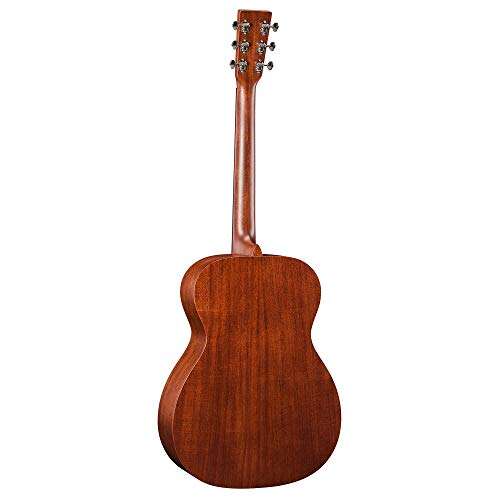
You do not need a special guitar. An acoustic guitar works well for a soft, close sound. A clean electric guitar can also fit the song, especially with light reverb and a warm pickup setting.
Before you start, check these points:


- Tune each string carefully.
- Choose a comfortable pick or use your fingers.
- Set a slow metronome.
- Find the key that suits your voice.
- Mark any chord that feels hard to change.
- Learn the rhythm before adding fills.
A capo can make the song easier to play. It also lets you use friendly open-chord shapes while raising the pitch. The correct capo position depends on the arrangement and your vocal range.
choosing the right key
The best key is the one that lets you sing without strain. Do not choose a key only because it matches a famous recording.
Use this simple test:
- Sing the lowest line of the verse.
- Sing the highest line of the chorus.
- Move the song up if the low notes feel weak.
- Move it down if the high notes feel tight.
- Stop if your throat feels tense.
A licensed chart may show a key such as C, D, F, or G. If that key does not suit you, transpose the chords or use a capo.
Capo and chord-shape example
This is a general method, not a complete song tab:
- Place a capo on the fret shown by your chart.
- Play the printed chord shapes as if the capo were the nut.
- The sounding pitch will be higher than the shape suggests.
- Use a tuner or piano to confirm the starting note.
For example, a chart may tell you to use familiar open shapes with a capo. That can reduce hard barre chords while keeping the song in the singer’s key.

How to Read the Guitar Tab
Guitar tab uses six horizontal lines. Each line represents a guitar string.
From top to bottom, tab usually shows:
- High E string
- B string
- G string
- D string
- A string
- Low E string
A number tells you which fret to play. A 0 means an open string.
Common symbols include:
h— hammer-onp— pull-off/— slide up\— slide down~— vibratox— muted noteb— bendr— release a bend
Chord diagrams are different. They show the guitar neck from the front. Dots mark finger positions, while an X means do not play the string and an O means play it open.
Always check the legend in your edition. Tab symbols can vary slightly between publishers.
How to count the rhythm
Many players can find the notes but still struggle with the song’s feel. Start with a slow count:
1 – 2 – 3 – 4


For a gentle ballad pattern, try:
- Bass note on beat 1
- Light chord on beat 2
- Bass or inner note on beat 3
- Light chord on beat 4
Do not force a strong beat. The song should feel calm and flowing. Let longer notes ring when the chord allows it.

A Simple Practice Method
Learn the song in small sections. Do not begin by trying to play the whole arrangement.
Step 1: Learn the chord changes
Play each chord once. Change between two chords at a time.
For example:
- Play the first chord.
- Count four slow beats.
- Change to the next chord.
- Repeat until the change feels easy.
- Add the next chord only after that.
This builds control without making the whole song feel overwhelming.
Step 2: Add a steady rhythm
Use one soft downstroke per beat. Keep the tempo slow. Your goal is even timing, not speed.
Once the changes are clean, try a gentle pattern such as:
Down – down – up – up – down – up
Use a light touch. If the pattern sounds too busy, return to simple downstrokes.
Step 3: Add bass movement
Many polished arrangements connect chords with bass notes. These notes help the music sound smooth.
For example, the bass may:
- Move by one fret
- Walk from the root to the next chord
- Use an open string between chords
- Descend while the upper chord stays similar
Learn the chord version first. Then add the bass notes from your licensed tab.
Step 4: Shape the melody
In a fingerstyle arrangement, the melody should stand out above the bass. Pluck the melody with your ring or middle finger. Use your thumb for the bass.


Practice slowly enough to keep the melody clear. If every note has the same volume, the tune may disappear.
Step 5: Record a short test
Use your phone to record one verse. Listen for:
- Uneven tempo
- Buzzing strings
- Missed chord changes
- Notes that stop too soon
- A melody that is too quiet
- Strumming that is too strong
A short recording can reveal problems that are hard to hear while playing.

Chord Styles That Fit the Song
Different chord types create different moods. Your licensed chart may use simple triads or richer chords.
| Chord style | Sound | Best use |
|---|---|---|
| Major chords | Clear and open | Beginner strumming |
| Minor chords | Gentle and reflective | Emotional sections |
| Seventh chords | Warm and classic | Jazz or traditional versions |
| Major seventh chords | Soft and dreamy | Fingerstyle arrangements |
| Sixth chords | Smooth and vintage | Old-style holiday sound |
| Suspended chords | Open and unresolved | Chord transitions |
| Slash chords | Moving bass line | More advanced arrangements |
You do not need every advanced chord to play the song well. A clean, simple arrangement often sounds better than a complex one played with pauses and mistakes.
Open chords or barre chords?
Open chords are often easier for new players. They also give the guitar a bright, ringing tone.
Barre chords may offer:
- Easier transposition
- A darker sound
- More even tone across the neck
- Better control in some keys
If a barre chord feels difficult, use a capo or find an alternate shape. A good arrangement should fit your hands as well as your ears.

How to Make a Beginner Arrangement Sound Better
A beginner version does not need to sound plain. Small changes can add warmth.
Use lighter dynamics
Play the verse softly. Let the sound grow during the emotional peak. Then relax at the end of the phrase.
Dynamics matter more than fast strumming. A quiet guitar with steady timing can sound more expressive than a loud guitar with busy fills.
Let open strings ring
When the chord allows it, let open strings continue into the next chord. This creates a gentle, connected sound.
Stop any open string that clashes with the next chord. If you hear a sour note, check which string is ringing.


Use partial chords
You do not always need to strum all six strings. Try playing only the top four strings for a lighter texture.
Partial chords are also useful when singing. They leave space for the voice.
Add a short introduction
A simple introduction can use:
- The first chord
- A slow arpeggio
- The final two chords of the verse
- A short melody phrase from your licensed arrangement
Keep the introduction short. The song works best when the vocal enters without a long delay.
Avoid too many fills
Fills can distract from the melody. Add one small fill at the end of a vocal line, then leave space for the next line.

Common Problems and Quick Fixes
The chords sound correct, but the song feels wrong
The rhythm may be the problem. Try playing fewer strokes and listening to the original recording or your licensed backing track.
The song needs space. A constant, hard strum can remove its calm mood.
The key is too high
Lower the key or move the capo. Do not push your voice to reach notes that cause strain.
If you use a capo, remember that the chord shapes stay the same while the sounding pitch rises.
The chord changes are too slow
Practice only the difficult pair. Do not repeat the whole song at full length.
Use a slow count. Place your fingers close to the strings. Avoid lifting every finger high off the fretboard.
The tab sounds unlike the recording
Check which recording the tab follows. Judy Garland’s film version and later recordings may use different forms and lyrics.
Also check whether the tab is:
- In the same key
- Using the same capo
- Written for fingerstyle or strumming
- Based on a live or studio recording
The guitar sounds harsh
Use a softer pick, strum closer to the fingerboard, or lower the volume. On electric guitar, reduce treble and add a small amount of reverb.


Do not cover every note with effects. A clean sound makes timing problems easier to hear.
The melody disappears in fingerstyle
Lower the bass volume and pluck the melody more firmly. Practice the melody alone first. Then add the bass one note at a time.

A Practical Version Guide
Choose the arrangement by your goal rather than by the word “easy.”
| Your goal | Best chart type | What to look for |
|---|---|---|
| Sing with basic guitar | Chord chart | Simple shapes and clear lyrics |
| Play solo guitar | Fingerstyle tab | Melody and bass together |
| Match a recording | Artist-specific tab | Recording, key, and capo details |
| Learn quickly | Beginner arrangement | Few barre chords |
| Add a jazz sound | Lead sheet | Seventh and extended chords |
| Play with others | Lead sheet or chord chart | Clear form and key |
A chord chart is usually enough for singing. A full tab is better for a solo performance. A lead sheet is useful when several musicians need to follow the same form.
Copyright and Sharing Considerations
“Have Yourself a Merry Little Christmas” is a copyrighted song in the United States. A full guitar tab can reproduce protected musical expression, including the melody and arrangement.
That is why this guide does not reproduce a complete tab or full lyric-and-chord chart. Use a licensed edition for the exact notes and arrangement.
You can still:
- Learn from a purchased tab
- Make private practice notes
- Create your own arrangement for personal use
- Share a link to a legal source
- Post a short original lesson exercise
- Discuss chord shapes and technique
Do not upload a complete scan or copied tab to a public forum. Do not assume that a tab is free to share because it appears on a search page.
For a public performance, also check the venue’s music licensing arrangements. In the United States, venues often handle performance licensing, but responsibility can vary by setting.

Frequently Asked Questions
Is there an easy guitar tab for “Have Yourself a Merry Little Christmas”?
Yes. Beginner arrangements usually reduce the song to basic chord shapes and a simple strum. A licensed chord chart may be easier than a full fingerstyle tab.
What key is best for guitar?
There is no single best key. Choose the key that fits your singing voice. Many guitarists use a capo to keep comfortable open-chord shapes while changing the sounding pitch.
Can I play the song with only chords?
Yes. Chords are enough for singing and group playing. Add melody notes, bass walks, or arpeggios only after the chord rhythm feels steady.
Is the Judy Garland version the same as the Frank Sinatra version?
No. The recordings can differ in lyrics, key, tempo, form, and chord treatment. Check the source recording named by your tab or chart.
Should I use a pick or my fingers?
Use whichever gives you better control. A pick suits steady strumming. Fingers work well for soft arpeggios and fingerstyle arrangements.
Why does my tab use a different capo than another tab?
The capo changes the guitar shapes and the sounding key. Two tabs may use different capo positions while producing the same musical pitch.

Final Takeaway
The best “Have Yourself a Merry Little Christmas” guitar tab depends on your goal. Choose a beginner chord chart for singing, a fingerstyle tab for solo guitar, or an artist-specific arrangement for a recording match.
Start in standard tuning. Pick a comfortable key. Practice the chord changes slowly. Then add gentle rhythm, bass movement, and melody detail.
For the exact notes, use a licensed tab or sheet music edition. That gives you a legal, reliable arrangement and lets you focus on what makes the song work: soft timing, clear chords, and a warm holiday feel.

Senior Music Reviewer
Alex Carter is a seasoned music reviewer with over a decade of experience in the world of sound and instruments. Passionate about helping musicians and enthusiasts make informed choices, he brings sharp insights and in-depth knowledge to every review. From classical instruments to modern gear, Alex combines technical expertise with a love for music to deliver content that resonates with readers.
As a Senior Music Reviewer and expert author on Tuneluma.com, Alex is dedicated to sharing honest evaluations, practical advice, and thoughtful commentary to guide readers in their musical journey.