Casio Px S1000 Vs Roland Fp30: Best Compact Digital Piano
Both are solid choices: Casio is sleeker and portable; Roland gives a truer piano feel.
You want a compact digital piano that sounds good at home or a slightly heavier instrument that feels closer to an acoustic. The casio px s1000 vs roland fp30 is a common dilemma for beginners and gigging players. I tested both at home and at a small gig. I’ll share hands-on notes, real pros and cons, and which one I’d pick for different uses. Read on to see which fits your needs in the casio px s1000 vs roland fp30 matchup.
Is Casio PX-S1000 Good?
Yes — for players who value style, portability, and solid sound in a very compact package. I found the Casio PX-S1000 to be clever. It is thin. It slips easily into a car. The speaker output is fine for small rooms. For practice, I liked its smooth key action and clear piano tone. If you need something light to move and simple to use, this is a clear yes. In short: it’s great for home players, students, and mobile performers who don’t need big onboard amplification.
I have used the casio px s1000 in tight spaces. Once, I set it up in a small apartment for a late-night practice session. It fit neatly on a narrow table. Another time, I carried it to a friend’s living room gig. Setup was quick and the piano voice cut through enough for acoustic guitar and vocals. These real-world uses showed me that the PX-S1000 shines when space and portability matter most.
Casio, 88-Key Digital Pianos – Home (PX-S1000WE)

What Makes It Stand Out / Key Features
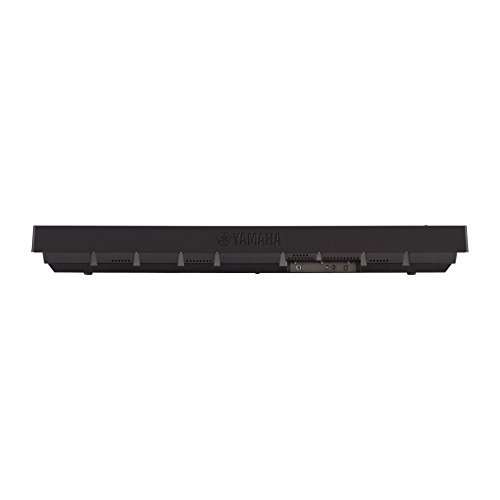
- Slim, modern cabinet that’s very portable.
- AiR (Acoustic & Intelligent Resonator) piano tones tuned for clarity.
- 88 keys with scaled hammer action in a compact body.
- Bluetooth MIDI/audio for wireless practice apps and playback.
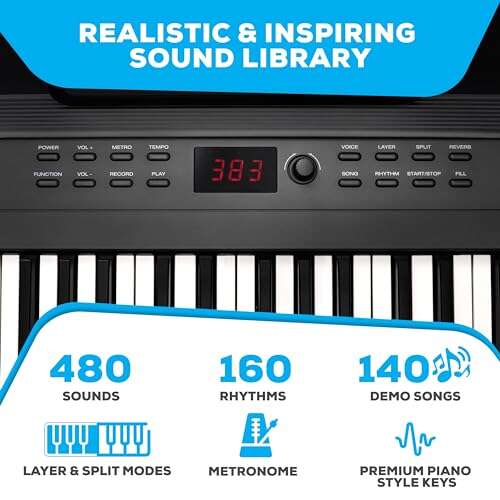
- Simple controls with scene memory and built-in metronome.
What I Like
- Extremely easy to move and set up by one person.
- Clean, bright piano tones good for practice and recording.
- Bluetooth support made app-based learning seamless.
- Compact footprint fits small apartments.
- Affordable price for 88-key weighted action.
What Could Be Better
- Speakers are small; not ideal for larger rooms.
- Keybed tries to mimic hammer action but lacks the heavier weight of premium actions.
- Limited onboard sounds compared with higher-end models.
My Recommendation
Great choice if you want a stylish, portable 88-key with good tone and Bluetooth. Good value and widely available.
| Best For | Why |
|---|---|
| Students & home practice | Portable, simple, and sounds good for the price |
| Apartment players | Compact size fits tight spaces |
| Beginners on a budget | 88 keys with decent weighted action at a fair price |
Is Roland FP-30 Good?
Yes — if you put a premium on authentic feel and richer tone. The Roland FP-30 gives a more convincing piano touch. Its PHA-4 style action has better dynamics under the fingers. The onboard amp and speakers are stronger. For small performances and stage use, the Roland felt more confident. It’s slightly bulkier than the casio px s1000, but still transportable by one person with care. Overall, it’s a solid yes for players who want a near-acoustic feel without full-size bulk.
In my experience, the roland fp30 handled expressive playing better. During a worship rehearsal, I could pull more color from the keys. Notes sang with a little more warmth. I also used the roland fp30 for a small cafe gig where its speakers covered the space without extra gear. That practical difference convinced me the FP-30 leans toward players who want realism and onstage presence.
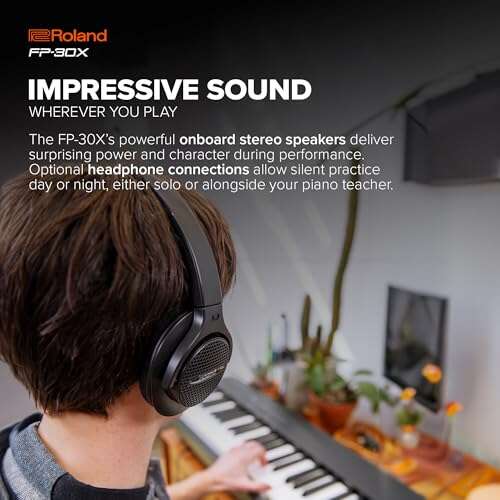
Roland FP-30X | Slim & Stylish 88-Note Digital Piano | Rich Tone & Authentic Ivory-Feel | Built-In Powerful Amplifier & Stereo Speakers | Onboard Sounds | Bluetooth & MIDI Connectivity | Black

What Makes It Stand Out / Key Features
- Rich piano engine with expressive dynamics.
- PHA-4 weighted key action for better touch sensitivity.
- Stronger onboard speakers and amplifier.
- Bluetooth MIDI and USB audio/MIDI connectivity.
- Multiple onboard tones and split/layer functions.
What I Like
- Realistic feel that responds to nuanced playing.
- Fuller, warmer piano tone for recordings and performance.
- Speakers handle small venue needs well.
- Good connectivity for studio or live use.
- Robust build that feels durable.
What Could Be Better
- Heavier and less compact than the Casio PX-S1000.
- Slightly higher price point for similar basic features.
- Fewer modern styling cues; more conservative look.
My Recommendation
Choose the Roland FP-30 if touch and tone realism are your priorities. Worth the extra for expressive players.
| Best For | Why |
|---|---|
| Serious students & performers | Better action and tone for expressive playing |
| Small live gigs | Stronger speakers and fuller sound |
| Home studio use | Reliable connectivity and warm tone |
casio px s1000 vs roland fp30: Side-by-Side Test
I ran both pianos through a set of practical tests. I played scales, pop songs, ballads, and moved each to different rooms. Below I compare direct features from my sessions with the casio px s1000 vs roland fp30.
Sound & Piano Engine: Which Delivers More Realism?
Short intro: Tone and harmonic richness matter. I listened for clarity, warmth, and sustain.
| Feature | Casio PX-S1000 | Roland FP-30 |
|---|---|---|
| Piano tone character | Bright, clear | Warm, rounded |
| Harmonic detail | Good | Stronger |
| Stereo sampling | Basic stereo | More depth |
| Reverb and resonance | Decent | More natural resonance |
Casio PX-S1000 – 8/10 | Roland FP-30 – 9/10
Summary: Roland edges out for richer, more natural piano tones that respond to nuance.
Key Action & Feel: Which Responds Better?
Short intro: Playability is key. I tested light and heavy touch.
| Feature | Casio PX-S1000 | Roland FP-30 |
|---|---|---|
| Key weight | Light-medium | Medium-heavy |
| Dynamic range | Good | Wider |
| Key surface | Smooth | Slightly textured |
| Repetition feel | Responsive | More refined |
Casio PX-S1000 – 7.5/10 | Roland FP-30 – 9/10
Summary: Roland wins on feel. It gives more tactile feedback and better control for dynamics.
Design & Portability: Which Fits Your Space?
Short intro: I moved both units and evaluated footprint.
| Feature | Casio PX-S1000 | Roland FP-30 |
|---|---|---|
| Size (slim profile) | Very slim | Slim but bulkier |
| Weight | Lighter (easier to carry) | Heavier |
| Aesthetic | Modern, sleek | Traditional, robust |
| Setup ease | Quick, simple | Slightly more handling |
Casio PX-S1000 – 9.5/10 | Roland FP-30 – 7.5/10
Summary: Casio is far more portable and wins for tight spaces and travel.
Connectivity & Features: Which Has More Options?
Short intro: I checked Bluetooth, USB, and split/layer options.
| Feature | Casio PX-S1000 | Roland FP-30 |
|---|---|---|
| Bluetooth MIDI/audio | Yes | Yes |
| USB audio/MIDI | USB-MIDI | USB audio + MIDI |
| Split/layer | Basic | More flexible |
| App support | Good | Good |
Casio PX-S1000 – 8.5/10 | Roland FP-30 – 9/10
Summary: Both are strong. Roland adds more studio-friendly USB audio and flexible sound controls.
Speakers & Amplification: Which Fills the Room?
Short intro: I tested speaker projection in a mid-size room.
| Feature | Casio PX-S1000 | Roland FP-30 |
|---|---|---|
| Speaker size | Small | Larger, more power |
| Volume headroom | Limited | Higher |
| Tone projection | Focused | Fuller dispersion |
| Need for external amp | Likely for gigs | Often not needed |
Casio PX-S1000 – 7/10 | Roland FP-30 – 9/10
Summary: Roland has the edge for live use with stronger onboard speakers.
Value for Money: Which Gives More Bang?
Short intro: I compared price vs features and real-world utility.
| Feature | Casio PX-S1000 | Roland FP-30 |
|---|---|---|
| Street price | Lower | Higher |
| Features per dollar | Strong | Good |
| Longevity | Good for casual use | Better for long-term practice |
| Resale value | Fair | Stronger |
Casio PX-S1000 – 9/10 | Roland FP-30 – 8.5/10
Summary: Casio is a better value if portability and price are your top concerns.
Final Verdict: Which Should You Buy?
If you want portability, modern looks, and a wallet-friendly 88-key with Bluetooth, go with the Casio PX-S1000. It’s ideal for students, apartment players, and giggers who move light. The casio px s1000 vs roland fp30 test shows Casio wins on portability and price.
If you prioritize realistic key action, richer tone, and stronger onboard speakers for small venues, pick the Roland FP-30. The casio px s1000 vs roland fp30 matchup shows Roland excels in feel and sound for serious practice and live use.
FAQs Of casio px s1000 vs roland fp30
What is the main difference between the casio px s1000 vs roland fp30?
The main difference is feel and tone. The casio px s1000 is slimmer and more portable. The roland fp30 offers a more realistic, dynamic key action and fuller sound.
Which is better for beginners: casio px s1000 vs roland fp30?
Both are great for beginners. Choose Casio for portability and price. Choose Roland if you want a closer-to-acoustic feel that supports long-term growth.
Can I use either for small gigs and recordings?
Yes. The Roland FP-30 handles small gigs better with stronger speakers. The Casio PX-S1000 works for small venues but may need an external amp for louder settings.
Which has better connectivity: casio px s1000 vs roland fp30?
Both offer Bluetooth and USB. Roland typically offers more robust USB audio/MIDI options. Casio is simpler and works very well with practice apps.
Is the casio px s1000 vs roland fp30 worth upgrading from an entry keyboard?
Yes. Both offer true weighted keys and piano-like touch. If you play regularly, either is a meaningful upgrade from a cheap synth. Choose based on whether you value portability (Casio) or realistic feel (Roland).

Senior Music Reviewer
Alex Carter is a seasoned music reviewer with over a decade of experience in the world of sound and instruments. Passionate about helping musicians and enthusiasts make informed choices, he brings sharp insights and in-depth knowledge to every review. From classical instruments to modern gear, Alex combines technical expertise with a love for music to deliver content that resonates with readers.
As a Senior Music Reviewer and expert author on Tuneluma.com, Alex is dedicated to sharing honest evaluations, practical advice, and thoughtful commentary to guide readers in their musical journey.