
How To Play Steel Drums: Easy Beginner’s Guide
Striking tuned steel pan notes with mallets lets you play melodies, chords, and lively rhythms.
I’ve played and taught steel drums for years, and I know how to play steel drums so you sound musical fast. This article gives a clear, step-by-step guide to learning technique, reading the pan layout, choosing gear, practicing effectively, and performing with confidence. Expect practical tips from real-world experience, easy practice routines, and troubleshooting that help beginners and intermediate players master the instrument.
What a steel drum is and why it matters
A steel drum, or steel pan, is a tuned metal instrument from Trinidad and Tobago. It holds notes across a concave surface. Players strike note areas with mallets to make sound. Learning how to play steel drums opens doors to melodic playing, Caribbean styles, and versatile ensemble work.
Steel drums come in many ranges. A tenor pan plays high melodies. A double second or cello pan covers mid-range notes. Bass pans add low harmony. Knowing how to play steel drums means understanding these ranges and their roles in music.

Choosing the right instrument and gear
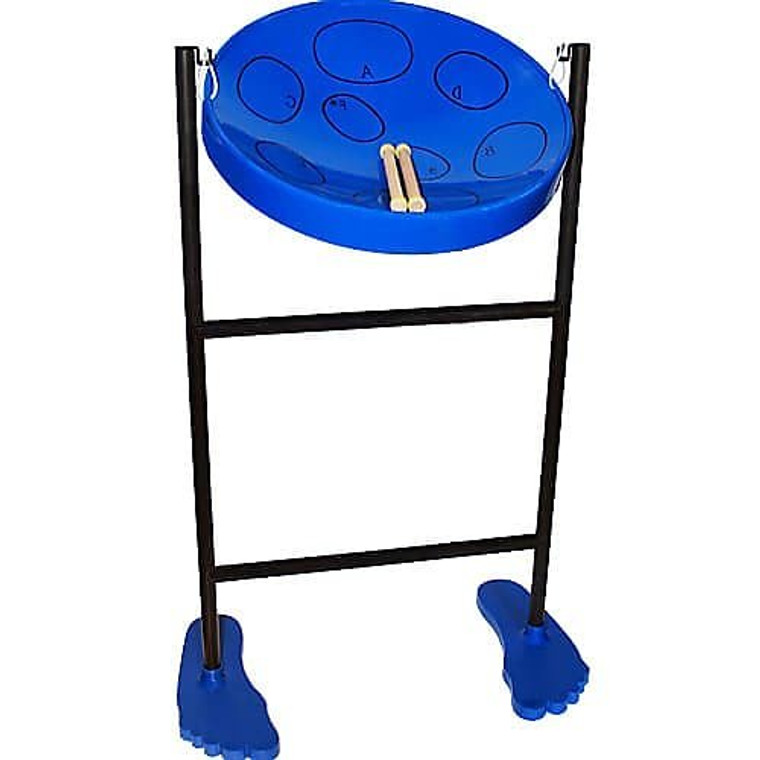
Pick a pan that matches your goals and budget. Beginners often start with a tenor pan or an all-in-one practice pan. Quality and tuning matter more than price. Choose an instrument that stays in tune and responds well to light touch.
Essential gear to learn how to play steel drums
- Mallets: Use rubber-tipped sticks for bright tone and softer sticks for gentler sound. Try a few types and pick what feels right.
- Stand: A solid, adjustable stand keeps the pan at a comfortable height.
- Case or cover: Protect tuning and metal from dents and moisture.
- Tuner or keyboard reference: Helps train your ear and match pitch.
I once bought cheap mallets that bruised the pan tone. Upgrading to proper sticks improved my clarity. Trust your ears and invest in one good set of mallets early.
Understanding the pan layout and notation
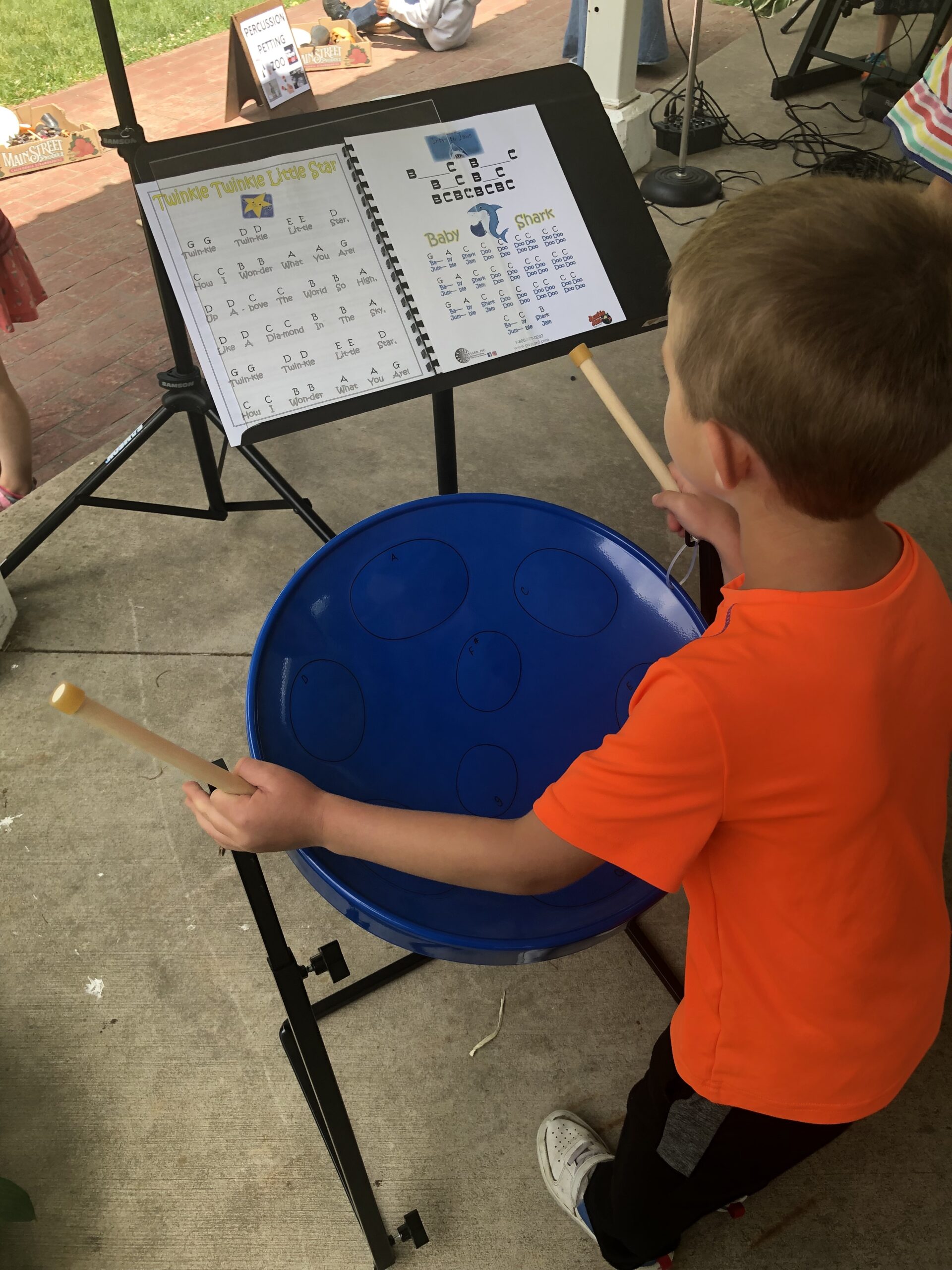
Each pan has note zones stamped on the surface. Notes are tuned and grouped by scale. A tenor pan usually uses an alternate layout that places common melody intervals close together. Learning how to play steel drums starts with recognizing this map.
How to read steel pan music
- Tab and sheet music: Use simple sheet music or pan tab that maps notes to pan zones.
- Ear-learning: Many players learn songs by listening and matching pitches on the pan.
- Letter names and solfège: Practice saying note names as you play to build language and memory.
I teach students to mark their pan with removable stickers at first. It speeds up learning and helps correlate notation to physical notes.

Basic technique: grip, stance, and striking
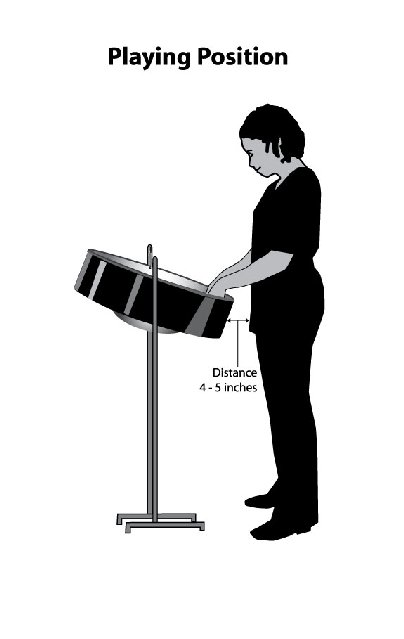
Good technique makes playing feel easy and protects the pan. Stand or sit with relaxed shoulders. Keep elbows slightly away from the body. Hold mallets lightly near the end for bounce and control.
Steps to learn how to play steel drums
- Grip: Hold the mallet like a pencil with the thumb and two fingers. Let the wrist do the motion.
- Strike: Aim for the center of each note area. Use a short, controlled stroke.
- Rebound: Let the mallet rebound naturally. Do not press into the pan.
- Damping: Use the fingers or palm to stop notes when needed.
Early on, students often hit too hard. Lighter strokes give cleaner tone and help tuning last longer.

Scales, chords, and theory basics for steel pans
Learning scales helps you improvise and read music. Major and minor scales are essential. The pan layout favors certain keys, making some tunes easy and others harder.
Practice routine to learn how to play steel drums scales
- Warm-up: Play the major scale up and down slowly.
- Hands separate: Practice melody with the right and simple harmony with the left.
- Simple chord shapes: Learn triads and play them as rhythmic hits.
Practice keys that match your pan. For tenor pans, C and G major often feel natural. Bass pans require different thinking and should be learned later.

Playing simple songs and building repertoire
Start with short melodies. Children’s songs and folk tunes are great first choices. Learn the tune phrase by phrase and then connect phrases.
Step-by-step song practice
- Listen to the song and hum the melody.
- Find the first phrase on the pan.
- Play slowly with a metronome.
- Add left-hand chords or simple bass hits.
I taught a beginner to play a familiar nursery tune in three sessions. Short, focused practice beats long, unfocused hours.

Practice routines that deliver steady progress
Short daily practice beats long weekly sessions. Aim for 20–30 minutes per day at first. Break practice into focused segments.
Sample 30-minute routine to learn how to play steel drums
- 5 minutes: Warm-up scales and wrist motion.
- 10 minutes: Technique drills, single-note accuracy.
- 10 minutes: Song practice or learning a new phrase.
- 5 minutes: Play for fun or record a short take.
Record yourself weekly. Listening back reveals small issues you can fix quickly.

Tuning, maintenance, and care
Steel drums need tuning and gentle care. Tuning adjusts major note zones for pitch and tone. Tuning should be done by a trained tuner. Attempting DIY tuning can harm the instrument.
Daily and monthly care for longevity
- Keep the pan dry and clean with a soft cloth.
- Avoid heavy knocks or dropping mallets.
- Store under a cover and avoid extreme heat or humidity.
- Have a professional tuner check the pan yearly or as needed.
I once ignored a small dent and later needed a full retune. Regular care prevents costly repairs.
Arranging and playing with others
Arranging parts helps you fit into bands and steel orchestras. Know your register and support the lead melody. When you learn how to play steel drums in an ensemble, listen first and adjust your volume to blend.
Tips for ensemble playing
- Play simple comping patterns behind a melody.
- Leave space for vocals and solos.
- Use dynamics to match the group energy.
In group rehearsals, I always ask for a quick run-through at low volume first. It reveals balance issues fast.
Common mistakes and how to fix them
Beginners make predictable errors. Recognizing them saves time.
Frequent mistakes when learning how to play steel drums
- Hitting too hard: Use lighter strokes for better tone.
- Ignoring posture: Sit or stand too low, causing wrist tension.
- Skipping scales: Limits your ability to improvise.
- Neglecting ear training: Makes playing by ear harder.
Fixes are simple. Slow down. Practice small sections. Use a tuner sparingly and train your ear.
Performance tips and stage readiness
Performing is different from practice. Learn a short, reliable set. Prepare for simple things that go wrong.
Performance checklist to play steel drums live
- Tune and check mallets before show.
- Warm up and stretch wrists.
- Have backup mallets and cloth.
- Use a quiet metronome or in-ear click if needed.
I once played outdoors without a cover. Wind changed tuning slightly. Now I always test outdoors first.
Where to learn and resources
You can learn how to play steel drums via private lessons, community bands, or online courses. Local steel orchestras often welcome newcomers and provide hands-on learning.
Resources that help beginners
- Private tutor for tailored feedback.
- Community steel bands for ensemble skills.
- Online videos and tabs for practice songs.
- Sheet music adapted for pan layouts.
Be selective with online tutorials. Look for teachers who show technique and layout clearly.
Personal lessons learned and practical tips
From years of playing and teaching, here are lessons I still use every day. They helped my students progress faster and feel more confident.
What I learned
- Slow practice builds clean technique. Speed follows accuracy.
- Use visual markers for early learning. Remove them over time.
- Play music you love. Motivation beats routine.
- Record and review every month to track growth.
One student improved by practicing only five minutes of scales daily. Consistency matters more than duration.
Frequently Asked Questions of how to play steel drums
How long does it take to learn basic songs on steel drums?
Many players learn simple melodies in weeks with regular practice. With 20–30 minutes daily, basic songs can be ready in a month.
Do I need to read music to play steel drums?
No. You can learn by ear, use tab, or read standard notation. Reading helps for complex arrangements and playing with bands.
What mallets should I use as a beginner?
Start with medium rubber-tipped mallets for balance between tone and control. Try softer or harder tips to find the sound you like.
Can I tune a steel pan myself?
Tuning a pan requires skill and tools. It’s safer to use a trained tuner to avoid damaging the instrument.
Is the steel drum hard on the hands?
No. Steel pans are gentle on the hands when played with correct technique and mallets. Poor technique can cause soreness.
What is the best practice routine for beginners?
Short, focused sessions with warm-ups, technique drills, and song practice work best. Aim for consistency over long sessions.
Can I play many genres on steel drums?
Yes. Steel drums fit pop, jazz, Latin, and classical music with the right arrangement. Learning harmony expands your options.
Conclusion
Learning how to play steel drums is a rewarding journey. Start with the right instrument and mallets, learn the pan layout, focus on light strokes, and practice a short daily routine. Join a community, record your progress, and keep songs you love in your practice. With steady, mindful practice you will gain confidence and musical skill.
Try one focused 20-minute session every day this week. Track one song from first note to smooth performance. Share your progress with a local band or online group to get feedback and stay motivated. Leave a comment below to tell me what song you’ll start with and any barrier you want help overcoming.

Senior Music Reviewer
Alex Carter is a seasoned music reviewer with over a decade of experience in the world of sound and instruments. Passionate about helping musicians and enthusiasts make informed choices, he brings sharp insights and in-depth knowledge to every review. From classical instruments to modern gear, Alex combines technical expertise with a love for music to deliver content that resonates with readers.
As a Senior Music Reviewer and expert author on Tuneluma.com, Alex is dedicated to sharing honest evaluations, practical advice, and thoughtful commentary to guide readers in their musical journey.