Best Rain Drums For Outside: Top Outdoor Picks
The best rain drums for outside blend weather-ready steel, clear notes, easy play, and simple care for lasting outdoor fun.
Have you ever sat on a porch during a soft rain and wished the garden had its own soundtrack? A rain drum can add that gentle, bell-like mood without wires, batteries, or complex lessons. I tested these picks by looking at size, note count, portability, outdoor use, included gear, and likely care needs. Keep in mind that “waterproof” does not mean every drum should stay outside all year. A covered spot, quick drying, and seasonal indoor storage will help protect the finish and keep the tone bright.
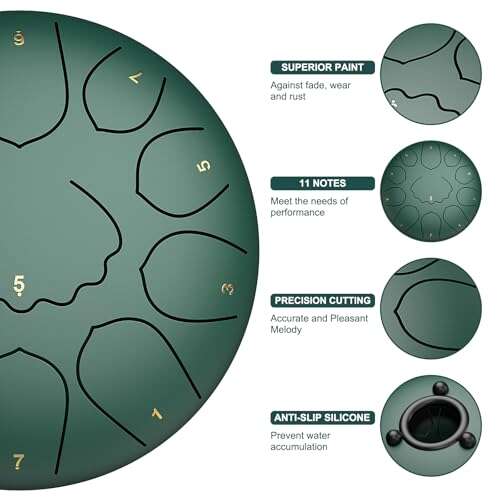
Rain Drum 8-Inch 11-Note Green

This 8-inch green rain drum offers a useful middle ground for outdoor play. Its 11 steel tongues give it more melodic range than a tiny starter drum, yet the body remains easy to carry. The green finish also fits well beside plants, stone paths, and patio furniture. I like this size for users who want a calm instrument that can still play simple tunes.
The set includes a bag, music book, and mallets, so a new player can start with little extra cost. The steel body should produce a soft, rounded voice when tapped with the included beaters. It can suit meditation, garden gatherings, classroom music, or quiet porch time. Even so, I would place it under a roof and wipe away rain after use rather than treating it as a permanent yard fixture.
Pros:
- 11 notes offer a broad range for simple melodies
- 8-inch size balances sound and portability
- Green finish looks natural in a garden setting
- Includes a carrying bag for storage and travel
- Music book helps beginners learn at their own pace
- Mallets support both light and firm playing styles
Cons:
- It may need more care than a drum kept indoors
- The larger body takes more space than a mini model
- Outdoor rain can still affect metal if moisture remains on the surface
Rain Drum 8-Inch 11-Note Lake Blue

The lake blue version uses the same practical 8-inch format but brings a cooler look to the outdoor space. Its 11-note layout gives beginners room to explore without making the drum feel confusing. The compact steel shell works well on a small table, bench, or meditation mat. I see it as a strong choice for buyers who care about both sound and visual style.
This rain drum comes with a bag, book, and mallets, which makes it gift-ready. Its note layout should let players create pleasant patterns even before they understand music theory. The blue finish can stand out against wood decks and green plants. For best results, keep it in a covered area, avoid standing water, and store it indoors during harsh weather or long periods of nonuse.
Pros:
- 11-note range supports songs and free play
- Lake blue finish adds a bright decorative touch
- Small enough for patios, balconies, and porches
- Included accessories make setup fast
- Suitable for meditation, yoga, and casual music
- Carrying bag helps reduce dust and storage clutter
Cons:
- Blue paint may show dirt more quickly than a dark finish
- It is not a substitute for a full-size handpan
- Players should not leave it exposed to constant weather
Rain Drum 6-Inch 8-Note Green

This 6-inch green model is made for simple play and easy movement. With eight notes, it offers a less crowded layout that may feel friendly to children, first-time players, and casual users. Its small body fits well on a side table or in a travel bag. The sound will not fill a large garden like a big drum, but it can create a sweet, close-range tone.
The included bag, book, and drum mallets add useful value for a starter kit. I would choose this size for short practice sessions, quiet meditation, or a child who enjoys making gentle sounds. The smaller surface also makes it easy to hold on your lap. As with any painted steel instrument, dry it after wet use and check for chips or scratches over time.
Pros:
- Compact size works well for travel and small homes
- Eight notes keep the playing layout simple
- Lightweight design is easy for younger users to handle
- Green color blends with outdoor plants and decor
- Includes the core accessories needed to begin
- Good fit for quiet personal practice
Cons:
- Eight notes provide less range than 11- or 15-note drums
- Small size produces a more modest volume
- It may feel limiting for advanced players
Vesyman 8.5-Inch 11-Note Rain Drum

The Vesyman 8.5-inch rain drum gives outdoor musicians a little more body than a 6-inch model. Its 11-note steel tongue design should feel versatile for both rhythm patterns and simple melodies. The size remains manageable for a porch, garden seat, or travel session. I would place this model on the shortlist for adults who want a balanced instrument rather than a very small novelty piece.
The wider shell may offer a fuller feel under the hands, while the 11 notes keep learning approachable. It can support mindfulness sessions, light background music, and relaxed group play. Before buying, confirm the current package details because included accessories can vary by seller or listing update. For outdoor use, shade and shelter matter as much as the word “rain” in the product name.
Pros:
- 8.5-inch body gives a comfortable playing surface
- 11 notes support more musical ideas than a mini drum
- Useful size for adults and older beginners
- Works for garden music, meditation, and casual practice
- Steel tongue format needs no tuning during normal use
- More substantial feel than many compact models
Cons:
- Accessory contents should be checked before purchase
- It may be less convenient to carry than a 6-inch drum
- Outdoor storage still requires protection from moisture and heat
Rain Drum 6.8-Inch 13-Note Malachite

This 6.8-inch steel tongue drum stands out with 13 notes and a malachite-style finish. The extra notes give experienced beginners more room to build patterns and test short melodies. Its size stays compact, so it can sit on a meditation cushion or move from room to garden with ease. The printed note markings may also help players find tones without guessing.
I especially like the balance between a small footprint and a more complete note set. The geometric design gives it a gift-quality look, while the steel construction keeps the basic setup simple. A player can use fingers or mallets, depending on the desired attack and volume. Because decorative prints can wear if rubbed or soaked, I recommend using a soft cloth and keeping the drum under cover.
Pros:
- 13 notes offer strong melodic flexibility in a compact body
- Geometric print creates a distinctive gift appearance
- 6.8-inch size suits travel and small outdoor spaces
- Marked notes can help new players learn patterns
- Works for meditation, yoga, and light musical practice
- Malachite color pairs well with natural garden settings
Cons:
- More notes may feel busy for a very young beginner
- Decorative printing needs gentle cleaning
- Small size may not deliver the volume some outdoor groups need
Dark Blue 6-Inch 11-Note Rain Drum

This dark blue rain drum combines a small 6-inch body with an 11-note layout. That combination makes it more capable than many mini drums without becoming hard to pack. The dark finish looks understated and can hide minor dust between cleanings. I find this format appealing for a user who wants a portable instrument with enough notes for varied practice.
The drum can create a soft, rounded voice when played with a light touch. It may work well beside a fountain, on a covered deck, or in a quiet indoor room after a rain session. The product title identifies it as a rain chime and raindrop drum, but buyers should still follow normal steel care. Dry the surface, protect it from long wet periods, and avoid leaving it in direct summer sun.
Pros:
- 11 notes fit into a travel-friendly 6-inch design
- Dark blue finish looks clean and versatile
- Easy to place on a small table or lap
- Suitable for beginners who want more than eight notes
- Soft tones fit meditation and quiet outdoor use
- Compact shape makes storage simple
Cons:
- Small size limits projection in a busy outdoor setting
- It may not satisfy players seeking deep bass tones
- Rain exposure still calls for prompt drying
12-Inch 15-Note Purple Rain Drum

This 12-inch purple rain drum is the largest and most musically flexible option in this group. Its 15 notes give a player more space for melodies, chord-like patterns, and longer practice sessions. The larger surface may also feel more natural for adults who prefer a full instrument under both hands. It is better suited to a stable table or floor stand than to casual one-handed carrying.
The set includes a music book, mallet, and carrying bag, which helps a beginner get started. A larger tongue drum can project better than a small model, though the exact volume still depends on the steel shell and playing force. I would pick it for a quiet garden class, family music time, or an adult who plans to practice often. Its size and cost may be more than a casual user needs, so think about where you will store it before ordering.
Pros:
- 15 notes provide the widest melodic range in this group
- 12-inch body gives adults a spacious playing area
- Strong choice for regular practice and group use
- Purple finish gives the instrument a bold visual presence
- Includes a music book and carrying bag
- More likely to project across a quiet garden than mini drums
Cons:
- Larger size is less portable than 6-inch models
- It takes more shelf or table space to store
- Beginners may need time to learn the wider note layout
LONCHAN 6-Inch 11-Note Steel Tongue Drum

The LONCHAN model focuses on a compact body and a generous accessory set. Its 11 notes give beginners a clear path into steel tongue drum playing, while the 6-inch size keeps it easy to carry. The listing includes a bag, music book, mallets, finger picks, and stickers. That package feels practical for a gift, especially when the recipient has never owned a tongue drum.
Finger picks can add another way to explore the notes, while mallets create a more focused strike. The included stickers may help a new player remember note positions during early practice. This is a useful rain drum for outside when you want to move between a porch, studio, and campsite. I would still avoid leaving the instrument in open rain because accessories and metal surfaces both last longer when kept dry.
Pros:
- Complete kit includes several useful playing accessories
- 11 notes offer a good beginner-to-intermediate range
- 6-inch body is easy to carry and store
- Finger picks provide another playing option
- Stickers may help children and beginners learn note placement
- Good gift choice for meditation and music fans
Cons:
- The extra accessories can feel unnecessary for simple players
- Small body may have limited outdoor projection
- Players should inspect the finish after wet or humid use
REGIS 6.8-Inch 13-Note Malachite Drum

The REGIS rain drum uses a 6.8-inch body and 13 notes, so it sits between a small starter model and a larger performance drum. Its UV-printed notes and geometric design give it a polished look for a garden shelf or meditation corner. I like the note count because it offers creative room without the footprint of a 12-inch drum. The malachite color adds a natural, stone-like feel.
The package includes a bag, mallets, and music book, which covers the main needs of a new player. The printed notes can make practice less stressful because the player can connect symbols with the book. It should suit yoga teachers, gift buyers, and adults who want a decorative instrument they can also play. Store it in shade when possible, since heat, moisture, and rough handling can shorten the life of any printed finish.
Pros:
- 13-note layout provides room for creative playing
- UV-printed notes are useful for guided practice
- Geometric design looks attractive in a modern garden
- Compact 6.8-inch body is easy to move
- Includes bag, mallets, and music book
- Good fit for meditation, yoga, and mindful play
Cons:
- Printed details may need gentle handling
- It may not be loud enough for a large group outdoors
- The note layout can take practice for complete beginners
BABORUI Mini 3-Inch 6-Note Rain Drum

The BABORUI mini rain drum is built for buyers who want the smallest, simplest option. At 3 inches with six notes, it can fit in a hand, small drawer, or compact gift box. The short note layout makes it less intimidating for children and first-time users. It is also a fun choice for a covered garden table where you want a light musical accent rather than a full practice instrument.
The product description highlights an upgraded non-waterlogging design for rain use. Even with that feature, I would not leave a small steel instrument outdoors without shelter. The mini format is best for brief play, travel, gifts, and sensory music activities. Expect a smaller sound and less melodic range than the larger drums in this review, but also expect easy storage and low space demands.
Pros:
- Very small size makes it easy to carry
- Six notes offer a simple entry point for children
- Fits small patios, balconies, and garden tables
- Non-waterlogging design is useful for brief rain exposure
- Malachite finish gives the mini drum a decorative look
- Easy to store when the outdoor session ends
Cons:
- Six notes limit melody options
- Three-inch body produces less volume and resonance
- Not the best choice for serious adult practice
My Recommendation
After comparing these models, I would choose based on how you plan to use the drum. The 8-inch, 11-note green and lake blue models are the safest all-around picks for most adults. They offer enough notes for real practice, remain easy to move, and include the main accessories. The 6-inch and 6.8-inch options make more sense when space, price, or portability matters most.
For the broadest musical range, the 12-inch, 15-note purple drum is the strongest choice. It gives a regular player more room to grow and should work better for a calm group setting. For a child or small gift, the BABORUI mini model is less costly to store and easier to understand. In my view, the best rain drums for outside are the ones you will actually bring out, play often, and protect after each session.
| Best for | Why |
|---|---|
| Most adults and casual players | An 8-inch, 11-note drum offers a strong mix of range, size, and easy learning. |
| Regular practice and small groups | The 12-inch, 15-note purple model gives the widest note range and a larger playing surface. |
| Children, travel, and small spaces | The BABORUI 3-inch, 6-note drum is simple to handle, easy to store, and quick to pack. |
How to Choose the Best Rain Drums for Outside
Shopping for a rain drum can seem simple until you compare note counts, sizes, finishes, and care instructions. These instruments look alike at first glance, but they serve different users. I focus on the points below because they affect daily enjoyment more than a flashy product photo.
Start with the size
Size affects comfort, volume, note spacing, and storage. A 3- to 6-inch drum is easy to carry but usually has a smaller sound. An 8-inch drum gives a better balance for most adults. A 12-inch body can feel more open and project farther, but it needs a stable place to sit.
If you plan to play on a balcony or small porch, measure the table first. A drum that fits your space will get more use than one that stays in a box. For camping or travel, a smaller body saves room. For group meditation, a larger body may be easier for others to hear.
Compare the note count
Note count tells you how much musical range the instrument offers. Six notes keep the layout very simple. Eight notes work well for basic patterns. Eleven and 13 notes give beginners more choices without becoming too complex.
A 15-note drum is better for someone who wants to learn more songs or create longer melodies. More notes do not automatically mean better sound. They simply give you more tones to use, so choose a layout that matches your skill and patience.
Look at the steel body and finish
Steel tongue drums use cut tongues in a metal shell. When you tap a tongue, the shell vibrates and creates a clear, rounded tone. The finish helps protect the surface, but paint and printed designs still need care.
Outdoor humidity can lead to problems if water stays on the metal. The National Oceanic and Atmospheric Administration notes that humid air contains more water vapor, and that moisture can settle on cool surfaces. In practical terms, wipe the drum dry after damp use and avoid storing it in a wet bag.
Do not confuse water resistance with all-weather storage
Many listings use words such as waterproof, rain drum, or non-waterlogging. These terms can describe a useful design feature, but they do not make the instrument immune to rust, sun, dirt, or temperature changes. Product labels and seller instructions should guide your care routine.
I recommend a covered porch instead of an open lawn. Keep the drum away from sprinklers and puddles. After a rain session, use a soft dry cloth, let the bag air out, and store the instrument indoors if the forecast calls for long rain, snow, or freezing weather.
Check what comes in the package
A music book can help a beginner start faster. Mallets create a clear attack, while fingers produce a softer touch. A carrying bag protects the drum from dust and makes it easier to move.
Some sets also include finger picks, stickers, or extra accessories. These items can add value, but they should not distract you from the drum itself. Confirm the current listing before ordering because packages and colors can change.
Think about sound and neighbors
A rain drum is usually quieter than a full drum kit, but it still makes sound. A hard mallet strike can travel across a quiet yard. If you live in an apartment or close neighborhood, use a light touch and play at a respectful time.
For meditation, soft strikes are often enough. For a garden gathering, use a larger drum or sit closer to the listeners. A calm tone should feel like a small stream, not a loud alarm.
Consider who will play it
Children often benefit from a small, simple drum. An eight- or 11-note layout gives them enough variety without too many choices. Adults who want to practice melodies may prefer 11, 13, or 15 notes.
For a gift, look for a complete set with a bag and guide. For a yoga teacher, choose a size that is easy to carry between classes. For a garden owner, color and design may matter as much as portability.
Outdoor Care Tips for a Steel Tongue Drum
Good care is simple. I start by placing the drum on a dry, level surface. A cloth mat can prevent scratches and stop the shell from sliding on a smooth table.
After use, I wipe the top and bottom with a clean, soft cloth. I also check the edges of the tongues for dirt or moisture. Never seal a damp drum inside its bag, since trapped moisture can harm metal over time.
Keep the instrument away from direct heat. A hot car, greenhouse, or sunny window can stress finishes and make the drum uncomfortable to touch. Sudden temperature changes can also affect how the metal feels and sounds.
Use the supplied mallets or soft beaters when possible. Hard objects may dent the tongues or chip the finish. Do not pour water into the openings to create a rain effect unless the manufacturer clearly instructs you to do so.
For longer storage, keep the drum indoors in a dry room. Store the bag open for a short time after use, then close it once the instrument and bag are fully dry. These small steps can help preserve the tone and appearance of the best rain drums for outside.
Can You Play a Rain Drum in the Rain?
Many rain drums are marketed for outdoor or rain use, and some include water-resistant features. A short session under light rain may be part of the design. Still, I treat the word “waterproof” as a reason for confidence, not an invitation to ignore care.
Rain can carry dust and grit. Water can also collect around seams, openings, or the underside of the shell. After playing, move the drum to a dry spot, wipe it clean, and allow air to reach the bag.
Do not use an outdoor rain drum during thunderstorms. Metal instruments can conduct electricity, and the safest choice is to go indoors when lightning is present. The National Weather Service advises moving to a substantial building or enclosed vehicle when thunderstorms threaten.
Rain Drum vs. Wind Chime
A wind chime makes sound when moving air strikes or moves its tubes. A steel tongue rain drum makes sound when a person taps its tuned tongues. That difference gives you more control over rhythm and timing.
Wind chimes can play without help, while rain drums need a player. A chime works as a set-and-forget garden accent. A tongue drum works better for meditation, music practice, and hands-on family activity.