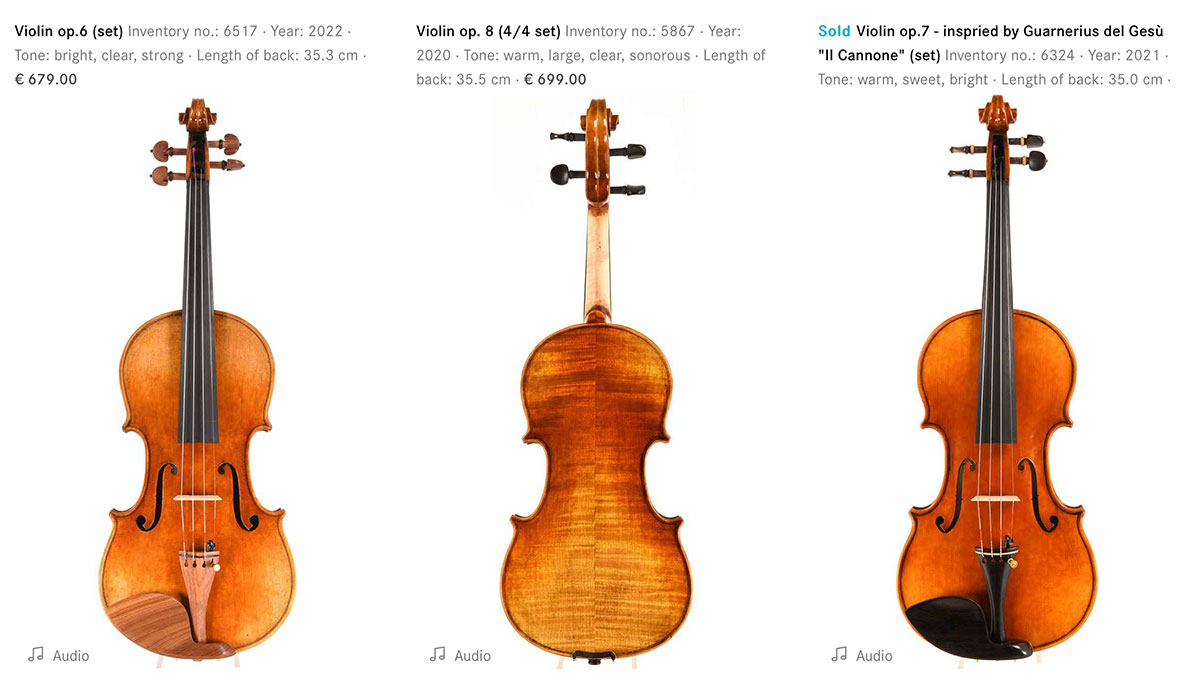
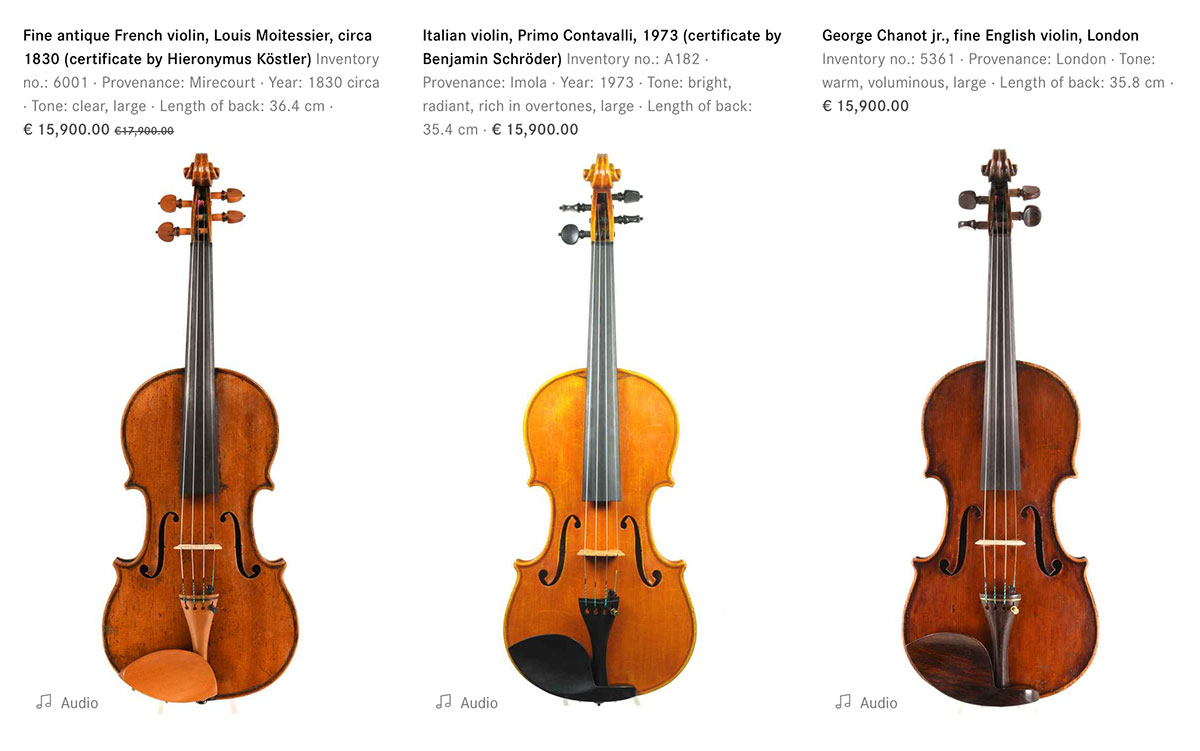
A professional violin in the United States usually costs between $5,000 and $30,000. Many strong working instruments fall near $8,000 to $20,000. Fine Italian, French, and American violins can cost $50,000 to more than $1 million.
The right price depends on the violin’s sound, setup, condition, maker, age, history, and demand. A higher price does not always mean a better fit for a specific player. A $7,000 violin that responds well to your bow and playing style may serve you better than a $30,000 instrument that feels hard to control.
This guide focuses on the U.S. market, including sales tax, dealer services, trade-ins, insurance, and typical costs for bows and setup.
Professional violin price ranges in the United States
The clearest way to understand the market is to divide violins by use and price. These ranges are general buying guides, not fixed industry prices.
| Violin category | Typical U.S. price | Who it may suit |
|---|---|---|
| Advanced student violin | $1,500–$5,000 | Serious students and conservatory applicants |
| Entry professional violin | $5,000–$10,000 | Working musicians and advanced students |
| Professional violin | $10,000–$30,000 | Orchestra players, teachers, freelancers, and chamber musicians |
| Fine modern or historic violin | $30,000–$100,000+ | Established professionals and collectors |
| Important Italian or historic violin | $100,000–$1 million+ | Major performers, institutions, and collectors |
These bands overlap because violin prices do not follow a simple quality ladder. A handmade violin by a respected modern maker may cost more than an older instrument with weaker sound or repairs.
The term professional violin also has no single legal or industry definition. It often means an instrument that gives a skilled player enough power, color, range, and control for demanding work. A dealer may also use the term for a violin made by a known maker, even if the instrument does not suit every professional player.
A practical budget guide
- Under $5,000: Look for a strong advanced student instrument or an older violin from a lesser-known maker.
- $5,000–$10,000: This is a realistic starting range for a dependable professional-level violin.
- $10,000–$30,000: You will find more choice in tone, projection, response, and maker reputation.
- $30,000–$100,000: Proven makers, rare examples, and strong certificates become more common.
- Over $100,000: You are often paying for rarity, history, investment demand, and attribution as well as sound.
A professional violin does not need to cost six figures. Many musicians build successful careers with instruments below $20,000.

What makes a professional violin expensive?
The price reflects several factors at once. Sound matters greatly, but it is only one part of the value.
Maker and attribution
A violin made by a recognized maker usually costs more because buyers have greater confidence in its origin and workmanship. A violin with a reliable certificate can also command more than a similar-looking instrument with an uncertain history.
Names linked to famous Italian schools, such as Cremona, may increase value. However, a label inside the violin is not proof that the named maker built it. Old violins often contain copied, replaced, or misleading labels.
Sound and playing response
Professional players usually assess:
- How quickly the violin speaks
- How evenly it responds across all four strings
- Whether it projects in a large hall
- How many tone colors it can produce
- How stable it feels under different bow speeds and pressures
- Whether high positions remain clear
- Whether the sound feels balanced from the player’s side
A violin may sound loud under the ear but fail to project across a concert hall. The reverse can also happen. This is why a trial in a suitable room matters more than a short demonstration beside the sales counter.
Condition and repairs
Cracks, repaired seams, worn edges, neck work, and past repairs can affect both price and reliability. A professionally repaired violin may still be an excellent instrument. Poor or unstable repairs can create future costs and reduce resale value.
Ask whether the violin has:
- Top or back cracks
- Sound-post cracks
- A replaced bass bar
- Neck or scroll repairs
- Worm damage
- Open seams
- Excessive wear
- Non-original parts
A qualified violin maker or restorer should inspect expensive instruments before purchase.
Materials and workmanship
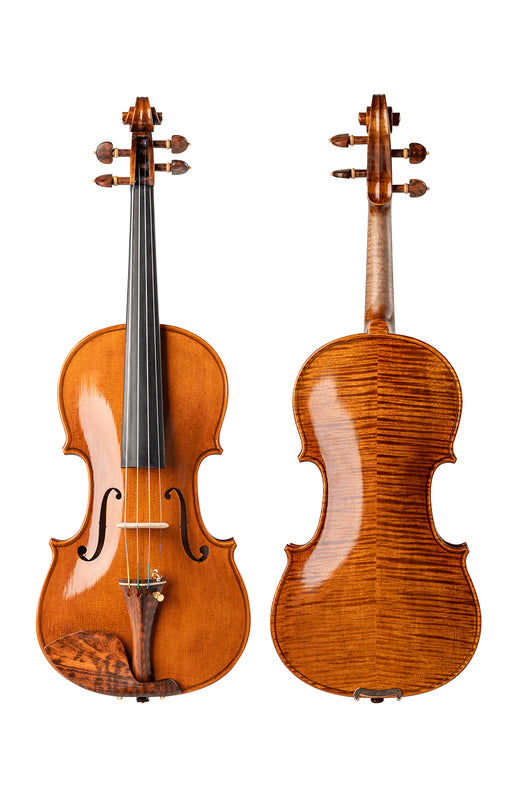
Traditional violins use spruce for the top and maple for the back, ribs, and neck. The quality of the wood, arching, graduation, varnish, and construction can affect tone and durability.
These features do not work like a simple grade chart. Rare wood does not guarantee a better sound. Fine workmanship can improve consistency, but the final result also depends on setup and the individual instrument.
Provenance and market demand
A documented ownership history may raise value, especially if a respected performer owned the violin. Auction records and dealer demand also influence prices.
Provenance is not the same as sound quality. It can explain why two instruments with similar playing qualities have very different prices.

New versus used professional violins
A used violin often gives you more instrument for the money, but it needs a careful inspection. A new violin may offer clearer condition, maker support, and a warranty, but it may also have less resale history.
New violins
A new professional violin is often made by a living maker or workshop. Benefits can include:
- Clear ownership and maker records
- Fewer hidden repairs
- Direct maker support
- A warranty or adjustment period
- The ability to discuss custom setup changes
New instruments may change as the wood and varnish settle. That does not mean every new violin will improve in a predictable way. Buy it because it already works for you, not because someone promises future value.
Used and older violins
Older violins range from modest trade instruments to rare historic works. A good used violin may provide mature tone and a lower price than a comparable new instrument.
The risks include hidden repairs, unclear ownership, past damage, and inaccurate labels. Buy from a dealer who provides a written condition report and a reasonable trial period.
Auction purchases
Auctions can offer lower prices, but they shift more responsibility to the buyer. Auction listings may use condition terms that require specialist knowledge. Some sales add buyer’s premiums, shipping, insurance, and sales tax.
Do not compare an auction hammer price with a dealer’s final price. The total auction cost may be much higher after fees.
How much should you budget for a professional violin setup?
A violin’s setup can change its comfort and sound. Even an expensive violin may perform poorly if the bridge, soundpost, strings, or pegs need work.
Typical U.S. setup costs may include:
| Service or item | Common planning range |
|---|---|
| Basic adjustment | $50–$200 |
| New bridge | $100–$400+ |
| Soundpost adjustment | $50–$150 |
| New professional strings | $70–$200 |
| Peg fitting or replacement | $100–$500+ |
| Fingerboard planing | $150–$500+ |
| Major restoration | $1,000–$10,000+ |
Prices vary by region, shop, materials, and the amount of labor required. Major restoration can cost much more.
Set aside at least $300 to $1,000 for initial adjustments when buying a professional violin. A costly instrument may need less work, but you should not assume that it is ready to play at its best.
Use a trained violin maker or qualified luthier for structural work. A general instrument repair shop may not have the tools or experience needed for valuable bowed instruments.

How much does a professional violin bow cost?
The bow is a separate purchase, and it can have a major effect on tone and control.
A professional bow commonly costs $2,000 to $10,000. Fine pernambuco bows, sought-after modern bows, and historic French bows can cost much more. Carbon-fiber bows may range from a few hundred dollars to several thousand dollars, depending on their design and performance.
A rough budget looks like this:
- $500–$2,000: Good student or backup bows
- $2,000–$5,000: Many capable professional bows
- $5,000–$15,000: Strong bows by recognized makers
- $15,000+: Rare, historic, or highly sought-after bows
The best bow for you is not always the most expensive one. Test the bow with your violin. Check smoothness, articulation, balance, grip, and response at the tip and frog.
You may also need a case, shoulder rest, rosin, mute, spare strings, and cleaning supplies. These extras can add $500 to $3,000 or more, especially if you choose a high-quality protective case and professional bow.
The total cost of owning a professional violin
The purchase price is only the first expense. A realistic ownership budget should include tax, insurance, maintenance, and transportation.
Sales tax
U.S. sales tax depends on the state and local jurisdiction. On a $15,000 violin, an 8% tax would add $1,200. A dealer may collect tax based on the sale location and applicable state rules.
Insurance
A valuable violin may need a scheduled musical-instrument policy or a rider on a homeowner or renter policy. Ask about:
- Theft
- Accidental damage
- Repairs
- Damage during travel
- Professional use
- International travel
- Depreciation
- Deductibles
- Replacement-value coverage
Do not assume a standard homeowner policy fully covers a professional instrument used for paid work.
Appraisal
An insurer may require a current appraisal. Appraisal fees vary, but budgeting $100 to $300 or more is reasonable for many instruments. A high-value violin may need a more detailed report from a recognized specialist.
An appraisal is an opinion of value at a certain date. It is not a guarantee that you can sell the violin for that amount.
Maintenance
Plan for annual or periodic work such as:
- String replacement
- Bridge and soundpost checks
- Peg lubrication or adjustment
- Seam repairs
- Cleaning
- Bow rehairing
A professional player may spend $300 to $1,000 or more per year, depending on use and repairs. Heavy touring, dry climates, and frequent travel can raise the cost.

How to choose the right professional violin
Price should narrow the field, not make the final decision. Use a structured trial.
1. Set the complete budget
Include the violin, bow, case, tax, setup, insurance, and travel. If your total budget is $15,000, you may want to spend $11,000 to $13,000 on the violin rather than the full amount.
2. Work with a reputable dealer or maker
Look for a clear trial policy, written condition details, return terms, and repair support. Ask whether the shop accepts trade-ins and how it calculates trade value.
A reputable seller should not pressure you to decide before you have compared instruments.
3. Test several violins
Play the same passages on each instrument. Include:
- Soft playing
- Loud playing
- Slow scales
- Double stops
- High positions
- Fast articulation
- Long sustained notes
- Pianissimo attacks
If possible, have another player listen from the back of a hall. The player’s impression and the listener’s impression can differ.
4. Test in more than one room
A violin that works in a small practice room may sound different in a church, studio, or concert hall. Room acoustics can make an instrument seem louder, darker, or more focused than it really is.
5. Allow a real trial period
Many dealers offer trial periods. Use the violin during lessons, rehearsals, and performances if the agreement permits it. Keep the instrument safe and follow the seller’s insurance requirements.
6. Obtain an independent inspection
For a costly purchase, pay an independent luthier to inspect the violin. Ask for a written report that covers condition, repairs, setup, and concerns that may affect value.
Signs of a good match
A suitable professional violin should let you:
- Start notes without excessive effort
- Change tone color with normal technique
- Play evenly across strings
- Control soft and loud dynamics
- Hear enough clarity in higher positions
- Play for a reasonable period without unusual strain
A violin may still require adjustment. That is normal. The key question is whether the instrument has the basic response and sound you need.

Common mistakes when buying a professional violin
The most expensive mistakes usually come from buying too quickly or judging value from one feature.
Mistake 1: Trusting the label
A label may describe a model, school, or copied name. It does not prove authorship. Ask for documentation and have the instrument examined.
Mistake 2: Choosing only by age
Old does not automatically mean good. Some newer violins are powerful, refined, and reliable. Some old violins need expensive restoration.
Mistake 3: Ignoring the bow
A weak bow can make a strong violin feel difficult. Test the violin with more than one suitable bow before deciding that the instrument is the problem.
Mistake 4: Spending the entire budget on the violin
You may need setup work, insurance, a case, and a bow. Keep a reserve for these costs.
Mistake 5: Assuming price predicts projection
Projection must be tested in a real room with a listener at a distance. Loudness under the ear is not enough.
Mistake 6: Buying without an exit plan
Ask about resale, trade-in terms, consignment, and documentation. Even if you plan to keep the violin for decades, life circumstances can change.
Mistake 7: Failing to protect the instrument
Avoid rapid temperature changes, high heat, very dry air, and leaving the violin in a car. Never attempt structural repairs with household glue. Take cracks, open seams, and serious bridge problems to a qualified violin maker.

Is a $5,000 violin good enough for professional work?
It can be. A $5,000 violin may suit a freelancer, teacher, church musician, orchestra member, or advanced student. The answer depends on the work, hall, repertoire, and player.
A player who needs exceptional projection for a large solo career may need a different instrument. A chamber musician may value blend and color more than raw volume. A teacher may prioritize comfort, reliability, and low maintenance.
The best test is not the price tag. Compare the violin with instruments used successfully in your type of work.
Should you rent or buy a professional violin?
Renting is usually more useful for children and developing students than for established professionals. A professional player often benefits from buying because the instrument becomes a long-term tool and may retain some resale value.
A trial rental or rent-to-own plan can make sense when:
- You are still developing your sound
- You need time to compare instruments
- You are unsure about your career path
- You want to avoid a large immediate payment
Read the agreement closely. Check insurance, repair responsibility, purchase credits, and return terms.
Can a professional violin be financed?
Some U.S. dealers offer financing, but terms vary. Compare the total repayment cost with the cash price. Ask about interest, fees, early payoff rules, and what happens if you return or trade the instrument.
Do not borrow more than you can safely repay. A violin is a musical tool, but it is not a guaranteed investment.
Do expensive violins sound better than modern violins?
Not always. A famous older violin may have historical and financial value that exceeds its practical advantage for a particular player. Modern makers can produce instruments with excellent power, clarity, and response.
Blind listening tests and player trials often show that personal fit matters. Treat claims about “old wood,” “best sound,” or automatic superiority with caution unless the claim is supported by a clear comparison.
What should you do before buying?
Start with a complete budget of $6,000 to $12,000 if you want to explore entry-level professional instruments. Compare several violins through a reputable U.S. dealer, include the bow and setup, and arrange an independent inspection before completing a major purchase.
For a purchase above $10,000, ask for written condition details, a trial period, proof of ownership, and an appraisal or expert opinion appropriate to the violin’s value.
Research and buyer resources
The following organizations and specialist sources can help buyers verify terminology, care practices, and market context:
- American Federation of Violin and Bow Makers — maker and bow-maker information
- Violin Society of America — research, education, and the modern violin-making field
- Library of Congress: Stringed Instruments — cultural and historical reference material
- Smithsonian National Museum of American History — instrument collections and historical context
- Tarisio — auction and market records for violins and bows
- Christie’s Musical Instruments — auction records and specialist market information
Retail listings and auction results change often. Use them as current comparison points, not as permanent price rules.
Final answer: how much does a professional violin cost?
In the United States, plan on $5,000 to $30,000 for most professional-level violins, with $8,000 to $20,000 offering a practical range for many working musicians. Add money for a professional bow, setup, case, tax, insurance, and future repairs.
Choose the instrument that gives you the sound, response, projection, and comfort your work requires. A well-matched violin at a moderate price can be a better professional tool than a famous instrument that does not fit your playing.

Senior Music Reviewer
Alex Carter is a seasoned music reviewer with over a decade of experience in the world of sound and instruments. Passionate about helping musicians and enthusiasts make informed choices, he brings sharp insights and in-depth knowledge to every review. From classical instruments to modern gear, Alex combines technical expertise with a love for music to deliver content that resonates with readers.
As a Senior Music Reviewer and expert author on Tuneluma.com, Alex is dedicated to sharing honest evaluations, practical advice, and thoughtful commentary to guide readers in their musical journey.