Introduction
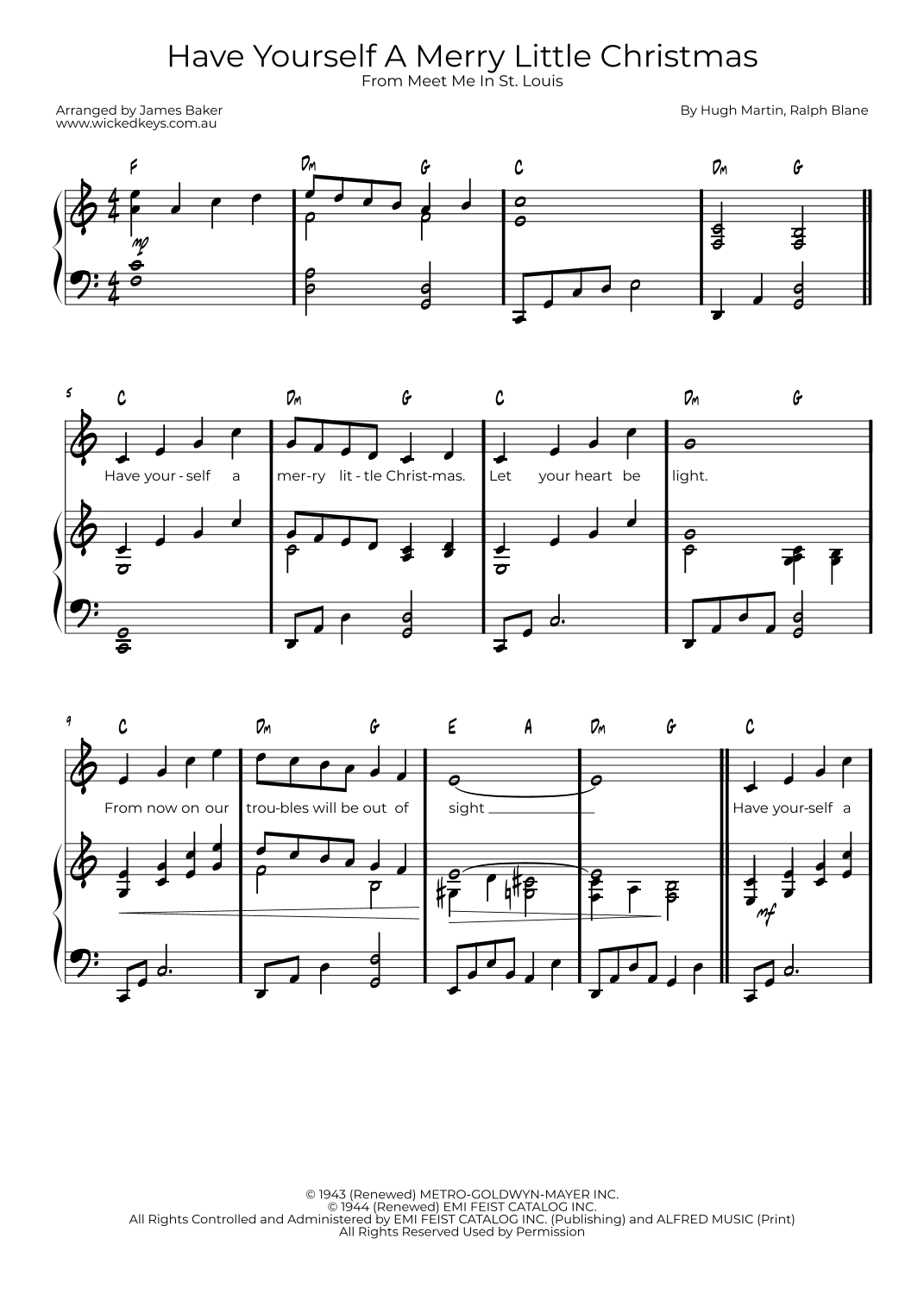
For pianists in the United States, the best “Have Yourself a Merry Little Christmas” easy piano arrangement is one that keeps the famous melody clear while using simple chords, light rhythms, and a small hand span. Look for a beginner or easy-intermediate version marked “Easy Piano,” “Big Note,” or “Piano Solo.”
The song was written by Hugh Martin and Ralph Blane for the 1944 American film Meet Me in St. Louis. Many learners know Judy Garland’s performance from the film. Today, the song is still popular for Christmas recitals, church services, family gatherings, and home playing across the U.S.
This guide explains how to choose an easy arrangement, read it, practice it, and solve common problems. It does not reproduce the copyrighted sheet music or lyrics.
What Makes an Easy Piano Arrangement?
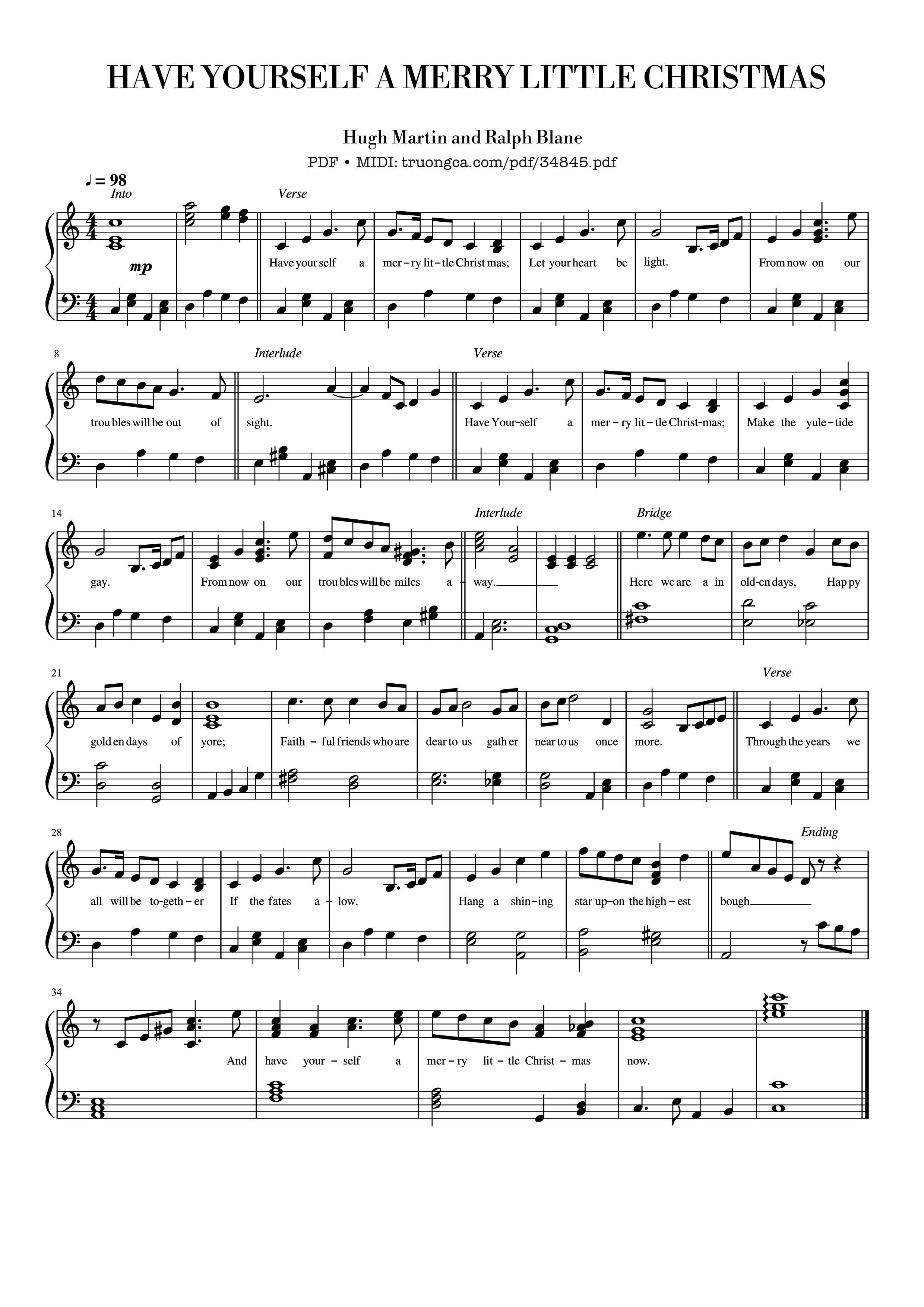
An easy piano arrangement reduces the original song without removing its main character. The melody stays clear, while the left hand uses simple bass notes, blocked chords, or broken chord patterns.
Most easy versions include:
- A single-note melody in the right hand
- Basic chords in the left hand
- Fewer large jumps
- A steady 4/4 pulse
- Simple rhythm patterns
- Clear finger numbers
- A moderate range of notes
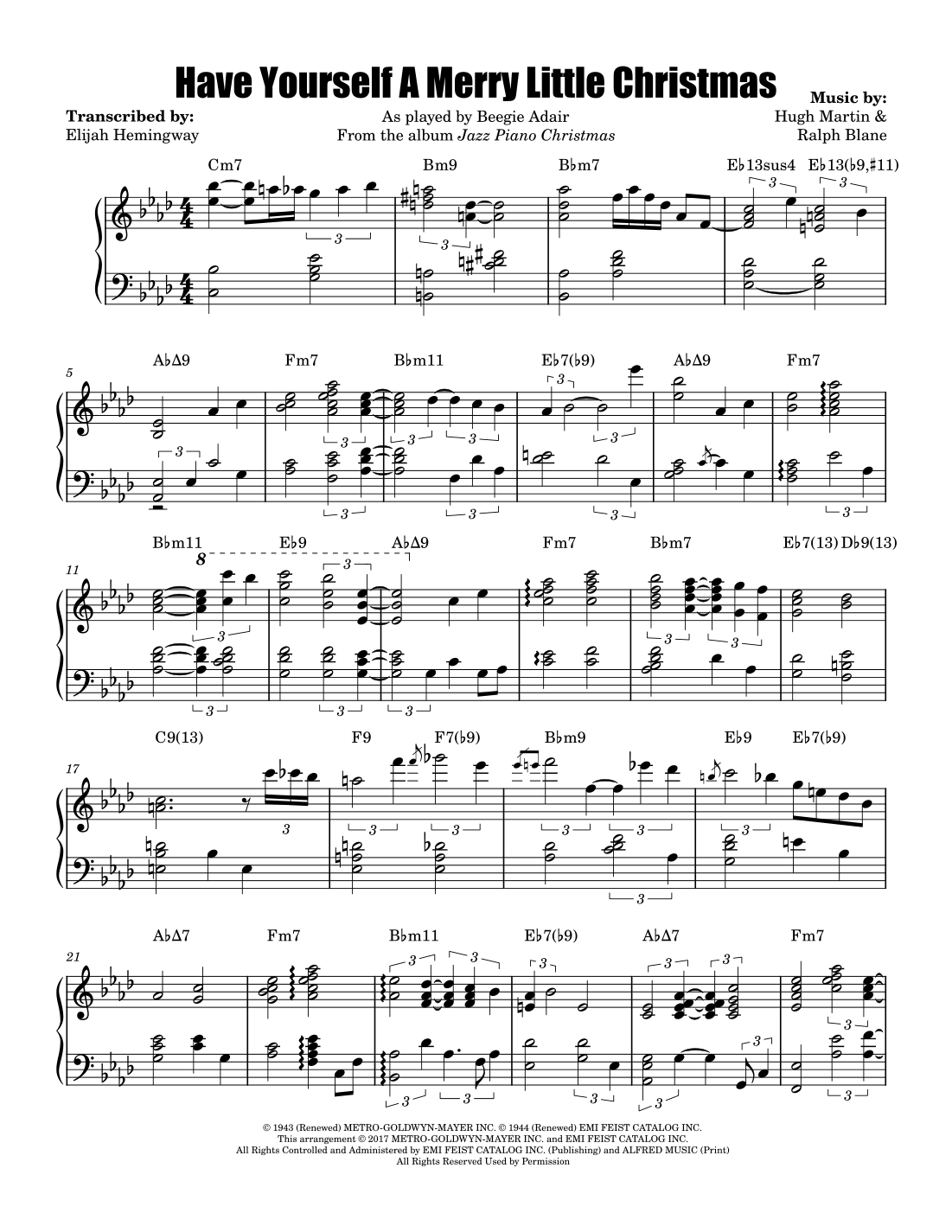
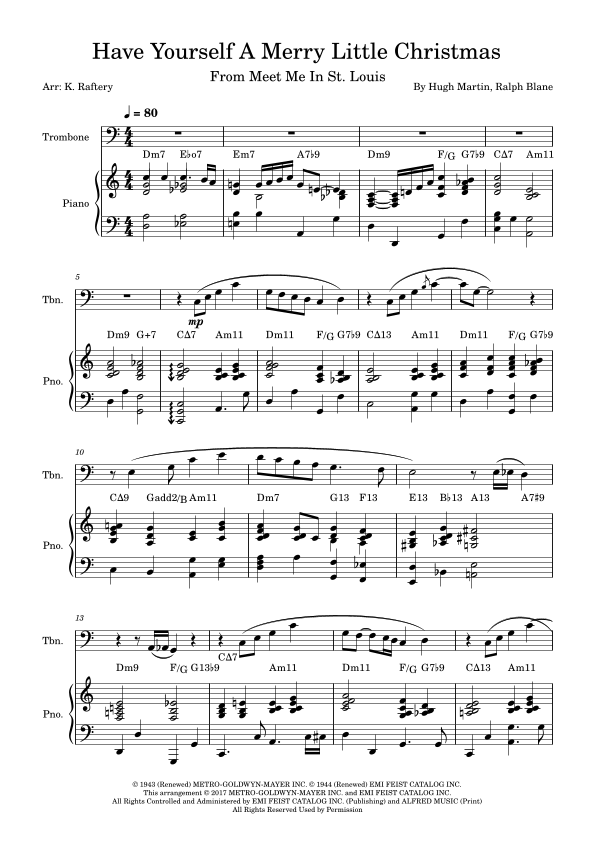
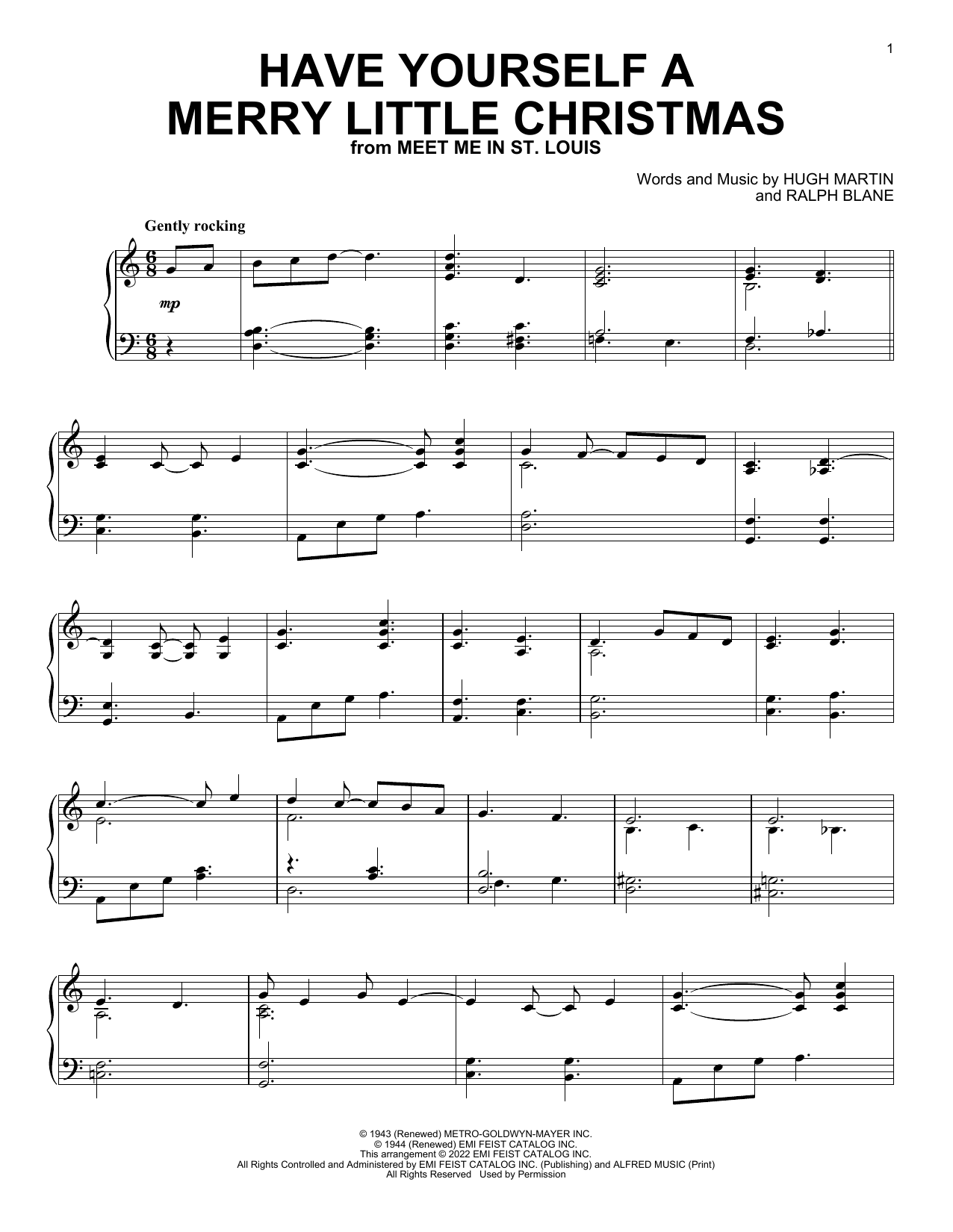
The same song may appear in several levels. “Easy Piano” does not always mean “first song for a beginner.” Some versions still use accidentals, chord changes, or wide stretches.
Common arrangement levels
| Level | What to expect | Best for |
|---|---|---|
| Big note | Large notes, few details, simple chords | New players |
| Beginner piano | Melody with basic left-hand support | Early learners |
| Easy piano solo | Fuller chords and more musical detail | Players with some practice |
| Easy intermediate | More movement, richer harmony, and added fills | Confident beginners |
| Original or advanced | Full texture and harder chord work | Experienced players |
The best choice depends on your current skill, not the title alone. If you can read simple melodies and play basic triads, an easy piano solo may work well. If you are still learning note names, choose a big-note or beginner edition.

How to Choose Have Yourself a Merry Little Christmas Easy Piano Sheet Music
Choose a licensed arrangement that matches your reading level, hand span, and playing goal. A short sample page can help you judge the difficulty before you buy or download it.
Check the key
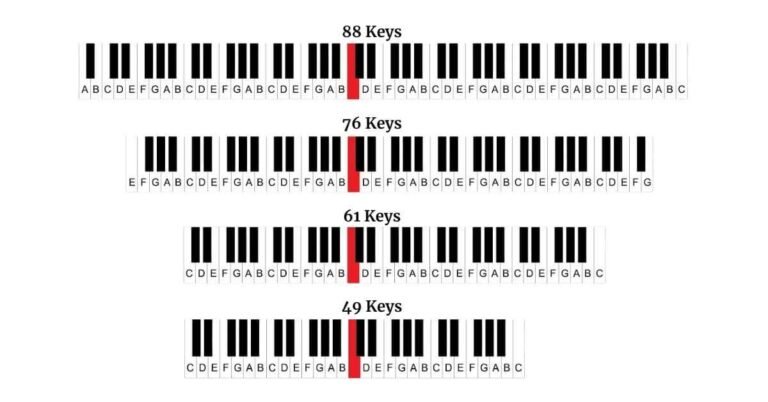
The key affects both reading and singing. An easy piano version may use C major, G major, F major, or another key. C major has no sharps or flats, but it is not always the easiest key for the hand.
A version in F major has one flat. A version in G major has one sharp. These keys may feel more natural when the left hand uses common chord shapes.
If you plan to sing while playing, choose the key that suits your voice. The key used in a famous recording may not fit every singer.
Check the left-hand pattern
Look at the first page. Ask these questions:
- Does the left hand play single bass notes?
- Does it use three-note chords?
- Are there large jumps?
- Does it play repeated broken chords?
- Are the chords written in close position?
A beginner-friendly arrangement usually keeps the left hand near the middle of the keyboard. Large jumps can make a piece harder even when the notes themselves are not complex.
Check the page sample
Before selecting sheet music, look for:
- A readable layout
- Helpful finger numbers
- Chord names above the staff
- Clear rhythm marks
- A tempo marking
- Few page turns
- A legal purchase or download source
Reliable sources may include established sheet music retailers, publisher websites, music stores, or library collections. Confirm that the arrangement is licensed for your use. A random scan may be incomplete, hard to read, or unauthorized.
Digital and print options
Digital sheet music is useful when you want to change the key or print only the pages you need. Print music can be easier to mark with fingerings and practice notes.
Before buying a digital file, check whether it allows printing, page turns, or transposition. These rules vary by seller and product.

How to Play the Song on Piano
Start with the melody. Add the left hand only after the right hand feels secure.
Step 1: Learn the right hand
Read the melody in short phrases. A phrase is a small musical thought, often lasting two to four measures.
Play each phrase slowly. Do not stop at every note. Instead, keep a steady pulse while making small pauses at phrase ends.
Mark any notes that feel hard to reach. Use the printed fingering first, then adjust it only if another choice feels more natural.
Step 2: Speak the rhythm
Clap or tap the rhythm before you play both hands. This helps prevent a common problem: playing the right notes with the wrong timing.
Use a metronome at a slow speed. For example, begin at 50 to 60 beats per minute if the melody feels difficult. Raise the speed only when you can play the phrase three times without a mistake.
Step 3: Add simple left-hand chords
Learn the chord symbols above the staff if the arrangement includes them. Play each chord as a block before trying the written pattern.
For example, if the left hand shows a three-note chord, press the notes together. Then try the same chord as a slow broken pattern.
This two-stage method helps you learn the harmony first. It also reduces the mental load of reading both hands at once.
Step 4: Join the hands in small parts
Join one or two measures at a time. Keep the left hand soft so the melody remains easy to hear.
If the hands do not line up, stop and find the exact beat where the problem begins. Practice just that beat, then add the notes before and after it.
Step 5: Add pedal with care
Use the sustain pedal to connect harmony and create a warm sound. Change the pedal when the chord changes.
Too much pedal can blur the melody. If the notes sound muddy, lift the pedal more often. Beginners often get better results with less pedal than they expect.
Step 6: Shape the melody
The song has a gentle, reflective mood. Play the melody a little louder than the accompaniment. Let important words or musical peaks receive a small amount of emphasis.
Avoid playing every note with the same force. Soft changes in volume can make a simple arrangement sound much more expressive.
A Simple Practice Plan
A 15-minute practice session can produce steady progress when each minute has a clear purpose.
| Time | Task | Goal |
|---|---|---|
| 3 minutes | Warm up with the key and basic chords | Relax the hands |
| 4 minutes | Practice the right-hand melody | Build note accuracy |
| 3 minutes | Practice the left-hand chords | Learn the harmony |
| 3 minutes | Join both hands slowly | Coordinate the parts |
| 2 minutes | Play one full section | Build flow |
Practice in sections rather than starting from the beginning each time. If the ending is weak, begin with the final phrase. This helps you feel prepared for a complete performance.
Use a slow tempo first
Speed is not the first goal. A slow, even pulse is more useful than a fast performance with stops.
Increase the tempo by small amounts. If you make several errors in a row, return to the last speed that felt controlled.
Practice difficult changes
Most mistakes occur at transitions. These may include:
- A chord change in the left hand
- A leap to a new hand position
- A long note followed by quick notes
- A measure with both hands moving at once
- A page turn
Loop the hard spot two or three times. Then play one measure before it and one measure after it. This teaches your hands to enter and leave the problem area.
Practice without looking down
You do not need to avoid the keyboard completely. But try to look at the music more often as you improve.
Use groups of notes and chord shapes as visual landmarks. This is more effective than trying to memorize every note separately.
Common Problems and Simple Fixes
Most issues with an easy piano version come from rhythm, coordination, or an arrangement that is too difficult.
| Problem | Likely cause | Useful fix |
|---|---|---|
| The melody sounds flat | Every note has the same volume | Shape the phrases and highlight the melody |
| The song stops often | The tempo is too fast | Slow down and practice in small sections |
| The left hand feels tense | Chords are too wide or too loud | Use less force and check your hand position |
| The sound is muddy | Too much sustain pedal | Change the pedal with each harmony |
| Both hands do not align | Rhythm was not learned first | Clap the rhythm and count aloud |
| You lose your place | The score has few visual landmarks | Mark phrase starts and chord changes |
| The key feels uncomfortable | The arrangement does not fit your hand or voice | Try a legal version in another key |
If the arrangement is too hard
Do not force the full version. Reduce it for practice.
Try playing:
- Only the right-hand melody
- The bass note of each left-hand chord
- Block chords instead of broken patterns
- One phrase at a time
- A slower version without pedal
These changes are practice tools. They do not replace the written arrangement, but they can help you build the skills needed to play it.
If the arrangement is too easy
Add detail in stages. You might use fuller chord tones, a gentle broken-chord pattern, or a simple passing note where the arrangement allows it.
Do not add notes at random. Keep the melody clear and preserve the song’s calm mood.
Copyright and Legal Sheet Music in the United States
“Have Yourself a Merry Little Christmas” is not a public-domain beginner song simply because it is old. The song was published in the 1940s, and its copyright status can involve the song, a specific arrangement, and separate recording rights.
The U.S. Copyright Office explains that copyright protects original musical works and arrangements. A public performance, recording, or print edition may involve different rights.
For normal home practice, use sheet music from a lawful source. If you plan to perform, record, teach, or distribute the arrangement, read the license terms. A legal purchase of sheet music does not always grant every possible performance or recording right.
Do not assume that a scan shared online is free to use. The safest choices are:
- Buy a licensed easy piano arrangement
- Download from a reputable publisher or retailer
- Use music provided by a school, church, or library under its license
- Check the permissions before posting a recording or video
For current U.S. copyright questions, consult the U.S. Copyright Office or a qualified copyright professional. This article provides general information, not legal advice.
Sources and Further Reading
The following sources support the historical and copyright context of this guide:
- U.S. Copyright Office: Musical Works
- U.S. Copyright Office: Copyright Basics
- Library of Congress: National Film Registry
- American Film Institute: Meet Me in St. Louis
Publisher and retailer listings should be checked at the time of purchase because prices, formats, licenses, and available arrangements can change.
FAQs
What is the easiest key for this song on piano?
C major is often easy to read because it has no sharps or flats. However, F major or G major may fit the hand better in some arrangements. The best key depends on the edition and, if you are singing, your vocal range.
Can a complete beginner play “Have Yourself a Merry Little Christmas”?
Yes, with a simplified arrangement and steady practice. Start with the melody and simple bass notes. Move to fuller chords after you can play the song without frequent stops.
Should I use chords or sheet music?
Use sheet music if you want the melody, rhythm, and arrangement written out. Chord charts work well if you already know basic harmony and can create your own accompaniment. Many learners benefit from using both.
How long does it take to learn the song?
The time varies by skill and arrangement. A beginner may learn a short melody in several practice sessions. A fuller solo arrangement can take longer, especially if it includes wide chords, key changes, or complex rhythms.
Can I transpose an easy piano arrangement?
You can transpose it if your software, digital score, or music source permits that use. You may also ask a teacher or experienced pianist to help. Check the license before altering or sharing a purchased file.
Conclusion
The best “Have Yourself a Merry Little Christmas” easy piano version is not always the shortest one. Choose an arrangement with a clear melody, manageable left-hand parts, useful fingerings, and a key that feels comfortable.
Begin with the right hand. Add simple chords. Practice slowly, use light pedal, and work on the places where the hands change position. With a calm tempo and gentle dynamics, even a simple arrangement can sound warm and ready for a U.S. holiday gathering.

Senior Music Reviewer
Alex Carter is a seasoned music reviewer with over a decade of experience in the world of sound and instruments. Passionate about helping musicians and enthusiasts make informed choices, he brings sharp insights and in-depth knowledge to every review. From classical instruments to modern gear, Alex combines technical expertise with a love for music to deliver content that resonates with readers.
As a Senior Music Reviewer and expert author on Tuneluma.com, Alex is dedicated to sharing honest evaluations, practical advice, and thoughtful commentary to guide readers in their musical journey.