Best Violin Brands For Intermediate Players: Buying Guide
The best violin brands for intermediate players balance sound, setup, comfort, durability, and room to grow.
Many players reach a tough stage after the beginner years. Your old violin may feel hard to control, yet a high-end instrument may cost more than you need. I looked at useful practice books, technique guides, and one complete violin outfit to help you move forward with confidence. These picks support better intonation, shifting, tone, sight-reading, and daily practice. The Vangoa outfit is the only violin in this list, while the other products help intermediate players get more from the instrument they already own.
See the differences between my top picks at a glance.
| Pick | Best For | Type | Skill Focus | Best Use | Buy |
|---|---|---|---|---|---|
| Vangoa 4/4 Violin Set | A complete outfit | Acoustic violin | Tone and technique | Practice and lessons | View on Amazon |
| Wohlfahrt 60 Studies | Bow and finger control | Etude book | Accuracy and fluency | Daily drills | View on Amazon |
| 101 Hit Songs | Fun song practice | Songbook | Reading and rhythm | Casual playing | View on Amazon |
| Whistler Positions Vol. 2 | Learning higher positions | Method book | Shifting | Structured study | View on Amazon |
| Dont 24 Exercises | Advanced technique | Exercise book | Strength and control | Focused practice | View on Amazon |
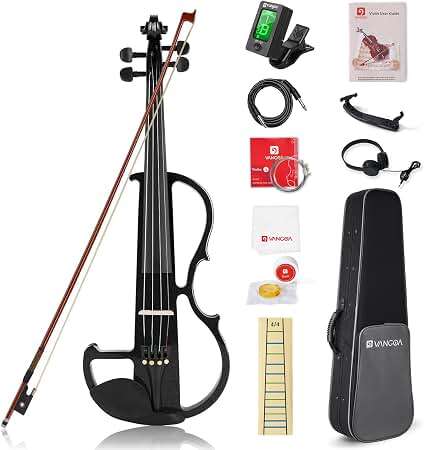
Vangoa 4/4 Violin Set

The Vangoa 4/4 set gives adult and older teen players a complete acoustic violin outfit in one package. The listing describes a full-size violin with a varnish finish, solid wood construction, ebony fittings, and a fitted case. That makes it a practical choice for a player who needs an instrument, case, and basic setup in one purchase. Full-size violins suit most adults, but players with smaller hands should confirm the size first.
This set may work well as a first full-size violin or as a low-cost backup. Still, a violin needs proper setup to play its best. A local luthier can check the bridge, pegs, soundpost, fingerboard, and string height after delivery. That step matters more than flashy package extras. Among the best violin brands for intermediate players, Vangoa stands out here mainly for its complete outfit and accessible starting point.
Pros:
- Complete full-size outfit for adult players
- Includes a fitted hard case
- Ebony fittings support a familiar violin feel
- Solid wood construction is listed by the seller
- Useful option for lessons and home practice
- Right-handed design suits the standard playing position
Cons:
- Setup quality may vary between units
- Included accessories may not suit advanced players
- A professional setup may add to the total cost
What Amazon Buyers Are Saying
Buyer feedback for budget violin outfits often centers on value, appearance, and whether the package arrives ready for use. Some buyers like receiving the violin and case together. Others note that tuning, bridge placement, or adjustment may need attention. Since marketplace stock and seller handling can change, read the newest reviews and check the return terms before ordering.
My Recommendation
I recommend the Vangoa for a player who needs a low-cost full-size outfit and understands the value of a luthier check. It is not a proven substitute for a carefully selected workshop violin, but it can be a sensible entry point. I rate it 3.8 out of 5 for intermediate use.
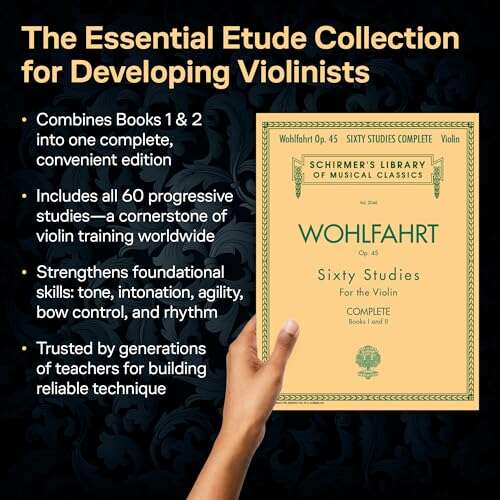
Wohlfahrt 60 Studies for Violin

Franz Wohlfahrt’s 60 Studies, Op. 45 is a well-known etude collection for violin study. It gives players short pieces that build control through repeated patterns. The book can help with clean string changes, steady rhythm, left-hand accuracy, and simple bow work. It fits the stage between basic exercises and harder concert studies.
I like this book because it gives a teacher many small tasks to assign. A player can work on one study for a few days instead of rushing through a long piece. The music may sound plain, but that is part of its value. It puts technique first and helps expose weak habits before they appear in major repertoire.
Pros:
- Clear studies for daily technical work
- Useful bridge from beginner books to harder etudes
- Supports rhythm and intonation practice
- Works well with teacher-led lessons
- Compact exercises make progress easy to track
- Suitable for repeated review over time
Cons:
- Etudes may feel less exciting than popular songs
- Some players need teacher guidance for bowing choices
- It does not replace scales or full repertoire
What Amazon Buyers Are Saying
Reviews for this kind of method book commonly mention its value for lessons, practice, and traditional violin training. Buyers tend to appreciate the clear format and useful progression. The main concern is personal taste: players who want modern songs may find the studies dry. Check the preview pages if you want to confirm the print size and edition.
My Recommendation
I recommend Wohlfahrt for intermediate players who want stronger basic technique. It is especially useful when a teacher assigns focused exercises. I rate it 4.6 out of 5 as a practice resource and one of the most dependable study books linked with the best violin brands for intermediate players.
101 Hit Songs for Violin

101 Hit Songs for Violin gives intermediate players a large set of familiar pop and rock tunes. A songbook like this can make practice feel less like a chore. Familiar melodies also help players notice wrong notes and uneven rhythm. The collection works for solo playing, informal sessions, and short performance goals.
This book is not a replacement for a method or etude book. Instead, it adds musical variety to a serious practice plan. I suggest using one song after technical work, not instead of it. The exact difficulty can vary from song to song, so players should preview the music and choose pieces that match their current reading level.
Pros:
- Large selection of familiar songs
- Helps keep practice fresh
- Useful for casual playing and small performances
- Supports melody reading and rhythm
- Good choice for players who dislike only classical drills
- Can encourage regular practice
Cons:
- Song difficulty may vary widely
- Arrangements may not satisfy advanced classical players
- Some players may need accompaniment tracks or backing parts
What Amazon Buyers Are Saying
Buyers of popular song collections often value the number of tunes and the chance to play music they already know. Common concerns include song arrangement level, print size, and whether a favorite song appears in the book. Read the contents list before buying. That quick check helps prevent disappointment.
My Recommendation
I recommend this collection for an intermediate player who needs motivation. It pairs well with serious technique work and gives you useful performance material. I rate it 4.2 out of 5 for enjoyment and practice value.
Whistler Positions Volume 2
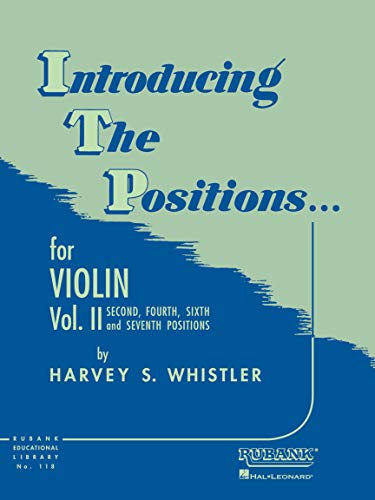
Harvey Whistler’s Introducing the Positions for Violin, Volume 2 focuses on second, fourth, sixth, and seventh positions. Position work marks a major step for many intermediate violinists. It helps players move beyond first position and reach a wider range with less shifting during a passage. The book presents this work in a direct, lesson-style format.
Higher positions can feel confusing without a plan. This book gives you a clear path, but you still need a slow pace and careful listening. I suggest practicing each shift with a relaxed thumb and a light hand. A teacher can also check whether you move from the arm, hand, or finger in a healthy way.
Pros:
- Targets higher-position skills directly
- Useful for intermediate classical repertoire
- Creates a step-by-step study path
- Helps improve shifting awareness
- Supports better range across the fingerboard
- Works well beside scales and etudes
Cons:
- Not ideal for a player still learning first position
- Needs slow, careful practice
- Teacher feedback can improve results
What Amazon Buyers Are Saying
Customer comments on position books often focus on clear exercises and usefulness in lessons. Players who already use the first volume may like the natural next step. The usual concern is that the book feels demanding without guidance. Buyers should confirm that Volume 2 matches their current method and skill level.
My Recommendation
I recommend this book for a serious intermediate player who has stable first-position technique. It offers focused help at the point where many players start to plateau. I rate it 4.7 out of 5 for position study.
Dont 24 Exercises for Violin
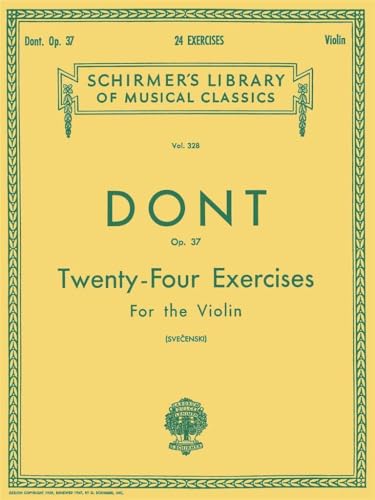
Jakob Dont’s 24 Exercises, Op. 37 belongs to the more demanding side of violin study. It targets control, coordination, and left-hand strength through focused exercises. Intermediate players may use selected studies as they prepare for harder repertoire. The book also gives advanced students a compact way to revisit core technical skills.
This is not the first book I would give a new violinist. The exercises need care because a player can repeat tension as easily as correct motion. Start with short sessions and stop when the hand feels tight. Used with good instruction, Dont can help build discipline and expose areas that need work.
Pros:
- Strong technical challenge for growing players
- Useful preparation for advanced repertoire
- Encourages focused and careful practice
- Helps develop left-hand coordination
- Good long-term reference book
- Compact format makes selected studies easy to assign
Cons:
- Too demanding for many early intermediate players
- Can encourage tension without good supervision
- Does not provide light or recreational material
What Amazon Buyers Are Saying
Buyers who choose advanced etude books usually look for traditional exercises and a serious study path. Reviews often reflect that purpose rather than entertainment value. Some players may find the book hard to approach without a teacher. Look at the sample pages and compare the level with your current repertoire before ordering.
My Recommendation
I recommend Dont only when your basic technique is secure and you want a stronger challenge. It is a useful second-stage book, not a casual beginner purchase. I rate it 4.3 out of 5 for the right player.
101 Christmas Songs for Violin
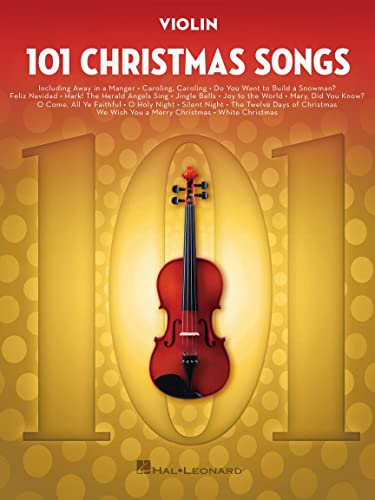
101 Christmas Songs for Violin gives players a seasonal set of carols and holiday songs. It can help an intermediate player prepare for family gatherings, school events, or informal concerts. Familiar tunes make it easier to focus on phrasing and tone. The book also provides a welcome break from a strict classical routine.
The main strength here is practical use. You can choose a few songs and prepare them for a clear date, such as a holiday recital. Difficulty may differ across the collection, so do not assume every title will feel equally easy. I would use this book as a seasonal supplement rather than a main technique course.
Pros:
- Large collection of holiday music
- Useful for seasonal performances
- Creates simple practice goals
- Good for family and community playing
- Helps vary a classical practice schedule
- Familiar melodies support confidence
Cons:
- Its use is strongest during the holiday season
- Arrangements may not all match one skill level
- It offers limited technical instruction
What Amazon Buyers Are Saying
Customers usually look for a broad song list and easy access to familiar holiday tunes. Buyers may also compare the book with other seasonal arrangements before choosing it. Check the contents and page previews for the style you want. A songbook cannot replace a teacher’s advice on bowing or phrasing.
My Recommendation
I recommend it for players who want to perform holiday music or keep practice fun in December. It offers good seasonal value but should sit beside a core method book. I rate it 4.1 out of 5.
Giant Book of Violin Classics

The Giant Book of Violin Classics collects 31 pieces for violin and piano. It gives an intermediate player access to well-known classical repertoire in one volume. That can save money and shelf space compared with buying many separate books. The piano part also makes the collection useful for lessons, recitals, and home performance.
This type of collection works best when you choose pieces that match your present level. A familiar title may still contain hard shifts, fast passages, or demanding bow work. I suggest asking a teacher or accompanist to help choose the first few pieces. The book can then become a useful bridge from exercises to real performance.
Pros:
- Offers 31 classical pieces in one book
- Includes music for violin and piano
- Useful for recital planning
- Supports musical phrasing and interpretation
- Good reference for a growing repertoire
- Can cost less than buying many single editions
Cons:
- Difficulty can vary from piece to piece
- Requires access to a pianist for full use
- Some works may exceed an early intermediate level
What Amazon Buyers Are Saying
Buyers of anthology books often like the range of music and the convenience of one volume. They may also compare the print layout and arrangement quality with separate editions. The main issue is fit: not every piece will suit every player. Review the contents before purchase and select music with realistic goals.
My Recommendation
I recommend this book for an intermediate violinist who wants more classical repertoire. It offers strong long-term use when paired with a teacher and pianist. I rate it 4.5 out of 5.
Broadway Favorites for Strings

Broadway Favorites for Strings brings musical theater material into violin practice. The book includes arrangements for Violin 1 and Violin 2, which makes it useful for solo playing or group work. Intermediate players can use it to build rhythm, ensemble awareness, and expressive style. It also gives students music that feels different from standard classical studies.
The two violin parts add useful flexibility. A player can practice alone or join another string player. Still, part difficulty and range may differ, so check the arrangement before choosing a part. I see this book as a strong motivation tool, especially for a student who enjoys theater music and wants a practical performance goal.
Pros:
- Offers Broadway material for string players
- Includes Violin 1 and Violin 2 parts
- Supports ensemble practice
- Helps develop rhythmic confidence
- Good change from standard classical books
- Useful for school or informal performances
Cons:
- Arrangements may not suit solo classical study
- Players may need another violinist for full ensemble use
- Difficulty can change between songs
What Amazon Buyers Are Saying
Buyers usually value the familiar Broadway titles and the chance to play with another string musician. Some may want more detail about the exact parts or level before buying. Check the preview and contents list for your preferred songs. As with any arrangement book, the printed part may differ from a full orchestral score.
My Recommendation
I recommend this book for students who enjoy theater music or ensemble playing. It offers a useful way to build rhythm while keeping practice enjoyable. I rate it 4.3 out of 5.
Violin and Cello Duets

The Big Book of Violin and Cello Duets contains 34 arrangements for two different string instruments. Duet playing teaches skills that solo practice cannot fully provide. You must listen, match rhythm, adjust volume, and keep your place while another player performs. The pop-focused material also gives intermediate musicians a relaxed way to play with friends.
This collection makes the most sense if you have regular access to a cellist. It may also suit a teacher who wants a flexible lesson activity. The pull-out parts can make sharing easier, but players should still confirm the arrangement level. I would not buy it as a solo-only book unless you plan to use recordings or software for the second part.
Pros:
- Builds ensemble and listening skills
- Includes 34 arrangements
- Offers pop music for group practice
- Useful for lessons and informal recitals
- Pull-out parts support shared playing
- Encourages regular practice with a partner
Cons:
- Needs a cellist or second-part solution
- Limited value for players who always practice alone
- Pop arrangements may not suit classical goals
What Amazon Buyers Are Saying
Customers who buy duet books often focus on song choice, part layout, and how easy it is to play with another person. Buyers may enjoy the social side of the collection. The main limitation remains access to a cello player. Check the listed songs and part format before ordering.
My Recommendation
I recommend this book for a social intermediate player with a regular duet partner. It adds real musical skills and can make practice more consistent. I rate it 4.2 out of 5.
All-Time Favorite Violin Solos
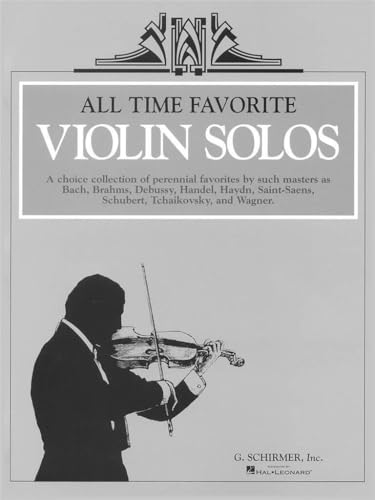
All Time Favorite Violin Solos combines classical and Romantic works for violin and piano. It suits players who want recognizable pieces with accompaniment. The collection can help develop phrasing, dynamics, and musical shape beyond basic note playing. It also gives students material for lessons, auditions, and small recitals.
This book may include pieces with different technical demands, so I would not treat it as a fixed method course. Choose one work that fits your current level, then build it slowly with a metronome and a pianist. The piano part adds a strong musical benefit, but it also means you need a rehearsal plan. For many intermediate players, that trade-off is worthwhile.
Pros:
- Includes classical and Romantic solo material
- Works with piano accompaniment
- Supports expressive playing
- Useful for recitals and lessons
- Offers long-term repertoire value
- Helps players move beyond beginner pieces
Cons:
- Some works may be too hard for early intermediates
- Full use requires a pianist or accompaniment method
- It gives limited technical instruction
What Amazon Buyers Are Saying
Buyers generally seek familiar repertoire and the convenience of a single collection. They may also compare the book with individual editions for notes, layout, and accompaniment parts. The best choice depends on your target pieces. Review the contents before buying and ask a teacher to confirm the level.
My Recommendation
I recommend this book for an intermediate player who wants serious performance pieces in one volume. It offers better artistic range than a simple songbook. I rate it 4.5 out of 5.
How to Choose Best Violin Brands for Intermediate Players
Choosing among the best violin brands for intermediate players takes more than checking a logo. A good instrument should feel stable, respond without a fight, and support your next stage of study. Your teacher, playing size, budget, and local repair support all matter. Use the points below before you buy a violin or build a new practice plan.
1. Check Setup Before Brand Name
Setup often affects playability as much as the brand. Ask whether the bridge sits correctly, the strings have a sensible height, and the pegs turn without slipping. The fingerboard should feel smooth, and the soundpost should sit in the right place. A low-cost violin with a careful setup may feel better than a more costly violin that arrives poorly adjusted.
If you buy online, choose a seller with clear returns. Let a violin teacher or qualified luthier inspect the instrument. Do not force a bridge into place or make major adjustments at home. A professional can also suggest strings that match your sound and budget.
2. Match the Instrument to Your Skill and Sound
Intermediate players need room to grow. Listen for an even response across all four strings. Test quiet notes, strong notes, low positions, and higher positions. The violin should not feel stuck when you change strings or move the bow near the bridge.
Do not chase the loudest sound in a shop. A harsh violin may seem powerful at first but become tiring over time. I prefer a balanced tone that lets me shape soft and strong phrases. If you cannot test the instrument, read current product details and plan for a professional setup after delivery.
3. Compare Long-Term Value
Include the cost of strings, bow care, rosin, insurance, and possible repairs. A complete outfit can save money at the start, but included accessories may not meet your needs later. A violin with a good case and reliable fittings may offer better daily value than a cheaper package with weak parts.
Also consider how you practice. Wohlfahrt can support core technique. Whistler can guide position work. A classic anthology can prepare you for performance. The best violin brands for intermediate players become far more useful when you pair the instrument with a clear study plan.
Final Verdict: Which Should You Buy?
For a complete instrument, the Vangoa 4/4 set is the practical pick, but it needs a setup check. For skill growth, Wohlfahrt and Whistler offer the strongest value. The best violin brands for intermediate players should support comfort, tone, and steady progress.
Choose the violin that fits your size and budget, then invest in proper setup and regular practice. A good instrument and a smart study plan will take you farther than a brand name alone.
FAQs Of best violin brands for intermediate players
What should intermediate violin players look for in a violin?
Look for a stable setup, even response, comfortable string height, smooth pegs, and a tone you enjoy. A teacher or luthier should inspect an online purchase.
Is a full-size violin best for an intermediate player?
Most adults use a full-size violin. Players with smaller hands or shorter reach should ask a teacher to check whether a smaller size feels more comfortable.
Can a beginner violin work for an intermediate player?
It can, if the violin has a good setup and supports clean playing. Upgrade when the instrument limits tone, tuning, response, or comfort.
Should I buy a violin outfit or the instrument alone?
An outfit can offer useful value when you need a case and basic accessories. Check the quality of each included item and budget for better strings or setup if needed.
Do violin brands matter more than setup?
Setup matters greatly. A well-adjusted violin often plays more easily than a poorly adjusted instrument with a stronger brand name.

Senior Music Reviewer
Alex Carter is a seasoned music reviewer with over a decade of experience in the world of sound and instruments. Passionate about helping musicians and enthusiasts make informed choices, he brings sharp insights and in-depth knowledge to every review. From classical instruments to modern gear, Alex combines technical expertise with a love for music to deliver content that resonates with readers.
As a Senior Music Reviewer and expert author on Tuneluma.com, Alex is dedicated to sharing honest evaluations, practical advice, and thoughtful commentary to guide readers in their musical journey.