Introduction
In the United States, you may be able to sell a violin for $50 to more than $100,000, depending on its age, maker, condition, sound, history, and proof of authenticity. Most used student violins sell for $75 to $500. Better workshop violins often bring $500 to $5,000. Fine antique and modern professional violins can sell for much more.
A label inside the violin does not prove who made it. Many old violins have copied labels. The best way to set a fair price is to identify the instrument, check its condition, compare real U.S. sales, and get a qualified appraisal when the value may be high.
This guide explains how to estimate your violin’s value, where to sell it, and how to avoid common pricing mistakes.


Quick answer: What is my violin worth?
A violin’s likely resale price in the U.S. often falls into one of these broad ranges:
| Violin type | Common U.S. resale range | Typical buyer |
|---|---|---|
| Basic student violin | $50–$200 | Beginner, parent, school program |
| Better student or advancing violin | $200–$800 | Student, teacher, local player |
| Quality workshop violin | $800–$5,000 | Serious student, teacher, performer |
| Professional modern violin | $3,000–$25,000+ | Advanced player, professional |
| Verified antique violin | $2,000–$100,000+ | Collector, dealer, professional |
| Important historic Italian or French violin | $50,000–millions | Specialist dealer, collector, institution |
These ranges are only starting points. A $1,000 violin with serious damage may sell for less than a sound $300 violin from a trusted maker.
Private-sale prices may be higher than dealer buyout offers. However, a dealer takes on the cost of testing, repairs, marketing, storage, and the risk that the instrument will take months to sell. That is why a dealer’s offer may be lower than the expected retail price.
What determines a violin’s value?
The main value factors are maker, condition, sound, age, documentation, and market demand. No single feature gives a reliable price by itself.
Maker and origin
The maker usually has the greatest effect on value. A violin by a known American, French, German, or Italian maker may be worth far more than a similar-looking instrument with no verified maker.
Important details include:
- The maker’s name
- The workshop or school
- The country of origin
- The date of construction
- Whether the instrument is made by hand or in a factory
- Whether the maker is known in current trade records
A violin may carry a label that says “Antonius Stradivarius.” That does not mean Stradivari made it. Such labels were copied for centuries. Treat a label as a clue, not proof.
Condition and repairs
Condition can change the price by thousands of dollars. Common problems include:
- Open seams
- Cracks in the top, back, or ribs
- A sound-post crack
- A repaired peg-box crack
- A neck that has moved
- A damaged or replaced scroll
- A thin or worn top
- Poor past repairs
- Worm damage
- Warped ribs
- Missing parts
A clean, well-done repair may not destroy value. A badly placed repair, hidden crack, or weak neck joint can reduce value sharply.
Do not press on cracks, remove glued parts, or try to clean the varnish. Amateur work can cause permanent damage.
Sound and playability
Players pay for a violin that works well. A violin with a strong, balanced sound may sell for more than a prettier violin with weak tone.


A violin’s playing value can depend on:
- Projection
- Response
- Evenness across the strings
- Ease of shifting
- Clarity at soft and loud volume
- Comfort under the player’s ear
- Stability after setup
Sound is partly subjective. A professional player, dealer, or violin shop should test the instrument before you set a final price.
Age
Age can help, but age alone does not create value. An old factory violin may be worth less than a well-made modern violin.
Buyers usually care more about the combination of:
- Verified maker
- Good condition
- Useful sound
- Reliable history
- Demand in the current market
Documentation and provenance
Documents can support a higher price. Useful records include:
- A prior appraisal
- A certificate from a respected expert
- A receipt from a known violin shop
- Auction records
- Insurance records
- A letter from a recognized maker or dealer
- A clear chain of ownership
A family story can add interest, but it does not prove value. Keep every old receipt, letter, and repair record you have.

How to estimate your violin’s price at home
You can make a rough estimate at home. You cannot confirm a valuable maker or hidden damage with certainty without an in-person inspection.
Step 1: Record the basic details
Write down:
- The violin’s full length
- The body length
- Any label or brand name
- The serial number
- The country listed on the label
- The case and bow details
- Any writing, stamp, or brand mark
- The date of purchase, if known
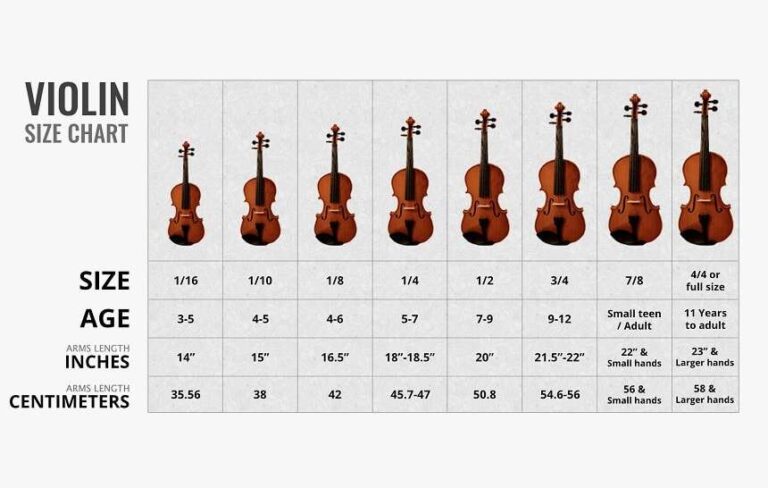
A full-size violin usually has a body length near 14 inches. Smaller instruments may be measured as fractions, such as one-half, three-quarter, or one-quarter size. Size affects the buyer pool, but it is not the same as quality.
Take clear photos of:
- The front
- The back
- Both sides
- The scroll
- The f-holes
- The bridge
- The label
- The peg box
- The bow’s frog and tip
- All cracks and repairs
Step 2: Inspect it without opening or altering it
Look for visible damage. Use bright, soft light. Do not use a knife, solvent, polish, or strong light bulb inside the violin.
Check whether:
- The bridge stands straight
- The strings sit in the bridge grooves
- The pegs turn and hold
- The fingerboard is secure
- The tailpiece is intact
- The endpin fits
- The seams are closed
- The top and back have cracks
- The bow has a straight stick
- The bow hair is present and usable
If the violin has not been played for years, do not immediately tighten the strings to full pitch. Old glue, weak seams, or hidden cracks may fail under pressure. Ask a violin shop to inspect it first.
Step 3: Separate the violin, bow, and case values
A good bow can be worth more than the violin. A bow by a known maker may sell for hundreds or thousands of dollars.


A basic case adds little value. A strong, clean case from a respected brand may add more. Do not assume that a complete outfit has the same value as the parts sold separately.
List each item:
| Item | Possible value effect |
|---|---|
| Violin | Main value |
| Bow | May have separate value |
| Case | Low to moderate added value |
| Extra strings | Small added value |
| Shoulder rest | Usually modest value |
| Old receipts or certificates | May support value |
Step 4: Compare completed sales, not asking prices
An online asking price shows what someone hopes to receive. It does not show what a buyer paid.
Use completed sales when possible. Look at:
- The same maker
- The same model
- Similar condition
- Similar age
- The same size
- Whether the bow is included
- Whether the sale came from a dealer or auction
Useful U.S. market sources may include violin dealers, auction archives, and marketplaces with sold-item data. Tarisio and other specialist auction houses publish information on many fine instruments. General sites such as eBay and Reverb can help with student instruments, but listings may contain errors.
Do not compare a certified instrument with an unverified label match.
Step 5: Set three prices
Create three numbers:
- Fast-sale price: what may attract a buyer soon
- Fair private-sale price: a realistic target after normal negotiation
- Retail or dealer price: what a shop may ask after setup and warranty
These prices are not the same. A dealer may list a violin for $3,000 but offer the owner $1,500 to $2,000, depending on demand, condition, and resale risk.

Violin value by common category
The category helps you choose the right selling method. It does not replace an appraisal.
Student violins: about $50 to $500
Many beginner instruments are factory-made. They often have a label, case, and bow, but no strong maker value.
The resale price depends on:
- Brand
- Size
- Condition
- Setup
- Bow quality
- Local demand
A violin that needs a bridge, strings, pegs, and repairs may be worth very little as-is. A clean outfit that plays well may sell faster.
Intermediate violins: about $300 to $2,000
These instruments may come from better workshops or established brands. They may use better wood and more careful construction.
A recent receipt from a reputable U.S. violin shop can help. So can a service record that shows the violin received a proper bridge, sound-post adjustment, and repair work.


Workshop and advanced violins: about $1,000 to $10,000
This group includes many hand-made instruments from known modern makers and strong workshop instruments.
The maker’s reputation matters greatly. So does the violin’s sound. A professional player may want to try the instrument before buying, even when the photos and documents look good.
Professional modern violins: about $5,000 to $25,000 or more
Professional instruments often have a known maker, strong sound, good setup, and a record of ownership or sales.
Prices vary widely. A modern violin by a respected maker may compete with an older violin from a less valued maker. Do not assume that “new” means cheap or that “old” means expensive.
Antique violins: $2,000 to $100,000 or more
An antique violin needs careful review. Its age, maker, condition, repairs, and history all matter.
Some old instruments sell for modest sums. Others attract collectors and top players. An antique label without expert confirmation has limited value.
Rare Italian and French violins
A genuine violin by a major historic maker may be worth a very large sum. This market is specialized and can involve certificates, expert opinions, insurance, export rules, and private sales.
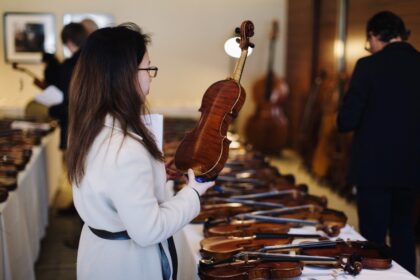
If you suspect a rare Italian or French violin, do not list it on a general marketplace. Contact a respected violin appraiser or specialist dealer first.
Where should you sell a violin in the U.S.?
The best sales channel depends on value, risk, speed, and your willingness to manage the sale.
Sell to a violin shop
A violin shop is often the safest first stop. The shop may:
- Identify the instrument
- Check its condition
- Estimate repair costs
- Make a direct offer
- Take it on consignment
- Help you sell the bow and case
A direct offer is usually lower than the final retail price. You are paying for speed, convenience, and lower risk.
Use consignment
With consignment, the shop lists and sells the violin for you. The shop then keeps a commission.
Ask for the terms in writing:
- Commission rate
- Listing period
- Minimum acceptable price
- Repair approval rules
- Insurance coverage
- Payment timing
- What happens if the violin does not sell
Consignment may bring more than a quick dealer purchase, but it can take months.


Use a specialist auction house
An auction house may suit a valuable antique or professional instrument. Ask about:
- Seller’s commission
- Buyer’s premium
- Reserve price
- Insurance
- Photography
- Shipping
- Authentication
- Estimated sale date
Auction results can be unpredictable. A low reserve may create interest, but it can also lead to a disappointing result.
Sell privately
A private sale may bring a higher price. It also creates more work and risk.
Use a written bill of sale. Include:
- Seller and buyer names
- Date
- Price
- Violin description
- Maker claim, if any
- Known repairs
- Included bow and case
- Return terms, if agreed
- Signatures
Meet in a safe public place, such as a violin shop or bank lobby. For a high-value sale, use a secure payment method and confirm that funds have cleared before handing over the instrument.
Use an online marketplace
Online marketplaces can work for common student violins. They are less suitable for an instrument that may be valuable or hard to authenticate.
Your listing should state:
- Exact measurements
- Clear photos
- Known condition issues
- Whether the violin has been tested
- What is included
- Whether the maker is verified
- Shipping and return terms
Never claim that a violin is “by Stradivari,” “Italian,” or “antique” unless reliable evidence supports that claim.

Should I repair my violin before selling it?
Repair it only when the likely price increase is greater than the repair cost and risk.
A basic setup may help a student violin sell. This can include:
- New strings
- A properly fitted bridge
- Sound-post adjustment
- Peg work
- Fingerboard correction
- Cleaning by a qualified shop
Major repairs need more care. A costly restoration may not pay for itself on a low-value violin.
Ask a shop for two estimates:
- Value in its current condition
- Value after the proposed work
Then compare the expected increase with the repair bill. For example, if a repair costs $600 and may raise the selling price by only $300, the work may not make financial sense.
Do not let a seller perform major work without a written estimate. For a valuable violin, get a second opinion.


How to get a professional violin appraisal
A professional appraisal makes sense when the violin may be valuable, inherited, insured, donated, or part of an estate.
Look for an appraiser with experience in violins, not only general antiques. Ask what the appraisal is for:
- Current market value
- Insurance replacement value
- Fair market value
- Estate or donation value
- Auction estimate
These values can differ. Insurance replacement value is often higher than the amount you might receive in a private sale.
Ask whether the fee is:
- Flat
- Hourly
- Based on the violin’s value
- Separate from repair or sales services
A written appraisal should describe the violin, condition, measurements, included items, method, and value date. It should also explain the appraiser’s qualifications.
A sales estimate from a dealer is not always the same as an independent appraisal. If you need an unbiased value, ask whether the appraiser benefits if you sell through that business.

Common mistakes that lower a violin’s sale price
Several mistakes can make a violin harder to sell.
Trusting the label too much
A printed label is not proof of the maker. Buyers may ignore unsupported claims.
Using one online listing as the price
One high asking price does not establish market value. Compare several completed sales.
Cleaning the varnish
Household polish, alcohol, and furniture cleaner can damage the finish. Leave cleaning to a trained violin restorer.
Tightening old strings
An old violin may have hidden structural problems. A shop should inspect it before full tension is applied.
Hiding cracks or repairs
A buyer may discover the problem during inspection. Hidden damage can lead to a return, dispute, or lower offer.
Including a valuable bow for free
The bow may have its own value. Identify it separately before selling the outfit.
Shipping without proper protection
A violin can suffer damage from impact, heat, cold, and poor packing. For an expensive instrument, use a specialist shipper and proper insurance.
Accepting pressure from a buyer
Urgency is a warning sign. Take time to verify payment, identity, and the instrument’s description.

Key takeaways
- Most used student violins sell for $50 to $500 in the U.S.
- Better workshop and professional violins may sell for $800 to $25,000 or more.
- Rare, verified antique instruments can be worth far more.
- The label alone does not prove the maker.
- Condition, sound, repairs, and documentation often matter more than age.
- A dealer offer is usually lower than a retail price.
- Get an expert opinion before selling a violin that may be valuable.
- Value the bow and violin separately.
- Do not clean, repair, or fully tighten an old violin without proper advice.
Frequently asked questions
How can I find out what my violin is worth for free?
Start by photographing the violin, label, scroll, bridge, bow, and damage. Compare the instrument with completed sales from the same maker and condition. Some shops offer a free initial opinion, but a written appraisal may cost money.
Are old violins always worth more?
No. Age alone does not determine value. A well-made modern violin may be worth more than an old factory violin. Maker, sound, condition, and proof of origin are usually more useful.
Does a violin label prove who made it?
No. Labels can be copied, replaced, or used to identify a model rather than a maker. A qualified expert must examine the violin’s construction, materials, style, and history.
Is a violin bow included in the violin’s value?
Not always. A bow may have its own maker and market value. Ask a violin shop to assess the bow separately.
Where can I sell a violin near me?
A violin shop, luthier, specialist dealer, or local music school may point you to buyers. Search for established violin shops in your U.S. city and ask whether they buy instruments, accept consignment, or provide appraisals.
Do I need an appraisal for insurance or an estate?
Often, yes. Ask the insurer, estate representative, or tax adviser what type of valuation they require. Insurance value, auction value, and private-sale value are not interchangeable.
Conclusion
The answer to “how much can I sell my violin for?” depends on evidence, not the label alone. A common student violin may bring less than $200, while a verified professional or antique violin may be worth thousands or much more.
Start with photos, measurements, condition notes, and any records you have. Compare completed U.S. sales, then ask a qualified violin shop or independent appraiser to inspect the instrument. If the violin appears rare, damaged, or unusually well made, do not sell it on a general marketplace before getting specialist advice.
Research sources
For current research, buyers and sellers can review:
- Tarisio Auctions for specialist violin auction information
- The Smithsonian National Museum of American History for instrument and maker reference material
- The Library of Congress for historical instrument and music collections
- The American Federation of Violin and Bow Makers for information about professional violin and bow makers
- Auction-house catalogs and completed sale records from established U.S. specialists
Use current completed sales and a local inspection when making a final pricing decision.

Senior Music Reviewer
Alex Carter is a seasoned music reviewer with over a decade of experience in the world of sound and instruments. Passionate about helping musicians and enthusiasts make informed choices, he brings sharp insights and in-depth knowledge to every review. From classical instruments to modern gear, Alex combines technical expertise with a love for music to deliver content that resonates with readers.
As a Senior Music Reviewer and expert author on Tuneluma.com, Alex is dedicated to sharing honest evaluations, practical advice, and thoughtful commentary to guide readers in their musical journey.