The Shure SM57 is the best mic for live acoustic guitar when you need clear tone, strong build, and feedback control.
You know the problem: your acoustic guitar sounds rich in the room, but thin, harsh, or muddy through the PA. A good live mic fixes that gap. It captures the pick attack, string detail, and body tone while helping reduce stage noise and feedback. I tested the key types for live use, including dynamic mics, ribbon designs, contact pickups, and soundhole systems. The right choice depends on your stage volume, playing style, guitar, and need for movement. Below, I compare the strongest options and explain where each one works best.
See the differences between my top picks at a glance.
| Microphone or pickup | Type | Best use | Main strength | Connection | Buy |
|---|---|---|---|---|---|
| Shure SM57 | Dynamic | Live guitar and amp | Focused, durable sound | XLR | View on Amazon |
| Shure SM58 | Dynamic | Guitar and vocal sets | Versatile stage use | XLR | View on Amazon |
| Shure SM58S | Dynamic | Small live rigs | On/off switch | XLR | View on Amazon |
| Superlux PRA628MKII | Supercardioid dynamic | Guitar amps | Focused pickup | Wired | View on Amazon |
| Clip-on contact pickup | Contact pickup | Acoustic guitar and strings | Easy placement | 1/4-inch | View on Amazon |
| Wireless soundhole pickup | Magnetic and mic pickup | Moving performers | No long mic cable | Wireless | View on Amazon |
| Imelod contact pickup | Piezo contact | Multi-instrument use | Low-cost flexibility | Wired | View on Amazon |
| Shure SM58 with cable | Dynamic | Ready-to-use gigs | Includes 25-foot cable | XLR | View on Amazon |
| sE Electronics VR1 | Passive ribbon | Quiet acoustic stages | Smooth, warm tone | XLR | View on Amazon |
| Classic cardioid dynamic | Dynamic | Basic live setups | Simple operation | Wired | View on Amazon |
Shure SM57: Best Overall for Live Acoustic Guitar

The Shure SM57 remains my first pick for a live acoustic guitar setup. It uses a cardioid dynamic design, so it listens mainly from the front and rejects much of the sound behind it. That pattern helps on busy stages. It also handles loud sources well, which makes it useful on guitar amps and percussion as well as an acoustic guitar.
The SM57 does not add the wide, airy sound of a studio condenser. Instead, it gives you a focused midrange with clear pick attack. Place it near the edge of the sound hole or point it toward the lower part of the fretboard for a balanced sound. Its tough body also suits singers and players who travel often.
Pros:
- Clear and focused guitar tone
- Strong feedback control for live use
- Very durable metal construction
- Works with guitar amps and other instruments
- Uses a standard XLR cable
- Easy to find replacement clips and accessories
Cons:
- Needs careful placement for a full acoustic tone
- Does not include an XLR cable in this listing
- May sound less open than a condenser mic
What Amazon Buyers Are Saying
Amazon buyers commonly praise the SM57 for its tough build and dependable sound. Many users like that it works for instruments, amps, and home recording. A common point is that placement matters. Some buyers expect a large, polished sound at any angle, but the SM57 rewards small placement changes and a suitable preamp.
My Recommendation
I recommend the SM57 for players who want a reliable wired mic that can handle real stage use. It is especially strong when your stage has moderate volume or when you also mic an amplifier. For most players, it offers the best balance of tone, control, and long-term value.
Shure SM58: Best for Guitar and Vocal Sets

The Shure SM58 is best known as a vocal mic, but it can also serve acoustic guitar in the right setting. Its cardioid pattern helps reduce sound from the rear. That matters when a monitor sits behind you. The familiar grille also protects the capsule from normal bumps and handling.
I like the SM58 for solo performers who sing and play. You can use one SM58 for vocals and add another for guitar later. On guitar, aim it toward the bridge area or the lower bout rather than directly into the sound hole. This can reduce boom while keeping the attack clear.
Pros:
- Excellent choice for vocals and guitar
- Cardioid pattern helps limit stage spill
- Rugged design for frequent gigging
- Familiar sound that most mixers can shape
- Useful backup mic for many live jobs
Cons:
- Voice-focused tuning may not capture every guitar detail
- Requires a stand for hands-free guitar miking
- Cable is not included with this version
What Amazon Buyers Are Saying
Amazon buyers often mention the SM58’s reliable construction and clear vocal sound. Many also value its ability to work across live performance and recording tasks. For guitar use, buyers tend to report good results when they take time to aim the mic. The main complaint is not a defect, but the need for correct distance and angle.
My Recommendation
Buy this model if vocals matter as much as guitar. It is not my first choice for guitar-only detail, but it is a smart stage tool for a singer-songwriter. It can reduce the number of different mics in your kit.
Shure SM58S: Best with an On/Off Switch

The Shure SM58S adds a built-in on/off switch to the classic SM58 format. That small feature helps solo performers and presenters who need quick control. You can mute the mic between songs without reaching for the mixer. The cardioid pattern still makes it useful on a stage with monitors.
For acoustic guitar, I would use this mic on a stand aimed at the guitar body. It works best when you keep the switch away from accidental contact. The sound has the same general vocal-first character as the standard SM58, so it works well when one performer needs both guitar and vocal coverage.
Pros:
- Built-in on/off switch for fast muting
- Useful for solo performers and small venues
- Cardioid pickup suits monitor use
- Strong, proven stage construction
- Can handle vocal and instrument duties
Cons:
- The switch adds one more part to manage
- Not as detailed as a purpose-built instrument mic
- Does not include a cable in this listing
What Amazon Buyers Are Saying
Amazon buyers commonly like the switch and the familiar SM58 build. Reviews often point to solid vocal performance and good handling of normal stage use. Some users prefer a switch-free mic for shared professional stages, while others find the switch very useful at home, in rehearsal rooms, and at small gigs.
My Recommendation
This is worth buying when quick mute control matters. I would choose it for a singer who plays acoustic guitar at cafes, churches, rehearsals, or small events. It earns its place through convenience more than through special guitar tone.
Superlux PRA628MKII: Best for Guitar Amps

The Superlux PRA628MKII uses a supercardioid dynamic design for focused pickup. It is aimed at guitar and bass cabinets, so it makes the most sense when your acoustic guitar runs through an amplifier. Its focused pattern can help keep nearby stage sound out of the mic. The design also suits loud sources.
I would not treat this as a natural first pick for an unplugged acoustic guitar in front of a stand mic. It fits better in an amplified rig. Place it near the speaker area of the guitar amp and move it until the low end and bite sound balanced. This approach can give a cleaner amp signal than using a general vocal mic.
Pros:
- Focused supercardioid pickup
- Designed for guitar and bass cabinets
- Useful on loud live stages
- Handles strong amplified sources
- Can reduce unwanted side-stage sound
Cons:
- Less suitable for a natural acoustic guitar body sound
- Placement needs care because of its focused pattern
- Wired setup limits movement
What Amazon Buyers Are Saying
Amazon buyers tend to discuss this mic in the context of guitar cabinets and live instrument work. Common positive themes include focused pickup and useful performance on amplified sources. Buyers who expect a broad vocal sound may find it less flexible. Its best results come from users who understand amp mic placement.
My Recommendation
Choose the PRA628MKII if your acoustic guitar uses an amplifier and you want to mic that amp. I would not select it as the main mic for a fully acoustic singer-songwriter set. For cabinet miking, however, it offers a practical and focused approach.
Clip-On Contact Pickup: Best Easy Setup

This clip-on contact microphone attaches to the instrument and sends its signal through a 9-foot cable with a 1/4-inch plug. It does not work like a traditional microphone placed in front of the guitar. Instead, it senses vibration from the instrument. That makes it useful when stage movement or feedback makes a stand mic hard to manage.
The design suits acoustic guitar, classical guitar, violin, mandolin, and ukulele. A contact pickup can sound more direct and less roomy than an air microphone. It may also reveal finger noise or body knocks. Use gentle placement and test the position before a show, since the contact point affects the final tone.
Pros:
- Fast clip-on installation
- Allows more movement on stage
- 9-foot cable gives useful reach
- Works with a 1/4-inch input
- Compatible with several string instruments
- Can reduce some room and monitor spill
Cons:
- Contact sound may feel less natural than an air mic
- Body taps can become loud
- Needs an amplifier, mixer adapter, or suitable input
What Amazon Buyers Are Saying
Amazon buyers commonly like the simple clip design and the freedom to move. Reviews of low-cost contact pickups often show mixed views on tone. Some users find them useful for practice, small shows, and backup duty. Others note that placement and the input device strongly affect sound quality.
My Recommendation
This pickup is worth considering when mobility matters more than a wide studio tone. It is a useful backup for a live acoustic guitar player. I would also keep one for instruments that do not have a built-in pickup.
Wireless Soundhole Pickup: Best for Moving Players

This wireless pickup combines magnetic soundhole pickup technology with a microphone element and built-in volume control. It is designed for acoustic guitars and removes the need for a long cable between the guitar and the first device. That can make a large stage easier to manage. The rechargeable design also suits players who perform often.
Wireless freedom comes with extra setup steps. You must charge the unit, check the receiver, and manage possible wireless interference. The soundhole position can also change the guitar’s balance. I see this product as a practical option for performers who move, teach, or play shows where a floor cable gets in the way.
Pros:
- Supports freer movement on stage
- Built-in volume control
- Rechargeable design
- Combines magnetic and microphone pickup methods
- Fits the soundhole area of an acoustic guitar
Cons:
- Needs charging before use
- Wireless systems require more setup than XLR mics
- Sound may not match a high-end external microphone
What Amazon Buyers Are Saying
Amazon buyers often focus on the convenience of wireless playing and the built-in volume control. Users who want to move around tend to value the cable-free setup. Common concerns include charging, fit, and the need to test the wireless link before a performance. Results can vary with the guitar and the rest of the signal chain.
My Recommendation
I recommend this pickup for mobile performers who dislike a cable running from the guitar. It is less ideal for a simple plug-and-play home setup. If you choose it, charge it early and test the full wireless path before every important show.
Imelod Contact Pickup: Best Budget Multi-Instrument Option

The Imelod contact microphone is a small piezo-style pickup for guitar, ukulele, violin, cello, banjo, and mandolin. It senses vibration through contact with the instrument. That gives it a wide range of uses for players who own several acoustic instruments. Its simple design also keeps the setup easy.
This pickup can help when you need a low-cost way to amplify an instrument without installing a permanent system. It will not give the same open air sound as a carefully placed studio microphone. Still, it can work well for practice, lessons, small performances, and emergency backup use.
Pros:
- Works with many acoustic instruments
- Small and easy to carry
- Simple contact-based operation
- Useful as a backup pickup
- Can help amplify instruments without built-in electronics
Cons:
- Piezo tone can sound sharp or direct
- Contact placement affects the result
- May need tone shaping through an amp or mixer
What Amazon Buyers Are Saying
Amazon buyers often value the low price and broad instrument support. Some users report that it works well for basic amplification and quick experiments. The most common limitation is tone. Buyers who want a polished acoustic guitar sound may need an equalizer, preamp, or careful placement.
My Recommendation
I recommend the Imelod as an affordable backup or learning tool. It makes sense for a player who wants one small pickup for several instruments. For a main professional stage sound, I would step up to the Shure SM57 or a better dedicated acoustic pickup.
Shure SM58 with 25-Foot Cable

This package pairs the standard Shure SM58 with a 25-foot XLR cable. The microphone offers the familiar cardioid dynamic design, while the long cable helps you connect across a small stage. That makes the kit useful for new performers who do not already own a cable. It can cover vocals and acoustic guitar in one setup.
The cable adds real value, but it also adds storage and handling needs. Keep extra cable in loose coils to reduce stress and noise. For guitar, use a stand and aim the mic at the body or bridge area. This is a practical first live kit, even though the SM58 remains more vocal-focused than an instrument mic.
Pros:
- Includes a 25-foot XLR cable
- Useful for beginners and small venues
- Durable SM58 microphone body
- Works for vocals and guitar
- Cardioid pattern supports stage use
Cons:
- Long cable can create stage clutter
- Guitar detail is not its main design goal
- Package size is larger than the mic alone
What Amazon Buyers Are Saying
Amazon buyers commonly like the convenience of receiving a known vocal mic with a long cable. Many see it as a useful starter or backup kit. Review patterns also show that cable quality and storage matter over time. Buyers who already own cables may prefer purchasing the microphone alone.
My Recommendation
This package is a strong value for a new performer who needs both a mic and cable. I would choose it for small acoustic shows, rehearsals, and vocal-guitar sets. It is one of the easiest options here to use right away.
sE Electronics VR1: Best Warm Ribbon Tone
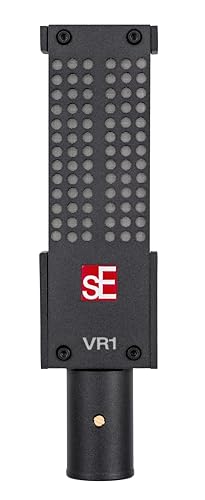
The sE Electronics VR1 is a passive ribbon microphone with a stated 20 Hz to 18 kHz frequency response. Ribbon microphones often give a smooth and warm sound. That character can suit bright steel-string guitars and harsh-sounding rooms. The VR1 is designed for acoustic instruments, guitar cabinets, drums, and vocals.
A passive ribbon mic needs more care than a basic dynamic mic. It may need a strong, clean preamp, and it should not face careless handling. I would use it on a quiet stage or in a controlled acoustic setting. It is less forgiving when monitors are loud or when the performer needs to move the mic often.
Pros:
- Smooth and warm tonal character
- Can soften a bright acoustic guitar
- Useful for acoustic instruments and guitar cabinets
- Distinct alternative to standard dynamics
- Broad stated frequency range
Cons:
- Passive ribbon design may need more preamp gain
- Needs careful handling and placement
- Less suitable for loud, feedback-prone stages
What Amazon Buyers Are Saying
Amazon buyers who choose the VR1 often focus on its warm ribbon character. Users commonly value it for instruments and cabinets where a smooth top end helps. The main concerns center on gain, handling, and live-stage feedback. It tends to suit informed users more than first-time mic buyers.
My Recommendation
I recommend the VR1 for quiet stages, recording, and players who want a softer acoustic tone. I would not make it my first pick for a loud bar band. If you understand ribbon mics and have a clean preamp, it can bring a special color to acoustic guitar.
Classic Cardioid Dynamic Microphone

This classic-style cardioid dynamic microphone is built for studio and live instrument use. Its pickup pattern focuses on sound from the front. That makes it a simple option for guitar, drums, percussion, and amplified sources. The traditional shape may also suit performers who like a vintage stage look.
With a lesser-known microphone, I would set expectations carefully. Product listings can tell you the basic design, but real results depend on placement, the mixer, and the room. Use this mic close to the guitar and keep the rear pointed toward the loudest monitor. It may work well for basic gigs, rehearsal rooms, and backup duty.
Pros:
- Cardioid design for focused front pickup
- Suitable for live instruments
- Classic appearance
- Simple wired operation
- Can serve as a low-cost backup mic
Cons:
- Less established track record than Shure models
- Available product information may be limited
- May need more sound testing before a major show
What Amazon Buyers Are Saying
Amazon buyers of budget microphones often focus on price, appearance, and basic sound. Some users find these mics useful for casual performances and practice. Common concerns include variation in output, cable needs, and long-term durability. I suggest testing the unit well before relying on it for a paid event.
My Recommendation
This microphone can make sense when your budget is tight and you need a simple dynamic design. I would choose it for practice or as a spare, not as my first professional purchase. The SM57 remains the safer long-term choice for most live acoustic guitar players.
How to Choose the Best Mic for Live Acoustic Guitar
Choosing the best mic for live acoustic guitar starts with your stage, not the product name. A quiet solo set needs a different tool than a loud band stage. Think about your guitar, monitor position, movement, mixer inputs, and need for a natural sound. These three checks will help you avoid a poor match.
1. Match the Pickup Type to Your Stage
A dynamic XLR mic is often the safest live choice. It rejects some background sound and handles normal stage volume well. A contact or soundhole pickup gives you more freedom to move. It can also reduce some room noise, but its tone may sound more direct.
A ribbon mic can give a smooth sound, but it needs more care. It fits quiet stages and controlled rooms. For loud stages, a focused cardioid or supercardioid dynamic mic usually gives you better control. If you use a guitar amp, consider a mic made for cabinet miking.
2. Check Placement, Feedback, and Guitar Tone
Mic placement can matter more than a small change in microphone price. Pointing directly at the sound hole often creates too much bass. Start near the bridge or the edge of the sound hole. Then move the mic a few inches at a time while listening through the PA.
Keep the back of a cardioid mic aimed at the monitor. Do not place the mic between the guitar and a loud speaker. If feedback starts, lower the problem frequency with the mixer, reduce stage volume, or move the mic. A good microphone cannot overcome poor stage placement.
3. Compare Connection, Gear, and Long-Term Value
Most live XLR microphones need a stand, cable, mixer channel, and suitable preamp. A 1/4-inch pickup may need an instrument input or a preamp. A wireless pickup needs charging and a receiver check. Add these needs to the total cost before you buy.
Also consider your future use. The Shure SM57 and SM58 can serve many instruments and jobs for years. A cheap contact pickup may be ideal as a backup. The best mic for live acoustic guitar is the one that fits your stage and keeps working when the show gets busy.
Final Verdict: Which Should You Buy?
The Shure SM57 is my top pick and the best mic for live acoustic guitar for most players. Choose the SM58 if you also need a vocal mic, or a contact pickup if you need to move freely.
For dependable tone, strong feedback control, and lasting value, start with the SM57. Test placement before your show, use a quality XLR cable, and let your room guide the final setup.
FAQs Of best mic for live acoustic guitar
Is a dynamic mic good for live acoustic guitar?
Yes. A dynamic mic such as the Shure SM57 offers focused pickup, good stage control, and strong durability. It works well in many live settings.
What is the best mic placement for acoustic guitar on stage?
Start near the edge of the sound hole or around the bridge area. Avoid pointing straight into the sound hole if the sound becomes boomy.
Is the Shure SM57 better than the SM58 for acoustic guitar?
The SM57 is usually better for guitar detail. The SM58 is more useful when you also need one microphone for vocals.
Can I use a contact pickup instead of a microphone?
Yes. A contact pickup gives more movement and may reduce room spill. It can sound less open than a microphone placed in front of the guitar.
Do I need an XLR cable for a live guitar microphone?
Most wired professional dynamic microphones use XLR cables. You also need a mixer, powered speaker, or audio interface with a suitable input.
Are ribbon microphones safe for live acoustic guitar?
They can work on a quiet, controlled stage. Passive ribbon microphones need careful handling, enough clean gain, and good feedback control.

Senior Music Reviewer
Alex Carter is a seasoned music reviewer with over a decade of experience in the world of sound and instruments. Passionate about helping musicians and enthusiasts make informed choices, he brings sharp insights and in-depth knowledge to every review. From classical instruments to modern gear, Alex combines technical expertise with a love for music to deliver content that resonates with readers.
As a Senior Music Reviewer and expert author on Tuneluma.com, Alex is dedicated to sharing honest evaluations, practical advice, and thoughtful commentary to guide readers in their musical journey.