Best Headphones For Acoustic Drums: Top Picks
The best headphones for acoustic drums balance clear sound, strong isolation, comfort, and safe listening during every session.
If you play acoustic drums, you know how fast a fun practice session can become tiring. Cymbals can sound sharp, the room can get loud, and ordinary earbuds may fall out before the first song ends. The right headphones help you hear a click, backing track, or recording without losing focus. I tested these choices from a drummer’s point of view, while also checking fit, cable length, isolation, sound balance, and daily comfort. My goal is simple: help you choose the best headphones for acoustic drums without wasting money on a poor match.
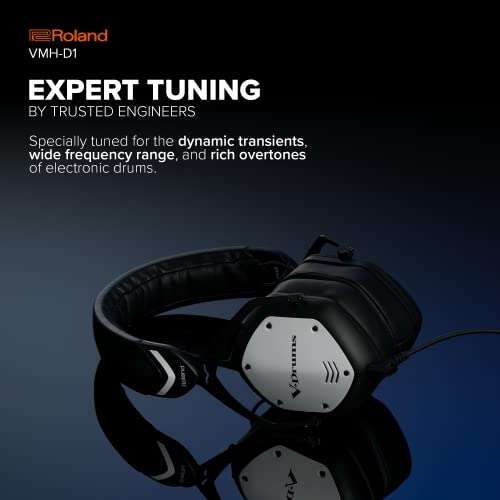
Roland VMH-D1 V-Drums Headphones

The Roland VMH-D1 is made for electronic drums, but its full over-ear shape also makes it useful for acoustic drum practice. Roland worked with V-Moda on this model, and that partnership shows in the solid build and comfortable fit. The earcups sit around the ears rather than pressing directly on them. That design helps create a more relaxed seal during long rehearsals.
I like the way these headphones present kick and tom sounds without making cymbals painfully bright. The long cable gives a drummer room to move around a kit, and the single-sided connection helps reduce cable clutter. They are not certified hearing protectors, so I would not treat them as a substitute for proper earplugs in a very loud room. Still, they are among the most complete choices for drummers who need clear monitoring at home or in a studio.
Pros:
- Comfortable over-ear design for long sessions
- Balanced sound for clicks, tracks, and drum tones
- Long cable gives useful freedom around a kit
- Solid construction for regular practice
- Detachable and customizable shield design
- Works well with many electronic drum modules and mixers
Cons:
- Not a certified hearing protection product
- May feel large for users with smaller heads
- Wired design is less convenient than wireless headphones
My Recommendation
I recommend the Roland VMH-D1 to drummers who want one dependable pair for home practice, recording, and electronic kits. It is also a strong choice for acoustic drummers who play with a click or monitor backing tracks. The soft fit and long lead matter when you spend an hour or more behind the kit. If you want the best headphones for acoustic drums with a professional feel, this model is an excellent starting point.
| Best for | Why |
|---|---|
| Long practice sessions | Comfortable earcups and a stable fit reduce fatigue. |
| Electronic drum owners | The tuning and cable suit drum modules well. |
| Home recording | Clear detail helps with clicks, tracks, and monitoring. |
Alesis DRP100 Drum Headphones
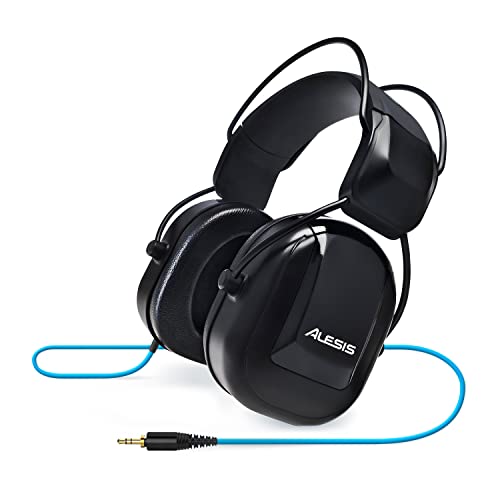
The Alesis DRP100 is a simple wired headphone built with electronic drummers in mind. Its closed-back earcups help keep the sound near your ears while limiting some outside noise. The headband uses a flexible design, which helps it stay in place when you turn your head or lean toward a floor tom. For a drummer on a budget, that practical design is easy to appreciate.
The sound has enough low-end weight for kick drums and bass lines, yet it keeps a click track easy to hear. I find this model especially useful for quiet electronic practice and basic home recording. With acoustic drums, it can help you monitor music, but it does not replace musician earplugs or proper hearing protection. The fixed cable also means you should keep the headphone jack away from moving pedals and stands.
Pros:
- Usually offers strong value for beginner drummers
- Closed-back design helps reduce distractions
- Flexible headband stays secure during movement
- Useful low-end response for kick and bass
- Simple wired connection works with many drum modules
- Light weight helps during short and medium sessions
Cons:
- Fixed cable cannot be replaced easily
- Isolation is not equal to certified hearing protection
- Fit may become warm during long practice
My Recommendation
The Alesis DRP100 is best for new drummers, students, and players who want a low-cost pair for an electronic kit. It also suits acoustic players who need to hear a guide track during calm home practice. I would choose it when price matters more than premium materials or advanced detail. Among affordable options for the best headphones for acoustic drums, the DRP100 remains a sensible and easy-to-use pick.
| Best for | Why |
|---|---|
| Beginner drummers | The design is simple, affordable, and easy to connect. |
| Electronic drum practice | Closed earcups and useful bass support drum sounds. |
| Students | The flexible fit handles normal practice movement well. |
HXW DMH10 Studio Drum Headphones

The HXW DMH10 is a wired over-ear monitor designed for electronic drums and studio use. Its main strength is its broad, closed fit, which helps the player focus on the sound source. The earcups provide a firm seal without requiring a tight clamp. That makes the headset practical for recording rooms, practice spaces, and home music setups.
In use, I look for a sound that lets me separate kick, snare, and cymbal details. The DMH10 gives a clear enough picture for timing work and track playback, while its bass response keeps the kit from sounding thin. The headset is wired, so it avoids Bluetooth delay, which matters when a drummer plays to a metronome. For acoustic drums, use moderate volume and add proper ear protection when the room becomes loud.
Pros:
- Over-ear shape supports focused monitoring
- Wired connection avoids Bluetooth latency
- Suitable for drum modules and studio interfaces
- Full ear coverage helps block some room noise
- Good choice for practice and basic recording
- Stable fit works well during active playing
Cons:
- Can feel warm around the ears over time
- Sound isolation depends on the user’s fit
- Not designed as industrial hearing protection
My Recommendation
I would point beginners and home recordists toward the HXW DMH10 when they want a focused monitor without spending heavily. It works best with electronic kits, audio interfaces, and drum practice systems. Acoustic drummers can use it for backing tracks and click work, but hearing safety must come first. It is a useful value choice for anyone comparing the best headphones for acoustic drums and electronic drum monitoring.
| Best for | Why |
|---|---|
| Home recording | The closed over-ear form supports focused monitoring. |
| Click-track practice | The wired signal avoids wireless delay. |
| Budget buyers | It covers key drum needs without a premium price. |
Donner MH1 Monitor Headphones

The Donner MH1 is a monitor headset aimed at electronic drum players and recording work. It uses a wired design, which is still my preferred setup for rhythm practice because timing stays tight. The closed earcups help keep a backing track from spilling into nearby microphones. They also help the player hear small timing details at a sensible listening level.
The MH1 has the kind of broad presentation that makes practice tracks feel full. Kick and toms have body, while snare and hi-hat remain present enough for basic adjustment. It is not a specialist mixing headphone, so I would not use it as the only reference for a finished record. Still, it can serve acoustic drummers well during quiet practice, especially when paired with a mixer or headphone amplifier.
Pros:
- Wired monitoring supports accurate drum timing
- Closed earcups reduce track spill into microphones
- Useful for electronic drum sets and interfaces
- Full sound helps backing tracks feel engaging
- Good practical choice for home practice
- Simple setup requires no battery or pairing
Cons:
- Not wireless for casual music listening
- May not suit professional mixing by itself
- Ear pads may feel warm in a hot room
My Recommendation
The Donner MH1 is best for home drummers who need one wired pair for practice and recording. I like it for players who want a clear guide track without adding another complex device to the kit. It also fits beginners who are building a small recording setup. If you need the best headphones for acoustic drums mainly for backing tracks, the MH1 offers a balanced mix of price and function.
| Best for | Why |
|---|---|
| Backing tracks | The full sound makes music easy to follow. |
| Home studios | The closed design helps limit microphone bleed. |
| Simple setups | Wired use means no charging or pairing steps. |
Roland VMH-D1 V-Drums Headphones
This second Roland listing represents the VMH-D1 configuration sold for V-Drums and other electronic kits. The core design remains focused on drum monitoring, with roomy earcups and a long lead for seated playing. The over-ear fit gives the sound a more natural sense of space than many small on-ear models. It also feels purpose-built rather than like a general phone headset.
I find the VMH-D1 useful when I want to hear the full shape of a kit. It gives low notes enough weight, but it does not bury the snare or click. The cable is a benefit for drummers because it removes wireless delay and battery worries. For acoustic drum use, it works best with a click, monitor mix, or recorded lesson at a safe level.
Pros:
- Drum-focused tuning supports kit detail
- Long cable suits a full acoustic or electronic setup
- Comfortable over-ear construction for repeated use
- Strong choice for V-Drums and other modules
- Wired connection keeps rhythm response immediate
- Premium design feels durable for regular practice
Cons:
- Costs more than many entry-level drum headsets
- Large earcups may not suit every user
- Does not replace approved hearing protection
My Recommendation
I recommend this Roland configuration for serious students, electronic kit owners, and drummers who value comfort over the lowest price. It is also a good choice for acoustic players who practice with a play-along mix. The detail, fit, and long cable make it one of the strongest options in this group. For many players, it can be the best headphones for acoustic drums when monitoring quality matters every day.
| Best for | Why |
|---|---|
| Serious practice | The comfortable fit supports longer sessions. |
| V-Drums players | Roland designed the headset around drum modules. |
| Detailed monitoring | The sound keeps kick, snare, and click easy to follow. |
FLAMMA Portable Headphone Amp
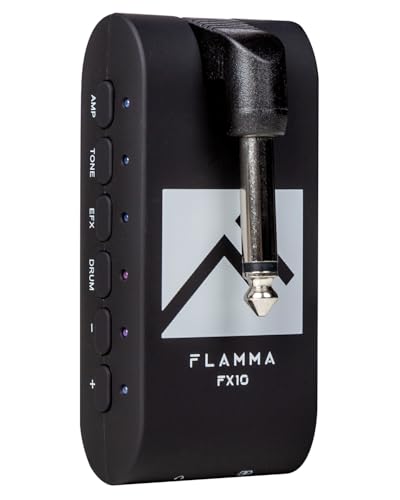
The FLAMMA is not a pair of headphones. It is a portable headphone amp that can make a wired practice setup much more useful. It includes drum grooves, amp models, effects, tone colors, Bluetooth support, and USB functions. A guitarist may use it as a pocket practice tool, but a drummer can also use the built-in grooves for timing work.
For acoustic drummers, the value comes from flexibility. You can connect headphones, choose a rhythm, and practice without setting up a full speaker system. Bluetooth playback can add songs or lessons, while USB features may help with recording and playback. Because this device does not include earcups, you must pair it with headphones that fit well and protect your hearing appropriately.
Pros:
- Built-in drum grooves support rhythm practice
- Portable design works away from a full studio
- Bluetooth makes song playback convenient
- USB audio adds useful recording options
- Rechargeable format reduces cable clutter
- Effects and amp models add creative practice choices
Cons:
- It is an amp, not a headphone product
- Guitar-focused features may not help every drummer
- Sound quality depends on the headphones used
My Recommendation
I suggest the FLAMMA to drummers who want portable practice tools rather than a basic headset alone. It suits acoustic players who need grooves, song playback, or a compact way to practice timing. It is not the direct answer to which are the best headphones for acoustic drums, but it can improve the whole headphone practice system. Buy it only if its extra functions match your routine.
| Best for | Why |
|---|---|
| Portable practice | The small unit adds grooves without a full amp. |
| Rhythm drills | Built-in drum patterns support timing work. |
| Multi-use musicians | Guitar effects and Bluetooth add extra value. |
Donner DED-80 Electronic Drum Set Bundle

The Donner DED-80 is a complete electronic drum package, not a standalone headphone model. It includes quiet mesh pads, sounds, pedals, a throne, sticks, headphones, and learning support. That makes it especially interesting for a new drummer who needs a full practice station. The included headset saves the buyer from shopping for a separate monitor on day one.
I would not compare the bundled headphones directly with premium studio models. Their main job is to make the kit playable and quiet for home use. The real benefit comes from the whole package, since the player receives the pads, module, seat, pedals, and lessons together. If you already own an acoustic kit, this bundle will not replace a dedicated pair of the best headphones for acoustic drums, but it can provide a quiet second setup.
Pros:
- Complete kit reduces the need for separate purchases
- Mesh pads feel quieter than many hard rubber pads
- Includes headphones for immediate practice
- Learning support helps new players build skill
- Includes throne, sticks, pedals, and core parts
- Useful home option when acoustic volume is a problem
Cons:
- Included headphones may not satisfy advanced users
- Not a replacement for an acoustic drum kit
- Bundle takes more space than a headset alone
- Long-term needs may call for upgraded accessories
My Recommendation
The DED-80 is best for beginners, parents, and apartment players who need a quiet way to start. It makes more sense as a complete practice solution than as a headphone purchase. I like it for users who want lessons and basic gear in one box. Choose a dedicated headset instead if you already own a drum kit and only need monitoring.
| Best for | Why |
|---|---|
| New drummers | The bundle includes most items needed to begin. |
| Quiet home practice | Mesh pads and headphones limit room disturbance. |
| Parents and students | Lessons and accessories simplify the first setup. |
LEKATO Portable Headphone Amp
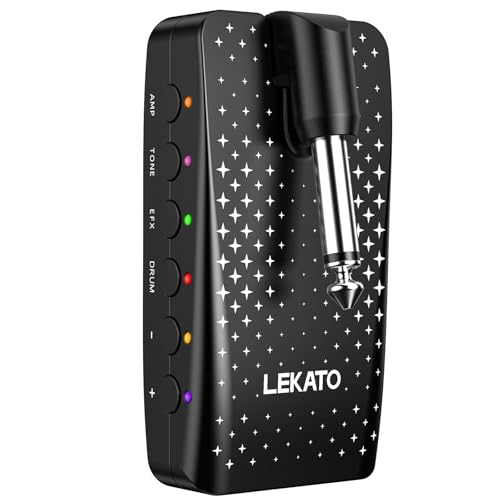
The LEKATO is another portable headphone amp with built-in grooves, effects, amp models, Bluetooth, and OTG recording. Its small format makes it easy to carry to lessons or rehearsals. While its main audience is guitar and bass players, drummers may use it as a compact source for rhythm practice and track playback. It can turn a simple pair of headphones into a flexible practice rig.
The built-in drum grooves are the most useful feature for a drummer. They provide a steady pulse for warmups, fills, and speed control without forcing you to open a computer. Bluetooth can help you play along with a song, while USB charging keeps the unit ready for the next session. Like the FLAMMA, it does not provide hearing protection by itself, so pair it with suitable headphones and keep the volume controlled.
Pros:
- Includes many drum grooves for timing practice
- Bluetooth supports wireless song playback
- OTG recording can support quick ideas
- Portable size fits lessons and travel bags
- Rechargeable battery reduces dependence on outlets
- Useful for musicians who also play guitar or bass
Cons:
- Not a standalone headphone set
- Many features target guitar players
- Requires separate headphones for use
My Recommendation
I recommend the LEKATO to drummers who want grooves and playback in a pocket-size device. It is especially useful for players who also own an electric guitar or bass. It will not be my first choice for someone searching only for the best headphones for acoustic drums. However, it can be a smart add-on for a flexible and low-cost practice system.
| Best for | Why |
|---|---|
| Traveling drummers | The compact body fits easily in a gear bag. |
| Groove practice | Built-in patterns support timing and coordination drills. |
| Multi-instrument players | Guitar and bass tools increase its usefulness. |
FLAMMA Portable Amp With Drum Grooves

This FLAMMA listing offers the same general type of portable practice amp in another configuration. It provides drum grooves, effects, amp models, Bluetooth, and USB audio features in a compact unit. For a drummer, the appeal is not the guitar modeling itself. The appeal is having a quick, private way to play along with patterns and music.
I see this as a practice accessory rather than a headphone replacement. It can help an acoustic drummer work on pocket, subdivision, and endurance without running a loud speaker. The USB function may also help capture ideas or play audio from a compatible device. Before buying, check the current listing details and included accessories, since package contents can vary by version.
Pros:
- Provides built-in patterns for drum exercises
- Supports private practice with wired headphones
- Bluetooth makes track playback simple
- USB audio adds useful connection options
- Small body is easy to store and carry
- Extra effects help multi-instrument musicians
Cons:
- Does not include the headphones needed to listen
- Guitar features may feel unnecessary to drummers
- It cannot isolate acoustic drum volume
My Recommendation
This FLAMMA unit suits acoustic drummers who already own headphones and want more practice options. It works well for warmups, groove work, and playing along with music in a shared home. I would choose it as an add-on, not as the main answer when shopping for the best headphones for acoustic drums. Its value depends on whether you will use its grooves and recording tools often.
| Best for | Why |
|---|---|
| Private groove work | Headphone use keeps practice quieter for others. |
| Song playback | Bluetooth helps connect a music source quickly. |
| Creative practice | Effects and models add variety to routine drills. |
Alesis Drum Essentials Bundle

The Alesis Drum Essentials Bundle is an accessory pack for drum players rather than a dedicated headphone model. It is designed to group useful items for an electronic drum setup into one purchase. This type of bundle can help a new player avoid missing small but important parts. It may also make a practical gift for someone starting drums.
For acoustic drummers, the key question is what the current package includes and whether it meets your specific setup. An accessory bundle cannot provide the isolation, fit, or sound control of a true over-ear monitor. It can still add value when you are building an electronic practice station or replacing basic gear. Always review the live product page before ordering, since bundle contents and compatibility can change.
Pros:
- Groups useful drum accessories in one purchase
- Helpful for new electronic drum owners
- Can reduce the time spent shopping for small parts
- Useful as a starter or replacement pack
- Alesis branding supports broad kit compatibility
- May offer better value than buying items one by one
Cons:
- Not a dedicated pair of headphones
- Exact contents should be checked before purchase
- May include items an experienced drummer already owns
My Recommendation
I recommend this bundle only when you need several drum accessories at once. It is not the right pick for a shopper who needs the best headphones for acoustic drums today. New electronic drummers may appreciate the convenience, while experienced acoustic players may get better value from a purpose-built monitor headset. Check the package list, fit, and compatibility before placing an order.
| Best for | Why |
|---|---|
| New kit owners | A bundle can cover several early setup needs. |
| Gift buyers | Grouped accessories make shopping more direct. |
| Replacement gear | It may refresh worn or missing basic items. |
How I Choose Headphones for Acoustic Drums
Choosing drum headphones is not the same as choosing headphones for a bus ride. A drummer moves, sweats, turns the head, and works beside sharp cymbal peaks. The headset must stay in place while still giving a clear and calm sound. I focus on fit, isolation, sound balance, cable design, and safe use before I look at brand names.
Sound Balance Matters More Than Heavy Bass
A drum set covers a wide range of sound. The kick drum sits low, the snare cuts through the middle, and cymbals reach the high end. The best headphones for acoustic drums should let you hear all three areas without making one part tiring. Too much bass can hide a click, while too much treble can make hi-hats and crashes feel harsh.
For practice, I prefer a smooth sound with enough detail to hear timing. You do not need a headset that adds huge bass to every song. You need one that helps you hear the track and your own playing with less strain. A balanced sound can also help you keep the volume lower.
Isolation Helps, But It Has Limits
Closed-back headphones block some outside sound by creating a seal around the ears. This can help you hear a click or backing track in a busy room. It can also reduce the urge to turn the music up. However, normal headphones are not automatically hearing protectors.
Acoustic drums can produce very high sound levels, especially in a small room. Organizations such as NIOSH and OSHA warn that loud sound and long exposure can harm hearing. I suggest using musician earplugs or certified hearing protection when needed, then monitoring at a safe level. Never assume that a tight headphone seal alone makes a loud kit safe.
Over-Ear Usually Beats On-Ear for Drummers
Over-ear cups surround the ear and spread pressure over a larger area. That usually feels better during a long practice block. On-ear models can work, but they may press on the outer ear and shift when you move. Earbuds can be convenient, yet sweat, movement, and poor seal often make them less reliable behind a kit.
Look for soft pads and an adjustable headband. The headset should feel secure without squeezing your head. If you wear glasses, check whether the ear pads leave gaps near the temples. A small gap can reduce isolation and change the sound.
Why a Wired Headset Often Works Best
Wireless headphones are useful for everyday music, but drummers should think about delay. Even a short delay between hitting the snare and hearing the sound can damage your timing. Bluetooth can also add pairing and battery issues before practice begins.
A wired headset gives an immediate signal and works with most drum modules, headphone amps, mixers, and interfaces. A long cable helps when you sit at an acoustic kit. Still, keep the cable away from pedals, spurs, stands, and moving hardware. A cable clip or simple loop can prevent an annoying snag.
Comfort Is a Performance Feature
A poor fit can distract you as much as a bad metronome. If the headband hurts, you may remove the headset between songs. If the earcups become hot, you may shorten your session. Good comfort lets you stay focused on groove, dynamics, and control.
I check the weight, clamp, pad material, and adjustment range. I also look for a cable that enters from one side, since a single lead is easier to manage. For studio work, replaceable pads and a detachable cable can extend the useful life of the headset.
Using Headphones With an Acoustic Drum Kit
Most of the products in this guide target electronic drums, but that does not make them useless for acoustic players. An acoustic drummer may use headphones to hear a click, play-along song, lesson, backing track, or monitor mix. The headset does not need to capture the natural kit sound unless you record through microphones. Its main job is to deliver the outside audio clearly.
For a basic setup, connect the headset to a metronome, phone adapter, mixer, or audio interface. Keep the playback level low enough that you can still feel the acoustic kit in the room. If you need to hear a microphone mix, place the interface or mixer where you can reach its volume control without leaving the throne.
Some drummers use in-ear monitors under earmuffs or isolation headphones. That can offer strong control, but it may be uncomfortable and requires careful volume management. I prefer a simple setup with comfortable closed-back headphones or musician earplugs, depending on the room and task. The best headphones for acoustic drums should support your playing, not force you to fight the equipment.
Headphone Features That Matter in 2026
In 2026, shoppers have more choices than ever, but more features do not always mean better drum performance. Bluetooth, app controls, noise canceling, and touch buttons may help daily listening. They can also add delay, battery needs, or accidental changes during a session. For drumming, fit and timing still matter most.
Active noise canceling can reduce steady sounds such as an air conditioner. It does not reliably remove the sudden impact of a snare or crash. It may also change how a mix feels. I would choose a good passive seal first, then consider smart features as a bonus.
USB-C charging is convenient for wireless models, but a wired backup remains useful. Some headphones offer a low-latency mode, yet wired monitoring is still the safer choice for tight timing. Before buying, check the jack type on your drum module. A small adapter may be needed, but it should not create a loose connection.
Common Buying Mistakes to Avoid
Buying Only for Maximum Volume
Loud does not mean clear. A headset that plays very loud may tempt you to use unsafe levels. Instead, look for clean sound and a good seal. If you can hear a click at a moderate setting, the headphones are doing their job.
Ignoring the Cable
A short cable may pull when you reach for a cymbal. A very long cable may become a trap on the floor. I like a lead long enough to reach the module or mixer, with enough slack for normal movement. Route it behind the throne or along a stand when possible.
Assuming Every Closed Headphone Protects Hearing
This is the most serious mistake. Closed-back headphones block some sound, but they do not automatically have a noise reduction rating. If the room is loud, use hearing protection made for that purpose. Protecting your hearing matters more than finding a slightly brighter or louder mix.
Forgetting Comfort During Real Practice
A headset may feel fine for five minutes in a store and uncomfortable after an hour. Read the fit details and consider your glasses, hair, and head size. Look for soft pads and a headband that does not press hard. A comfortable pair is more likely to stay on your head and keep your practice consistent.
How to Get Better Sound From Drum Headphones
Start with the source. A low-quality phone adapter, weak drum module, or damaged cable can make good headphones sound poor. Test the headset with a familiar recording and a simple click. If the sound seems dull or distorted, check the source before blaming the headphones.
Set the volume before you begin playing. Many drummers raise the level slowly as the session continues. Take short breaks and lower the sound when you can. The CDC and other hearing health experts support reducing loud exposure and giving your ears rest.
Keep the earcups clean. Sweat and dust can wear down pads and affect the seal. Wipe the surfaces with a soft, slightly damp cloth, then let them dry. Store the headset where the cable will not bend sharply at the plug.
If the sound feels too bass-heavy, move the cups slightly or check the seal. Glasses, hair, and poor adjustment can change the response. Do not use extreme equalizer settings to fix a physical fit problem. A better seal often solves more than a software tweak.
Which Headphones Are Best for Different Drummers?
For electronic drummers, the Roland VMH-D1 is the strongest complete headset in this guide. It offers a drum-focused design, comfortable over-ear fit, and a cable that works well around a kit. The Alesis DRP100 makes more sense for a beginner who wants to spend less. The HXW DMH10 and Donner MH1 suit home monitoring and simple recording.
For acoustic drummers, the answer depends on the task. If you want to hear a click or backing track, choose a comfortable wired over-ear monitor. If the room is loud, prioritize certified hearing protection over studio-style sound. If you need grooves while traveling, the FLAMMA and LEKATO amps can add practice tools, but you still need a suitable headset.