Do You Really Want It Guitar Tab: Easy Playing Guide
The “Do You Really Want It” guitar tab helps you learn the song’s chords, riffs, tuning, and rhythm with less guesswork.
Finding the right Do You Really Want It guitar tab is only the first step. The artist, recording, tuning, and arrangement all matter, so this guide shows you how to choose an accurate tab, read it well, fix common errors, and make the song sound musical instead of mechanical.
What the Do You Really Want It Guitar Tab Can Teach You
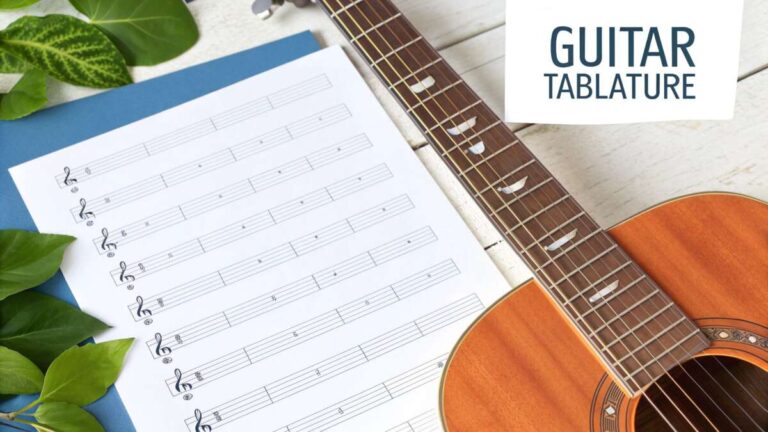
A guitar tab is a visual map of the guitar fretboard. It shows where to place your fingers, but it may not fully explain timing, tone, dynamics, or the feel of the original recording.
The Do You Really Want It guitar tab can be useful for:
• Learning the main riff
• Finding chord shapes
• Understanding slide, hammer-on, and pull-off marks
• Practicing the song in small sections
• Comparing rhythm guitar and lead guitar parts
• Building speed with a metronome
Many players treat tab like a complete lesson. It is better to view it as a road map. A road map shows the route, but you still need to control the car. In the same way, tab shows the notes, while your ears guide the timing and tone.

Confirm the Artist and Recording First
The title “Do You Really Want It” may point to more than one song or arrangement. Before you download or study a tab, confirm the artist, album, live version, and recording date.
This matters because guitar parts can change between studio and live versions. A live performance may use a different tuning, a capo, altered chords, or an extended solo.
Check these details:
• Artist name
• Song title and spelling
• Album or release
• Studio or live version
• Guitar tuning
• Number of guitar parts
• Tab author and rating
The best Do You Really Want It guitar tab should match the version you hear. If the opening riff sounds wrong, do not assume your guitar is the problem. You may simply be using a tab for another arrangement.
How to Read the Guitar Tab
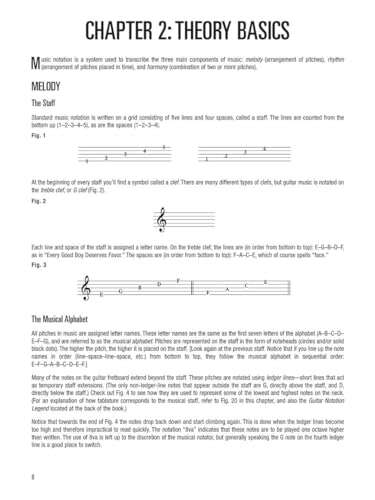
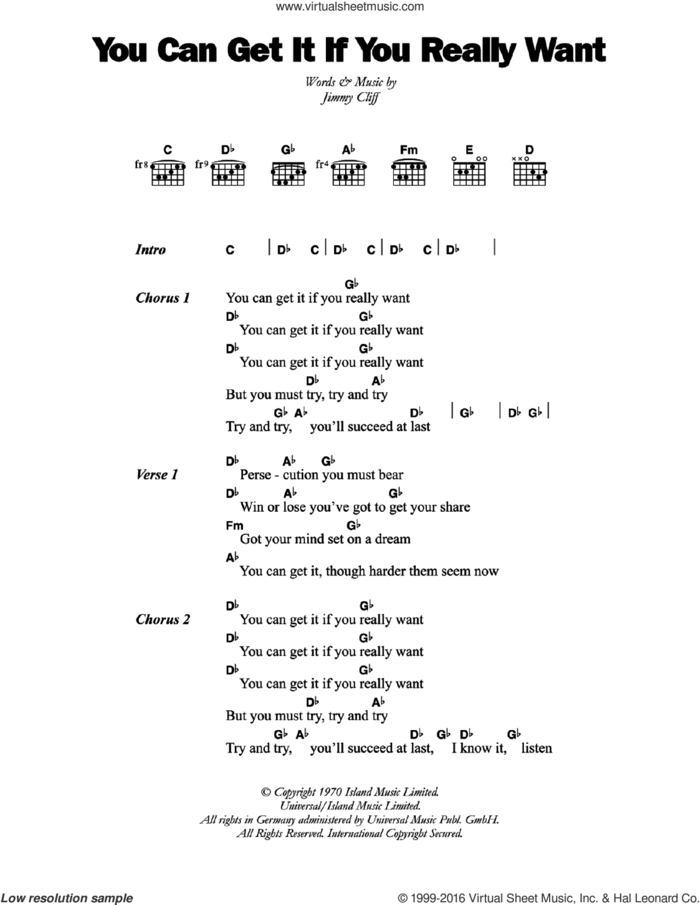
Standard guitar tab has six horizontal lines. Each line represents one guitar string.
From top to bottom, the lines usually represent:
• High E string
• B string
• G string
• D string
• A string
• Low E string
Numbers show fret positions. A “0” means you play an open string. A group of numbers stacked vertically means you play those notes together as a chord.
Common symbols include:
• h: hammer-on
• p: pull-off
• /: slide up
• : slide down
• b: bend
• r: release a bend
• ~: vibrato
• x: muted note
• PM: palm mute
A Do You Really Want It guitar tab may show the notes but leave out exact rhythm. That is a major limitation. Listen to the song while reading the tab, and tap your foot to the beat before you play.

Check the Tuning Before You Start
Tuning changes the feel and finger placement of a song. A tab may use standard tuning, half-step-down tuning, drop D, or another setup.
Standard tuning from the lowest string to the highest is:
• E
• A
• D
• G
• B
• E
Look for a tuning note near the top of the Do You Really Want It guitar tab. If no tuning is listed, compare the tab with the recording. A low note that seems impossible in standard tuning may signal a down-tuned arrangement.
Use a reliable tuner before practice. A clip-on tuner works well at home, while a pedal tuner is useful for rehearsals and live playing. Do not force your fingers into unusual shapes until you confirm the tuning.

Learn the Main Riff in Small Parts
The main riff often carries the identity of a song. Learn it in short groups of two to four notes. Play each group slowly, then connect it to the next group.
Try this process:
- Read the first short phrase.
- Play it slowly without the recording.
- Check each note for clarity.
- Play along with the recording.
- Repeat until the phrase feels natural.
- Add the next phrase.
- Join both phrases at a slow tempo.
The Do You Really Want It guitar tab becomes much easier when you avoid rushing through the full page. Small wins build control. This method also helps you find mistakes before they become habits.
One common mistake is lifting the fretting hand too far from the neck. Keep your fingers close to the strings. Small movements create cleaner and faster playing.

Match the Tab With the Song’s Rhythm
Tab tells you what to play. The recording tells you when to play it.
Count the beat out loud if the rhythm feels unclear. Start with simple counts such as “one, two, three, four.” Then listen for accents, rests, and notes that fall between the beats.
A strong practice routine looks like this:
• Start at 50 percent speed
• Use a metronome or slowed recording
• Focus on even timing
• Raise the speed by small amounts
• Stop when tension affects your accuracy
• Return to a slower tempo when needed
You can use approved playback tools that slow audio without changing pitch. This helps you hear fast passages and subtle rhythm parts. The goal is not just to play every note. The goal is to make the notes sit in the same pocket as the recording.
Use Chords and Tab Together
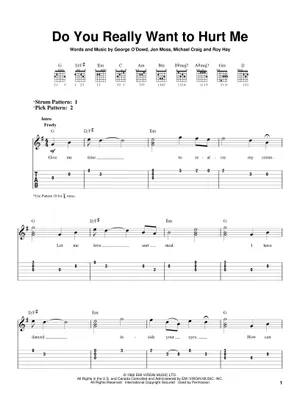
Some versions of the Do You Really Want It guitar tab focus on lead guitar. Others show chords or rhythm parts. If you only learn the lead line, the song may feel incomplete when you play alone.
Study the chord movement under the riff. Ask yourself:
• Where does the verse begin?
• Does the chorus use the same progression?
• Which chords repeat?
• Are there muted strums between chord hits?
• Does the bass note change under one chord shape?
A simple chord version can help you understand the structure. Once you know the structure, the lead part becomes easier to remember. You are no longer memorizing random numbers. You are hearing how each phrase fits into the song.
Improve Tone Without Expensive Gear
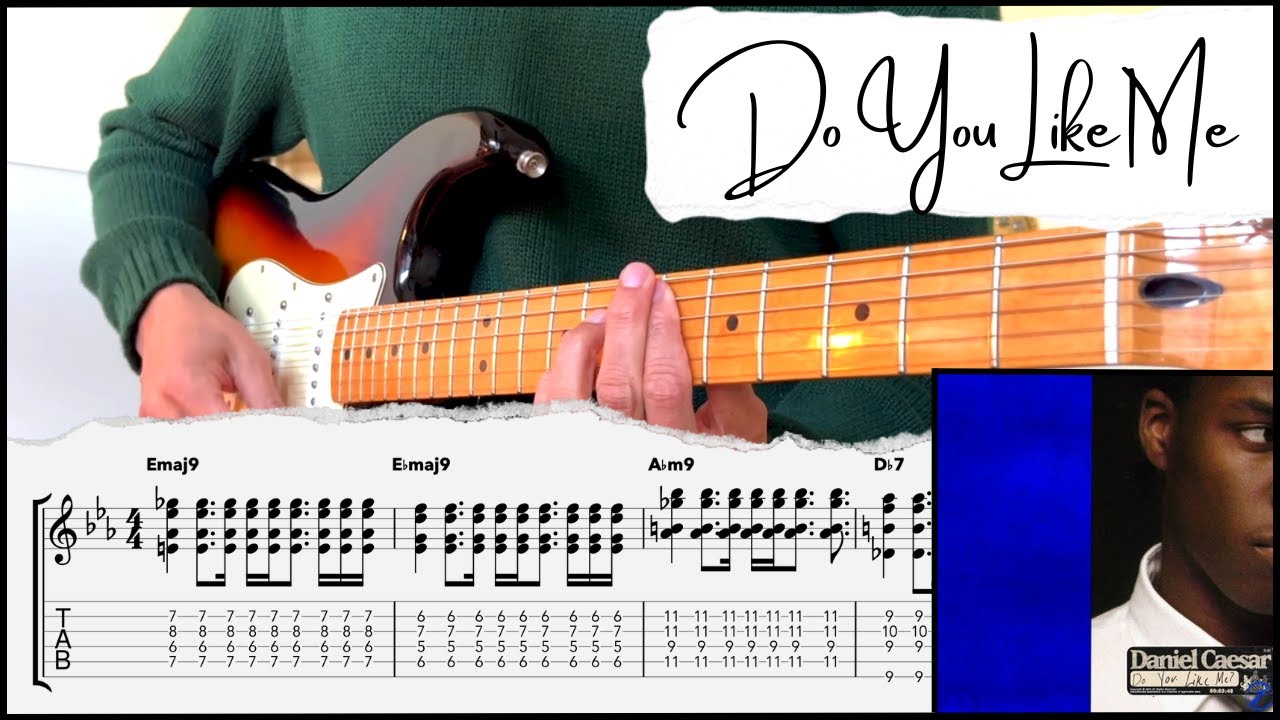
Tone comes from more than the amplifier. Your pick attack, fretting pressure, muting, guitar pickup, and effects all shape the sound.
To get closer to the recording, test these areas:
• Use the pickup that matches the song’s brightness
• Add gain slowly instead of turning it up too far
• Control unwanted string noise with both hands
• Try palm muting for tight low notes
• Use delay or reverb only when the part needs space
• Adjust your pick angle for a smoother attack
Do not chase tone before you can play the part cleanly. A perfect preset cannot repair weak timing. First make the Do You Really Want It guitar tab sound clear on a clean tone. Then add distortion or effects.
This approach is useful in real practice because effects can hide mistakes. Clean sound exposes uneven notes, poor muting, and weak bends.
Common Problems With Online Guitar Tabs
Online tabs vary in quality. Some are carefully checked by musicians. Others are quick guesses made from memory.
Watch for these warning signs:
• No artist or version listed
• Missing tuning information
• Chords that do not match the recording
• Riffs written without rhythm clues
• Strange fret jumps with no explanation
• A high rating but no useful comments
• Notes that sound out of key
Treat a user-submitted Do You Really Want It guitar tab as a starting point, not unquestionable fact. Compare it with the audio. If several tabs disagree, identify the notes that remain the same across versions. Those notes are often the core of the part.
Copyright also matters. Legitimate tab platforms and licensed songbooks are safer choices than sites that reproduce complete copyrighted arrangements without permission. This article does not reproduce the song’s protected tab or lyrics.
A Practical Seven-Day Practice Plan
A short plan can turn a confusing tab into a playable song. Practice for 15 to 30 minutes each day, and take short breaks when your hands feel tired.
Day 1: Listen and Prepare
Identify the recording, tuning, tempo, and song structure. Tune your guitar and read the Do You Really Want It guitar tab without playing it.
Day 2: Learn the Main Riff
Practice the opening phrase at a slow tempo. Focus on clean fretting and relaxed shoulders.
Day 3: Add the Chords
Learn the rhythm part or chord progression. Count the beats and listen for rests.
Day 4: Connect Sections
Join the intro, verse, chorus, or other main sections. Do not worry about full speed yet.
Day 5: Work on Tone
Test pickup choices, gain, muting, and effects. Keep the sound simple and clear.
Day 6: Play With the Recording
Start at a reduced speed if needed. Mark the places where you lose time or miss a change.
Day 7: Record Yourself
Record one complete take. Listen back without playing. Write down two strengths and two areas to improve.
This plan works because it separates note learning, rhythm, tone, and performance. Trying to solve all four at once can make practice feel harder than it needs to be.
Mistakes to Avoid When Learning the Tab
The most common mistake is playing too fast too soon. Speed can make errors feel exciting, but it also locks those errors into muscle memory.
Avoid these habits:
• Skipping the tuning instructions
• Ignoring rhythm marks
• Practicing only the easiest section
• Using too much distortion
• Pressing the strings harder than needed
• Refusing to slow down
• Never recording your playing
• Assuming every online tab is accurate
Another mistake is copying finger numbers without listening. Two players may use different fingers for the same notes. Choose fingering that keeps your hand relaxed and prepares you for the next phrase.
If a stretch feels painful, stop. Mild effort is normal, but sharp pain is a warning. Adjust your posture, hand position, or tempo before continuing.
How to Choose the Best Version
The best Do You Really Want It guitar tab is not always the most detailed one. Accuracy, clarity, and a good match to your recording matter more than a long page of symbols.
Use this checklist:
• Does the tab name the correct artist?
• Does it identify the tuning?
• Does the intro sound like the recording?
• Are the chords in the right key?
• Does the rhythm make sense when you listen?
• Are unusual techniques explained?
• Do comments or reviews support its accuracy?
• Is the tab offered through a lawful source?
If possible, compare two or three versions. Use one for the main riff, another for chords, and the recording for timing. This “three-point check” is often more reliable than trusting one unverified transcription.
Frequently Asked Questions About the Do You Really Want It Guitar Tab
What tuning does the Do You Really Want It guitar tab use?
The tuning depends on the artist and version. Confirm the exact recording first, then check the tab heading or compare its lowest notes with your guitar.
Is the Do You Really Want It guitar tab suitable for beginners?
It can be, if you begin with the basic chords or main riff. Advanced versions may include bends, slides, unusual tunings, or fast rhythm changes.
Why does my Do You Really Want It guitar tab not sound like the recording?
The problem may be the wrong version, tuning, rhythm, or tone. Check the artist, listen closely to the timing, and compare the tab with another reliable arrangement.
Can I play the Do You Really Want It guitar tab on acoustic guitar?
Usually, yes, if the song’s part does not depend on heavy effects or extreme tuning. The notes may sound different, but the chord shapes and basic arrangement can still work.
Where can I find an accurate Do You Really Want It guitar tab?
Look for licensed tab services, official songbooks, and well-reviewed arrangements. Choose a version that names the artist, lists the tuning, and matches the recording you want to learn.
Should I memorize the Do You Really Want It guitar tab?
Memorizing the main sections is useful, but understanding the chord movement is even better. When you know the structure, you can recover more easily if you miss a note.
Conclusion
A good Do You Really Want It guitar tab gives you a clear starting point, but your ears, timing, and technique bring the song to life. Confirm the correct recording, check the tuning, learn short phrases, practice slowly, and compare the tab with the audio.
Do not worry about playing the full song on the first day. Build it section by section, record your progress, and adjust your practice when something feels unclear. Explore a reliable tab source, share your version with other players, and keep refining the details that make the song sound like you.

Senior Music Reviewer
Alex Carter is a seasoned music reviewer with over a decade of experience in the world of sound and instruments. Passionate about helping musicians and enthusiasts make informed choices, he brings sharp insights and in-depth knowledge to every review. From classical instruments to modern gear, Alex combines technical expertise with a love for music to deliver content that resonates with readers.
As a Senior Music Reviewer and expert author on Tuneluma.com, Alex is dedicated to sharing honest evaluations, practical advice, and thoughtful commentary to guide readers in their musical journey.