How Do You Play Happy Birthday On The Guitar: Easy 2026 Guide
To play Happy Birthday on the guitar, use basic open chords like G, C, and D7 while keeping a steady 3/4 waltz feel and a simple down-strum pattern. Learning how do you play happy birthday on the guitar is a rite of passage for many beginners. Over years of teaching, I’ve seen this song move students from dull practice to real performance. It’s not just about where to put your fingers. It’s about the rhythm, the chord flow, and a few small performance choices that make the song sound warm and confident. Whether you are new to guitar or brushing up on acoustic basics, this guide shows you exactly how do you play happy birthday on the guitar in clear, simple steps.
Understanding the Basics of the Song
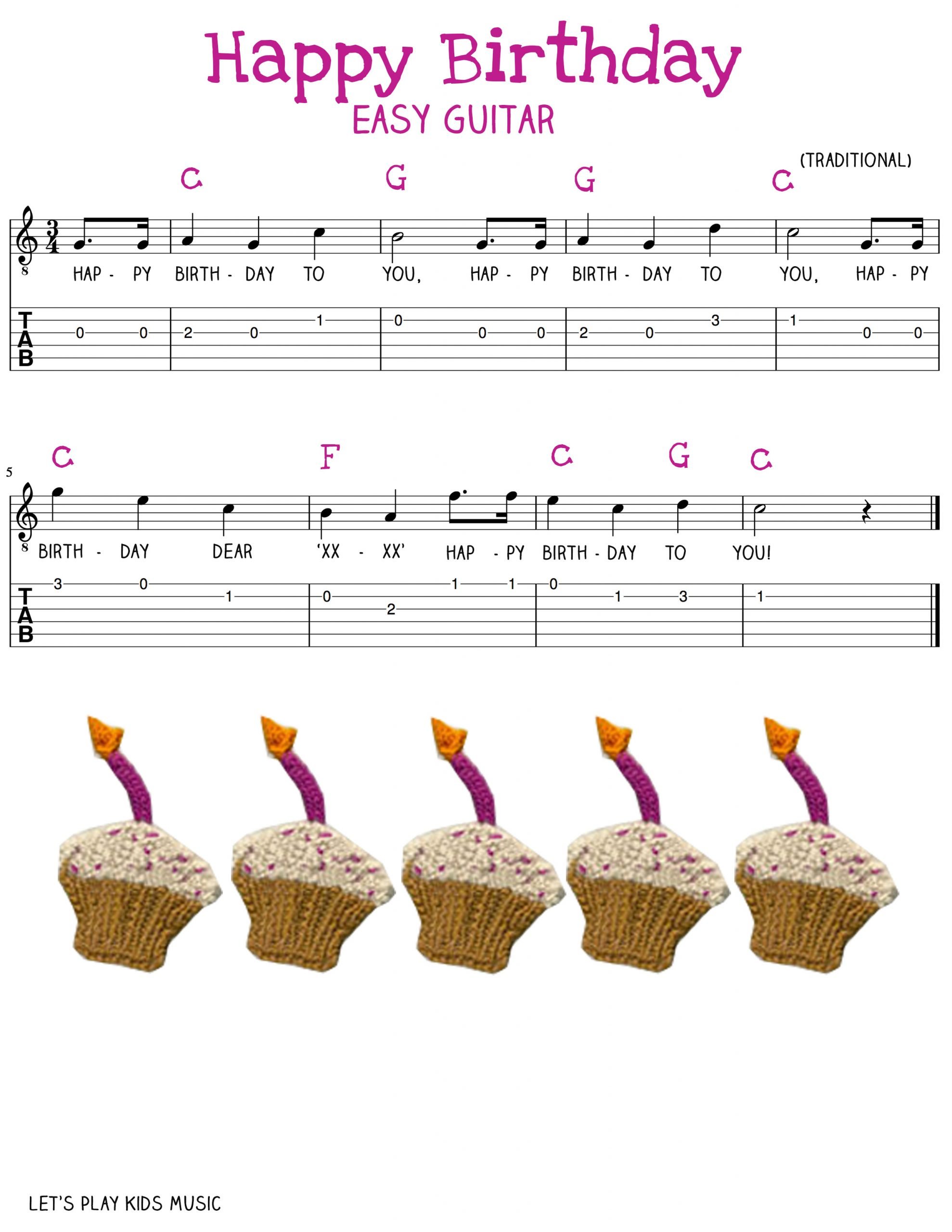
Before you reach for the fretboard, know why we pick certain chords when we learn how do you play happy birthday on the guitar. Most easy arrangements use the key of G major. That key works well on acoustic guitar and fits many vocal ranges. In G you only need three open chords: G, C, and D7. Those three give you the full harmonic shape of the tune.
G major is the home chord. C and D7 give the song motion—tension and release. That push and pull is what makes the melody feel complete. If chord changes slow you down, focus on C↔G switches first. Practicing that pair builds muscle memory. With time, knowing how do you play happy birthday on the guitar will feel natural.
Step by Step Chord Progression
To truly master how do you play happy birthday on the guitar, timing matters. The song is in 3/4 time. That means three beats per bar—a waltz feel. Keep your strum steady and count aloud: one-two-three, one-two-three.
- Start on the G chord for the opening lines. This is your tonal home.
- Switch to the C chord during the middle phrase to add color and lift.
- Use the D7 chord to push back to G and to add a light tension before the final resolution.
For most beginners, a simple down-down-down (one per beat) strum works best. If you prefer a fuller sound, try a down-down-up pattern but keep the beat count. I tell students: if you can count one-two-three, you can stay in time. Counting keeps the rhythm tight and helps when you sing the melody over the chords.

Refining Your Technique
After you learn the basic changes, add small refinements to make the song shine. You don’t need fancy fingerstyle. Clean changes and clear strings matter most. Aim for this:
- Keep fingers arched so adjacent strings ring free.
- Mute only when intentional. Buzzing strings often come from flat fingers or poor hand angle.
- Use consistent right-hand motion. A steady wrist gives even rhythm.
- Match strum dynamics to the verse—play softer for a tender line, louder for the chorus.
These tweaks are how do you play happy birthday on the guitar so it sounds polished. I still slow a passage down in practice and then speed up. That habit built my ability to play for family events without nerves getting in the way.
Simple Chord Chart and Strum Patterns
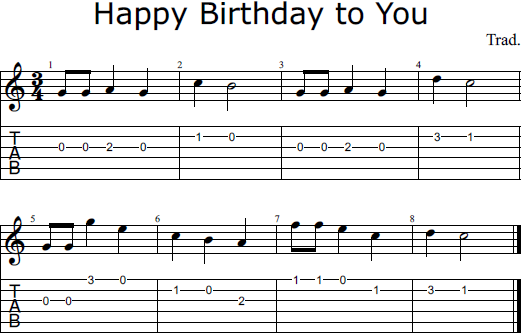
Here is a quick, clear chord map for the key of G. Play each chord for one bar (three beats), unless noted:
- G — first line and start of the second
- C — quick change for the “dear [name]” line
- D7 — use at the turn before resolving back to G
Try these beginner-friendly strum patterns:
- Basic: Down (1) — Down (2) — Down (3) — hold
- Light groove: Down — Down — Up (repeat)
- Fingerstyle pick: Bass note on beat 1, then thumb and fingers on beats 2–3
Use a metronome at 60–80 BPM at first. That helps lock the 3/4 feel and builds steady tempo control.
How to Play the Melody (Optional)
If you want to add the melody on top of chords, try simple single-note runs on the high E and B strings. Playing the tune between chord hits gives you a fuller solo sound. For many beginners, just play the chords and sing. That’s enough for most gatherings.
Practical Tips for Singing and Playing
Combining singing and guitar is a key part of how do you play happy birthday on the guitar. Here are practical tips I give students:
- Start the song on the pick-up beat (the last beat of the previous bar). That keeps words and music aligned.
- Sing at a comfortable pitch. If G is too high or low, use a capo to move the key.
- Practice the chord changes without singing first. When you can change chords with no pause, add the voice.
- Use a capo to match the singer’s range quickly: capo on 1–3 frets can help most voices.
Transposing and Capo Use
If G doesn’t fit the singer, transpose. Common easy keys are:
- C major — chords: C, F, G7 (use if singer prefers lower range)
- D major — chords: D, G, A7 (brighter tone, good for male voices)
- Use a capo to keep open-chord shapes while shifting pitch. For example, capo 2 and play G shapes to sound like A.

Frequently Asked Questions of how do you play happy birthday on the guitar
Is it hard to learn how do you play happy birthday on the guitar?
Not at all. It’s beginner-friendly. You only need three open chords that most students learn in week one. With 10–15 minutes of daily practice, you can play it in a few days.
What is the best key to play this song in?
G major is a top pick for the guitar. The chords are easy and sound bright. If the singer needs a different range, use a capo or transpose.
Do I need to use a pick for this song?
Either works. A pick gives a clear, percussive sound. Fingers give a softer, round tone. Pick or fingers—choose what fits the setting.
How do I handle the timing of the lyrics?
Start the vocals on the pick-up beat (the last beat before the phrase). Practice chord changes in silence. Then add the words once you can switch without pausing.
Can I play it using barre chords?
You can, but it’s not needed. Open chords keep the song light and easy. Barre chords can make it sound stiff for a simple tune like this.
Common Mistakes and Quick Fixes
Below are common issues I see and how to fix them fast:
- Rushed changes — Slow down and practice the move between two chords only.
- Muted strings — Lift fingers and arch them to avoid accidental muting.
- Loose rhythm — Use a metronome and count out loud.
- Singing too early — Find the pick-up beat and clap it first.
Conclusion
Mastering how do you play happy birthday on the guitar is a small win with big joy. Focus on the G, C, and D7 changes, keep a steady 3/4 rhythm, and use simple strums. Practice slowly, add small refinements, and don’t be afraid to use a capo for the right vocal range. Every player starts here, so be patient and keep at it. Grab your guitar, run those chord changes today, and reach out if you want more tips for your next performance or practice plan.

Senior Music Reviewer
Alex Carter is a seasoned music reviewer with over a decade of experience in the world of sound and instruments. Passionate about helping musicians and enthusiasts make informed choices, he brings sharp insights and in-depth knowledge to every review. From classical instruments to modern gear, Alex combines technical expertise with a love for music to deliver content that resonates with readers.
As a Senior Music Reviewer and expert author on Tuneluma.com, Alex is dedicated to sharing honest evaluations, practical advice, and thoughtful commentary to guide readers in their musical journey.