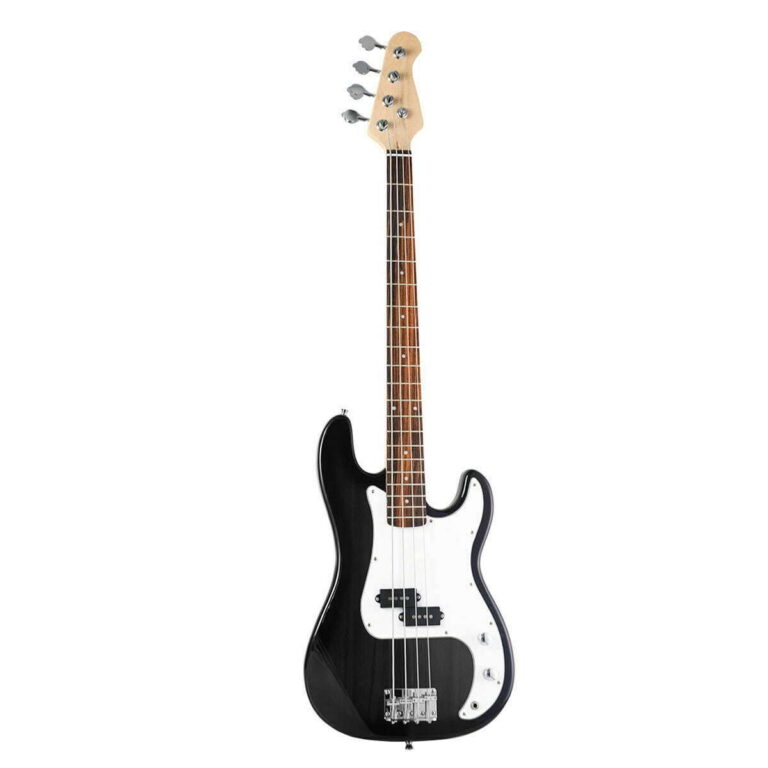
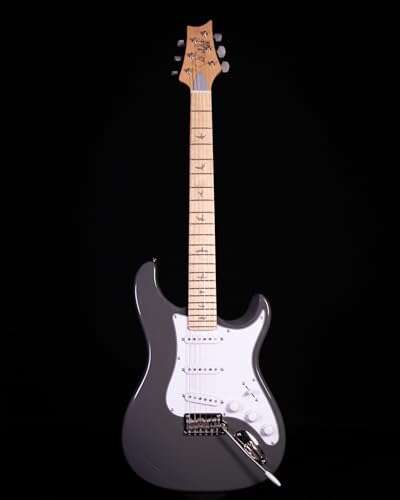
The best strings for 12 string electric guitar balance clear tone, stable tuning, comfort, and the right string tension.
Changing strings on a 12-string electric guitar can feel harder than it should. The wrong set may sound dull, feel stiff, or create tuning trouble across all 12 strings. I compared light, heavy, and extra-heavy options from Ernie Ball, D’Addario, and Jim Dunlop. I also included two acoustic 12-string sets because many players ask about them, but they are not direct substitutes for electric guitar strings. My goal is simple: help you choose a set that fits your tuning, playing style, bridge, and tone needs.
See the differences between my top picks at a glance.
| Product | Gauge | Best For | String Type | Key Strength | Buy |
|---|---|---|---|---|---|
| Ernie Ball 12-String Slinky | 8-40 | Bright, easy play | Nickel wound electric | Low tension | View on Amazon |
| D’Addario NYXL1260 | 12-60 | Strong, stable tone | Nickel wound electric | Tuning stability | View on Amazon |
| Ernie Ball Light 12-String | 9-46 | Balanced daily use | Nickel wound electric | Comfort and value | View on Amazon |
| Ernie Ball Not Even Slinky | 12-56 | Low tunings | Nickel wound electric | Full low end | View on Amazon |
| Ernie Ball Mammoth Slinky | 12-62 | Very low tunings | Nickel wound electric | Maximum mass | View on Amazon |
| Jim Dunlop Heavy Core | 12-54 | Heavy attack | Electric guitar | Firm response | View on Amazon |
| Ernie Ball Not Even Slinky 12-56 | 12-56 | Drop and alternate tunings | Nickel wound electric | Thick feel | View on Amazon |
| Earthwood 12-String Light | 9-46 | 12-string acoustic guitars | Phosphor bronze acoustic | Warm acoustic tone | View on Amazon |
| Earthwood 12-String Medium | 11-52 | Strong acoustic projection | 80/20 bronze acoustic | Bold acoustic voice | View on Amazon |
Ernie Ball 12-String Slinky 8-40
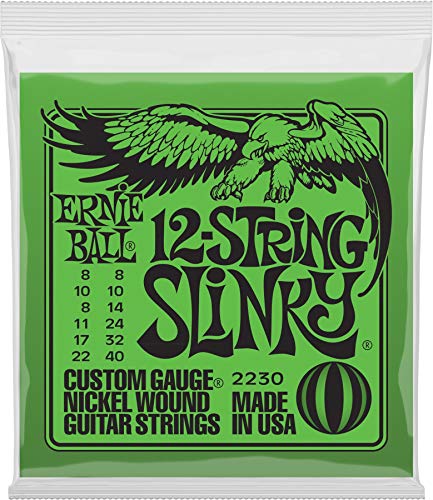
Ernie Ball 12-String Slinky strings use a light 8-40 gauge set. That makes them one of the easiest options for players who want a soft touch. The nickel-wound construction suits electric guitar pickups and gives the sound a clear, lively edge. The lighter plain strings also make bends and quick chord changes less tiring.
I see this set as a strong choice for standard tuning and clean or lightly driven tones. It works well for pop, classic rock, folk-rock, and layered studio parts. The low tension can also help players who find a 12-string neck tiring. Still, light strings need careful picking because a hard attack can make them feel less controlled.
Pros:
- Easy fretting and comfortable tension
- Bright nickel-wound electric tone
- Good choice for standard tuning
- Helps reduce hand fatigue
- Useful for clean chord work and recording
Cons:
- May feel too loose for aggressive picking
- Light gauges can bend sharp more easily
- Not the best fit for very low tunings
What Amazon Buyers Are Saying
Customer feedback commonly centers on the easy feel and bright sound. Buyers who want a light 12-string set tend to like the quick response. Some players report that the thinner strings need a gentler touch and more frequent tuning checks. Experiences can vary with scale length, bridge design, and playing force.
My Recommendation
I recommend this set for players who value comfort over maximum tension. It is a smart first choice for standard tuning, clean tones, and light-to-medium picking. I would not choose it for heavy down-tuning or a very forceful attack.
D’Addario NYXL1260 Extra Heavy

D’Addario NYXL1260 is an extra-heavy 12-60 electric guitar set. Its thicker design gives the lower strings a firm feel and a strong fundamental note. The NYXL line is made for players who want reliable tuning behavior, strength, and a bright response. On a 12-string guitar, that extra control can help keep paired notes together during hard playing.
This set makes the most sense for down-tuned music, high-volume work, and players who strike the strings with force. It can also suit a longer-scale 12-string electric guitar that feels too loose with light strings. The trade-off is clear: thick strings need more finger pressure and may require a setup check. Check your guitar maker’s recommended gauge before moving this heavy.
Pros:
- Firm feel for strong picking
- Useful for lower tunings
- Clear and powerful electric tone
- Designed for strength and tuning stability
- Good control over the low octave pairs
Cons:
- Feels demanding for new 12-string players
- May need nut and truss rod adjustment
- Less comfortable for wide bends
What Amazon Buyers Are Saying
Buyer comments often praise the stable feel, bright sound, and useful tension for lower tunings. Some players like the sense of security under a firm pick attack. Common concerns focus on stiffness and the need for a proper setup. Reviews also show that gauge choice depends heavily on the guitar and tuning.
My Recommendation
This is one of the best strings for 12 string electric guitar when strength and tuning control matter most. I recommend it to experienced players who use heavy picking or alternate tunings. It is not my first pick for a beginner or a lightly built instrument.
Ernie Ball 12-String Light 9-46

Ernie Ball’s 9-46 light set offers a useful middle ground. It does not feel as soft as the 8-40 Slinky set, yet it remains easier to play than extra-heavy strings. The nickel-wound electric construction gives the guitar a familiar bright voice. This gauge can help a 12-string electric feel more settled in standard tuning.
I like this set for everyday playing because it balances comfort, projection, and control. It suits rhythm work, clean arpeggios, and moderate overdrive. The 9-46 layout also gives the player more resistance against accidental sharp bends. It remains important to stretch the strings well after installation and check intonation if you change gauges.
Pros:
- Balanced feel for daily playing
- Bright electric guitar response
- More control than ultra-light strings
- Comfortable for many standard-tuned guitars
- Strong value for regular restringing
Cons:
- May not provide enough tension for very low tunings
- Can feel light to heavy-metal players
- Needs careful stretching after installation
What Amazon Buyers Are Saying
Amazon buyers commonly mention the familiar Ernie Ball feel and useful balance between ease and firmness. Many players choose this type of set for regular practice and gig use. A few complaints relate to strings feeling too light or losing brightness over time. That is normal with any uncoated nickel-wound set used often.
My Recommendation
This is my best all-around pick for players who want a safe starting point. It gives a 12-string electric guitar a good mix of comfort and control. I recommend it for standard tuning, mixed clean tones, and regular home or stage use.
Ernie Ball Not Even Slinky 12-56

Ernie Ball Not Even Slinky uses a 12-56 gauge layout. It is built for players who want a thick, solid feel rather than a soft response. The heavier bass strings can support down-tuned parts and hard rhythm work. Nickel winding keeps the set suited to magnetic electric guitar pickups.
On a 12-string electric, this set can make the low pairs sound bold and focused. It may also reduce the loose feel that appears when you tune down. However, the extra tension can affect the nut, bridge, neck relief, and intonation. I would install it only after checking the guitar’s limits and confirming that the tuning suits the set.
Pros:
- Strong low-end response
- Good choice for down-tuned parts
- Firm feel under a heavy pick
- Nickel winding suits electric pickups
- Helps reduce loose bass-string movement
Cons:
- Harder to fret than light sets
- May require a professional setup
- Not ideal for delicate fingerstyle playing
What Amazon Buyers Are Saying
Customer discussions often praise the thick feel and low-tuning performance. Players who enjoy heavy rhythm parts tend to value the stronger bass response. The most common concern is stiffness, especially on guitars with a long scale. Buyers also stress the need to select a gauge that matches the instrument.
My Recommendation
I recommend this set for experienced players who need a firm electric 12-string set. It is a practical choice for rock, metal, and alternate tunings. For standard tuning and soft playing, the 9-46 set is more comfortable.
Ernie Ball Mammoth Slinky 12-62
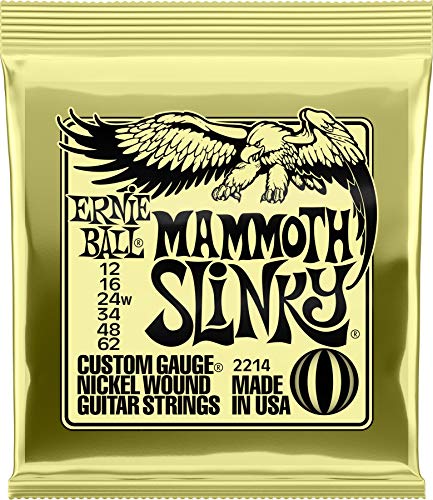
The Mammoth Slinky set uses a very heavy 12-62 gauge. This design targets players who want high tension and a large, forceful low end. It is an electric guitar set, so it works with magnetic pickups rather than acoustic guitar systems. The thick wound strings can feel stable during low tunings and strong picking.
This set is not a casual upgrade for every 12-string electric. It can place much more tension on the neck and bridge than a light set. I would use it only on a guitar that can safely handle the gauge, and I would have a skilled technician inspect the setup. Players who need very low tunings may find the extra mass useful, but standard-tuning players may find it excessive.
Pros:
- Very firm response for low tunings
- Powerful bass register
- Useful for aggressive rhythm playing
- Reduces flabby feel in loose tunings
- Suitable for players who prefer heavy gauges
Cons:
- Very stiff for most players
- May require major setup changes
- Not suitable for every 12-string guitar
What Amazon Buyers Are Saying
Feedback commonly comes from players who use low tunings and want a heavy, stable feel. Those buyers often appreciate the strong low-end response. Other users find the set too difficult to bend or fret. That split is expected because this is a specialist gauge, not a general-purpose set.
My Recommendation
I recommend the Mammoth Slinky only for a suitable instrument and a clear need for very heavy strings. It can be excellent for low-tuned electric work, but it is not the best strings for 12 string electric guitar for most standard-tuning players.
Jim Dunlop Heavy Core 12-54

Jim Dunlop Heavy Core strings use a 12-54 gauge and focus on a firm, controlled response. They are made for electric guitar and suit players who want a strong attack. The heavier feel can help chords stay clear when you pick hard. It also gives the lower strings more support than a very light set.
For a 12-string electric, this set sits between moderate and extreme heavy gauges. That makes it more practical than a 12-62 set for many players. It may work well for rock, blues, and alternate tunings, but the guitar still needs to accept the tension. I would compare the gauge with the original strings before installation.
Pros:
- Firm and controlled picking response
- Useful for rock and blues
- Good balance of mass and playability
- Supports strong chord attack
- Works well for players who dislike loose strings
Cons:
- Can feel stiff in standard tuning
- May need setup work on some guitars
- Not as soft as common light 12-string sets
What Amazon Buyers Are Saying
Buyers often like the firm feel and the way the strings respond to a hard attack. Many comments point to their use in heavier music and alternate tunings. Some players say the set takes more effort during bends and long sessions. That is a normal trade-off with heavy-core designs.
My Recommendation
This is a good middle choice for players who want more control without going all the way to an extreme gauge. I recommend it for rock-focused 12-string electric playing and moderate down-tuning. New players may prefer the Ernie Ball 9-46 set.
Ernie Ball Earthwood Light 12-String

Ernie Ball Earthwood Light is a 9-46 phosphor bronze set for 12-string acoustic guitar. Phosphor bronze usually gives an acoustic instrument a warm, full sound with clear highs. This set has a light feel that can make acoustic chord work easier. It is not marketed as a standard electric guitar string set.
I included it because many shoppers search for 12-string strings without checking the electric or acoustic label. On an acoustic-electric guitar with a normal acoustic bridge, this set can make sense. On a true solid-body electric 12-string, it may not seat or respond correctly. Use the string type recommended by the guitar maker.
Pros:
- Light feel for 12-string acoustic guitar
- Warm phosphor bronze tone
- Good for strumming and fingerstyle
- Useful for acoustic-electric instruments
- Recognized string format from Ernie Ball
Cons:
- Not a direct choice for solid-body electric guitar
- Acoustic tone differs from nickel electric tone
- May not fit some electric bridges or tailpieces
What Amazon Buyers Are Saying
Feedback commonly mentions the warm sound and comfortable light gauge. Acoustic players often choose them for regular strumming and songwriting. The main point to remember is product fit: buyers need to match the set to an acoustic or acoustic-electric guitar. Results on a solid-body electric guitar may not match expectations.
My Recommendation
I recommend this set for 12-string acoustic and acoustic-electric guitars, not as the best strings for 12 string electric guitar. It is a good acoustic option when warmth and light tension matter. Choose a nickel-wound electric set for a magnetic-pickup electric guitar.
Ernie Ball Earthwood Medium 12-String

Ernie Ball Earthwood Medium is an 11-52 80/20 bronze set for 12-string acoustic guitar. The 80/20 bronze alloy often gives acoustic instruments a crisp, bright attack. Medium strings can deliver more volume and resistance than a light set. They also place more tension on the neck and bridge.
This set belongs on a suitable acoustic guitar, not a typical solid-body electric. It can work for players who want a bold acoustic sound and a firm strumming feel. The added tension makes setup and guitar condition especially important. I would not install it on an electric 12-string unless the manufacturer clearly approves that string type and gauge.
Pros:
- Bright 80/20 bronze acoustic sound
- Firm feel for strong strumming
- Good projection on acoustic guitars
- Useful for experienced acoustic players
- Medium gauge supports a full response
Cons:
- Not designed for most electric 12-string guitars
- Higher tension can feel demanding
- May need acoustic guitar setup work
What Amazon Buyers Are Saying
Acoustic guitar buyers often discuss the bright tone and strong response. Players who like firm strings tend to enjoy the medium gauge. Others prefer lighter sets for comfort. As with any 12-string set, feedback depends on the guitar, tuning, and player technique.
My Recommendation
I recommend this product for an acoustic 12-string guitar that accepts medium 80/20 bronze strings. I do not recommend it as a general electric replacement. For a magnetic-pickup electric guitar, use a nickel-wound electric set with a suitable gauge.
How to Choose the Best Strings
Choosing the best strings for 12 string electric guitar starts with the instrument, not the brand name. Check whether your guitar uses a solid-body electric bridge, an acoustic bridge, or a special 12-string tailpiece. Then match the string type, gauge, tuning, and playing style. A set that works well on one guitar may feel wrong on another.
1. Match Electric or Acoustic String Construction
Use nickel-wound electric strings with magnetic electric pickups. They produce the response that most electric guitar pickups expect. Acoustic strings, such as phosphor bronze or 80/20 bronze, suit acoustic guitar bridges and acoustic soundboards. An acoustic-electric guitar can use acoustic strings, but follow its maker’s instructions.
This distinction matters more on a 12-string guitar because each string pair must sit correctly. The ball end, winding, gauge, and bridge fit all affect tuning and intonation. Do not buy a set only because the package says “12-string.” Confirm that it says electric if you own a true electric guitar.
2. Choose Gauge for Tuning and Touch
Light gauges, such as 8-40 or 9-46, feel easy and suit standard tuning. They work well for clean tones, soft picking, and players who want less hand fatigue. Medium-heavy sets offer more resistance and can keep the lower pairs steadier. Extra-heavy sets suit low tunings and hard picking, but they can make fretting more difficult.
Changing gauge can change neck relief, action, intonation, and nut fit. Make one change at a time. If you move from a light set to a 12-60 or 12-62 set, ask a qualified guitar technician to inspect the instrument. Never assume that every 12-string electric can safely handle the same tension.
3. Consider Tone, Setup, and Long-Term Value
Nickel-wound strings often give electric guitar a clear, familiar sound. Light sets can sound lively and respond quickly. Heavy sets can give the low strings more body and control. Your pickup type, amplifier, effects, and pick attack also shape the final tone.
Think about how often you play. A less expensive set can offer excellent value if you change strings often. A stronger set may save time for players who perform or tour. Always wipe the strings after playing, wash your hands before use, and store spare packs in a dry place. Proper care helps any 12-string set last longer.
Final Verdict: Which Should You Buy?
For most players, the Ernie Ball 12-String Light 9-46 is the best strings for 12 string electric guitar because it balances comfort, tone, and control. Choose D’Addario NYXL1260 for heavy picking or lower tunings.
Check your guitar’s approved gauge before ordering. The right electric string set will improve tuning, feel, and the rich sound that makes a 12-string special.
FAQs Of best strings for 12 string electric guitar
What are the best strings for 12 string electric guitar?
Ernie Ball 9-46 strings are a strong all-around choice. D’Addario NYXL1260 suits players who need thicker strings for hard picking or low tunings.
Can I use acoustic strings on a 12-string electric guitar?
Usually, no. Use acoustic strings only when the guitar maker approves them. Most solid-body electric guitars need nickel-wound electric strings.
What string gauge is best for standard tuning?
A light 9-46 set offers a useful balance for standard tuning. An 8-40 set feels softer, while heavier gauges provide more resistance.
Are heavy strings better for alternate tunings?
Often, yes. Heavy strings can reduce a loose feel in lower tunings. Confirm that your guitar can handle the added tension before installing them.
Do 12-string electric guitars need special strings?
Yes. Buy a matched 12-string set with the correct octave pairs and electric construction. Do not use six-string sets unless a qualified technician gives specific guidance.

Senior Music Reviewer
Alex Carter is a seasoned music reviewer with over a decade of experience in the world of sound and instruments. Passionate about helping musicians and enthusiasts make informed choices, he brings sharp insights and in-depth knowledge to every review. From classical instruments to modern gear, Alex combines technical expertise with a love for music to deliver content that resonates with readers.
As a Senior Music Reviewer and expert author on Tuneluma.com, Alex is dedicated to sharing honest evaluations, practical advice, and thoughtful commentary to guide readers in their musical journey.