Best Guitar Strings For Epiphone Les Paul: Top Picks
The best guitar strings for Epiphone Les Paul are nickel-wound 10–46 sets with a warm tone, stable tuning, and strong feel.
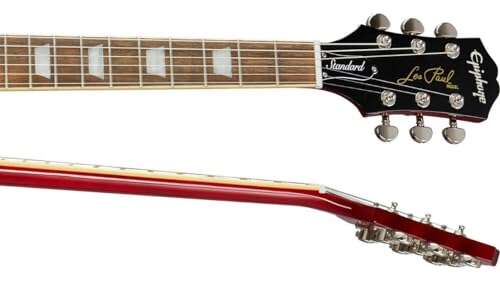
You know the feeling: your Epiphone Les Paul sounds dull, feels stiff, or keeps going out of tune right before practice. Fresh strings can bring the guitar back to life, but the wrong set may make bends hard or create too much buzz. I tested the key choices by looking at gauge, metal, comfort, tuning stability, tone, and value. This guide covers the best guitar strings for Epiphone Les Paul models, plus a few products that may help with related guitar needs.
Gibson Les Paul Strings, 9–42

These Gibson Les Paul Premium strings use an ultra-light 9–42 gauge. The plain strings feel easy under the fingers, so bends and vibrato take less effort. That makes them a strong choice for new players and lead players who like a soft touch. They also suit an Epiphone Les Paul when you want a lively top end and quick response.
I would choose this set for standard tuning and moderate playing. The lighter tension can make the guitar feel fast, but it may also reveal fret buzz on a poorly adjusted neck. The tone has a bright edge that works well for rock, blues, and classic lead sounds. If you want the best guitar strings for Epiphone Les Paul with an easy feel, this set deserves attention.
Pros:
- Very easy feel for bends and vibrato
- Good choice for players with hand fatigue
- Bright response helps leads cut through
- Gibson branding matches the Les Paul family
- Useful for light-touch rock and blues playing
Cons:
- Lighter tension can create fret buzz
- Low strings may feel thin to heavy strummers
- May need more frequent replacement with hard use
Ernie Ball Regular Slinky 10–46

Ernie Ball Regular Slinky 10–46 strings are one of the safest all-around choices for an Epiphone Les Paul. The nickel-wound construction gives the guitar a balanced mix of warmth, bite, and sustain. The 10-gauge high strings feel firm without becoming hard to bend. The set also gives the wound strings enough body for chunky rhythm work.
I like this gauge because it fits the natural voice of most Les Paul-style guitars. Humbuckers already produce a full sound, and these strings keep that sound focused rather than overly bright. The set works for practice, studio sessions, blues, rock, and worship music. For many players, this is the best guitar strings for Epiphone Les Paul because it offers a familiar feel and fair price.
Pros:
- Balanced 10–46 gauge suits many players
- Warm tone with useful pick attack
- Good match for Les Paul humbuckers
- Comfortable for chords and bends
- Easy to find in local shops and online
Cons:
- Standard nickel strings can lose brightness over time
- Not the best choice for players who need ultra-light tension
- Heavy sweat may shorten string life
Ernie Ball Regular Slinky 3-Pack

This three-pack gives you three sets of Regular Slinky 10–46 strings. The design and gauge match the single-set version, so the main difference is value. I find multi-packs useful for players who practice often, gig regularly, or keep a spare set in the guitar case. A fresh set can make a bigger difference than many small hardware changes.
The 10–46 gauge remains a dependable fit for most Epiphone Les Paul guitars in standard tuning. It offers enough tension for strong rhythm playing while still allowing comfortable bends. Buying three sets also helps you change strings on schedule instead of waiting until the old set feels rough. If you already like Regular Slinky strings, this may be the best guitar strings for Epiphone Les Paul in long-term value.
Pros:
- Three sets lower the cost per string change
- Reliable 10–46 gauge for standard tuning
- Balanced tone works across many music styles
- Great option for frequent players
- Spare sets stay ready for practice or gigs
Cons:
- Less useful if you prefer changing string brands
- Uncoated strings may wear faster with sweaty hands
- Not ideal if you want a custom gauge mix
LEKATO Coated Electric Strings, 10–46

LEKATO coated electric strings use nickel-plated steel and a protective coating. That coating helps limit contact with sweat, skin oil, and air. The 10–46 gauge gives an Epiphone Les Paul a familiar medium-light feel. I see this type of set as a practical option for players who want longer freshness without moving to a heavier gauge.
Coated strings often feel smoother under the fingers, though some players notice a different surface texture. They can help players whose strings turn dull after only a few sessions. The sound may seem slightly less raw than a fresh uncoated set, but the trade can make sense for home players and working musicians. These are among the best guitar strings for Epiphone Les Paul when string life matters most.
Pros:
- Coating helps resist sweat and corrosion
- 10–46 gauge suits standard Les Paul setups
- Smooth feel can reduce finger drag
- Useful for players who change strings less often
- Nickel-plated steel offers a familiar electric-guitar tone
Cons:
- Coated feel may not suit every player
- Initial tone can seem less open than uncoated strings
- Long-term durability depends on care and playing time
Gibson-Style Tune-O-Matic Bridge

This product is a Tune-O-Matic bridge and stop-bar tailpiece set for LP- and SG-style guitars. It is not a string set, but it connects directly to string setup and tuning performance. A worn bridge can have sharp saddles, loose parts, or grooves that hold the strings back. Replacing that hardware may help an older Epiphone Les Paul play more smoothly.
I would inspect the post spacing, stud size, and overall fit before ordering. Hardware dimensions can vary between Epiphone models and production years. A bridge will not turn a poor string choice into the best guitar strings for Epiphone Les Paul, but it can support better intonation and sustain. Consider professional installation if the existing studs need removal or the fit is uncertain.
Pros:
- Combines bridge and stop-bar parts in one set
- May refresh worn LP-style hardware
- Adjustable saddles support intonation work
- Chrome finish suits many Epiphone designs
- Can improve string path on a tired bridge
Cons:
- Fit must match the exact guitar dimensions
- Installation may require tools or a technician
- It does not replace the need for quality strings
Guyker 43mm Pre-Slotted Bone Nut
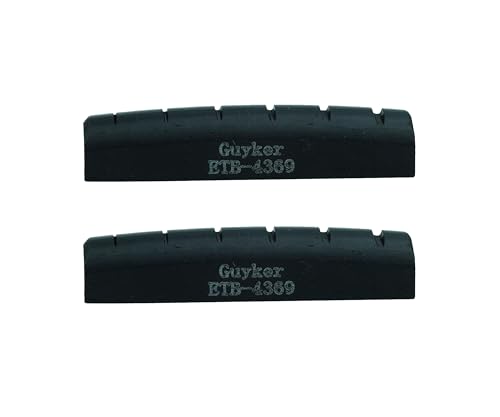
This Guyker nut measures 43 mm and comes pre-slotted for a six-string LP-style electric guitar. The black bone material may provide a firm contact point between the strings and neck. A well-cut nut supports open-string tuning and can reduce binding during tuning changes. Like the bridge above, it is a setup part rather than a string product.
Nut work needs care because slot depth and width affect action, buzz, and tuning. The listed size does not guarantee a direct fit for every Epiphone Les Paul. I would compare the original nut before buying and ask a repair tech for help if needed. Once the nut fits correctly, a quality 10–46 set can perform more consistently and feel closer to the best guitar strings for Epiphone Les Paul setup.
Pros:
- Pre-slotted design can reduce setup time
- 43 mm width matches many LP-style necks
- Bone material gives a firm string contact point
- Two-piece option provides a spare
- May help reduce string binding when fitted well
Cons:
- Requires careful measurement before purchase
- Slot depth may still need professional adjustment
- Not a direct fit for every Epiphone model
Zager Easy Play Acoustic Strings
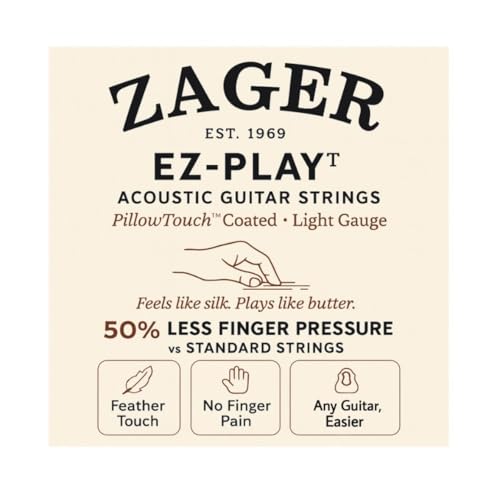
Zager Easy Play strings are made for acoustic guitars, not standard electric Epiphone Les Paul models. Their warm tone and easy feel may sound appealing, but the construction is different from electric nickel-wound strings. Acoustic sets often use bronze alloys and larger gauges. Those traits do not make them a suitable replacement for a normal Les Paul electric set.
I would only consider this product for an acoustic guitar that accepts the correct string type and gauge. Do not install acoustic strings on an Epiphone Les Paul just because the package mentions Gibson or easy play. For the electric guitar, stay with nickel-plated steel or another electric-string design. This distinction is important when searching for the best guitar strings for Epiphone Les Paul.
Pros:
- Designed for acoustic guitar comfort
- Warm acoustic tone for compatible instruments
- Easy-play design may help new acoustic players
- Anti-rust claims may support longer freshness
- Useful for the right acoustic guitar application
Cons:
- Not the correct choice for a Les Paul electric
- Acoustic construction changes the guitar’s response
- Gauge and ball-end fit must match the acoustic guitar
D’Addario NYXL1046 Electric Strings

D’Addario NYXL1046 is a premium nickel-plated electric set in the familiar 10–46 gauge. NYXL strings use a high-carbon steel core and are built for tuning stability and strength. They feel firm, yet they still allow normal bends on a Les Paul scale. I recommend them to players who want a more refined version of the standard 10-gauge experience.
The tone has a clear upper range and a strong center that helps chords stay distinct. That clarity benefits Epiphone Les Paul guitars with warm humbuckers or darker amps. They cost more than basic strings, but the added stability can matter for recording, rehearsals, and live work. In my view, NYXL1046 is a leading choice for the best guitar strings for Epiphone Les Paul when reliability comes first.
Pros:
- Strong tuning stability for rehearsals and gigs
- Durable core handles active playing well
- 10–46 gauge fits many Les Paul setups
- Clear tone helps chords and notes stay defined
- Excellent choice for recording and stage use
Cons:
- Higher price than standard nickel sets
- Firm feel may not suit ultra-light players
- Long life still depends on cleaning and storage
BELFORT Phosphor Bronze Acoustic Strings

BELFORT phosphor bronze strings are made for six-string acoustic guitars. Phosphor bronze usually produces a warm, full sound with a smooth high end. That can be useful on an acoustic instrument, but it is not the correct material for a normal Epiphone Les Paul electric. The pickups and amplifier need strings designed for electric guitar response.
I include this set because many shoppers search for guitar strings without checking the electric or acoustic label. Always confirm the instrument type before ordering. If you own an Epiphone acoustic, this product may be worth a look, but it is not among the best guitar strings for Epiphone Les Paul electric models. Using the right string family prevents poor fit and weak magnetic pickup response.
Pros:
- Warm phosphor bronze acoustic tone
- Made for six-string acoustic guitars
- Useful for strumming and fingerstyle
- Can add body to a bright acoustic guitar
- Suitable for players who need acoustic strings
Cons:
- Not suitable for a standard Les Paul electric
- Bronze winding is not designed for magnetic electric pickups
- Acoustic gauge may create excess tension on an electric
D’Addario EJ11 Acoustic Strings, 12–53
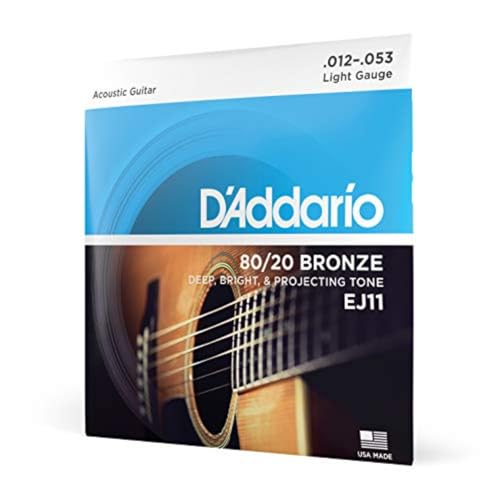
D’Addario EJ11 is an 80/20 bronze acoustic set with a light 12–53 gauge. It offers the familiar bright and projecting sound expected from acoustic strings. The set is well suited to acoustic guitars that need volume and clear strumming. It is not an electric-guitar set for an Epiphone Les Paul.
This distinction can save you from a frustrating setup. A Les Paul electric normally needs nickel-wound strings, while EJ11 belongs on a compatible acoustic guitar. If you also own an Epiphone acoustic, this set may be a useful second purchase. For the best guitar strings for Epiphone Les Paul electric models, choose one of the electric sets listed above instead.
Pros:
- Bright 80/20 bronze acoustic voice
- Light acoustic gauge feels manageable
- Good projection for strumming
- Trusted electric-guitar accessory brand
- Useful for compatible acoustic guitars
Cons:
- Not intended for Epiphone Les Paul electric guitars
- 12–53 gauge is far heavier than electric sets
- Bronze windings may not work correctly with magnetic pickups
How to Choose the Best Guitar Strings for Epiphone Les Paul
Choosing strings is not just a brand decision. Gauge, winding, metal, tuning, playing style, and hand strength all matter. An Epiphone Les Paul usually has a shorter 24.75-inch scale than many Fender-style guitars. That shorter scale creates lower tension at the same pitch and gauge. As a result, 10–46 strings often feel comfortable on this guitar.
I start with the gauge. A 9–42 set feels soft and makes bends easy. It can suit beginners, blues leads, and players with sore hands. A 10–46 set feels more balanced and gives chords stronger support. An 11–49 set adds tension and punch, but it may need a setup adjustment.
Changing gauge can change neck relief, bridge height, and intonation. The change is often small, but every guitar reacts in its own way. If the new set creates buzz or sharp notes, do not assume the strings are bad. The guitar may simply need a basic setup.
String Gauge Explained
The first number in a set describes the high E string. The last number describes the low E string. Thus, 10–46 means a .010-inch high E and a .046-inch low E. The smaller the number, the lighter the string. Light strings bend easily, while heavier strings feel tighter and can produce a fuller attack.
For most Epiphone Les Paul players, I suggest starting with 10–46. This gauge is a safe middle ground. It supports rhythm playing without making lead work tiring. It also makes it easy to find replacement sets from many brands.
Choose 9–42 if you mainly play lead lines, use a gentle touch, or struggle with hand pain. Choose 10–46 for mixed playing. Try 11–49 or 11–52 if you tune down, pick hard, or want a stiffer response. When using lower tunings, heavier strings can keep the low notes from feeling loose.
Nickel-Plated Steel or Pure Nickel?
Nickel-plated steel is the most common choice for modern electric guitar strings. It has a steel core and a nickel outer wrap. The sound usually has clear highs, firm mids, and good bite. This design works very well with the warm output of Epiphone Les Paul humbuckers.
Pure nickel strings use more nickel in the wrap. They often sound softer, rounder, and more vintage. They can tame a bright amplifier or add warmth to a sharp-sounding guitar. They may not have the same cutting edge as nickel-plated steel.
I would choose nickel-plated steel for rock, hard rock, pop, and modern blues. I would test pure nickel for classic rock, jazz-blues, and vintage amp tones. Neither option is automatically better. The best guitar strings for Epiphone Les Paul depend on the sound you want from your rig.
Coated Versus Uncoated Strings
Coated strings have a thin protective layer over the winding. The layer helps slow corrosion. This can matter if your hands sweat, you live near the coast, or you play several hours each day. Coated strings may also feel smooth and reduce finger noise.
Uncoated strings usually provide the most direct, fresh-string feel. They often sound lively right after installation. They also cost less, which helps players who change strings often. For many guitarists, regular nickel strings remain the best value.
Coating is not magic. A coated string can still lose tone, and some coatings may wear where you pick. Wipe down the strings after every session. Store the guitar in a dry room. These simple habits can extend the life of any set.
How Les Paul Pickups Affect String Choice
Most Epiphone Les Paul guitars use humbuckers. Humbuckers deliver a thick sound with strong mids and less noise than traditional single coils. Because of that, very dark strings can make the tone feel muddy. Bright or balanced strings often help the guitar stay clear.
If your Les Paul sounds too dark, try fresh nickel-plated steel strings. A 10–46 set can add attack without making the guitar harsh. You can also lower the neck pickup slightly or adjust your amplifier’s bass control. Strings are only one part of the final sound.
If your guitar sounds thin, try a heavier gauge or a warmer pure nickel set. Check the pickup height before making a major change. Pickups set too close to the strings can create a strong but unclear sound. Small setup changes often work like turning a blurry photo into a sharp one.
Best String Gauge for Different Players
Beginners: I suggest 9–42 or 10–46. The lighter set reduces finger strain, while the 10–46 set gives a more stable feel. New players should focus on comfort because painful practice rarely becomes good practice.
Blues players: Try 9–42 for wide bends or 10–46 for a firmer response. A warmer nickel set can add a smooth, vocal quality. Your amplifier and pick choice will also shape the final sound.
Rock players: Start with 10–46. This gauge handles power chords, palm muting, and bends well. If you tune down to D standard or lower, consider 11–49.
Hard pickers: Heavier strings may stay more stable under force. They can also reduce the loose feel that appears in low tunings. Do not jump too far in gauge without checking the nut and setup.
Players with hand pain: Choose 9–42 or a flexible 10–46 set. Keep the action comfortable and avoid squeezing the neck too hard. A good setup can help as much as a lighter string.
How Often Should You Change Epiphone Les Paul Strings?
There is no single schedule for every guitarist. A casual player may change strings every two or three months. A daily player may need a new set every one to four weeks. Studio players often install fresh strings before important sessions.
Change the strings when they feel rough, sound dull, refuse to stay in tune, or show visible rust. Flat spots near the frets are another clear sign. Old strings can make a good Epiphone Les Paul feel lifeless.
I recommend keeping one spare set in the case. Store unopened strings in a dry place. After playing, wipe each string from bridge to nut with a clean, dry cloth. Avoid household cleaners because they can damage the finish or fretboard.
How to Install New Strings
First, note how the old strings pass through the bridge and tailpiece. Remove one string at a time if the guitar is stable and you want to preserve the neck setup. Feed the new string through the tailpiece, then guide it over the bridge and across the nut.
Leave enough slack for two or three clean wraps around the tuning post. Bend the string near the post, then wind it neatly downward. Keep the wraps from crossing. Neat wraps improve tuning stability and make later changes easier.
Stretch each string gently after tuning. Pull upward with light pressure along the length of the string. Tune again, then repeat until the pitch settles. Avoid aggressive pulling because it can damage the string or bridge finish.
After installation, check the intonation with a tuner. Compare the fretted note at the 12th fret with the harmonic. If the fretted note is sharp or flat, adjust the saddle. Players who do not know this process should use a qualified guitar technician.
Common String Mistakes to Avoid
One common mistake is buying acoustic strings for an electric guitar. Acoustic bronze strings may fit physically, but they will not give a normal Les Paul the correct magnetic response. Always look for the words “electric guitar” on the package.
Another mistake is changing gauge without checking the setup. A jump from 9–42 to 12–52 changes tension by a noticeable amount. The guitar may develop buzz, high action, or poor intonation. Make changes in small steps.
Some players also blame strings for tuning problems caused by the nut. If the string sticks in a tight slot, the pitch may jump during tuning. A properly cut nut, smooth bridge, and clean tuning posts all help.
Value, Availability, and Long-Term Cost
Basic uncoated strings usually offer the lowest cost per change. They make sense for students, home players, and anyone who likes a very fresh tone. Multi-packs can reduce the price further. The Ernie Ball three-pack is especially practical for regular practice.
Premium strings cost more but may offer better consistency, strength, or tuning stability. D’Addario NYXL strings fit this category. If a broken string ruins a show or recording session, the higher cost can feel small compared with the lost time.
Coated strings can cost more at first but may last longer for some players. Your sweat, playing hours, and cleaning habits decide the real value. I would test one set before buying a large supply.
Setup Tips After a String Change
After installing a new set, tune the guitar to pitch and let it rest for a few minutes. Check the neck for obvious buzzing or a sudden change in action. Listen to open chords and notes above the 12th fret. These checks reveal most basic setup problems.
Check the tuning at the nut, fifth fret, seventh fret, and 12th fret. A guitar that goes sharp near the nut may need nut work. A guitar that sounds out of tune high on the neck may need intonation adjustment. Do not file or sand parts unless you understand the risks.
Keep the tailpiece at a sensible height. Excessive downward pressure over the bridge can make the string feel stiff and may create an uncomfortable break angle. The best guitar strings for Epiphone Les Paul can still feel wrong if the bridge is poorly adjusted.
My Recommendation
For most owners, I recommend Ernie Ball Regular Slinky 10–46 strings. They offer a dependable balance of comfort, tone, price, and availability. The single pack suits first-time buyers, while the three-pack suits frequent players. If you need stronger tuning stability and longer working life, D’Addario NYXL1046 is the premium upgrade.
Choose Gibson 9–42 if you want the easiest bends. Choose LEKATO coated 10–46 if sweat and corrosion are your main problems. The bridge and nut products can help with a repair or setup, but confirm measurements first. Avoid the acoustic sets for a standard Epiphone Les Paul electric guitar.
| Best for | Why |
|---|---|
| Most Epiphone Les Paul players | Ernie Ball 10–46 gives balanced tone, comfort, and value. |
| Recording and live reliability | D’Addario NYXL1046 offers strong tuning stability and durability. |
| Easy bends and light touch | Gibson 9–42 reduces tension and makes lead playing easier. |
FAQs Of best guitar strings for epiphone les paul
What gauge strings should I use on an Epiphone Les Paul?
For most players, 10–46 is the best starting point. It gives a balanced feel for chords, bends, and rhythm work. Use 9–42 for a softer feel or 11–49 for more tension and low tuning.
Are 10–46 strings good for an Epiphone Les Paul?
Yes. 10–46 is a common and useful gauge for Les Paul-style guitars. It works well with the shorter scale and humbuckers found on many Epiphone models.
Can I use acoustic guitar strings on an Epiphone Les Paul?
No. Use strings made for electric guitar. Acoustic bronze strings can produce poor pickup response and may create too much tension or an unsuitable feel.
Are coated strings worth buying?
Coated strings are worth testing if sweat or corrosion quickly damages regular strings. They may last longer, but some players prefer the raw feel and tone of uncoated strings.
Will new strings fix tuning problems?
Fresh strings can improve tuning, but they cannot fix every problem. A poorly cut nut, loose bridge, bad winding, or incorrect setup may still cause tuning issues.
Final Verdict: Which Should You Buy?
For most players, Ernie Ball Regular Slinky 10–46 is the best guitar strings for Epiphone Les Paul. Choose D’Addario NYXL1046 for premium stability, or Gibson 9–42 for easy bends.
Match the gauge to your hands and music. With the right set, your Epiphone Les Paul can feel smoother, sound clearer, and stay ready to play.

Senior Music Reviewer
Alex Carter is a seasoned music reviewer with over a decade of experience in the world of sound and instruments. Passionate about helping musicians and enthusiasts make informed choices, he brings sharp insights and in-depth knowledge to every review. From classical instruments to modern gear, Alex combines technical expertise with a love for music to deliver content that resonates with readers.
As a Senior Music Reviewer and expert author on Tuneluma.com, Alex is dedicated to sharing honest evaluations, practical advice, and thoughtful commentary to guide readers in their musical journey.