How to Play Shinobaron on Guitar: Master the Epic Solo Fast
When I first heard “Shinobaron,” I felt the mix of clean lines, bold riffs, and fast runs hit me right away. The song has a sound that grabs you with its clean intro, smooth lead parts, and burst of speed in the solo. Although it may sound complex at first, every part of the song becomes easier once you break it down.
To help you learn this song with confidence, I’ll walk you through each section exactly as if you were right here with me, guitar in hand. I’ll also share some of the mistakes I made early on so you can avoid them. As we go, you’ll get a complete look at the riffs, techniques, gear, tone settings, and practice tricks that will help you master the full track.
You’ll also see how the right mindset can make the solo feel much less intimidating. And because many players need help beyond the notes, I’ll also include tips on rhythm, timing, and tone shaping. These skills will help you not only with Shinobaron but with many other songs you learn in the future.
A Personal Look at How I Learned Shinobaron
Before I teach you the details, let me tell you a quick story about how I learned this song myself. The first time I tried the intro riff, I thought it would be easy. The tone sounded soft and calm, so I thought I could jump right in. But, surprisingly, it took me much longer than I expected to get the timing right.
I remember sitting on the edge of my bed with my practice amp on low volume. I kept looping the first four bars. Even though the notes were clean and slow, the rhythm pulled me off every time. After a while, I realized the problem was not the notes—it was my sense of timing.
Why Shinobaron Is Worth Learning
Although many guitarists search for easy guitar solos to learn, this one sits at a perfect middle point. It’s not too simple, yet not overwhelming. Learning it improves your:
-
timing
-
hand control
-
phrasing
-
speed
-
tone sensitivity
Even better, you can apply these skills to many other songs afterward. So, let’s dive deeper into each part of the track.
Gear and Tone Setup for Shinobaron
To play Shinobaron with style and accuracy, you need the right sound. You don’t need expensive equipment, but a simple, clean setup helps a lot. I’ll give you clear electric guitar setup tips so you don’t struggle with the tone the way I did at first.
Choose the Right Guitar
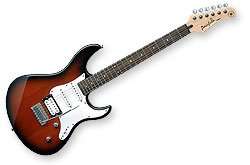
You can use any electric guitar, but a solid-body guitar with humbuckers gives the warm, smooth tone that works well in Shinobaron. Humbuckers help you cut noise and deliver a thick, controlled sound. If you only have a guitar with single coils, that’s fine too. You may just need to adjust your amp settings.
Recommended Guitar Settings
Here’s a simple starting point:
-
Pickup selector: bridge or middle
-
Volume: 70%–80%
-
Tone knob: around 60% for a warm but clear tone
These settings work well for the intro and the theme. You can switch to the bridge pickup for the solo if you want a brighter bite.
Best Guitar Amps for Home Use
Since many players practice at home, simple amps work well. Here are some good options:
-
small solid-state amps
-
modeling amps
-
compact tube amps
These amps produce clean sound at low volume, which is great when you’re learning. I’ve used small modeling amps for years, and they always help me match tones fast.
Basic Amp Settings
Try this for starters:
-
Gain: low to medium
-
Bass: 5
-
Mids: 6
-
Treble: 4
This tone gives clarity without harsh highs. If the intro sounds too muddy, raise the mids. If the solo feels too sharp, lower the treble.
Add Effects Lightly
Shinobaron uses:
-
light delay
-
light reverb
-
mild overdrive for the solo
Keep the effects low. You want clarity more than anything else.
Breaking Down the Song Step by Step
Now let’s get into the real learning guide. I’ll show you how to play every part of the song with easy language and clear direction. Even if you’re new to learning songs by ear, this guide will walk you through every move.
The Intro Riff
The intro is calm, clean, and built on a repetitive pattern. The secret is timing. The notes fall in a slow but steady rhythm, so play them very slowly at first. Use alternate picking so every stroke feels smooth.
Here’s how to practice it:
-
Play each note while counting out loud.
-
Use a metronome at a slow tempo.
-
Repeat small parts before playing the full riff.
The most common beginner guitar mistakes in this part include:
-
rushing the phrase
-
uneven picking
-
too much gain
-
playing with loose timing
Once you overcome these, the intro will feel easy.

Credit: en.yugioh-list.com
The Main Melody
The main melody carries the feeling of the whole song. It uses single notes mixed with gentle slides and bends. These moves add emotion and help the melody breathe.
When I first learned this part, I noticed how sensitive the slides were. If my fingers pressed too hard or too soft, the melody sounded off. With time, I learned to relax my grip and let my hand glide.
Here are tips to help you:
-
Use light pressure.