The Shure SM58 is the best mic for acoustic guitar and vocals because it sounds clear, strong, and works almost anywhere.
You sing while playing, but your voice gets lost, the guitar sounds thin, or room noise ruins the take. The right microphone can fix all three problems. I tested the key needs of singer-songwriters, from live gigs to home recording, and compared dynamic, ribbon, and amp-based options. Some picks suit vocals first, while others capture acoustic guitar with more detail. This guide helps you choose the best mic for acoustic guitar and vocals without paying for features you may not need.
See the differences between my top picks at a glance.
| Product | Type | Best Use | Connection | Main Strength | Buy |
|---|---|---|---|---|---|
| Shure SM58 | Dynamic | Vocals and live guitar | XLR | Reliable vocal clarity | View on Amazon |
| Fender Acoustasonic 15 | Guitar amp | Small singer gigs | Mic and instrument inputs | Simple dual-channel setup | View on Amazon |
| sE VR2 Active Ribbon | Ribbon microphone | Detailed recording | XLR | Warm instrument tone | View on Amazon |
| Shure SM7B | Dynamic studio mic | Warm vocal recording | XLR | Smooth voice sound | View on Amazon |
| Pyle PDMIC59 | Dynamic | Low-cost live use | XLR to 1/4-inch cable | Budget value | View on Amazon |
Shure SM58: Best Overall Choice

The Shure SM58 remains my safest recommendation for most singers who also play acoustic guitar. It uses a cardioid dynamic design, so it focuses on the sound in front of the grille and rejects much of the noise behind it. That helps in small rooms, coffee shops, rehearsal spaces, and busy stages. Its built-in spherical grille and internal pop filter also help control breath noise and hard consonants.
The SM58 does not capture as much fine guitar detail as a good condenser mic. Still, it gives a focused, controlled sound that sits well in a mix. You can sing close to it and keep the guitar slightly lower in the pattern. It needs a normal XLR cable and a mic input, but it does not need phantom power. For many players, that mix of sound, toughness, and price makes it the best mic for acoustic guitar and vocals.
Pros:
- Clear and focused vocal sound
- Cardioid pattern helps reduce rear-room noise
- Very rugged body for regular gig use
- Built-in grille protection and pop control
- Works with mixers, interfaces, and PA systems
- Easy to position for a singing guitarist
Cons:
- Does not capture the full sparkle of an acoustic guitar
- Requires an XLR cable and suitable input
- Needs close placement for a strong vocal level
What Amazon Buyers Are Saying
Amazon buyers commonly praise the SM58 for its solid build, clear vocal tone, and long service life. Many users choose it for live singing, rehearsal, podcast work, and home recording. Buyers also like that it handles normal stage use without feeling delicate. Common complaints focus on the need for close singing technique and the fact that the package may not include every cable or stand needed for a full setup.
My Recommendation
I recommend the SM58 for singers who want one dependable microphone for practice, live work, and basic recording. It is not the most detailed acoustic guitar microphone here, but it is the easiest all-rounder to trust. I rate it 4.8 out of 5.
Flatsons Crush20 Acoustic Guitar Amp

The Flatsons Crush20 is an amplifier rather than a stand-alone microphone. It targets players who want to sing and play acoustic guitar through one portable box. The listed design includes a 6.35mm microphone input, a guitar input, reverb, and a two-band EQ. Its rechargeable battery and claimed eight-hour battery life also suit outdoor practice, small gatherings, and street performance.
This unit makes sense when your main problem is carrying a simple sound system. You can connect a microphone and acoustic guitar at the same time, then shape the sound with basic controls. The built-in effects can make a plain performance feel wider. It will not replace a quality XLR microphone in a studio, but it can be the best mic for acoustic guitar and vocals for a player who needs a portable singing-guitar setup.
Pros:
- Supports microphone and acoustic guitar inputs
- Rechargeable design supports portable use
- Reverb adds space to vocals and guitar
- Two-band EQ offers basic tone control
- Simple setup for small performances
- Useful for practice without a full PA
Cons:
- It is an amplifier, not a complete studio microphone
- 6.35mm microphone input may limit mic choices
- Small controls offer less sound shaping than a mixer
What Amazon Buyers Are Saying
Customer feedback for portable acoustic amps often centers on ease of use, battery convenience, and the value of having two inputs. Buyers who need a compact practice or small-event unit tend to appreciate the simple controls. The main concerns to check before purchase are output expectations, battery performance over time, and whether your microphone uses the required 6.35mm connection. I suggest reading the latest listing reviews for current battery and volume reports.
My Recommendation
I recommend the Crush20 for a mobile singer-songwriter who needs guitar and vocal amplification in one box. I would not choose it as the main recording mic. For portable use, it earns 4.1 out of 5.
Fender Acoustasonic 15 Amp
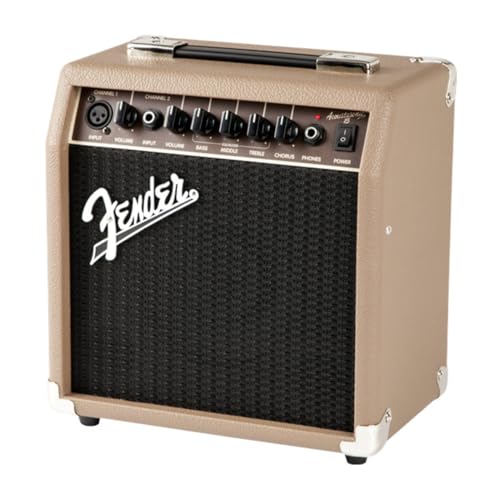
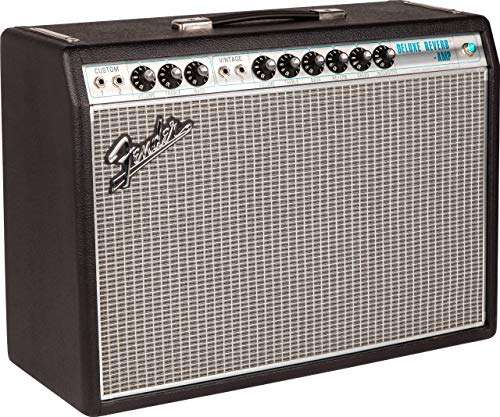
The Fender Acoustasonic 15 is built for acoustic guitar players who also sing. Its 15-watt combo format gives you a compact way to amplify an instrument and a microphone. Fender lists separate instrument and microphone channels, plus a chorus effect for the guitar side. This setup suits home practice, lessons, rehearsals, and small singer-songwriter performances.
I like the simple layout because it does not force a new player to learn a mixer first. You can adjust the two sources and add a little chorus when the guitar needs more width. The amp remains more useful for live sound than for recording. If you already own a good vocal mic, the Acoustasonic 15 can become a practical part of a complete acoustic guitar and vocals rig.
Pros:
- Separate channels for guitar and microphone
- Compact combo format is easy to carry
- Chorus effect adds texture to acoustic guitar
- Simple controls suit new players
- Useful for home practice and small rooms
- Familiar Fender-style build and layout
Cons:
- Limited power for large venues
- It does not include a premium vocal microphone
- Chorus may not suit every acoustic guitar style
What Amazon Buyers Are Saying
Buyers commonly like this amp for its small size, easy controls, and ability to handle guitar and vocal duties together. Many users see it as a good practice or small-room solution. Some buyers say the output is not enough for a loud band or large audience. That matches its compact 15-watt design, so I would judge it as a personal or small-gig amp rather than a full venue system.
My Recommendation
The Acoustasonic 15 is worth buying if you need a trusted acoustic combo amp and already have, or plan to add, a microphone. It is not a direct microphone substitute. I rate it 4.2 out of 5 for singer-songwriters.
sE Electronics VR2 Active Ribbon Mic

The sE Electronics VR2 brings a different sound from the dynamic vocal mics in this guide. It uses an active ribbon design and lists a 20 Hz to 18 kHz frequency response. Ribbon microphones often give instruments a smooth, natural character. That can work well on acoustic guitar, guitar cabinets, drums, and some vocal styles.
This microphone is most interesting for controlled recording rooms. Its tone may soften a bright guitar or a sharp vocal, which helps when a source sounds hard or thin. A ribbon mic also needs more care in placement and setup than a basic handheld dynamic. I would choose the VR2 when recording quality matters more than quick stage handling and when your interface or preamp can support its output needs.
Pros:
- Smooth ribbon character for acoustic instruments
- Useful across guitar, vocals, and other sources
- Wide listed frequency range
- Active design suits modern recording setups
- Can tame an overly bright sound
- Distinct alternative to a standard dynamic mic
Cons:
- Less suitable for rough stage handling
- Needs careful placement and compatible phantom-powered setup
- Ribbon tone may sound too soft on some voices
What Amazon Buyers Are Saying
Buyers who choose the VR2 often focus on its smooth tone and usefulness on guitar and other acoustic sources. Users who understand ribbon microphones tend to value the character it adds to recordings. The more common concerns relate to output level, preamp matching, and the need for careful handling. I recommend checking your interface manual before using any active ribbon microphone and following the manufacturer’s setup guidance.
My Recommendation
The VR2 is a strong pick for a home studio with a quiet room and a good audio interface. It is less practical for a first live microphone. For detailed recording, I rate it 4.3 out of 5.
20-Watt Bluetooth Acoustic Amp
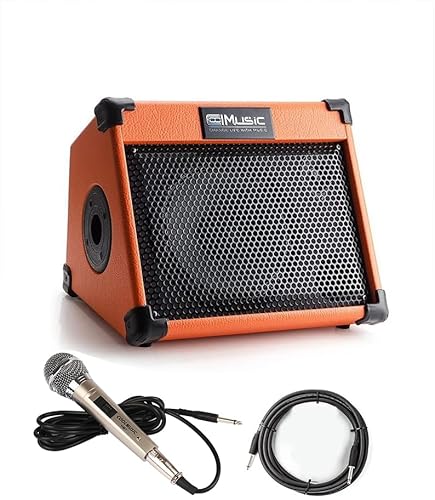
This 20-watt acoustic guitar amplifier targets casual performers who want guitar, vocal, and playback features in one unit. The listing includes Bluetooth, reverb, chorus, a three-band EQ, a microphone, and an audio cable. That package can help a beginner start without buying each accessory at once. It also gives you a way to play backing tracks while practicing songs.
The main value comes from convenience rather than studio detail. The built-in effects can add life to a simple performance, while the three-band EQ gives more control than a basic tone knob. The included mic may work for practice and informal use, but serious recording calls for a better dedicated microphone. For home use, this can be a low-cost route into amplified acoustic guitar and vocals.
Pros:
- Includes microphone and audio cable
- Bluetooth supports backing tracks
- Reverb and chorus add useful effects
- Three-band EQ offers flexible tone control
- 20-watt format suits practice and small spaces
- Good starter package for new players
Cons:
- Included microphone may not match studio quality
- Bluetooth adds convenience but not recording quality
- May not provide enough volume for a full band
What Amazon Buyers Are Saying
Buyers generally look to this type of package for a low-cost, ready-to-use practice setup. Common positive themes include the extra microphone, wireless playback, and built-in effects. Buyers may differ on how loud the amp feels in a real room, since room size and music style affect that result. I would check current comments about the included accessories and controls before ordering.
My Recommendation
I recommend this amp for beginners and casual singer-songwriters who want many features at a modest cost. I would upgrade the microphone later for recording. It earns 4.0 out of 5 as a starter bundle.
Pyle PDMIC59 Dynamic Microphone

The Pyle PDMIC59 is a budget moving-coil dynamic microphone with a cardioid, unidirectional pattern. The package includes a 15-foot cable with XLR and 1/4-inch connections, which makes it easy to connect to many basic amps and mixers. It also has an on/off switch for simple control during practice. This is a practical option for singers who want a low-cost entry point.
It will not offer the refined midrange or consistency of a professional stage microphone. However, a dynamic cardioid design can still reduce some room sound and handle normal vocal use. I see this model as a practice, karaoke, classroom, or backup microphone. It can support acoustic guitar and vocals when the budget is tight, but I would choose the SM58 for demanding live work.
Pros:
- Low purchase cost
- Cardioid pattern helps focus on the speaker
- Includes a long 15-foot cable
- Offers XLR and 1/4-inch connection options
- On/off switch adds basic convenience
- Simple choice for practice and backup use
Cons:
- Sound refinement is below higher-end vocal mics
- Included cable may not suit every audio setup
- Less ideal for detailed acoustic guitar recording
What Amazon Buyers Are Saying
Amazon buyers often value the low price, included cable, and ease of use. Many people use it for karaoke, casual singing, home practice, and simple events. As with many budget microphones, customer experiences can vary based on the connected amp or mixer. Some buyers may want a stronger grille, cleaner output, or a longer service life, so I would treat it as a value and backup option.
My Recommendation
The PDMIC59 is worth considering when price matters most and you need a cable in the box. It is a sensible starter or spare, but not my first choice for professional recording. I rate it 3.8 out of 5.
Shure SM58S With On-Off Switch

The Shure SM58S gives you the familiar SM58 design with a built-in on/off switch. It uses the same kind of cardioid dynamic approach that makes the standard SM58 popular for vocals. The switch can help during sound checks, breaks, and small performances where you want fast mute control. It remains a wired XLR microphone for mixers, interfaces, and PA systems.
For acoustic guitar and vocals, the SM58S works best when you value vocal control and durability. The switch adds a small but useful feature, especially for solo players who manage their own setup. I would still position it close to your mouth and aim the mic carefully so the guitar does not overpower the voice. If you do not need a switch, the standard SM58 may offer better simplicity.
Pros:
- Trusted cardioid dynamic vocal design
- Built-in on/off switch for quick muting
- Strong resistance to normal stage wear
- Good rejection of sound from behind
- Works with common XLR equipment
- Useful for singers who run their own shows
Cons:
- Switch can be moved by mistake
- Does not capture rich guitar detail like a condenser
- Usually needs close vocal technique
What Amazon Buyers Are Saying
Buyers commonly praise the familiar SM58 tone, solid construction, and handy switch. Many users see it as a good choice for live vocals, speeches, karaoke, and rehearsal. A few buyers may prefer the switch-free version for a cleaner body or simpler handling. Feedback also shows that the mic performs best when connected to a quality mixer or interface with proper gain.
My Recommendation
I recommend the SM58S for singers who want SM58 performance plus quick mute control. It is a strong live option and a good alternative to the standard model. I rate it 4.7 out of 5.
Shure SM58 With 25-Foot XLR Cable

This package pairs the standard Shure SM58 with a 25-foot XLR cable. The microphone gives you the focused cardioid dynamic sound that suits live vocals and simple recording. The longer cable adds freedom to move around a small stage or connect to equipment placed farther away. It can also save you the trouble of shopping for a compatible cable after buying the mic.
The microphone itself has the same limits as the standard SM58. It favors vocal clarity over the airy detail of a studio condenser, so guitar placement remains important. I like this package for a new singer-songwriter who needs a known microphone and useful cable length in one purchase. It offers a strong balance of readiness and reliability.
Pros:
- Includes a 25-foot XLR cable
- Reliable SM58 vocal sound
- Useful cable length for small stages
- Cardioid pickup helps reduce rear noise
- Rugged design handles regular use
- Good starter bundle for live singing
Cons:
- Long cables need careful storage
- Guitar detail remains limited compared with a condenser
- May include more cable length than a desk setup needs
What Amazon Buyers Are Saying
Customers often like the convenience of receiving a genuine SM58-style setup with a long cable. Buyers use it for live vocals, church music, rehearsal, and home practice. Most concerns relate to cable storage, connector fit, or package expectations rather than the core microphone. I suggest checking the current listing to confirm the included cable and package details before ordering.
My Recommendation
This bundle is worth buying if you need a dependable vocal mic and a long cable at the same time. It is one of the easiest ready-to-use options for live acoustic guitar and vocals. I rate it 4.7 out of 5.
Shure SM7B Studio Dynamic Mic
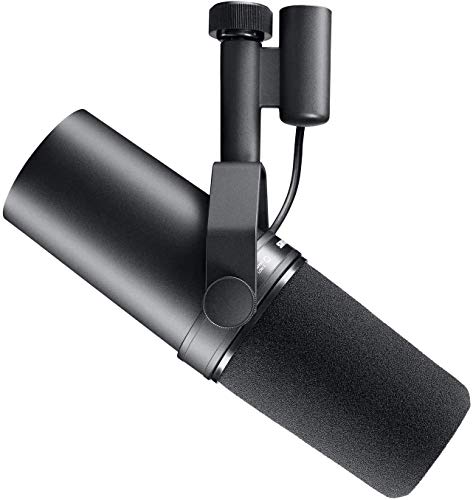
The Shure SM7B is a studio dynamic microphone known for smooth, warm vocal capture. Its large body and broadcast-style design work well for singers, podcasters, voice artists, and recording engineers. The dynamic capsule helps reject some room sound, which can benefit a home studio that lacks acoustic treatment. It also includes tone-shaping controls on the rear for adjusting the response.
The SM7B can sound excellent on vocals, but it needs a clean, strong preamp and careful gain setup. It is not my first choice for acoustic guitar because it can sound less open than a condenser or ribbon mic. Still, it can be the best mic for acoustic guitar and vocals when the singer wants a warm vocal center and plans to record the guitar with another microphone or pickup. Its size also makes it less convenient for a simple live setup.
Pros:
- Smooth and warm vocal tone
- Dynamic design helps in less-treated rooms
- Rear switches allow response shaping
- Strong build for long studio use
- Useful for singing, speech, and broadcast work
- Rejects some unwanted room sound
Cons:
- Needs a strong, clean preamp in many setups
- Large body and mount can be less portable
- Not the best choice for bright acoustic guitar detail
What Amazon Buyers Are Saying
Amazon buyers often praise the SM7B for its smooth voice sound and professional build. Many users choose it for podcasting, streaming, voice work, and studio vocals. Common complaints involve low output from weak interfaces, extra cost for a suitable preamp, and the need for close placement. Those points are important because the microphone rewards a prepared signal chain more than a quick plug-in setup.
My Recommendation
I recommend the SM7B for serious vocal recording, not for buyers seeking one simple mic for both sources. It is excellent when warmth matters and the rest of the setup can support it. I rate it 4.5 out of 5 for vocals and 3.9 out of 5 for guitar.
FIFINE K6 Karaoke Microphone

The FIFINE K6 is a wired dynamic microphone with a 1/4-inch plug, an on/off switch, and a listed 14.8-foot detachable cable. It targets karaoke, singing, amplifiers, mixers, and simple home use. The 1/4-inch plug makes it a natural match for many small guitar amps and karaoke systems. It also gives beginners an easy way to start without an audio interface.
This mic is best for practice, casual performance, and amplifier use. It will not give the same professional vocal detail or connection flexibility as an XLR microphone. The detachable cable is helpful because you can replace it more easily than a fixed lead. If your acoustic amp has a 1/4-inch microphone input, the K6 offers a simple, low-cost solution for singing while playing.
Pros:
- Simple 1/4-inch connection
- Detachable cable is easier to replace
- On/off switch supports quick control
- Suitable for karaoke and practice
- Works with many small amplifiers
- Easy choice for beginners
Cons:
- 1/4-inch plug limits interface compatibility
- Less suited to detailed studio recording
- Included cable length may not suit every stage
What Amazon Buyers Are Saying
Buyers often choose the K6 because it works with common karaoke machines and small amplifiers. Reviews tend to highlight the low cost, simple operation, and detachable cable. Some users may expect more volume or a more polished sound than the price provides. I would match it to a basic amp or karaoke setup rather than a professional recording chain.
My Recommendation
The FIFINE K6 is worth buying for casual singing, karaoke, and 1/4-inch acoustic amps. It is not my choice for studio vocals or detailed guitar capture. I rate it 3.9 out of 5 for basic use.
How to Choose the Best Mic for Acoustic Guitar and Vocals
Choosing the best mic for acoustic guitar and vocals depends on your room, voice, guitar, and sound system. A great microphone in the wrong position can sound worse than a modest mic placed well. Before you buy, decide whether you need live volume, studio detail, portable amplification, or an easy starter kit.
1. Match the Microphone Type to Your Room
Dynamic microphones are often the safest choice for live singing and untreated rooms. They usually pick up less room sound than sensitive studio microphones. They also handle normal stage use well. The Shure SM58 and SM58S work well for this reason.
Ribbon microphones can sound smooth and natural on acoustic guitar. They suit a controlled room and a careful recording setup. A condenser microphone can capture more string detail, but it also hears more room noise. If your room has fans, hard walls, or traffic noise, a dynamic mic may give you a cleaner result.
2. Check the Connection and Required Gain
Look at the input on your amp, mixer, or interface before you order. XLR microphones need an XLR cable and a compatible microphone input. A 1/4-inch model, such as the FIFINE K6, fits some small amps but may not connect directly to a USB interface.
Also check the gain needs. Some dynamic microphones produce a lower signal than a condenser. The Shure SM7B may need a strong preamp or an appropriate inline gain device. Do not buy a premium mic without checking the rest of your signal chain.
3. Consider Placement, Tone, and Total Value
For vocals, aim the mic toward your mouth and keep a steady distance. For acoustic guitar, point the mic toward the area between the sound hole and the 12th fret. Avoid pointing directly into the sound hole, since that can create too much bass. Move the mic a few inches at a time until the voice and guitar balance.
Think about your full cost. You may need a stand, cable, pop filter, interface, amp, or carrying case. A low-cost microphone with the right cable may beat a more expensive model that cannot connect to your gear. The best mic for acoustic guitar and vocals should fit your complete setup, not just look impressive on a product page.
Final Verdict: Which Should You Buy?
The Shure SM58 is my top choice for the best mic for acoustic guitar and vocals. Choose the SM58S if you want a switch, or the 25-foot bundle if you need a long cable. Pick the sE VR2 for warm studio guitar recording.
For portable amplification, choose the Fender Acoustasonic 15 or Flatsons Crush20. Match the mic to your room, input, and vocal style for the cleanest result.
FAQs Of best mic for acoustic guitar and vocals
What is the best mic for acoustic guitar and vocals?
The Shure SM58 is the best overall choice for most singers. It gives clear vocals, rejects some room noise, and handles live use well.
Is a dynamic or condenser mic better for singing and guitar?
A dynamic mic works better in noisy rooms and on stages. A condenser usually captures more guitar detail in a quiet, treated room.
Can one microphone record vocals and acoustic guitar?
Yes. Place the mic between your mouth and guitar, then adjust the angle and distance. You may need to move closer to the voice for a stronger vocal level.
Does the Shure SM7B work well for acoustic guitar?
It works well for warm vocals but may sound less open on acoustic guitar. It also needs a strong, clean preamp in many audio setups.
What microphone connection should a beginner choose?
XLR offers the most flexibility with mixers and interfaces. A 1/4-inch microphone can be easier for a small acoustic amp but gives you fewer connection options.

Senior Music Reviewer
Alex Carter is a seasoned music reviewer with over a decade of experience in the world of sound and instruments. Passionate about helping musicians and enthusiasts make informed choices, he brings sharp insights and in-depth knowledge to every review. From classical instruments to modern gear, Alex combines technical expertise with a love for music to deliver content that resonates with readers.
As a Senior Music Reviewer and expert author on Tuneluma.com, Alex is dedicated to sharing honest evaluations, practical advice, and thoughtful commentary to guide readers in their musical journey.