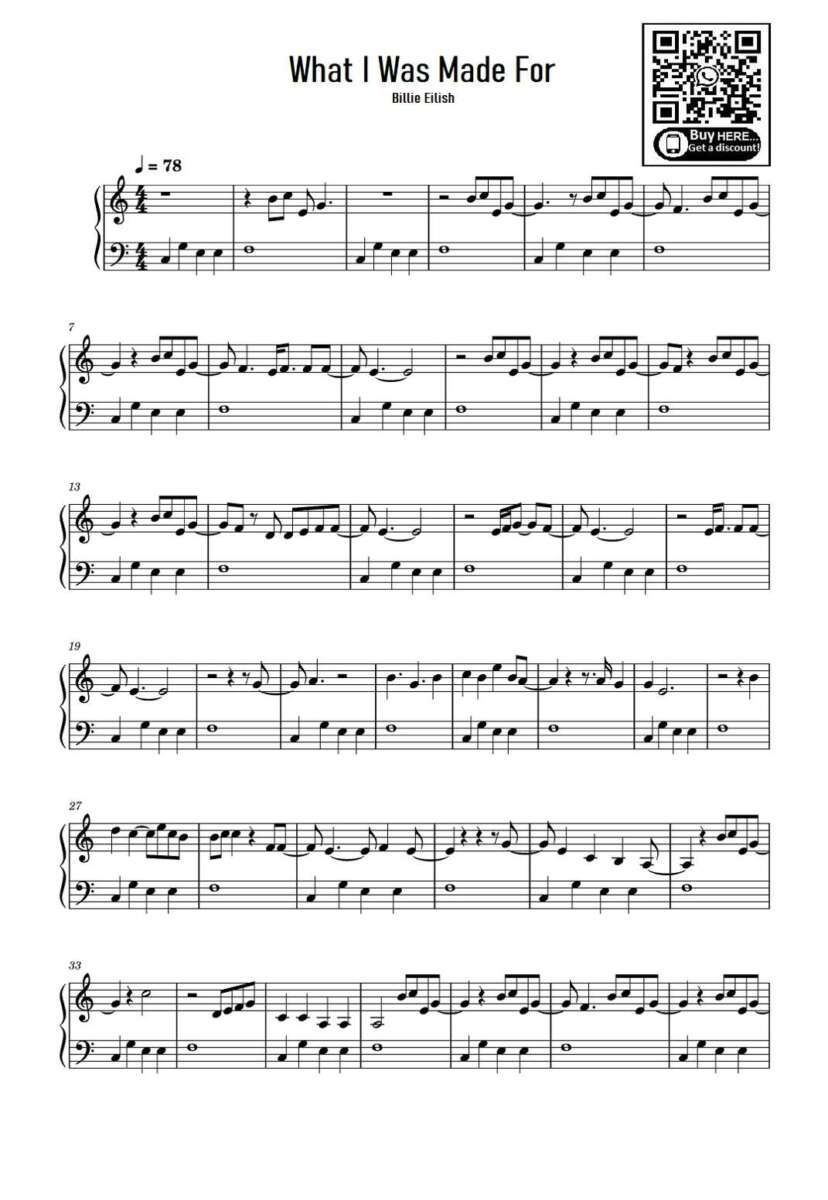
What Was I Made For Piano Sheet Music: Best 2026 Guide
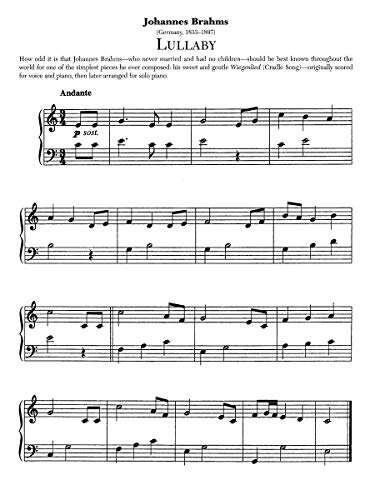
what was i made for piano sheet music is a haunting, melancholic arrangement that captures Billie Eilish’s minimalist ballad style.
As a pianist who has spent hours deconstructing contemporary pop scores, I know how important it is to pick the right arrangement. When I first sat down with this song, I learned that the emotion hides in the quiet spaces between notes. Playing what was i made for piano sheet music well is not just about accuracy. It’s about mood, timing, and a fragile touch. Whether you want a simple lead sheet to sing along or a full, cinematic piano arrangement, understanding the small details will lift your performance. Below I share what I’ve learned from practice, listening, and arranging so you can bring this melody to life on your instrument.
Why Choosing the Right Sheet Music Matters
When you search for what was i made for piano sheet music, you will find many versions. Some are lead sheets with chords. Others are full grand-staff arrangements that try to recreate the studio production. The skill level can vary a lot. Picking the wrong level leads to frustration.
If the arrangement is too complex, it can drown the song’s breathy, spare quality. If it is too simple, it can sound empty. My rule of thumb: choose scores that keep the melody clear and the left hand steady. That balance helps you keep the song intimate and true to the original.
How I choose an arrangement
I look for these cues when I buy or download a score:
- Melody priority. The right-hand line must be prominent.
- Light reharmonization. Avoid heavy, busy chords.
- Fingerings included. They speed up learning.
- Available transpositions. Useful if you sing along.
- MIDI or audio preview. I listen before I buy.
Tips for Mastering the Performance
To honor the composition, focus on touch and dynamics. The original leans on Billie Eilish’s whispered vocals and a soft piano bed. Keep your wrists relaxed and your fingers soft. Short, simple practice sessions beat long, tense ones.
Do not rush the tempo. The song gets power from silence and space. I always start by playing the melody alone. I sing the lyrics quietly in my head to find natural phrasing. Only then do I add chords and bass motion from the what was i made for piano sheet music.
Practical technique tips
- Use the sustain pedal sparingly. It should blur only where needed.
- Play with varying touch: pianissimo in verses, a tad louder in climaxes.
- Keep the left hand rhythmic but simple—a steady pulse supports the melody.
- Mark breaths and tiny rests in the score to preserve the song’s pauses.
Warm-ups and short exercises
I warm up with these quick drills before practicing the piece:
- Single-note legato on the melody line for 2–3 minutes.
- Slow broken-chord patterns in the left hand to build steadiness.
- Dynamic swells: play the same phrase pp to mf and back to pp.
Essential Resources for Pianists
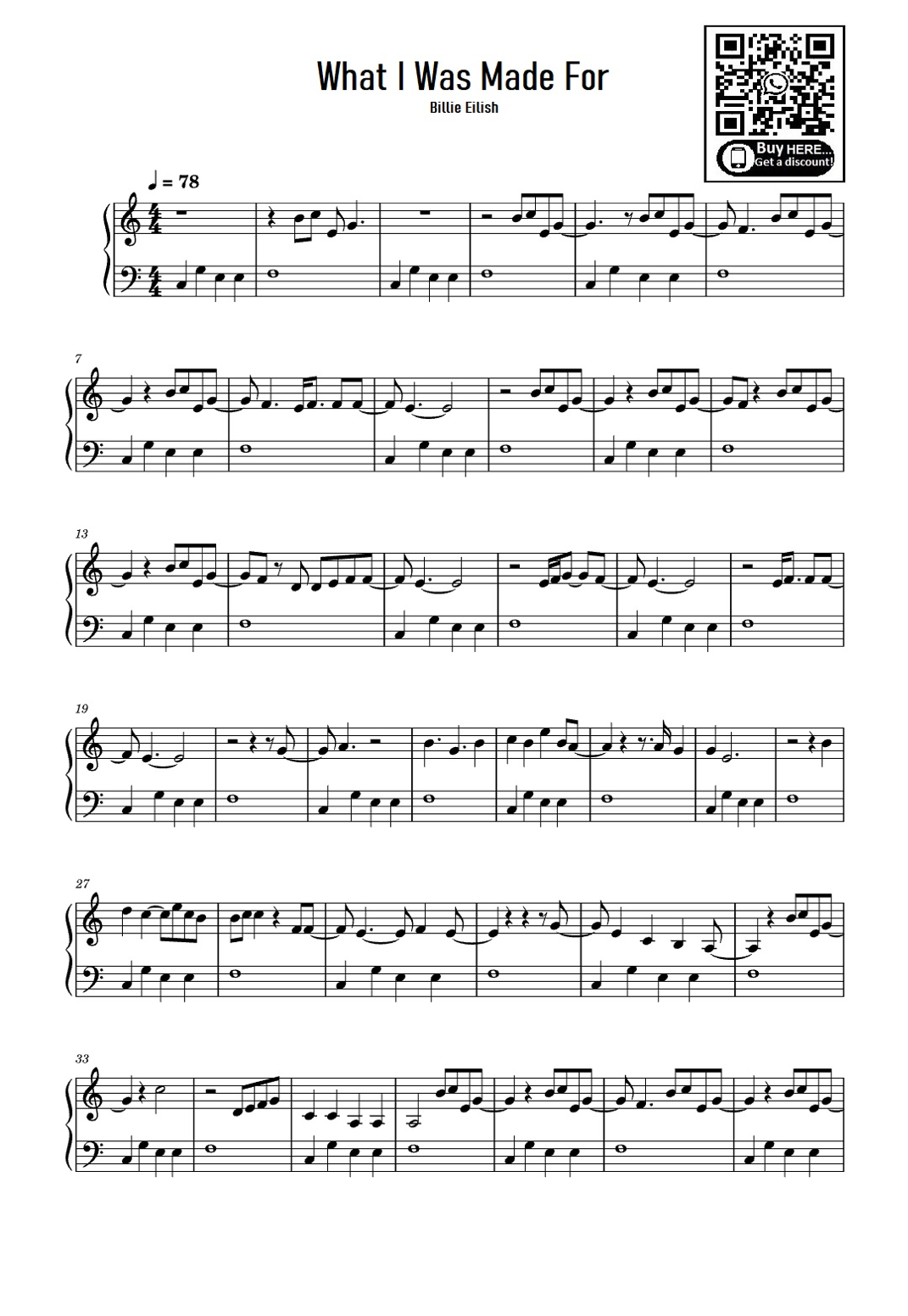
There are several reputable platforms to find high-quality what was i made for piano sheet music. I use sites that offer audio or MIDI previews. These previews let me hear the arrangement and judge the tempo, voicing, and dynamics before buying.
Look for scores that include fingerings and suggested pedaling. If you plan to sing, check whether the arrangement is in the original key or transposed. Fingerings and chord symbols save hours of trial and error.
Recommended editions and formats
I prefer editions from reputable publishers or verified community transcriptions with many downloads and positive comments. Formats I use:
- PDF scores for printing and detailed study.
- Interactive scores with MIDI playback for step-by-step learning.
- Lead sheets for vocalists who need chords and lyrics.
How to use MIDI previews effectively
When a site offers MIDI playback, do this:
- Listen once for tempo and feel.
- Listen again, focusing on the left-hand pattern and chord voicings.
- Follow the score while the MIDI plays to spot tricky spots.
Using official what was i made for piano sheet music increases the chance of an accurate harmonic transcription. For general references on song credits and songwriting, you can consult Wikipedia. (The song is written and produced by Billie Eilish and Finneas; I mention them because their choices shape the piano part.)

Frequently Asked Questions of what was i made for piano sheet music
Is what was i made for piano sheet music difficult for beginners?
Most versions are beginner-friendly. The tempo is slow. Chord patterns repeat. You can find simplified what was i made for piano sheet music that removes ornaments and complex voicings. Start with a lead sheet, then add more detail as you gain confidence.
Where can I find free what was i made for piano sheet music?
Several music hobbyist forums and community sites offer free user-generated transcriptions. They can be useful for practice. But expect occasional errors. If you want a faithful harmonic map, consider an official paid edition or a high-rated community score with many downloads.
Should I look for solo piano or vocal accompaniment versions?
It depends on your goal. Choose solo piano if you want to play melody and harmony at once. Choose a vocal accompaniment or lead sheet if you’re supporting a singer. Lead sheets give chord symbols and melody notes, which is ideal for live gigs or casual singing.
Does the sheet music include the original key?
Most professional editions list the original key (often E major for the recording). Always read the score description. Many publishers offer transposed versions to fit different vocal ranges. You can also transpose the piece in music software if needed.
How do I add emotion to my playing of this song?
Focus on dynamics and timing. Play verses softly and let chorus moments open slightly. Use rubato in short phrases to breathe. Keep pedaling light to avoid a muddy sound. Small timing shifts and tiny crescendos make a big emotional impact.
What role do Billie Eilish and Finneas play in the piano arrangement?
Billie’s vocal style and Finneas’s production choices define the minimal arrangement. The piano often serves as a soft, sparse anchor. Knowing the artists behind the song helps you match phrasing and silence. Study their recording for subtle cues in timing and emphasis.
Can I adapt the arrangement to my skill level?
Yes. Start with a lead sheet or simplified score. As you improve, add inner voices, gentle arpeggios, or sparse fills. Keep the core melody intact. My approach is to layer complexity slowly—never rush the feel.
Additional Practice Plan: 4 Weekly Steps
Here is a short plan I use to learn a new arrangement in one month. Each week focuses on one clear goal. This keeps practice focused and manageable.
- Week 1 — Melody: Play the melody perfectly at a slow tempo. Sing along mentally.
- Week 2 — Left hand: Add basic left-hand patterns. Keep the pulse steady.
- Week 3 — Dynamics and pedaling: Shape phrases and mark pedal points.
- Week 4 — Polish and performance: Play full run-throughs and record yourself.
Conclusion
Mastering what was i made for piano sheet music is a rewarding journey. It connects you to the emotional core of a modern ballad. Choose an arrangement that fits your skill level. Focus on touch, timing, and the spaces between notes. Use MIDI previews and fingerings to speed learning. Allow your interpretation to remain honest and personal. Grab your sheet music, sit at the piano, and start shaping your own version today. If these tips helped, please share your progress or leave a comment below about your favorite way to play this piece.


Senior Music Reviewer
Alex Carter is a seasoned music reviewer with over a decade of experience in the world of sound and instruments. Passionate about helping musicians and enthusiasts make informed choices, he brings sharp insights and in-depth knowledge to every review. From classical instruments to modern gear, Alex combines technical expertise with a love for music to deliver content that resonates with readers.
As a Senior Music Reviewer and expert author on Tuneluma.com, Alex is dedicated to sharing honest evaluations, practical advice, and thoughtful commentary to guide readers in their musical journey.