Best Bass Drum Beaters For Speed: Top Picks For Faster Feet
The best bass drum beaters for speed balance low weight, clean attack, and smooth control for fast footwork.
You know the feeling: your foot is ready for a fast double-kick pattern, but the pedal feels slow, heavy, or hard to control. The beater may be the missing link. A lighter head can help you move with less effort, while the right shape and surface can improve attack and rebound. I tested these choices by focusing on weight, balance, feel, durability, and sound. This guide will help you find a bass drum beater that matches your pedal, playing style, and need for speed.
Tama Accu-Strike Cobra Beater

The Tama Accu-Strike Cobra Beater is made for players who want a fast response with a clear, focused hit. Its striking surface is shaped to make contact in a direct way, so the beater does not feel vague when you play quick notes. I like this type of design for metal, punk, and modern rock because each kick can stay sharp in a busy mix. It also works well when your pedal has a smooth drive and a solid footboard.
Speed comes from more than a light head. Balance matters just as much, and the Accu-Strike design gives the pedal a controlled feel as it returns from the head. The tone has a firm attack without the soft, round sound of a large felt beater. Check your pedal clamp before playing, then set the beater height and angle in small steps. A few minutes of setup can make this beater feel much faster.
Pros:
- Clear attack for fast kick patterns
- Balanced feel during single and double strokes
- Good match for Tama Cobra pedals
- Helps each note speak in dense music
- Strong build for regular rehearsal and stage use
Cons:
- Can sound too bright for players who want a soft kick tone
- May feel firm on thin or highly tuned bass drum heads
- Usually costs more than basic replacement beaters
My Recommendation
I recommend the Tama Accu-Strike Cobra Beater to drummers who want one of the best bass drum beaters for speed with a direct, modern attack. It suits players who use fast doubles but still want a strong note at moderate volume. It is especially useful for Tama pedal owners, though it can work with many standard bass drum pedals. Overall, it offers a refined feel and dependable value for serious practice and performance.
DW Two-Way Bass Drum Beater

The DW Two-Way Bass Drum Beater gives you two useful playing surfaces in one compact design. One side uses a harder material for a stronger and brighter attack, while the other side offers a softer feel for a more rounded kick sound. This makes it a practical choice when you play more than one style. I often favor two-way beaters for drummers who need flexibility but do not want to carry extra gear.
The beater feels stable when adjusted correctly, and its simple shape keeps the motion easy to read under the foot. The hard side can help fast notes cut through guitars, while the softer side works well for pop, worship, blues, and classic rock. It is not the lightest option available, but its balance feels predictable. That predictability can help you build speed because your foot learns the same return path each time.
Pros:
- Two surfaces offer different tones
- Useful for several music styles
- Simple adjustment on many pedal types
- Firm response for quick patterns
- Reliable design from a respected drum brand
Cons:
- Heavier than dedicated lightweight beaters
- Hard side may create a sharp sound on some heads
- Players may need time to choose the better side
My Recommendation
The DW Two-Way Beater is best for a drummer who wants speed, tone choice, and good everyday flexibility. It belongs on a short list of the best bass drum beaters for speed because it lets you change attack without replacing the whole beater. Choose it if you play several genres or share a kit with other players. It offers strong value when one beater must handle practice, recording, and live work.
DW Control Bass Drum Beater

The DW Control Bass Drum Beater focuses on a controlled, even stroke. Its design gives the foot a solid point of contact, which can make repeated notes feel neat and consistent. That matters when you play sixteenth notes, triplets, or quick heel-toe phrases. Instead of making speed feel wild, this beater helps keep the stroke in a narrow and repeatable path.
I see this model as a middle ground between a soft vintage beater and an ultra-light speed beater. It provides enough weight to produce a full note, but it does not feel clumsy when the tempo rises. The attack is defined, so it can work in rock and heavier styles without excessive force. Use a lower beater height for quicker movement, or raise it slightly when you need more power.
Pros:
- Controlled movement for repeated strokes
- Balanced tone with a clear attack
- Good choice for practice and live playing
- Works well with many DW pedals
- Supports clean timing at higher tempos
Cons:
- May not satisfy players seeking an extreme lightweight feel
- Attack can be too firm for jazz or quiet acoustic work
- Proper height adjustment is important for comfort
My Recommendation
I recommend the DW Control Beater for intermediate and advanced drummers who want dependable motion more than flashy features. It is one of the best bass drum beaters for speed when your main goal is clean control. It fits players who often lose accuracy as the tempo rises. Its balanced response makes it a smart upgrade for a standard DW pedal or a similar pedal with a secure beater clamp.
Ludwig Speedking Felt Beater

The Ludwig Speedking Felt Beater brings a classic feel to modern bass drum playing. Its felt head gives the kick a warm, soft attack that suits vintage rock, blues, jazz, and many acoustic setups. The head does not produce the hard click of a plastic or metal beater. Instead, it gives the bass drum a round note that can sit well under a full band.
Despite its soft surface, this beater can work for fast playing when your pedal is well adjusted. Felt offers a forgiving contact, and that can make long practice sessions more comfortable to the ear. It may not cut through extreme metal guitars as easily as a hard beater, but it shines when tone and touch matter. I would also consider it for players who want speed without a harsh front edge.
Pros:
- Warm and musical felt tone
- Comfortable sound for long practice sessions
- Good match for classic and vintage drum sounds
- Forgiving response on many bass drum heads
- Light, simple design with familiar feel
Cons:
- Less attack than plastic or metal heads
- Felt can wear over time
- May not project enough for very loud metal music
My Recommendation
The Ludwig Speedking Felt Beater is best for drummers who place tone first but still need quick, smooth footwork. It can be one of the best bass drum beaters for speed in jazz, blues, classic rock, and studio work. Choose it when you want a warm note instead of a sharp click. Its overall value is strong for players who prefer a traditional Ludwig-style sound and a proven felt surface.
KAT Silent Strike Bass Drum Beater

The KAT Silent Strike Bass Drum Beater targets quiet practice. It is designed for electronic drums and low-volume setups where a normal hard beater may create too much noise. The softer striking approach lets you work on timing, doubles, and foot endurance without filling the room with a loud acoustic thump. This is a useful solution for apartment players and late-night practice.
Quiet does not mean useless for speed. A low-noise beater can help you practice the exact foot motion you need, especially when you focus on small, relaxed strokes. The feel may differ from a standard acoustic beater, so I would test it with your kick pad before using it on stage. It is also wise to follow the electronic pad maker’s guidance, since some pads respond best to certain beater materials.
Pros:
- Supports quiet home practice
- Useful for electronic drum kick pads
- Helps reduce harsh impact noise
- Good for timing and endurance drills
- Practical for apartment or shared-home use
Cons:
- Not the first choice for a loud acoustic bass drum
- Feel may differ from a standard performance beater
- Compatibility depends on the kick pad design
My Recommendation
I recommend the KAT Silent Strike to electronic drummers who need one of the best bass drum beaters for speed during quiet practice. It is best for home users, students, and players who practice after work or late at night. It will not replace a hard beater for every acoustic stage job. Still, its low-noise design can keep your practice routine alive when volume limits would otherwise stop you.
Vater Vintage Bomber Beater

The Vater Vintage Bomber Beater is built around a large, soft surface that creates a deep and gentle bass drum note. It has a very different character from a small hard beater. The larger head can make the drum feel full with less aggressive attack, which suits vintage kits, low-volume playing, and roots-based music. It also offers a forgiving contact point for players who like a soft response.
This is not a dedicated race beater, but speed is still possible when you use compact strokes and a properly adjusted pedal. Its larger head can feel slower if you lift the beater too high. I suggest keeping the beater close to the head and using relaxed ankle motion. The result can be smooth and even, with less sharp noise in a small room or recording space.
Pros:
- Deep, soft, vintage-style bass drum tone
- Large surface gives a forgiving strike
- Excellent for jazz, blues, and roots music
- Can reduce harsh attack in small rooms
- Comfortable for players who dislike hard contact
Cons:
- Large head may feel slower at high tempos
- Not ideal for sharp metal-style attack
- Soft material may show wear with heavy use
My Recommendation
The Vater Vintage Bomber is best for players who want musical warmth, not maximum punch. It can still serve as one of the best bass drum beaters for speed when your style uses light, close strokes. I would choose it for jazz, blues, folk, and quiet studio work. It provides good value if a soft, full sound matters more than extreme double-kick output.
Low Boy Lightweight Wood Beater
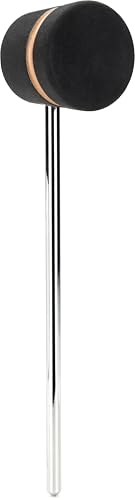
The Low Boy Lightweight Wood Beater is aimed at players who want a quick, lively stroke. Its wood striking surface gives a crisp attack, while the lightweight build helps reduce the effort needed for repeated notes. That combination can feel refreshing when a standard beater seems to drag behind your foot. The aerospace-grade steel rods add a practical touch for players who want a strong shaft without a bulky head.
Wood produces more definition than felt, so this beater can help fast kick patterns stay clear. It works well for rock, indie, funk, and other styles where the bass drum needs a clean front edge. Because it is light, it may not deliver the same low-end push as a heavy beater. I recommend testing the height and angle carefully, since a small setup change can greatly affect the rebound.
Pros:
- Lightweight feel for fast footwork
- Crisp wood attack with good note definition
- Strong steel rod construction
- Useful for quick doubles and repeated strokes
- Distinct look with a refined finish
Cons:
- Wood can sound bright on some bass drums
- Light weight may reduce power for large stages
- May require careful pedal adjustment for balance
My Recommendation
The Low Boy Lightweight Wood Beater is one of my top picks for drummers who want the best bass drum beaters for speed with a crisp sound. It is best for players who use ankle technique, fast doubles, and controlled strokes. Choose it if you want less mass at the end of the pedal and more attack than felt provides. Its quality construction makes it a strong option for serious practice and live use.
Jiayouy Aluminum Bass Drum Beaters

The Jiayouy Aluminum Bass Drum Beaters come as a two-piece set, which makes them attractive as replacement parts or backup beaters. The aluminum alloy heads offer a firm, direct contact and a bright attack. Players who like a strong click and fast rebound may enjoy this feel. The red finish also gives a plain pedal a small visual upgrade.
A two-pack has a clear practical benefit. You can keep one beater on your main pedal and store the other in your hardware bag. The exact feel will depend on your pedal, shaft fit, and adjustment, so I would confirm compatibility before ordering. These beaters suit budget-minded players who want to experiment with a harder surface without spending a lot on a premium single beater.
Pros:
- Includes two replacement beaters
- Firm aluminum alloy striking surface
- Bright attack for rock and electronic setups
- Useful as a backup pair
- Budget-friendly way to try a hard beater
Cons:
- Hard surface may be too bright for some acoustic heads
- Fit and finish may not match premium brands
- Compatibility should be checked before purchase
My Recommendation
I recommend the Jiayouy set for beginners, spare-kit owners, and drummers who need an affordable hard beater. It can qualify among the best bass drum beaters for speed for budget users because the light alloy design may feel quick and direct. It is not my first choice for a touring professional who demands fine balance. However, two beaters for one purchase can offer excellent practical value.
Lovermusic Felt Bass Drum Beater

The Lovermusic Felt Bass Drum Beater is a simple replacement option for players who prefer a soft, familiar kick sound. Its felt head helps create a rounded note with less click than a plastic or metal beater. The stainless steel shaft adds a firm connection between the pedal and the head. This type of beater can be useful when you want to refresh an old pedal without buying a complete new system.
Its moderate design makes it easy to approach for learners. It will not turn a basic pedal into a high-end speed machine, but it can improve comfort and consistency if your old beater is worn. Fast playing feels best when the head sits at a sensible height and the shaft stays tight in the clamp. I would use this model for practice, worship, school bands, rehearsal rooms, and softer acoustic styles.
Pros:
- Warm felt sound for many music styles
- Stainless steel shaft offers solid support
- Useful as an affordable replacement
- Gentle contact with a bass drum head
- Simple design suits beginner setups
Cons:
- Felt may wear with frequent hard playing
- Not as sharp or fast-feeling as some hard heads
- May need extra setup work on loose pedal clamps
My Recommendation
The Lovermusic beater is best for beginners and casual players who want a warm sound at a low price. It is not the most advanced choice among the best bass drum beaters for speed, but its light and simple design can support clean practice. Pick it when you need a basic replacement or a spare for your hardware bag. It offers useful value for home use and moderate playing.
DW Flyweight Bass Drum Beater

The DW Flyweight Bass Drum Beater is built for players who want less resistance during fast footwork. A lighter head can reduce the sense of dragging at the end of the pedal, especially during long double-kick passages. It encourages a quick, small stroke instead of a large swing. That makes it a strong tool for players working on speed, control, and endurance.
The trade-off is simple: less weight usually means less natural power. You may need to let the pedal do more of the work and avoid striking too deeply into the head. I find lightweight beaters most useful when the drummer already has a relaxed technique. They can expose tension at first, but they often reward patient practice with a smooth, fast response.
Pros:
- Very quick feel for fast foot patterns
- Reduces fatigue during long sessions
- Encourages efficient ankle technique
- Good for doubles, rolls, and rapid singles
- Useful for players who find heavy beaters slow
Cons:
- May produce less volume than a heavy beater
- Can feel too light for power-focused players
- Requires good technique and careful pedal setup
My Recommendation
The DW Flyweight is my choice for drummers who put speed and endurance above raw volume. It stands out among the best bass drum beaters for speed because its low-mass feel helps the foot move quickly. It is best for metal practice, fast rock, fusion, and players recovering from foot fatigue. Choose it if you already use a relaxed technique and want a beater that feels more like a feather than a hammer.
How I Choose Bass Drum Beaters for Speed
I do not judge a beater by speed claims alone. I look at the full system: the pedal drive, beater weight, shaft length, head shape, striking material, and bass drum head. A light beater may move fast, but it may also lack power. A heavy beater may sound huge, but it can tire the foot during long double-kick work.
Balance is the key point. The beater should return in a clean arc without pulling the foot forward or making the pedal feel dead. I also check whether the beater supports small strokes, because small strokes usually help a drummer play faster with less tension. The best bass drum beaters for speed should make good technique easier, not hide poor setup.
What Makes a Bass Drum Beater Fast?
Weight has a major effect on feel. A lighter head often needs less effort to start and stop, while a heavier head creates more momentum and volume. Neither choice is always better. Your best match depends on your foot strength, pedal type, music style, and desired sound.
Material changes the attack as well. Wood, plastic, and aluminum usually give a sharper note than felt or a soft bomber head. A hard surface can help the bass drum cut through loud guitars, but it can also sound harsh in a small room. Felt gives warmth and control, but it may need more volume from the player.
Beater height also affects speed. A high setting gives more power but creates a longer travel path. A lower setting can shorten the motion and make quick strokes easier. I suggest changing only one setting at a time. That way, you can tell what truly improves your playing.
Best For Table
| Best for | Why |
|---|---|
| Fast metal and hard rock | The DW Flyweight and Tama Accu-Strike offer quick response and clear attack. |
| Warm vintage bass drum tone | The Ludwig Speedking and Vater Vintage Bomber favor soft, rounded sound. |
| Flexible or budget setups | The DW Two-Way, Jiayouy pair, and Lovermusic beater offer useful range or low cost. |
How to Set Up a Beater for Faster Footwork
Start with the beater shaft locked tightly in the pedal clamp. A loose shaft can shift during playing and make every stroke feel different. Set the beater so it strikes the center area of the bass drum head, then check that it does not sit too close or too far away.
Next, adjust the beater angle. A middle setting works well for many drummers, but a lower angle may help fast ankle strokes. Keep the beater close to the head while you test it. If the pedal feels weak, raise the angle a little rather than adding force with your leg.
Spring tension matters too. Too much tension can make the pedal feel stiff. Too little tension can make the beater slow to return. I recommend small changes and short tests. Play single strokes, doubles, and a simple sixteenth-note pattern after each adjustment.
Finally, check the bass drum head. A loose head can feel slow and soft, while an overly tight head may feel hard and unforgiving. Tune for a clear note and use your ear. The beater and head must work together like a handshake. If one side fights the other, speed becomes harder than it needs to be.
How to Protect Your Bass Drum Head
Hard beaters can create strong attack, but they may place more stress on the batter head. If you play with a plastic, wood, or aluminum head, use a suitable impact patch when needed. A patch can protect the head and create a more focused hit.
Do not assume a hard beater is safe for every electronic kick pad. Some manufacturers recommend a specific beater surface or a protective patch. Follow the pad maker’s instructions, especially if the pad uses a mesh head. The right beater should improve your practice, not shorten the life of your gear.
Felt beaters need care as well. Look for flat spots, loose fibers, or a hard worn area. A damaged felt head can change the tone and may create uneven contact. Wipe the shaft after use and keep the beater dry. These small steps help the beater last longer.
FAQs Of best bass drum beaters for speed
Are lighter bass drum beaters faster?
Often, yes. A lighter head can start and stop with less effort. However, speed also depends on balance, pedal setup, spring tension, and technique. A beater that is too light may reduce power and feel unstable for some players.
Which beater material is best for fast metal playing?
Wood, plastic, and aluminum can provide a sharp attack that cuts through loud guitars. The Tama Accu-Strike and DW Flyweight are strong choices for quick, clear patterns. Use a protective patch if the beater or pedal maker recommends one.
Can a felt beater work for speed?
Yes. Felt can work very well for fast playing when the beater height is low and the pedal is tuned for quick return. Felt gives a warm tone, but it may not cut through a very loud band as clearly as a hard surface.
How high should I set my bass drum beater?
Start with a medium height and adjust from there. A lower setting often helps fast footwork because the beater travels less. Raise it if you need more volume. Make small changes and test your singles and doubles after each change.
Can I use these beaters on an electronic drum kit?
Some can, but compatibility varies. The KAT Silent Strike is designed for quiet practice and may suit certain electronic kick pads. Always check the electronic drum maker’s guidance before using a hard beater on a mesh or rubber pad.
Final Verdict: Which Should You Buy?
The DW Flyweight is my top pick for pure speed and low foot fatigue. The Tama Accu-Strike is better if you want fast response with a sharper attack. For warm tone, choose the Ludwig Speedking Felt Beater.
The best bass drum beaters for speed match your foot, pedal, and sound. Start with the right weight, then refine your angle and spring tension for faster, cleaner playing.

Senior Music Reviewer
Alex Carter is a seasoned music reviewer with over a decade of experience in the world of sound and instruments. Passionate about helping musicians and enthusiasts make informed choices, he brings sharp insights and in-depth knowledge to every review. From classical instruments to modern gear, Alex combines technical expertise with a love for music to deliver content that resonates with readers.
As a Senior Music Reviewer and expert author on Tuneluma.com, Alex is dedicated to sharing honest evaluations, practical advice, and thoughtful commentary to guide readers in their musical journey.