
Acoustic Vs Classical Guitar: Key Differences Explained
What's the difference between acoustic and classical guitar? Classical guitars use nylon strings, while acoustic guitars use steel strings.
Understanding what's the difference between acoustic and classical guitar helps you choose the right instrument, strings, and learning path. The two guitars look similar, but their necks, bodies, tone, playing methods, and best uses can feel very different. This guide breaks down each point so you can make a confident choice.
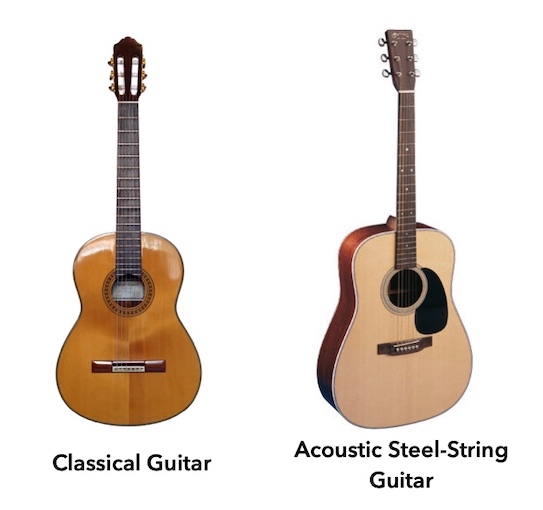
The core difference between acoustic and classical guitar
The biggest difference between acoustic and classical guitar is the type of strings they use. A classical guitar has three nylon or nylon-based treble strings and three bass strings with nylon cores wrapped in metal. A standard acoustic guitar uses six steel strings.
This one change affects almost everything else. String type changes the guitar’s tension, tone, neck design, bridge, body shape, and playing technique. It also changes how the instrument feels under your fingers.
Here is a simple comparison:
| Feature | Classical guitar | Acoustic guitar |
|---|---|---|
| Strings | Nylon | Steel |
| Neck | Wide and flat | Narrower and slightly curved |
| Tone | Warm, soft, and rounded | Bright, clear, and powerful |
| Common music | Classical, flamenco, Latin, folk | Folk, country, rock, blues, pop |
| Playing style | Fingerstyle and formal technique | Strumming, flatpicking, and fingerstyle |
| String tension | Lower | Higher |
| Typical body | Smaller or medium-sized | Many shapes and sizes |
| Fretboard width | About 2 inches at the nut | Often about 1.7 to 1.8 inches at the nut |
These features are common, not absolute. Some modern classical guitars have slimmer necks, and some acoustic guitars are made for fingerstyle playing. Still, the string type remains the clearest starting point when exploring what's the difference between acoustic and classical guitar.

How the strings change the playing experience
Nylon strings feel softer and more flexible than steel strings. This can make a classical guitar comfortable for beginners, especially during the first weeks of practice. Nylon strings also produce less finger pain when you are building calluses.
Steel strings have greater tension. They can feel harder on the fingertips, but they offer a strong attack and more volume. After regular practice, most players adjust to the feeling and develop firm fingertips.
The string material also changes how you use your right hand:
• Classical guitar often uses the fingertips and fingernails for separate notes.
• Acoustic guitar can use a pick, the fingers, or both.
• Classical technique usually focuses on clean finger independence.
• Acoustic technique often focuses on rhythm, chord changes, and strong strumming.
A common mistake is putting steel strings on a classical guitar. Classical guitars are not built to handle that level of tension. The extra pull can damage the bridge, neck, or top. Never make this change unless a qualified guitar technician confirms that the instrument was designed for it.
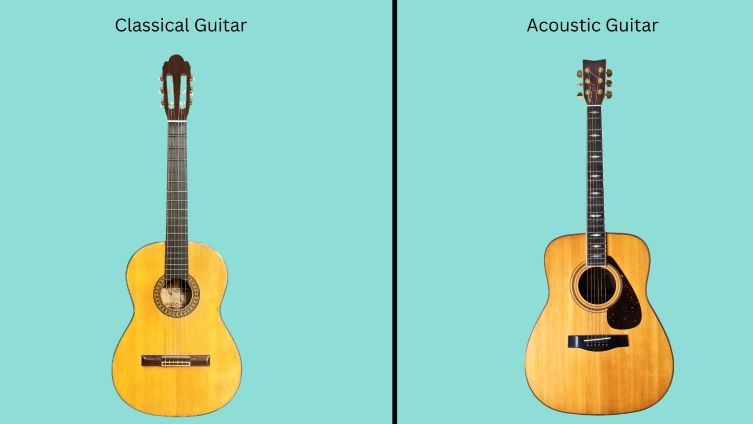
Neck width and fretboard design
A classical guitar usually has a wide, flat fretboard. The nut may measure close to 2 inches across, although dimensions vary by model. This extra space gives each finger more room when playing separate notes.
An acoustic guitar normally has a narrower neck. Its fretboard also has a curved radius, which helps with chord shapes and fast movement. The narrower design can feel more natural when you play common open chords such as G, C, D, and E minor.
The wider classical neck is helpful for fingerstyle work. Your thumb, index finger, middle finger, and ring finger can move with less crowding. However, players with smaller hands may need time to adjust.
The narrower acoustic neck can make chord playing easier. Yet, crowded fingerstyle patterns may feel less comfortable for some players. This is one reason the answer to what's the difference between acoustic and classical guitar depends partly on your hands and musical goals.
Before buying, hold both guitars. Play a few basic chords. Then play one note at a time on each string. Comfort matters more than a small difference in measurements.
Sound and volume: warm tone versus bright tone
A classical guitar has a warm, mellow sound. Its nylon strings produce a smooth attack and a rounded note. The tone often feels gentle and intimate, even when the player uses strong technique.
An acoustic guitar has a brighter and more focused sound. Steel strings create more snap, volume, and sustain. This sound can cut through other instruments during a band rehearsal or group sing-along.
Think of the two sounds as different speaking voices. A classical guitar speaks like a calm, soft voice in a quiet room. An acoustic guitar speaks with more edge and projection, so people can hear it across a larger space.
Body size also affects tone. A small acoustic guitar may sound balanced and comfortable, while a dreadnought can create strong bass and high volume. A classical guitar usually has a more controlled response, which suits detailed solo playing.
Neither tone is better. The best choice depends on the sound you want:
• Choose nylon for warm melodies, soft arrangements, and traditional classical pieces.
• Choose steel for bright chords, strong rhythm, and modern singer-songwriter music.
• Choose either type for fingerstyle if the guitar feels comfortable and responds well.

Construction differences you should know
Classical and acoustic guitars must support different string tensions. Their construction reflects this difference.
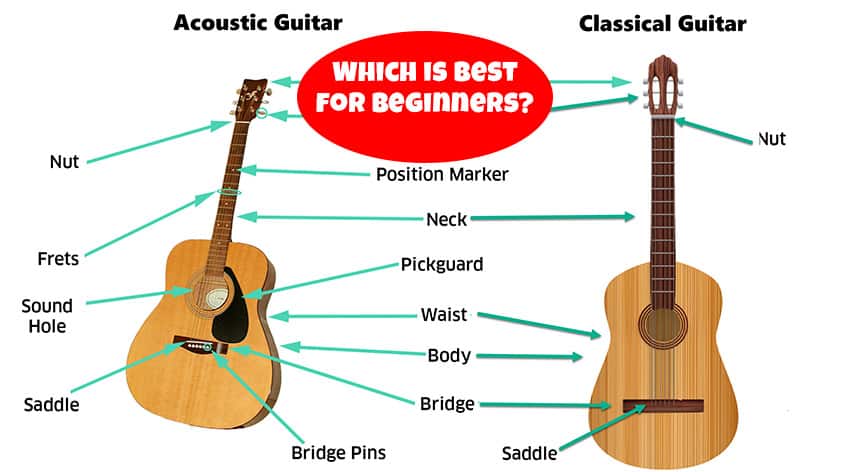
A classical guitar often uses fan bracing inside the top. This design helps the thinner top respond to nylon strings. A steel-string acoustic guitar commonly uses X-bracing or another steel-string bracing pattern. This adds support against the higher pull of steel strings.
The bridge is also different. Classical guitars usually use a tie-block bridge. The player ties nylon strings through the bridge holes. Acoustic guitars often use bridge pins that hold the steel strings in place.
Classical guitars may have slotted headstocks. The strings pass through horizontal rollers inside the headstock. Most acoustic guitars have a solid headstock with tuning posts on the front or back.
These details explain why swapping string types is unsafe. A guitar is a complete system. The top, neck, bridge, bracing, and tuners work together. Changing the strings without considering the design can create serious problems.
Some crossover instruments combine features from both styles. For example, a crossover classical guitar may have a narrower neck and a radiused fretboard. It still uses nylon strings, but it may feel more familiar to an acoustic player.
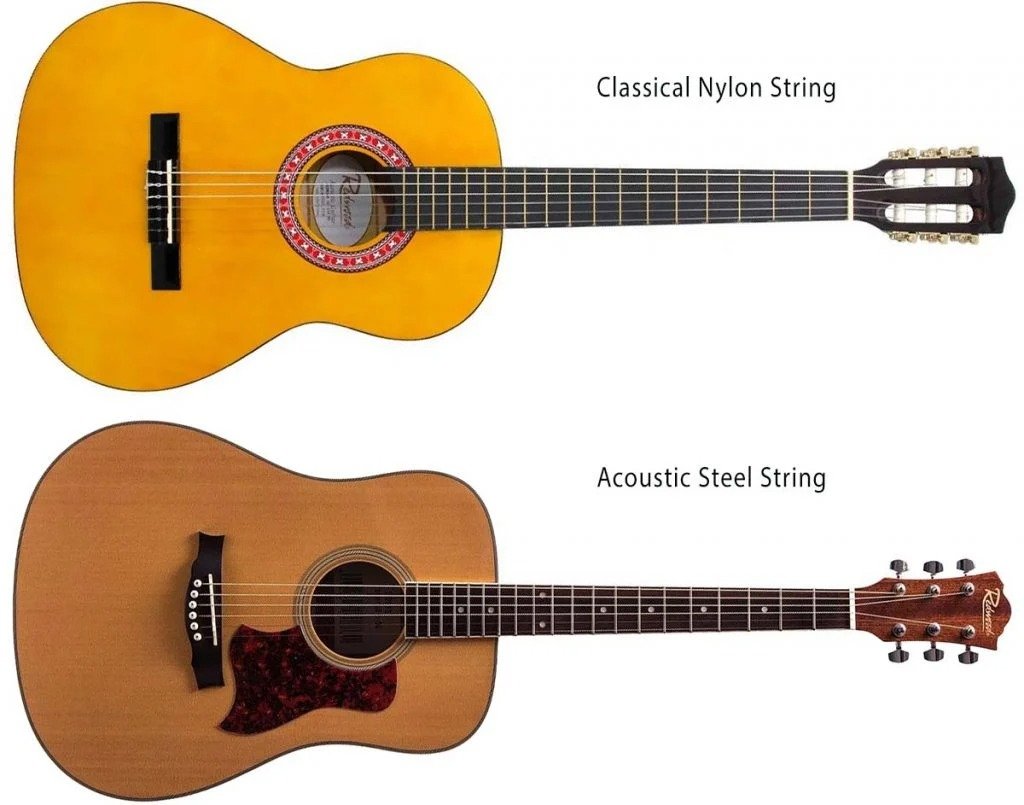
Classical guitar versus acoustic guitar for beginners
Both guitars can be good beginner instruments. Your preferred music should guide the choice.
A classical guitar may suit you if you want to learn:
• Traditional classical guitar
• Spanish guitar
• Flamenco basics
• Bossa nova
• Latin fingerstyle
• Solo melodies
An acoustic guitar may suit you if you want to learn:
• Pop songs
• Folk music
• Country rhythm
• Rock songs
• Blues progressions
• Singer-songwriter accompaniment
Many beginners enjoy nylon strings because they are gentler on the fingertips. However, a wide neck can make some chord shapes feel difficult. Other beginners prefer the narrower acoustic neck, even though steel strings may cause more discomfort at first.
A practical test works well. Visit a music store and play each guitar for five minutes. Try a basic chord progression, a simple melody, and a few strums. Notice which instrument makes you want to keep playing.
The best beginner guitar is not simply the one with the lowest price. It should have comfortable action, accurate tuning, and a neck that feels manageable. A poorly adjusted guitar can make any learner think they lack ability.

Which guitar is better for fingerstyle playing?
Both guitars can work well for fingerstyle, but they support different fingerstyle traditions.
Classical guitar is designed for independent finger patterns. Players often use the thumb for bass notes and the other fingers for treble notes. The wide neck gives each finger more space, and nylon strings respond well to light touch.
Acoustic guitar fingerstyle can sound crisp and rhythmic. Steel strings provide strong bass and bright melody notes. Many folk, blues, and modern acoustic players use alternating bass patterns, Travis picking, and percussive techniques.
Your right-hand technique may differ too. Classical players often shape their fingernails to create a clear tone. Acoustic players may use fingernails, fingertips, fingerpicks, or a flat pick.
If you want to play Bach, Tarrega, or traditional Spanish pieces, choose a classical guitar. If you want to play folk patterns, blues arrangements, or modern pop covers, an acoustic guitar may be the better fit.
This distinction is central to what's the difference between acoustic and classical guitar. The instruments overlap, but their design encourages different musical habits.

Can you play the same songs on both guitars?
You can play many songs on either guitar. Chords such as C, G, Am, and F work on both instruments. The main change is the tone and physical response.
A pop song may sound softer and more relaxed on a classical guitar. The same song may sound louder and more energetic on a steel-string acoustic. You may also need to change the key if one guitar feels better in a different range.
Classical guitar can play acoustic songs, but the result may not have the same rhythmic punch. Acoustic guitar can play simple classical melodies, but the steel strings may produce a sharper sound than the composer intended.
Some arrangements also require different techniques. A classical piece may include fast arpeggios and separate bass lines. A folk song may depend on steady strumming and quick chord changes.
If you are unsure, choose the guitar that matches the songs you expect to practice most. A guitar that fits your music will encourage regular playing.

Acoustic and classical guitar mistakes to avoid
New players often compare these guitars by appearance alone. That can lead to a poor choice. Two guitars may look similar but feel completely different once you play them.
Avoid these common mistakes:
• Do not put steel strings on a standard classical guitar.
• Do not assume nylon strings will turn a steel-string acoustic into a classical guitar.
• Do not buy only by color, brand, or decoration.
• Do not ignore high string action, which makes notes harder to fret.
• Do not choose a large guitar if its body feels uncomfortable.
• Do not judge your skill after playing an instrument that needs a setup.
A professional setup can improve tuning, string height, and playability. When testing a guitar, ask a staff member to check whether the neck is straight and whether the frets are level.
One useful lesson from comparing guitar designs is that comfort controls practice time. A guitar that hurts your wrist or strains your hand may stay in its case. The right instrument should make practice feel inviting.
How to choose the right guitar for your goals
Use this simple process when deciding between the two:
-
Choose your main music style. List three artists or songs you want to play.
-
Decide how you want to play. Consider strumming, fingerstyle, solo melody, or a mix.
-
Test the neck. Check whether you can reach common chords without excess strain.
-
Test the strings. Notice whether nylon or steel feels better on your fingertips.
-
Listen to the tone. Ask whether the guitar sounds warm, bright, soft, or powerful.
-
Check the fit. Sit with the guitar and make sure the body does not feel too large.
-
Set a realistic budget. Include a tuner, case, spare strings, and a setup if needed.
If you want broad song options, a steel-string acoustic is often the practical choice. If you want classical technique or a soft fingerstyle tone, a nylon-string classical guitar is usually more suitable.
A crossover nylon guitar can be a smart middle ground. It may have a slimmer neck, a cutaway body, and electronics for amplification. It will not fully replace a traditional classical guitar or a steel-string acoustic, but it can serve players who want flexibility.
Care and maintenance differences
Classical and acoustic guitars need similar basic care, but their strings require different handling.
Nylon strings stretch more when they are new. A fresh set may go out of tune often for several days. This is normal. Tune the guitar regularly until the strings settle.
Steel strings can also stretch, but they usually stabilize sooner. They may feel rougher against the fingertips and can develop corrosion from sweat. Wipe them after playing, especially if you live in a humid area.
For both guitars:
• Store the instrument in a suitable case.
• Keep it away from heaters, vents, and direct sunlight.
• Avoid sudden changes in temperature and humidity.
• Wash your hands before playing.
• Replace worn strings before they become dull or difficult to tune.
• Ask a qualified repair technician to inspect serious cracks or loose bridges.
Wood responds to moisture changes. Very dry air can cause cracks, while excessive humidity can swell the top and affect playability. A simple guitar humidifier may help in dry climates, but follow the product instructions carefully.
Frequently Asked Questions of what's the difference between acoustic and classical guitar
Is a classical guitar the same as an acoustic guitar?
A classical guitar is a type of acoustic guitar because it creates sound without electronic amplification. However, the term “acoustic guitar” usually refers to a steel-string acoustic, while a classical guitar uses nylon strings and has a different construction.
Can you use steel strings on a classical guitar?
No, you should not put steel strings on a standard classical guitar. Steel strings create much higher tension and can damage the bridge, neck, or soundboard.
Which guitar is easier for beginners?
Neither guitar is easier for everyone. Nylon strings may feel gentler, while the narrower neck of a steel-string acoustic may make chord shapes easier for some players.
Is classical guitar good for strumming?
You can strum a classical guitar, but its nylon strings and lighter construction produce a softer sound. It may work well for gentle arrangements, but it will not usually deliver the sharp volume of a steel-string acoustic.
Can you play classical music on an acoustic guitar?
You can play simple classical pieces on an acoustic guitar. However, the wider neck, nylon strings, and tone of a classical guitar are usually better suited to traditional classical technique.
Which guitar is better for fingerstyle?
Both can be excellent. Classical guitars are ideal for traditional solo fingerstyle, while acoustic guitars are strong choices for folk, blues, country, and modern fingerstyle arrangements.
What is the main difference between acoustic and classical guitar?
The main difference between acoustic and classical guitar is that classical guitars use nylon strings and wider, flatter necks, while standard acoustic guitars use steel strings and narrower, curved fretboards. These differences affect tone, comfort, technique, and musical style.
Conclusion
What's the difference between acoustic and classical guitar? A classical guitar uses nylon strings, a wider neck, and a warm tone for traditional classical and fingerstyle music. A steel-string acoustic guitar offers brighter sound, higher volume, and strong support for pop, folk, country, rock, and blues.
Choose based on your music, comfort, and practice goals. Try both instruments before buying, and remember that a good setup can make a major difference. Once you find the right fit, spend a few minutes playing each day, explore trusted lessons, and share your guitar choice or questions in the comments.

Senior Music Reviewer
Alex Carter is a seasoned music reviewer with over a decade of experience in the world of sound and instruments. Passionate about helping musicians and enthusiasts make informed choices, he brings sharp insights and in-depth knowledge to every review. From classical instruments to modern gear, Alex combines technical expertise with a love for music to deliver content that resonates with readers.
As a Senior Music Reviewer and expert author on Tuneluma.com, Alex is dedicated to sharing honest evaluations, practical advice, and thoughtful commentary to guide readers in their musical journey.