What Is An Acoustic Electric Guitar: Beginner’s Guide
An acoustic-electric guitar is an acoustic guitar with a pickup and preamp that let it connect to an amplifier.
If you enjoy the warm, natural sound of an acoustic guitar but also need more volume, an acoustic-electric model can offer the best of both worlds. After testing and using many pickup systems in practice, I have found that the guitar’s unplugged tone, pickup quality, controls, and setup all affect the playing experience. This guide explains what is an acoustic electric guitar, how it works, its benefits and limits, and how to choose the right one.

What Is an Acoustic Electric Guitar?
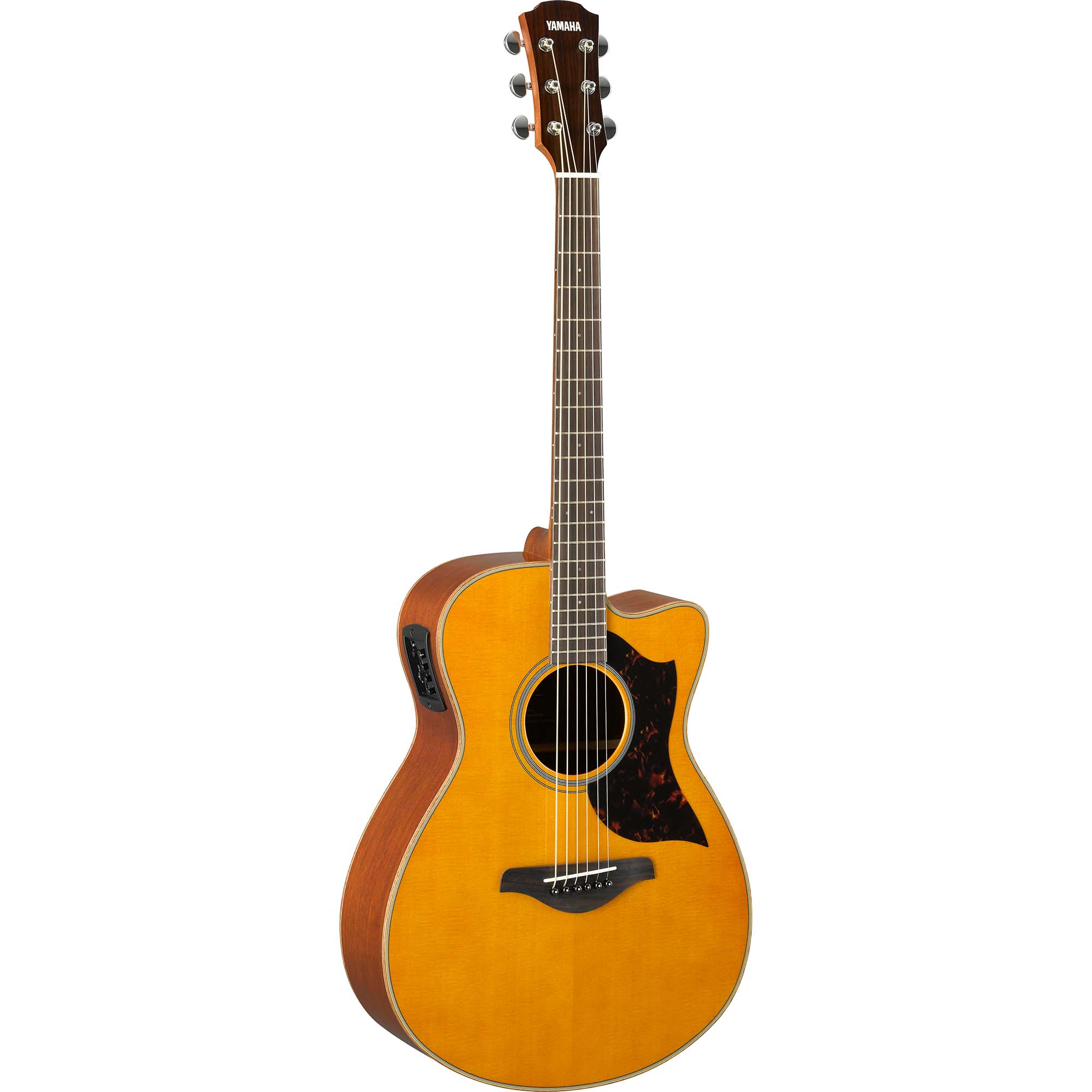
An acoustic-electric guitar is a regular acoustic guitar fitted with electronics. These electronics capture the strings’ vibrations and send the sound to an amplifier, PA system, audio interface, or mixer.
When it is unplugged, it works like a standard acoustic guitar. When connected to an amp or sound system, it becomes louder and easier to use on stage, in church, at open mic events, or during recording sessions.
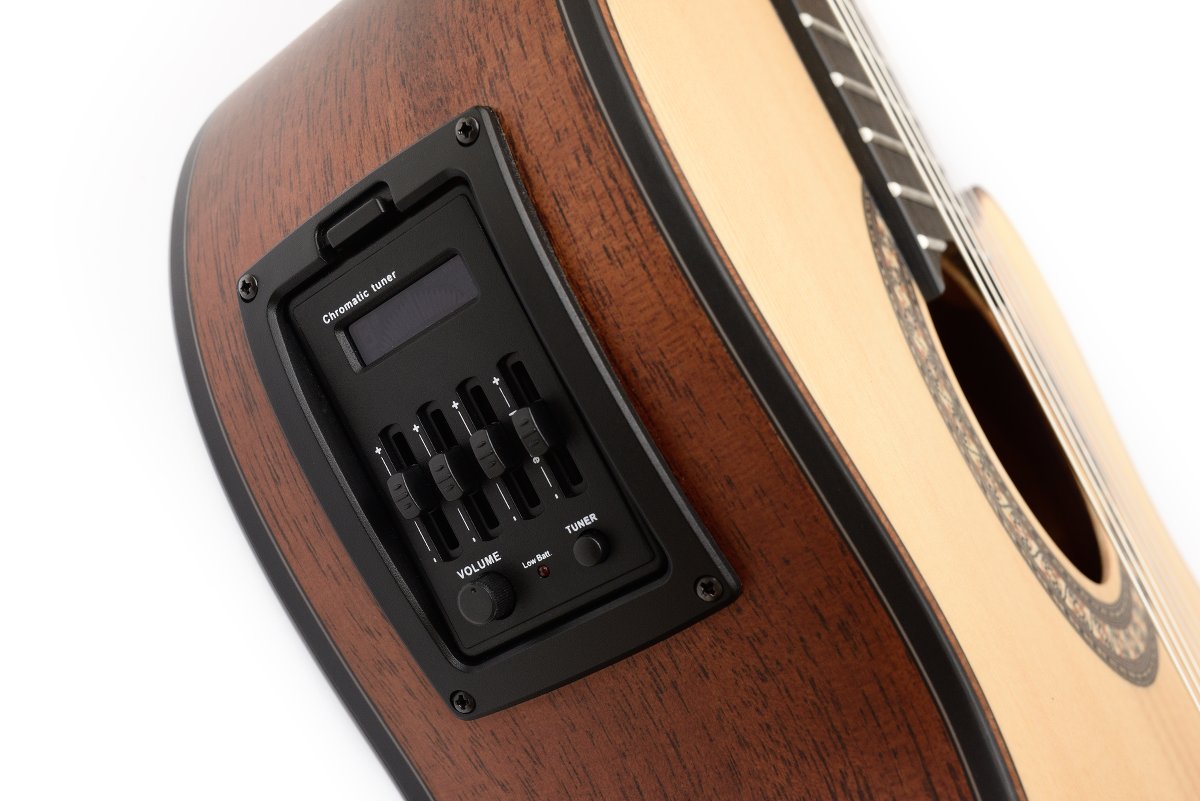
The key parts usually include:
• A pickup that detects string vibrations
• A preamp that shapes and strengthens the signal
• A quarter-inch output jack for an instrument cable
• Volume and tone controls
• A battery compartment for the preamp
Some models also include a built-in tuner, equalizer, phase switch, or feedback control. These features vary by brand and price range.
How Does an Acoustic-Electric Guitar Work?
The basic process is simple. Your strings vibrate when you play, the pickup senses those vibrations, and the preamp sends the signal through the output jack.
Think of the pickup as a microphone for the guitar. However, not every pickup works like a normal microphone. Different pickup types sense sound in different ways.
Common Pickup Types
Under-Saddle Piezo Pickup
An under-saddle piezo pickup sits beneath the guitar’s saddle. It senses pressure from the vibrating strings and converts that movement into an electrical signal.
This type is common because it resists feedback better than many microphones. Its sound can be bright or slightly sharp if the preamp is not adjusted well.
Soundhole Magnetic Pickup
A soundhole pickup fits across the soundhole. It works in a way similar to an electric guitar pickup by sensing the movement of steel strings.
It is easy to install and remove, but it may sound less natural than other systems. It also does not work properly with nylon strings unless designed for them.
Internal Microphone
An internal microphone captures the guitar’s air movement and body resonance. It often gives a more natural sound, but it can pick up feedback at high volume.
Many high-end guitars use a microphone with another pickup. This blended system can sound more full and realistic.
Contact Pickup
A contact pickup attaches to the guitar’s top or body. It detects vibrations from the wood itself.
Its placement matters a great deal. A poorly placed contact pickup may sound thin, boomy, or uneven across the strings.
The Role of the Preamp
The preamp controls the signal before it reaches an amplifier or PA system. It may include:
• Volume control
• Bass control
• Middle control
• Treble control
• Built-in tuner
• Notch filter
• Phase switch
The preamp does not automatically make a guitar sound better. It gives you more control over the signal. A good pickup through a poor sound system may still sound weak, while a simple pickup through a quality PA can sound very good.

Acoustic Guitar vs. Acoustic-Electric Guitar
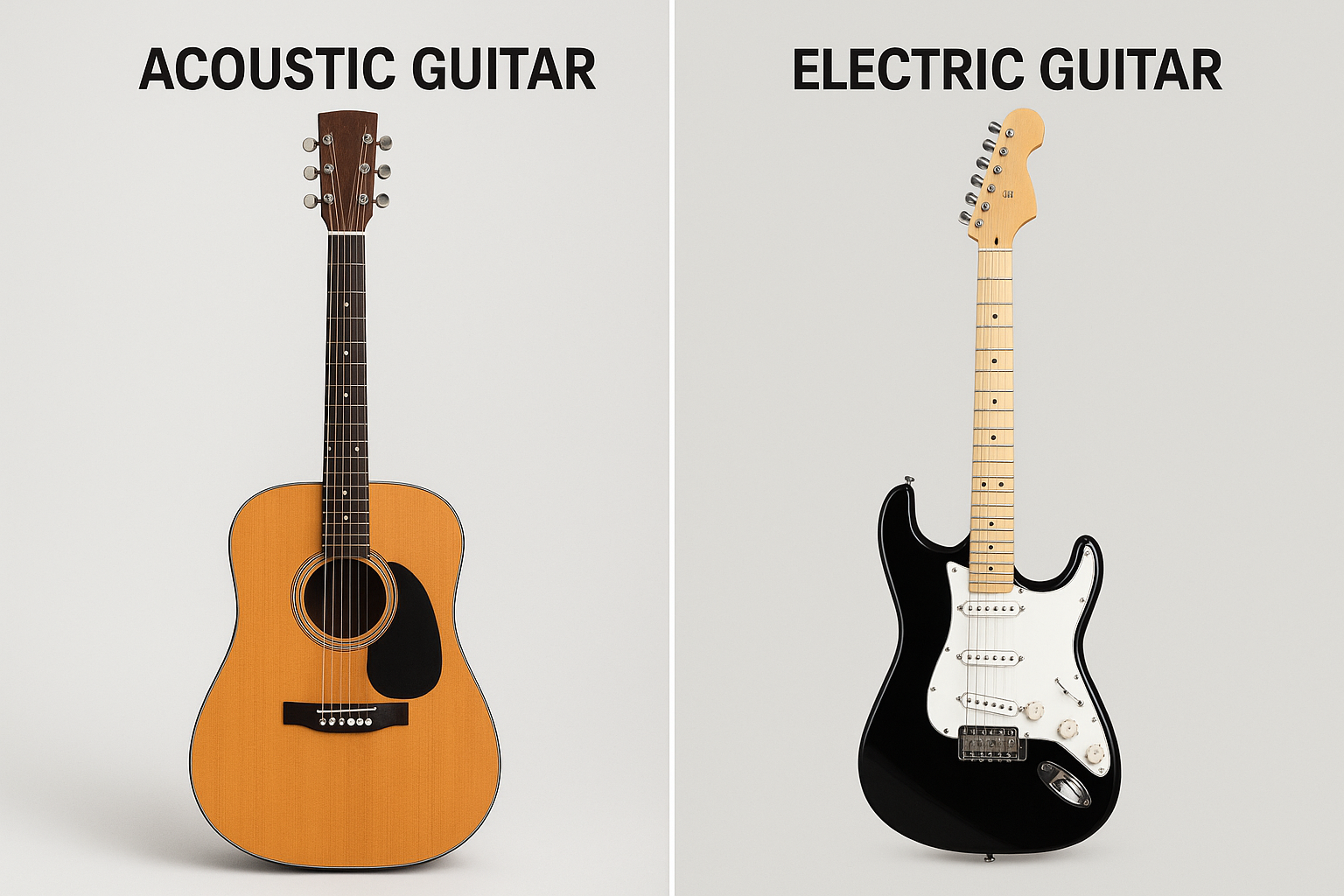
The main difference is the built-in amplification system. A standard acoustic guitar produces sound through its body alone. An acoustic-electric guitar can do that too, but it can also send its sound to external equipment.
Here is a simple comparison:
| Feature | Acoustic Guitar | Acoustic-Electric Guitar |
|---|---|---|
| Unplugged sound | Yes | Yes |
| Built-in pickup | Usually no | Usually yes |
| Connects to an amplifier | Not without extra gear | Yes |
| Stage use | May need a microphone | Easy to plug in |
| Battery needed | No | Usually yes |
| Price | Often lower | Often higher |
An acoustic-electric guitar is not the same as a hollow-body electric guitar. A hollow-body electric guitar usually needs an amplifier for its main sound. An acoustic-electric guitar is designed to sound complete even when it is not plugged in.
This difference matters when shopping. Some beginners buy an acoustic-electric guitar expecting an electric guitar tone. Instead, they get an amplified version of an acoustic sound.

What Does an Acoustic-Electric Guitar Sound Like?
Unplugged, an acoustic-electric guitar can sound just like a normal acoustic guitar. Its tone depends on the wood, body shape, strings, bracing, setup, and playing style.
When plugged in, the sound may change. Piezo pickups often create a clear and direct tone. Internal microphones tend to sound more open and natural. Magnetic pickups may offer a warmer and smoother character.
The amplified sound is also shaped by the equipment around the guitar. Your cable, preamp settings, amplifier, PA speaker, room, and playing position all matter.
In my experience, many players judge a guitar only by its unplugged tone. That is a mistake if you plan to perform. Always test the guitar through a speaker at a realistic volume. A guitar that sounds beautiful in a quiet store may produce unwanted feedback on stage.
Benefits of an Acoustic-Electric Guitar
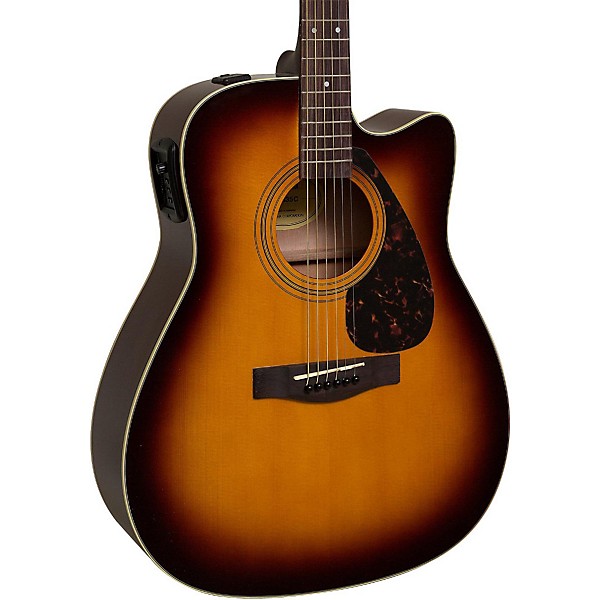
An acoustic-electric guitar offers several practical advantages for players at different skill levels.
Easy Stage Performance
You can connect the guitar directly to a PA system or acoustic amplifier. This removes the need to place a microphone in front of the soundhole.
That freedom helps when you move around while playing. It also makes setup faster during rehearsals and live shows.
Useful for Solo and Group Playing
An acoustic guitar may sound loud enough in a quiet room. It can struggle, however, when playing with drums, electric guitars, or a large group.
An acoustic-electric guitar lets you match the volume of other instruments without hitting the strings too hard.
Good for Recording
You can record the guitar through an audio interface. You can also combine the pickup signal with a microphone placed in front of the guitar.
This creates more options during mixing. The pickup gives a clean and steady signal, while the microphone adds air and body.
Convenient Built-In Tuner
Many acoustic-electric guitars include a tuner in the preamp. This is useful before practice, rehearsal, or performance.
A built-in tuner may not be as precise as a dedicated pedal or clip-on tuner, but it is convenient when you need a quick check.
Flexible Sound Control
The tone controls let you adjust the guitar for different rooms and speakers. You may reduce bass in a boomy room or add treble when the sound feels dull.
These controls cannot replace good technique or a proper setup. They can, however, solve small problems quickly.

Limitations of an Acoustic-Electric Guitar
An acoustic-electric guitar is useful, but it is not perfect for every player or situation.
It Usually Costs More
The pickup, preamp, wiring, and output jack add to the price. If you only play at home, you may not need these extra parts.
A standard acoustic guitar may offer better wood, construction, or playability at the same price.
Batteries Can Fail
Most preamps use a 9-volt battery or a pair of smaller batteries. A weak battery can cause low volume, distortion, or no sound at all.
Keep a spare battery in your case. Also unplug the cable after playing because some systems stay active while a cable is inserted.
Feedback Can Be a Problem
Feedback happens when amplified sound from the speaker returns to the guitar and becomes louder in a loop. It may create a loud hum, howl, or rumble.
Feedback is more likely with internal microphones and high stage volume. Careful speaker placement and a soundhole cover can help.
Plugged-In Tone May Sound Different
Some pickup systems produce a more natural sound than others. An inexpensive piezo system may sound thin or harsh until you adjust the equalizer.
This does not always mean the guitar is poorly made. The pickup, preamp, amplifier, and room may all contribute to the sound.
Electronics Need Care
The output jack can become loose. Battery contacts can corrode. Internal wires can disconnect after years of use or rough handling.
Most repairs are manageable, but they can add cost. Inspect the electronics before buying a used guitar.

Types of Acoustic-Electric Guitars
Acoustic-electric guitars come in many body shapes and construction styles. The right type depends on comfort, tone, and purpose.
Dreadnought
A dreadnought has a large body and strong bass response. It works well for strumming and can produce high volume without amplification.
Its large size may feel uncomfortable for smaller players. Sit with one for several minutes before buying.
Concert and Grand Concert
These smaller bodies feel comfortable and balanced. They often have a focused sound that works well for fingerpicking.
They may not produce as much low-end power as a dreadnought, but they can be easier to play for long sessions.
Auditorium and Grand Auditorium
These bodies offer a middle ground. They provide enough bass for strumming and enough balance for fingerstyle playing.
This shape is a strong choice for players who use several techniques.
Jumbo
A jumbo guitar has a large, rounded body with a powerful voice. It is a popular option for players who want strong projection and full chords.
Its size can make it harder to hold, especially for people with shorter arms or smaller frames.
Cutaway Models
A cutaway removes part of the upper bout near the neck. This gives easier access to the higher frets.
A cutaway may slightly change the body’s resonance, but the practical benefit is valuable for lead playing and higher chord shapes.
Nylon-String Models
Nylon-string acoustic-electric guitars are common in classical, flamenco, Latin, and fingerstyle music. They need a pickup system made for nylon strings.
A steel-string pickup may not work correctly with a nylon-string guitar. Always confirm that the electronics match the string type.
What to Look for When Buying One
Choosing an acoustic-electric guitar is easier when you test the whole instrument, not only its appearance.
Check the Unplugged Tone
Play open chords, single notes, and light fingerpicking. Listen for even volume across all six strings.
The sound should not have sudden dead notes or harsh rattles. A guitar does not need to be expensive to sound good, but it should respond evenly.
Test the Neck
Run your hand along the neck. It should feel comfortable and free from sharp fret ends.
Play notes at several positions. Buzzing can sometimes be fixed with a setup, but serious neck problems may be expensive to repair.
Plug It In
Connect the guitar to an amplifier or PA system. Test the volume and every tone control.
Listen for:
• Excessive hiss
• Crackling when turning knobs
• Weak output
• Uneven string volume
• Sudden feedback
• A dead tuner or display
Inspect the Bridge and Saddle
The bridge should be firmly attached to the top. The saddle should not lean forward or look loose.
Damage in this area can affect tone, tuning stability, and structural strength.
Consider Your Body Size
A comfortable guitar encourages you to play more often. If the body feels too large, your shoulders may tense up and your picking arm may become tired.
Try different body shapes while seated and standing. Comfort is not a small detail; it affects your progress.
Think About Your Main Use
Choose based on how you will play:
• Home practice: Focus on comfort and unplugged tone.
• Live performance: Prioritize feedback control and reliable electronics.
• Recording: Consider a quality pickup or a blended pickup and microphone system.
• Worship or group playing: Look for balanced tone and simple controls.
• Travel: Consider a smaller body and a strong case.
How to Connect an Acoustic-Electric Guitar
Connecting one is simple.
-
Insert a fresh battery if the preamp requires one.
-
Plug a standard instrument cable into the guitar’s output jack.
-
Connect the other end to an acoustic amplifier, mixer, PA system, or audio interface.
-
Turn down the amplifier volume before switching on the guitar.
-
Raise the volume slowly and adjust the tone controls.
-
Use the sound system’s equalizer to make small changes.
Avoid extreme equalizer settings. Large boosts can create feedback and make the sound less natural.
For recording, an audio interface gives you a direct signal. You can record that signal alone or combine it with a microphone track. The direct signal is clean and reliable, while the microphone captures more of the guitar’s natural air.
Tips for Better Amplified Tone
A good amplified tone starts with careful setup.
Reduce Unwanted Bass
If the guitar sounds boomy, lower the bass slightly. This often happens in small rooms or near walls.
Do not remove all the low end. The goal is a clear bass response, not a thin sound.
Control Harsh Treble
If the sound is sharp or brittle, reduce the treble. You can also move your picking hand closer to the neck for a softer attack.
Fresh strings may sound bright at first. Give them time to settle before making large tone changes.
Use the Phase Switch
Some preamps include a phase switch. It can reduce certain feedback problems when the guitar is connected to a PA system.
Try both settings at performance volume. Choose the one with less low-frequency rumble or feedback.
Position the Speaker Carefully
Do not point the speaker directly at the guitar’s soundhole. Place it to the side or slightly behind you when possible.
A soundhole cover can also help during loud performances. It may change the unplugged sound, so remove it when playing without amplification.
Keep Your Picking Consistent
A pickup reveals uneven playing more clearly than you may expect. Practice with a steady attack and relaxed hand.
In live settings, many tone problems come from inconsistent technique rather than the guitar itself.
Maintenance and Care
Proper care keeps the guitar and its electronics reliable.
• Store it in a case or padded gig bag.
• Keep it away from extreme heat and sudden humidity changes.
• Replace the battery before important performances.
• Unplug the cable after playing.
• Wipe strings and hardware with a clean, dry cloth.
• Check the output jack if the sound cuts in and out.
• Have the guitar set up if the action becomes uncomfortable.
Wood responds to changes in humidity. Very dry conditions can cause cracks, sharp fret ends, or a sinking top. Very damp conditions can make the guitar sound muted and feel difficult to play.
A small hygrometer in the case can help you monitor the environment. If you notice a crack or major change in the neck, take the instrument to a qualified repair technician rather than trying to force a quick fix.
Common Mistakes to Avoid
New players often make a few avoidable mistakes with an acoustic-electric guitar.
Buying Only for Appearance
A beautiful finish does not guarantee good tone or comfortable playability. Always play the guitar and inspect its neck, frets, bridge, and electronics.
Ignoring the Pickup System
Two guitars at the same price can have very different amplified sounds. Test the pickup before making a decision.
Using the Wrong Cable
Use a standard instrument cable with a quarter-inch plug. A damaged or poor-quality cable can create noise that seems like a guitar problem.
Leaving the Cable Plugged In
Many preamps draw power when the cable is connected. Leaving it plugged in can drain the battery.
Turning Every Control to Maximum
Maximum bass, middle, and treble rarely creates the best sound. Start with flat settings, then make small changes.
Skipping a Professional Setup
A basic setup can improve tuning, action, intonation, and comfort. A well-set-up affordable guitar may feel better than an expensive guitar with poor adjustment.
Who Should Buy an Acoustic-Electric Guitar?
An acoustic-electric guitar is a smart choice if you plan to perform, record, or play with other instruments.
It suits:
• Singer-songwriters
• Worship musicians
• Open mic performers
• Campfire and event musicians
• Home recording artists
• Players who want one flexible instrument
It may not be necessary if you only practice alone in a quiet room. In that case, putting more money into a comfortable neck and strong acoustic tone may provide greater value.
For many beginners, an acoustic-electric model still makes sense. You can learn unplugged at home and connect to an amplifier later. Just remember that the electronics should be treated as a useful feature, not the only reason to buy the guitar.
Frequently Asked Questions About What Is an Acoustic Electric Guitar
Is an acoustic-electric guitar good for beginners?
Yes. An acoustic-electric guitar can be a good beginner instrument because it works unplugged and can be amplified later. Choose one with comfortable action, a manageable body size, and a reliable neck.
Can you play an acoustic-electric guitar without an amp?
Yes. An acoustic-electric guitar produces sound through its wooden body just like a standard acoustic guitar. The amplifier is only needed when you want more volume or a connected recording signal.
Does an acoustic-electric guitar sound like an electric guitar?
Usually, no. It produces an amplified acoustic tone, while an electric guitar uses magnetic pickups, solid-body construction, and often effects to create a different sound.
Do acoustic-electric guitars need batteries?
Most models with active preamps need batteries. Some passive pickup systems do not, so check the guitar’s specifications before buying.
Can you use an acoustic-electric guitar with a regular guitar amp?
You can, but an acoustic amplifier or full-range PA speaker often gives a more natural sound. A regular electric guitar amp may add coloration and can make the acoustic tone sound less accurate.
Is an acoustic-electric guitar better than a regular acoustic guitar?
Neither is always better. An acoustic-electric guitar is more flexible for performances and recording, while a regular acoustic guitar may cost less and have fewer parts that need maintenance.
Can you add electronics to a normal acoustic guitar?
Yes. A guitar technician can install a soundhole pickup, under-saddle pickup, contact pickup, or internal microphone. Installation quality matters, especially when drilling for an output jack or fitting an under-saddle system.
Conclusion
An acoustic-electric guitar is an acoustic instrument with a pickup and preamp built in. It gives you the natural sound of an acoustic guitar while allowing you to connect to an amplifier, PA system, mixer, or recording interface.
The best choice depends on your playing style, body comfort, pickup quality, stage needs, and budget. Test the guitar unplugged and plugged in, inspect the neck and bridge, and keep spare batteries and a reliable cable in your case.
If you are ready to buy, visit a music store and compare several body shapes and pickup systems. Play them at a realistic volume, trust your hands and ears, and share your experience or questions in the comments.

Senior Music Reviewer
Alex Carter is a seasoned music reviewer with over a decade of experience in the world of sound and instruments. Passionate about helping musicians and enthusiasts make informed choices, he brings sharp insights and in-depth knowledge to every review. From classical instruments to modern gear, Alex combines technical expertise with a love for music to deliver content that resonates with readers.
As a Senior Music Reviewer and expert author on Tuneluma.com, Alex is dedicated to sharing honest evaluations, practical advice, and thoughtful commentary to guide readers in their musical journey.