How To Avoid Finger Pain When Starting Guitar Practice: Now
Build calluses slowly, use proper technique, and rest — that prevents most beginner finger pain.
I’ve taught and practiced guitar for years. I know how painful the first weeks can feel. This article explains how to avoid finger pain when starting guitar practice with clear steps you can use today. You’ll get practical setup tips, warm-ups, practice plans, and recovery advice based on experience and simple science. Read on and protect your fingers while you learn.

Why your fingers hurt when starting guitar practice
Fingertip soreness is the body’s natural response to new pressure and friction. When you press strings, tiny tears form in the skin and soft tissue. The nerves react and you feel pain. Over time the skin thickens into callus and the tissue adapts.
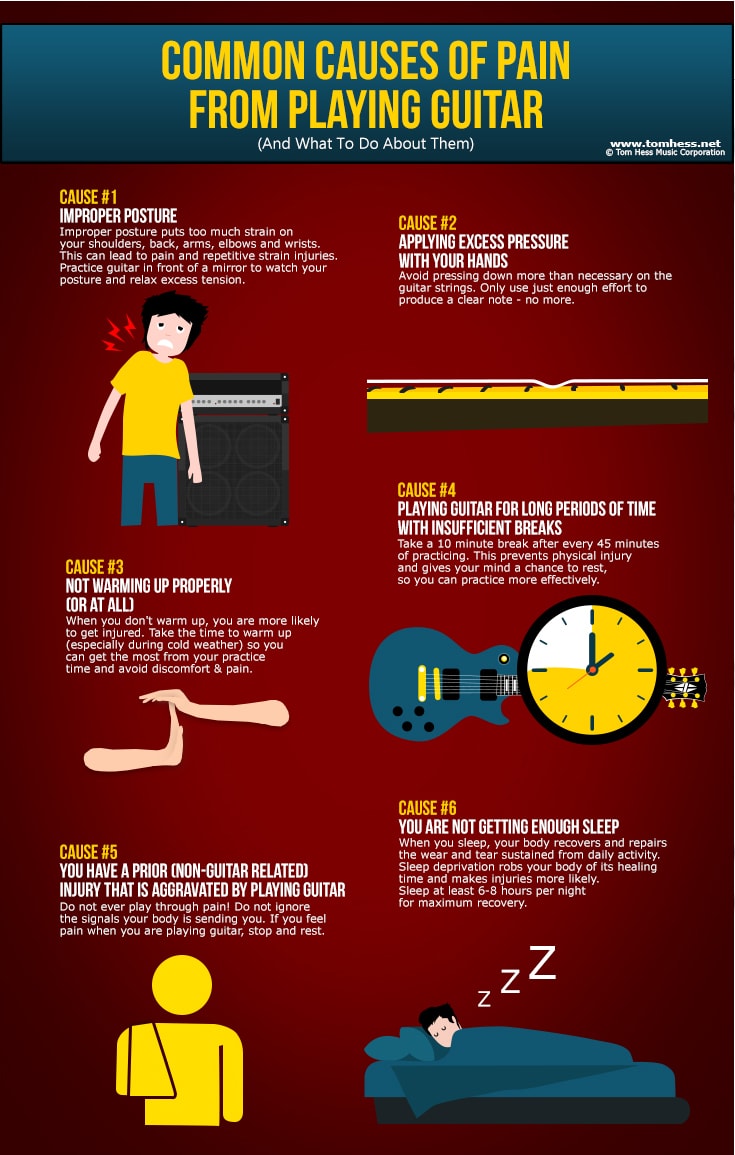
Other causes add to the pain. Poor hand position, heavy gauge strings, high action, or pressing too hard all make soreness worse. Repetitive practice without rest can inflame tendons and joints. Knowing the causes helps you fix them fast.

How to avoid finger pain when starting guitar practice: practical steps
Start slow. Short, regular sessions help your skin and tendons adapt. Use light strings and low action at first. Focus on correct technique and build calluses gradually. Below are clear actions you can follow to avoid finger pain when starting guitar practice.
-
Warm up for 3–5 minutes before each session.
Simple finger stretches and chromatic scales loosen joints and increase blood flow. -
Use lighter gauge strings.
Lighter strings need less pressure. They lower the chance of sharp fingertip pain when starting guitar practice. -
Lower the action or adjust the setup.
A well-setup guitar takes less force to fret. A tech can lower action, or you can use tools to make light setup tweaks. -
Practice in short bursts.
Do 10–15 minute focused runs. Rest 10–20 minutes between blocks to prevent overload. -
Press only as hard as needed.
Aim for clean notes with minimal pressure. Over-pressing causes unnecessary pain and slows building proper technique. -
Build calluses slowly.
Aim for daily short practice rather than long, painful sessions. Calluses develop in weeks, not days. -
Use technique drills.
Work on finger independence, accurate placement close to frets, and economy of motion to reduce pressure. -
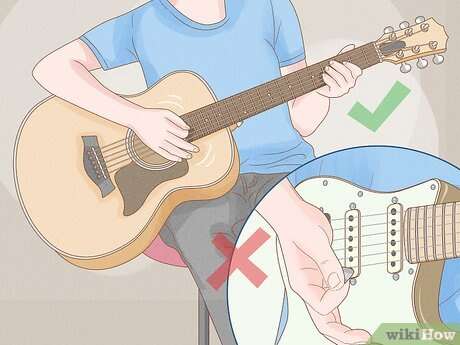
Apply proper posture and thumb placement.
Keep the thumb behind the neck. Avoid wrapping it over the top unless required by style. Good posture reduces strain. -
Manage pain and inflammation.
If fingers are hot or swollen, use ice for 10–15 minutes and rest. Over-the-counter anti-inflammatory meds can help, but use them sparingly.
Quick questions people ask about how to avoid finger pain when starting guitar practice
How long before calluses form?
Most beginners notice calluses in 1–3 weeks of short, regular practice. Calluses thicken over months.
Can I speed up building calluses?
You can encourage callus formation by practicing daily in short sessions, but don’t rush with long sessions that cause raw skin.
Should I use finger protectors or gloves?
Finger protectors reduce pain but slow callus building and dexterity. Use them sparingly for short-term relief.

Common mistakes that cause finger pain and how to fix them
Many beginners repeat avoidable mistakes. Fix these to reduce pain fast.
-
Holding the guitar too tightly.
Relax your grip. A loose, controlled hand uses less force. -
Pressing far from the fret.
Place fingers close to the fret wire to need less pressure. -
Using heavy strings with high action.
Switch to lighter strings and get a basic setup if fretting feels hard. -
Skipping warm-ups and rest.
Cold fingers and long continuous practice lead to soreness and inflammation. -
Ignoring sharp or lingering pain.
Pain that persists beyond mild soreness can signal tendinitis or nerve irritation; rest and consult a professional if needed.

Tools, gear, and exercises that help prevent fingertip pain
Right gear and simple exercises make a big difference for how to avoid finger pain when starting guitar practice.
Tools and gear
-
Lighter gauge string sets for beginners.
Example: 9–42 or 10–46 acoustic sets or light electric sets. -
A tuner and metronome.
Help you practice efficiently with short, focused reps. -
A setup or adjustment from a tech.
Lowered action and smooth frets reduce required finger pressure. -
Finger protectors and liquid bandage.
Use briefly for performance or to protect a healing spot.
Exercises
-
Slow chromatic runs across strings and frets for 5–10 minutes.
Builds endurance without strain. -
Spider exercises for finger independence.
Use small ranges of motion and keep fingers close to the fretboard. -
Palm and forearm stretches after practice.
Reduce tension and speed recovery. -
Controlled bending and vibrato practice.
Build strength gradually with low reps.
Personal experience: lessons I learned about avoiding beginner finger pain
When I started, I pushed long hours and ended with raw fingertips and a blister. I learned to change my routine and kept playing. Short sessions helped me build calluses without injury. I switched to lighter strings and asked for a setup. The change was immediate.
A lesson that stuck: technique beats toughness. Proper thumb placement and fretting near the fret saved me time. I also found that tracking pain, rest, and tiny adjustments to practice kept me playing consistently. Use those small wins to stay motivated.
PAA-style quick answers (People also ask)
Q: Will soaking fingers in water help calluses?
A: Brief soaking softens skin and can make raw spots less sharp, but it won’t speed callus formation. Let skin dry and avoid over-soaking.
Q: Is it normal to feel soreness for weeks?
A: Yes. Mild soreness for several weeks is normal as tissues adapt. Severe or sharp pain needs rest and evaluation.
Q: Can warming up eliminate pain entirely?
A: Warming up reduces pain and risk of injury but won’t remove soreness caused by overuse or poor setup.

Frequently Asked Questions of how to avoid finger pain when starting guitar practice
How often should I practice to avoid finger pain?
Practice daily in short blocks of 10–20 minutes. Consistent short sessions build calluses and strength without overload.
Are calluses necessary to play guitar pain-free?
Calluses help reduce pain, but good technique and a proper setup matter more. Calluses are one part of the solution.
When should I see a doctor for finger pain?
See a doctor if pain is sharp, swollen, causes numbness, or lasts more than a few weeks despite rest. These signs may indicate tendon or nerve issues.
Can stretching prevent finger and hand injuries?
Yes. Gentle stretches before and after practice improve blood flow and reduce the chance of overuse injury.
Should beginners use a capo to reduce pressure?
A capo can lower the effective action and make fretting easier for certain keys. It is a useful short-term aid but not a long-term replacement for technique work.
Conclusion
Protecting your hands is key to long-term progress. Use light strings, a good setup, short daily practice, correct technique, and rest to avoid finger pain when starting guitar practice. Track your progress, listen to your body, and make small adjustments as you go. Try one change this week—lower your action, shorten sessions, or add a warm-up—and notice the difference. Share your experience or questions below, and keep playing.

Senior Music Reviewer
Alex Carter is a seasoned music reviewer with over a decade of experience in the world of sound and instruments. Passionate about helping musicians and enthusiasts make informed choices, he brings sharp insights and in-depth knowledge to every review. From classical instruments to modern gear, Alex combines technical expertise with a love for music to deliver content that resonates with readers.
As a Senior Music Reviewer and expert author on Tuneluma.com, Alex is dedicated to sharing honest evaluations, practical advice, and thoughtful commentary to guide readers in their musical journey.