Is Violin Hard To Learn For Beginners: Easy Guide
The violin is challenging for beginners, but steady practice and good guidance make it completely learnable.
Many people ask, “is violin hard to learn for beginners?” The honest answer is yes, at first. Unlike a piano, the violin has no marked keys to show where each note belongs. You must train your ear, fingers, bow hand, posture, and timing at the same time. Still, thousands of beginners learn to play simple songs within a few months by using the right instrument, teacher, and practice plan.
This guide explains what makes the violin difficult, how long learning may take, which mistakes to avoid, and how to make progress without feeling overwhelmed. It also draws on common teaching methods used by professional instructors, including ear training, gradual skill building, and consistent practice.
Is violin hard to learn for beginners?
Yes, the violin can be hard to learn for beginners, but “hard” does not mean impossible. It means the instrument demands several new skills at once. Your left hand finds notes, your right hand controls the bow, and your ears judge whether the sound is in tune.
The early sound may also feel rough. This is normal. A new player must learn how much bow pressure to use, where to place the bow, and how to keep it moving in a straight line. These skills take time to become natural.
The violin is often harder at the start than many beginner instruments. However, once basic posture, bow control, and finger placement improve, progress becomes more noticeable.
Why the violin has a steep early learning curve
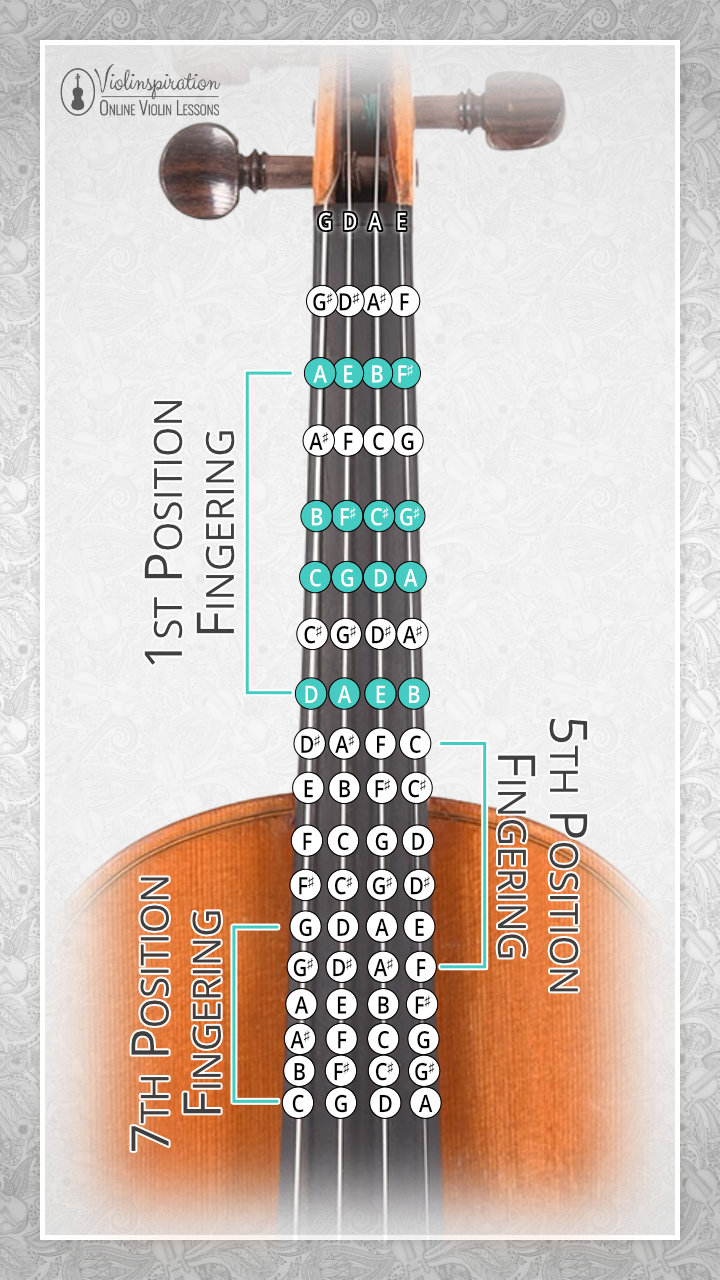
The violin has four strings: G, D, A, and E. Unlike a piano, it does not have frets or keys that visually guide every note. You need to develop muscle memory and a reliable musical ear.
Beginners must learn to:
• Hold the violin without creating tension
• Support the instrument with the chin and shoulder
• Move the bow smoothly across one string
• Place fingers in the right positions
• Read music or follow another form of notation
• Listen for pitch and correct mistakes
• Keep a steady rhythm
These skills are connected. Poor posture can affect bow control. Weak bow control can make good finger placement sound unclear. That is why a teacher often fixes small physical habits before teaching complex songs.
The encouraging part
The first few weeks can feel slow, but progress is rarely as invisible as it seems. You may move from harsh, scratchy notes to a short scale that sounds clear. Those small wins matter.
A beginner does not need perfect technique to enjoy the violin. You can play simple melodies, folk songs, movie themes, and hymns while your skills continue to grow.
What makes the violin difficult for beginners?
Several challenges make people wonder, is violin hard to learn for beginners? The main issue is not one single skill. It is the need to combine many small skills at the same time.
1. Producing a clear sound
The bow creates the violin’s sound. If it moves too quickly, too slowly, too close to the fingerboard, or with too much pressure, the tone may become weak or scratchy.
Think of the bow like a paintbrush. A skilled painter uses smooth, even strokes. A beginner may press too hard or change direction suddenly. Good sound comes from relaxed, controlled movement.
2. Playing in tune
The violin has no frets. Your fingers must land in precise places to produce the correct notes. A finger placed only slightly too high or too low can make a note sound sharp or flat.
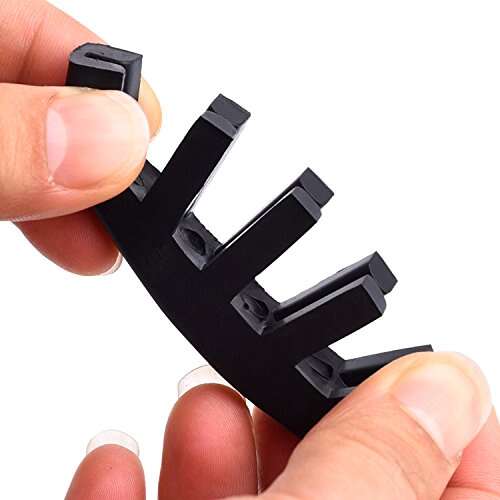
This is why ear training is so important. Beginners should not depend only on visual markers. Finger tapes can help at the start, but the long-term goal is to hear pitch accurately.
3. Coordinating both hands
The left hand and right hand perform different jobs. The left hand changes pitch, while the right hand creates tone and rhythm. At first, coordinating them can feel like writing with one hand while drawing with the other.
Simple exercises help. Play open strings with slow bows before adding left-hand fingers. Then practice short patterns rather than full songs.
4. Maintaining proper posture
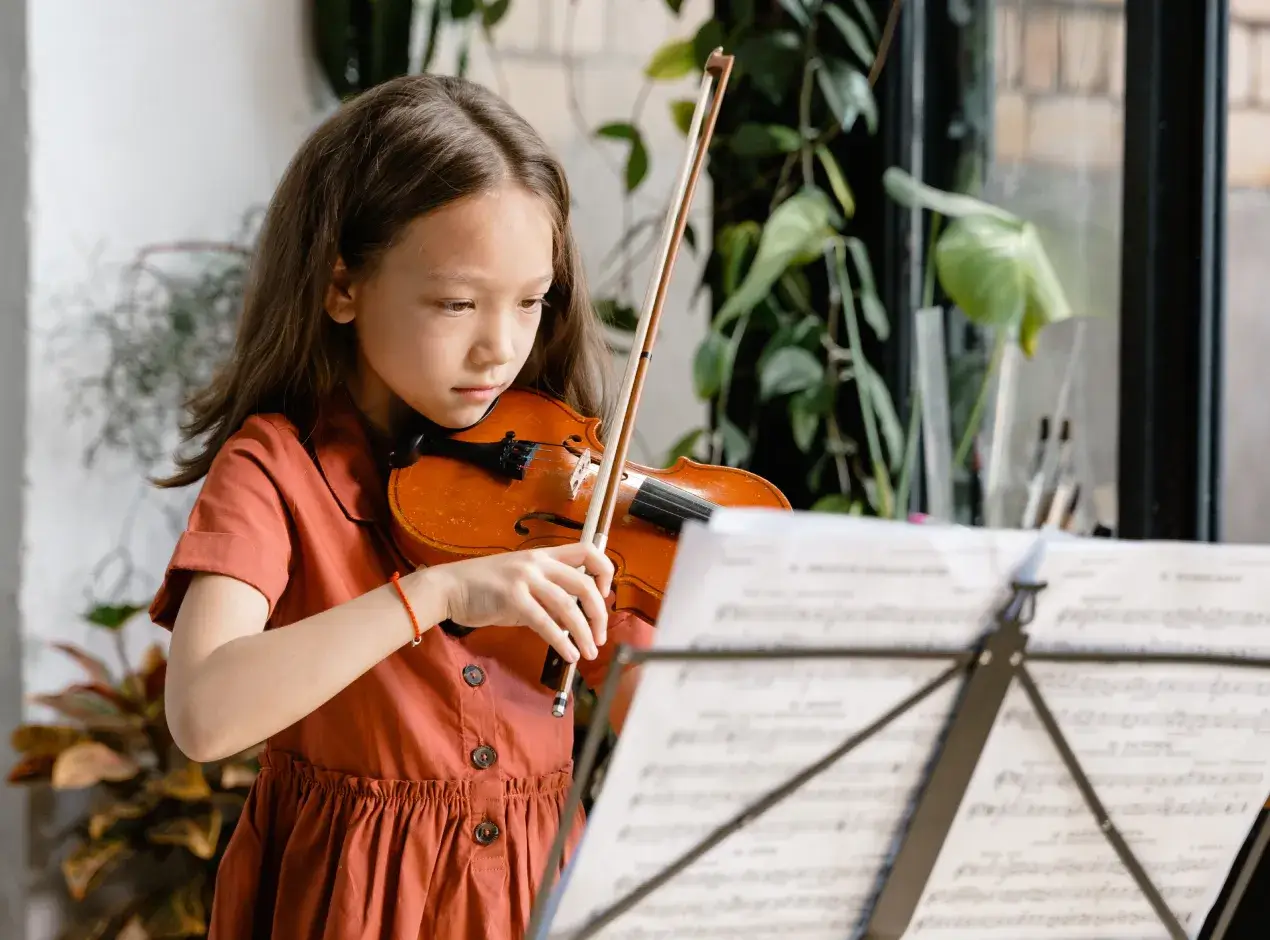
A violin should feel balanced, not squeezed. Common problems include lifting the shoulder, bending the wrist, gripping the bow tightly, or turning the head too far.
Tension causes fatigue and limits movement. A relaxed posture may feel strange at first, but it becomes easier with regular correction.
5. Reading music
Many violin students learn standard notation. This can seem difficult because the music shows both pitch and rhythm. The good news is that beginners do not need to learn every musical symbol at once.
A teacher can introduce notes slowly. Some students also begin with listening and imitation before adding music reading.
How long does it take to learn violin?
The answer depends on your age, practice time, teacher, musical background, and personal goals. There is no single timeline for every learner.
With focused practice, many beginners can play simple melodies within a few months. Reaching a comfortable intermediate level often takes one to three years. Advanced playing usually requires several more years of structured practice.
A realistic timeline may look like this:
• First month: Learn posture, bow grip, open strings, and basic rhythm
• Three months: Play simple melodies and beginner exercises
• Six months: Use more fingers, read easier music, and change strings with more control
• One year: Perform short pieces with improved tone and pitch
• Two to three years: Play more complex songs with stronger technique
These are general estimates, not promises. A student who practices 20 minutes most days may progress faster than someone who practices for two hours once a week.
Consistency matters more than occasional long sessions. The brain learns movement through repeated practice, much like learning to type or ride a bike.

How much should a beginner practice?
Most beginners benefit from 15 to 30 minutes of practice on most days. Young children may begin with shorter sessions, while motivated adults may practice longer if they stay relaxed and focused.
A useful beginner practice session can include:
- Two minutes of posture and relaxation checks
- Five minutes of open-string bowing
- Five minutes of finger exercises or scales
- Ten minutes of a lesson piece
- Three minutes reviewing one difficult section
Short practice sessions help prevent tension and frustration. Stop when your body feels strained or your attention drops sharply. Practice should challenge you, but it should not cause pain.
A simple practice journal can also help. Write down what you practiced, what improved, and what needs attention next time. This turns practice into a clear process instead of a vague struggle.
The importance of slow practice
Many beginners play too fast because they want to hear the whole song. Slow practice is more useful because it gives your brain time to control each movement.
Play a difficult passage at half speed. Focus on clean notes, steady bow changes, and relaxed hands. Increase the speed only when the passage feels secure.
Can adults learn the violin?
Adults can absolutely learn the violin. In fact, adult learners often have useful strengths, such as patience, clear goals, and the ability to understand musical explanations.
Adults may face different challenges. Work, family duties, and limited practice time can make consistency difficult. Some adults also judge themselves too harshly because they expect quick results.
The best approach is to set a practical goal. You might want to play a favorite song, join a community orchestra, or simply develop a new skill. A clear goal makes regular practice easier.
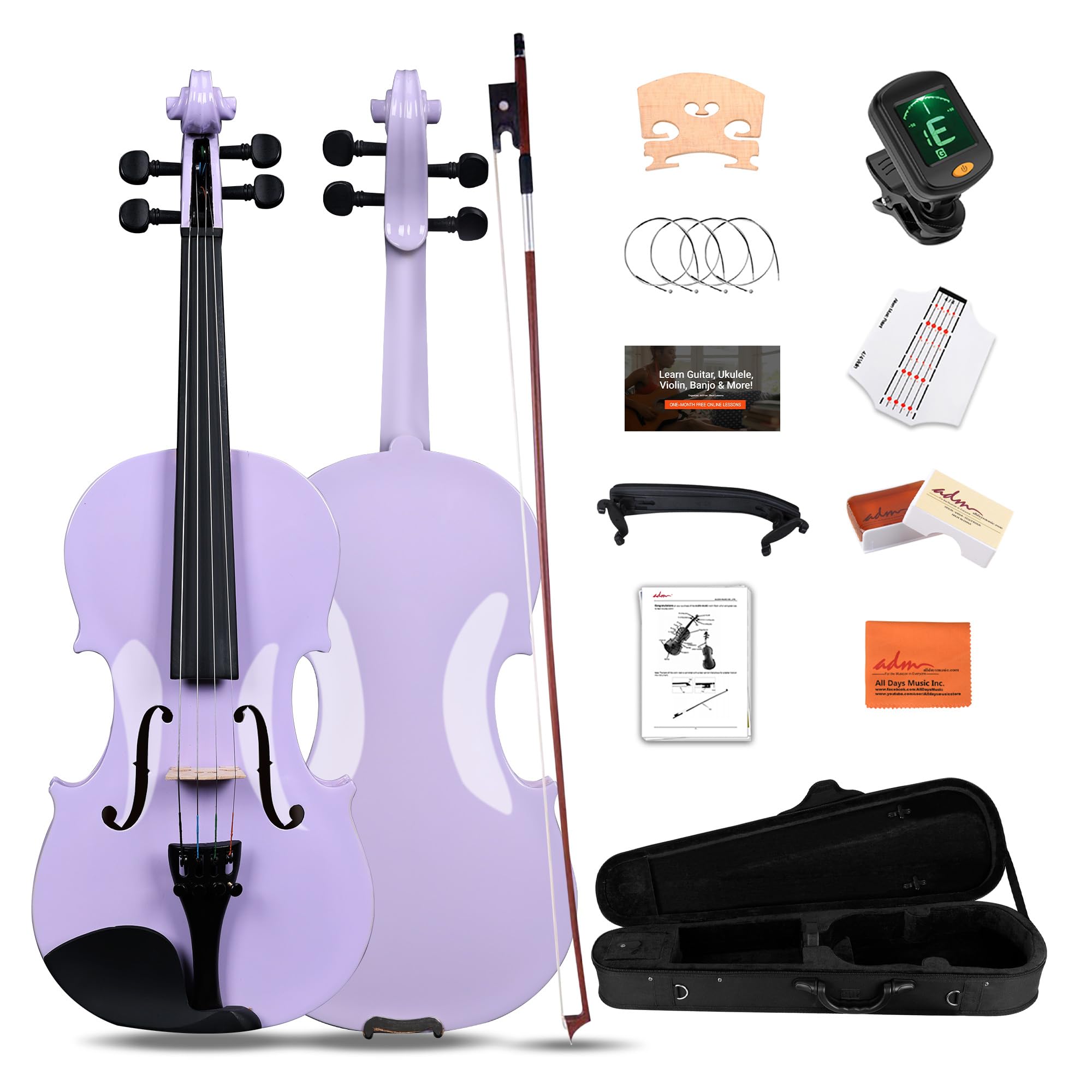
Adults should also choose a comfortable instrument setup. A violin that is poorly adjusted can make learning harder than it needs to be. A qualified teacher or violin shop can check the bridge, strings, pegs, and overall playability.
Learning violin as a child
Children can learn violin well, especially when lessons are supportive and practice remains enjoyable. Younger students often learn through repetition, games, listening, and short exercises.
Parents can help by creating a regular routine without turning every practice session into a battle. Praise effort, patience, and careful listening rather than demanding perfection.

Is a violin teacher necessary?
A teacher is not legally required, but professional guidance can make learning faster, safer, and more enjoyable. Online videos can show basic techniques, but they cannot always identify tension, poor alignment, or a weak bow angle.
A teacher can help you:
• Choose the correct violin size
• Set up the instrument properly
• Build healthy posture
• Correct mistakes before they become habits
• Select suitable exercises and songs
• Improve tone and intonation
• Stay motivated during slow periods
If private lessons are too expensive, consider group classes, community music programs, or online lessons with live feedback. A recorded course can provide structure, but direct feedback is usually more helpful for posture and bow technique.
When choosing a teacher, look for someone who works with beginners and explains the reason behind each exercise. A patient teacher should make you feel challenged, not embarrassed.

Common beginner violin mistakes to avoid
Many people who ask, is violin hard to learn for beginners, are dealing with avoidable problems. Good habits from the start can make the instrument feel much easier.
Holding the bow too tightly
A tight grip blocks smooth movement. Keep the fingers curved and flexible. The thumb should bend naturally rather than lock straight.
Practicing only songs
Songs are enjoyable, but technical exercises build the skills that make songs easier. Include scales, open-string practice, and rhythm work in each session.
Ignoring the sound
Some students watch their fingers so closely that they stop listening. Your ears are a vital guide. Listen for pitch, tone, rhythm, and unwanted noise.
Skipping warmups
Beginning with a difficult song can create tension. Start with slow bows and easy patterns first.
Buying the cheapest instrument
A very poor violin may have weak pegs, an uneven bridge, poor strings, or an uncomfortable setup. This can make a beginner believe the problem is their ability.
A student violin does not need to be expensive, but it should be playable and properly adjusted. Renting from a reputable music store is often a wise choice while you decide whether to continue.
Comparing yourself with advanced players
You are comparing your first steps with someone else’s years of work. Track your own progress instead. Record yourself once a month and listen for changes in tone, rhythm, and confidence.
A practical beginner plan for learning violin
A clear plan can make the answer to “is violin hard to learn for beginners?” feel less intimidating. Use small targets and review them often.
Weeks one and two
Focus on:
• Holding the violin and bow correctly
• Relaxing the shoulders and hands
• Playing open strings
• Keeping the bow straight
• Counting simple rhythms
Do not rush to play many songs. A clean open-string tone is a strong foundation.
Weeks three and four
Add:
• First-finger and second-finger patterns
• Simple scales
• Basic bow changes
• Short melodies
• Listening exercises for pitch
Use a tuner as a guide, but do not rely on it for every note. Train your ears as well.
Months two and three
Work on:
• More finger patterns
• String crossings
• Simple dynamics
• Slurs and separate bows
• Easy pieces that match your level
At this stage, many students begin to feel more comfortable holding the instrument. The sound may still vary, but control should improve.
After three months
Review your goals with your teacher. You may be ready for longer pieces, beginner ensemble playing, or a more detailed study of music reading.
Playing with others can improve rhythm and motivation. A beginner orchestra or informal music group can also make practice feel social.
Benefits of learning the violin
The violin can be demanding, but the effort offers meaningful rewards. It develops more than the ability to play songs.
Potential benefits include:
• Better listening and pitch awareness
• Stronger rhythm and coordination
• Improved patience and concentration
• A creative way to manage stress
• Opportunities to play with others
• A deeper understanding of music
Music learning can also support memory and attention, although results vary by person and by study design. Research on music education suggests that regular musical practice may support several cognitive and social skills, but it should not be treated as a guaranteed academic shortcut.
The most reliable benefit is personal. Learning an instrument gives you a structured way to practice, solve problems, and express emotion.
How to stay motivated when progress feels slow
Every violin learner has days when the instrument sounds worse than expected. That does not mean you are failing. Skill development often happens in steps, with quiet periods before a noticeable improvement.
Try these methods:
• Set one small goal for each practice session
• Record short clips to track progress
• Play easy songs you genuinely enjoy
• Take occasional lessons with a qualified teacher
• Practice slowly instead of forcing speed
• Celebrate clean notes and steady rhythm
• Take a short break when frustration becomes intense
One lesson I often emphasize to beginners is that practice quality matters more than practice drama. A calm 20-minute session can teach more than an exhausting two-hour session filled with tension.
Be patient with the early sound. Every skilled violinist once produced squeaks, missed notes, and uneven bow strokes.
Frequently Asked Questions About Is Violin Hard to Learn for Beginners
Is violin harder to learn than piano?
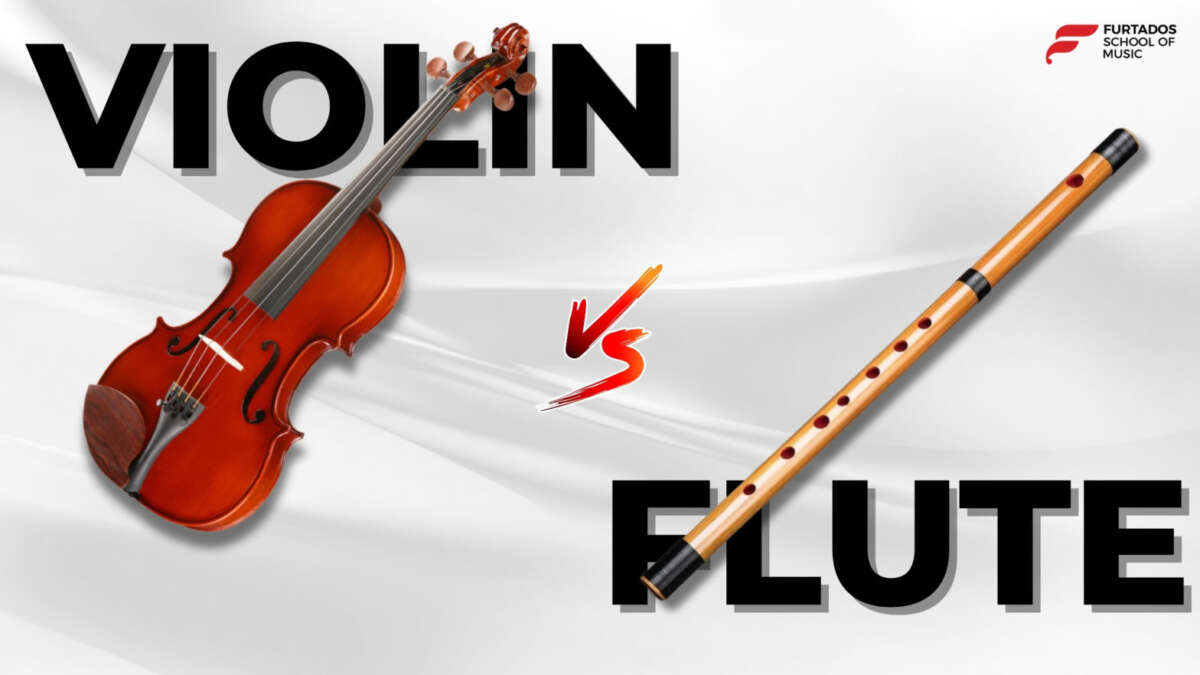
The violin may feel harder at the beginning because it has no keys or frets to guide pitch. Piano notes are easier to locate, but both instruments require time, coordination, and regular practice.
Can I teach myself violin?
You can learn some basics through books and videos, especially if you use reliable instruction. However, a teacher can spot posture, bow, and intonation problems that are difficult to notice by yourself.
How long should a beginner practice violin each day?
Start with 15 to 30 focused minutes on most days. Regular practice is usually more effective than one long session each week.
Is violin too hard for an adult beginner?
No. Adults can learn violin successfully with realistic goals and a steady routine. Progress may be gradual, but age does not prevent you from developing technique and musical skill.
Should beginners use finger tapes on the violin?
Finger tapes can help new players learn basic positions, but they should not replace ear training. Remove them gradually as your fingers and ears become more accurate.
What is the best age to start learning violin?
There is no single best age. Children may benefit from early instruction, while teens and adults can learn effectively with clear goals and consistent practice.
Conclusion
So, is violin hard to learn for beginners? Yes, the early stage can be demanding because you must develop posture, bow control, finger placement, rhythm, and pitch at the same time. Yet the process becomes much easier with a properly adjusted instrument, patient instruction, short daily practice, and realistic goals.
Do not wait for perfect sound before you enjoy the violin. Start with one clear goal, practice slowly, and measure progress from week to week. Explore beginner lessons, find a supportive teacher, and share your learning journey or questions in the comments.

Senior Music Reviewer
Alex Carter is a seasoned music reviewer with over a decade of experience in the world of sound and instruments. Passionate about helping musicians and enthusiasts make informed choices, he brings sharp insights and in-depth knowledge to every review. From classical instruments to modern gear, Alex combines technical expertise with a love for music to deliver content that resonates with readers.
As a Senior Music Reviewer and expert author on Tuneluma.com, Alex is dedicated to sharing honest evaluations, practical advice, and thoughtful commentary to guide readers in their musical journey.