What Are Violin Bows Strung With: Materials Explained
Introduction
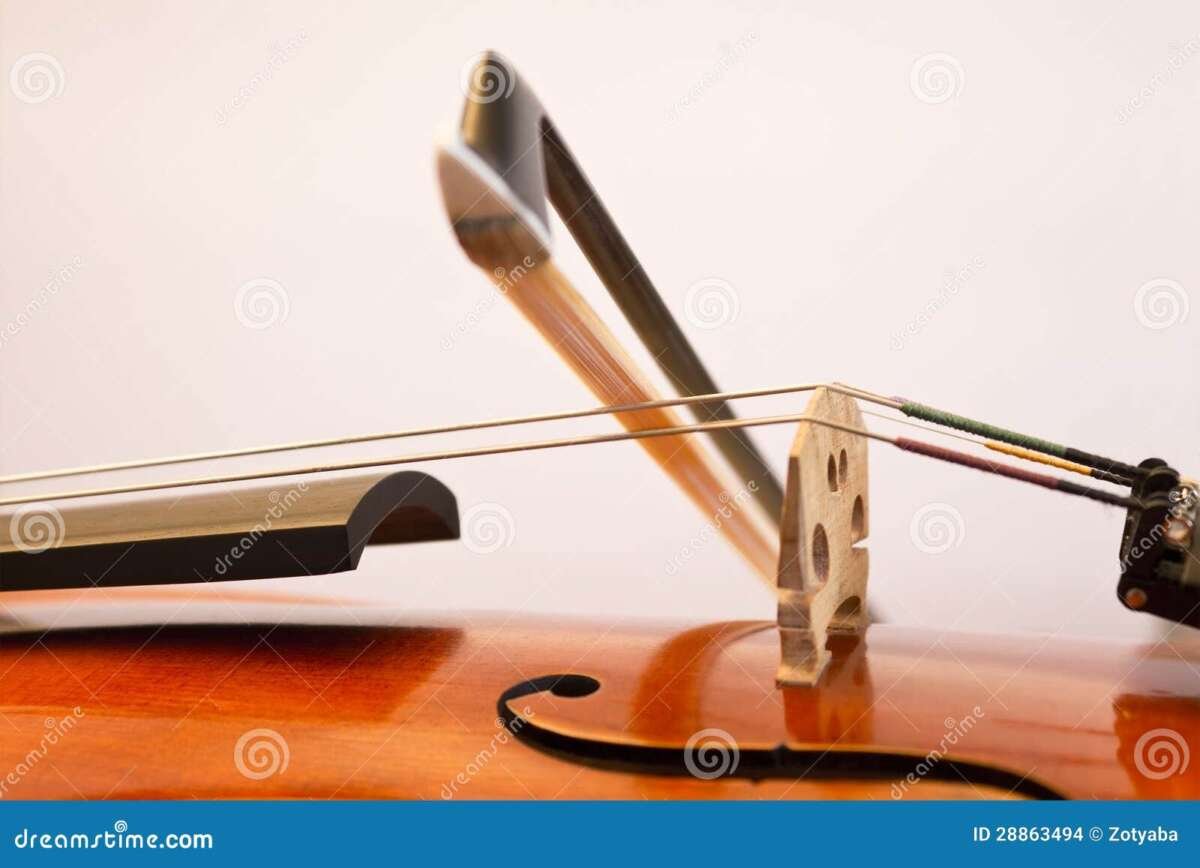
For violinists in the United States, a standard violin bow is usually strung—or more accurately, haired—with natural horsehair from a horse’s tail. The hair runs from the frog to the tip and grips the strings when coated with rosin.
Some bows use synthetic hair, often made from engineered fibers. Synthetic hair can work well for students, electric violins, and some specialty bows, but professional players often prefer natural horsehair because of its familiar grip, response, and feel.
This guide explains what violin bow hair is made of, how it works, how often to replace it, and how to choose between natural and synthetic options.

The Short Answer: Violin Bows Use Horsehair
Most traditional violin bows use long, strong hairs taken from the tail of a horse. Bow makers select hair for its strength, texture, length, and ability to hold rosin.
The hair is stretched between two parts of the bow:
- The frog, held by the player
- The tip, at the opposite end of the bow
A screw at the frog lets the player adjust the hair’s tension. Turning the screw clockwise usually tightens the hair. Turning it counterclockwise loosens it.
The hair itself is smooth. It does not create enough friction on its own to move the strings well. Players apply rosin, a hardened tree resin, to the hair. Rosin gives the hair a slightly sticky surface that catches the strings and helps produce sound.
Technically, violinists usually say a bow is haired, not strung. A violin has strings. A bow has hair.

What Kind of Horsehair Is Used?
Violin bow hair usually comes from the tail of a horse, especially the long hair that grows near the tail’s outer edge. Tail hair is preferred because it is long, strong, and relatively uniform.
Bow-hair suppliers sort the hair by several traits:
- Length
- Thickness
- Strength
- Color
- Flexibility
- Surface texture
- Cleanliness
- Number of weak or damaged strands
Natural bow hair may be white, black, or mixed in color. White hair is common on violin bows, while black hair is also used, especially for some viola and cello bows. Color alone does not determine quality.
Why Is Horsehair Suitable?
Horsehair has a useful combination of properties. It is strong enough to remain under tension, yet flexible enough to bend across the strings. Its surface also works well with rosin.
Each strand has tiny natural features that help hold rosin. When the bow moves across a string, the rosin-coated hair grips and releases the string many times each second. That repeated stick-and-release action creates vibration, which the violin’s body turns into sound.


Hair that is too smooth, weak, oily, dirty, or poorly prepared may produce a weak tone. However, poor sound does not always mean the hair is bad. The problem could also come from old rosin, poor bow pressure, incorrect tension, worn strings, or technique.
Does the Hair Come From the Horse’s Mane?
Usually, no. Professional violin bow hair generally comes from the tail, not the mane. Tail hair is longer and better suited to the length of a violin bow.
A bow needs many strands that are long enough to run from the frog to the tip. Mane hair is often shorter and may not provide the same useful length or consistency.

How Does Horsehair Make a Sound?
Bow hair makes sound through friction between the hair and the violin string.
The process works like this:
- The player applies rosin to the bow hair.
- Rosin increases the hair’s grip on the string.
- The bow pulls the string sideways.
- The string slips free.
- This cycle repeats rapidly as the bow moves.
- The vibrating string transfers energy to the violin body.
Without rosin, the bow may slide across the string with little grip. The violin can sound faint, airy, or scratchy. Too much rosin can create excess dust and a harsh sound.
The bow must also have the right amount of tension. Hair that is too loose may not respond well. Hair that is too tight can make the bow feel stiff and may place unnecessary stress on the bow stick.
A useful rule is to tighten the hair until it responds well, while leaving a visible curve in the wooden stick. The stick should not become straight or bend backward during normal playing.

Natural Horsehair vs. Synthetic Bow Hair
Natural horsehair remains the traditional choice, but synthetic bow hair is a real alternative. The better option depends on the player, instrument, budget, climate, and playing goals.
| Feature | Natural horsehair | Synthetic bow hair |
|---|---|---|
| Source | Horse tail hair | Engineered synthetic fibers |
| Feel | Familiar and flexible for many players | Can feel smooth, even, or different |
| Rosin use | Works with standard violin rosin | May need a compatible rosin |
| Sound | Often preferred by professional players | Can produce a clear, stable sound |
| Consistency | Can vary by batch and hair quality | Often more uniform |
| Animal material | Yes | No animal hair |
| Climate response | Can react to humidity and dryness | May be less sensitive to some climate changes |
| Repair options | Widely available from bow specialists | Depends on the product and repairer |
Advantages of Natural Horsehair
Natural hair is widely available and well understood by violin makers and repair shops. Many players like its grip, subtle response, and ability to communicate changes in bow speed and pressure.
It is also the standard material used by most bow rehairers. A skilled repairer can select and install hair suited to the bow and player.
Advantages of Synthetic Hair
Synthetic hair may appeal to players who want an animal-free material. It can also offer consistent strand size and behavior.
Some synthetic products are designed to work in conditions where natural hair may be more affected by humidity. Still, “synthetic” does not automatically mean better. The sound and feel vary by product, rosin, bow, and player.


Which One Should a Beginner Choose?
For most beginners in the United States, a properly haired bow with good natural horsehair is the simplest starting point. It is easy to service, familiar to teachers, and compatible with common violin supplies.
Synthetic hair may make sense if:
- You want an animal-free option.
- You live in a climate with major humidity changes.
- Your teacher or repair professional recommends a specific product.
- You are experimenting with sound and bow response.
Avoid choosing only by price. A poorly installed set of hair can perform worse than a well-installed set made from a less expensive material.
Is Horsehair Ethical and Legal?
Horsehair for bows is a byproduct of horse grooming and tail-hair collection. Reputable suppliers should obtain and process the hair through established trade channels. Buyers who have ethical concerns can ask a luthier or supplier where the hair came from and whether an animal-free alternative is available.
The bow itself raises a separate issue. Many older and high-end bows use pernambuco, a valuable Brazilian wood. Pernambuco is associated with conservation and international trade rules. The Convention on International Trade in Endangered Species of Wild Fauna and Flora, known as CITES, regulates some international movement of protected materials.
This does not mean that every pernambuco bow is illegal or impossible to transport. It means that documentation and current rules may matter when a bow crosses national borders. In the United States, players planning international travel should check current U.S. Fish and Wildlife Service guidance and ask a qualified dealer about the bow’s materials.
Horsehair and pernambuco are different concerns:
- Horsehair relates to animal material and sourcing.
- Pernambuco relates to wood conservation and trade documentation.
- A synthetic-haired bow may still contain protected wood.
- A carbon-fiber bow may avoid some wood concerns but still require suitable hair.

How Often Should Violin Bow Hair Be Replaced?
Most violinists should expect a bow rehair about once or twice a year, but there is no fixed schedule for every player. The correct interval depends on practice time, sweat, climate, hair quality, and playing style.
A bow may need rehairing sooner if the hair shows any of these signs:
- Many strands have broken.
- The hair has become uneven.
- The bow no longer grips the strings well.
- The hair looks gray, oily, or deeply dirty.
- The bow needs much more rosin than before.
- The hair stays stretched after the tension is released.
- The bow feels weak or unstable.
- The hair is clumped together.
A few broken strands do not always require immediate service. Do not pull out loose hairs. Cut them carefully with small scissors or ask a teacher, shop, or repairer for help.
The most important warning sign is not the calendar. It is a clear change in control, sound, or bow stability.
How Much Does a Bow Rehair Cost?
Prices vary across the United States by region, shop, bow type, and repairer. A student violin bow usually costs less to rehair than a valuable professional bow, but local pricing changes often.
Before ordering service, ask:


- What type of hair will be used?
- Is the work done by an experienced bow repairer?
- Will the repairer inspect the tip and frog?
- Is the estimate for a full rehair or another repair?
- Does the shop guarantee the work for a limited period?
A rehair is not just a matter of pulling out old hair and adding new hair. The repairer must clean the bow, prepare the plugs and wedges, arrange the hair evenly, and set the tension correctly.

How to Care for Violin Bow Hair
Good care can help bow hair last longer, but it cannot prevent normal wear.
Follow these basic habits:
-
Loosen the hair after every playing session.
Turn the screw until the hair is relaxed. Do not leave the bow under playing tension. -
Keep the bow in its case.
This protects the hair from dust, heat, accidental impact, and pets. -
Avoid touching the hair.
Skin oil can reduce how well the hair accepts rosin. -
Use only enough rosin for a clear response.
More rosin is not always better. -
Do not wash the hair at home.
Water, soap, alcohol, and household cleaners can damage the hair or finish. -
Keep the bow away from extreme heat and dampness.
A hot car, radiator, or very wet room can harm the bow. -
Do not try to rehair the bow yourself.
Rehairing requires specialized tools and careful tension control.
Never tighten the bow until the wooden stick becomes completely straight. The stick should retain its normal camber, or inward curve, during use.

Common Problems With Violin Bow Hair
The Bow Slides and Makes a Weak Sound
The hair may need rosin, or the bow may have too little tension. The strings may also be dirty or worn.
Try adding a small amount of rosin. If the bow still slides after a few passes, have a teacher or repair professional inspect it.


The Sound Is Harsh and Scratchy
Too much rosin is one possible cause. Heavy bow pressure, slow bow speed, a tight bow, or worn hair can create the same result.
Wipe loose rosin from the strings with a clean, dry cloth. Keep the cloth away from the violin’s varnish if it is covered in rosin dust.
The Hair Looks Loose Even After Tightening
Some loose hair is normal, but widespread slack may signal stretched or worn hair. The bow may also have a problem with its screw, frog, or internal parts.
Do not keep tightening indefinitely. Excess tension can damage the bow.
The Hair Breaks Often
A few broken strands are normal. Frequent breakage may result from old hair, rough playing conditions, sharp edges in the frog or tip, poor installation, or excess tension.
A professional should inspect the bow before you continue tightening it.
The Hair Has Come Out of the Frog or Tip
Stop using the bow. The small wooden wedges that hold the hair may have shifted or failed. This is a repair job, not a home fix.

Can You Replace Violin Bow Hair Yourself?
Rehairing a violin bow is possible for a trained bow maker, but it is not a practical beginner repair. The work requires a clean setup, specialized knives and tools, proper plugs and wedges, and experience with hair alignment.
A poor rehair can cause:
- Uneven tension
- Loose hair
- Excessive stick stress
- Poor bow balance
- Damage to the frog or tip
- Hair that releases unevenly from the strings
For a student bow, take the instrument to a reputable violin shop or repairer. For a valuable bow, use a specialist with experience in bow restoration.
The safest home maintenance is limited to loosening the hair, applying sensible amounts of rosin, keeping the hair clean, and storing the bow correctly.

Frequently Asked Questions
Are violin bows made with human hair?
No. Standard violin bows are not made with human hair. They usually use horse tail hair or, in some cases, synthetic bow hair.
Is black horsehair better than white horsehair?
No color is automatically better. White and black hair can both work well. The quality of the hair, the installation, the rosin, and the bow matter more than color alone.
Can you use a violin bow without rosin?
You can move the bow across the strings without rosin, but it will usually produce a weak or inconsistent sound. Rosin gives the hair the grip needed to catch the strings.
Can cello or viola bow hair be used on a violin bow?
The same general type of horsehair is used for violin, viola, and cello bows, but the amount and setup differ. A repairer should select and install the correct quantity for the bow.
Does humidity affect violin bow hair?
Yes. Natural hair can respond to changes in humidity. It may become looser in damp conditions and tighter in dry conditions. Synthetic hair may respond differently, but no material removes the need for proper storage and regular inspection.

Key Takeaways
- A traditional violin bow is haired with horse tail hair.
- Synthetic bow hair is an available animal-free alternative.
- Rosin helps the hair grip and release the strings.
- Natural hair usually needs replacement when it becomes worn, dirty, uneven, or difficult to control.
- Most players should have a bow checked or rehaired about once or twice a year, depending on use.
- Loosen the bow after playing and never wash or rehair it with household tools.
- Choose a qualified violin repairer for rehairing, especially if the bow is valuable.
Conclusion
Most violin bows in the United States are made with carefully selected horse tail hair. The hair is not the only factor that shapes the sound, but its quality, installation, tension, and condition all affect how the bow feels and responds.
For most players, the best next step is simple: check the hair for wear, loosen the bow after playing, and ask a violin shop for a rehair when the bow no longer grips or responds as it should. If you prefer an animal-free option, discuss synthetic hair with a qualified repairer before making the change.

Senior Music Reviewer
Alex Carter is a seasoned music reviewer with over a decade of experience in the world of sound and instruments. Passionate about helping musicians and enthusiasts make informed choices, he brings sharp insights and in-depth knowledge to every review. From classical instruments to modern gear, Alex combines technical expertise with a love for music to deliver content that resonates with readers.
As a Senior Music Reviewer and expert author on Tuneluma.com, Alex is dedicated to sharing honest evaluations, practical advice, and thoughtful commentary to guide readers in their musical journey.