What Is A Violin Tuned To: Standard Tuning Explained
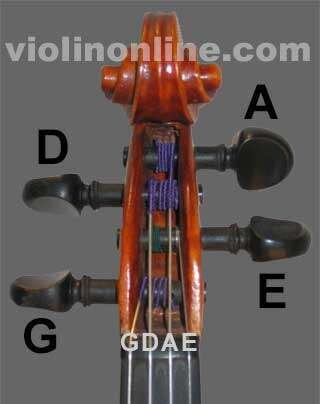
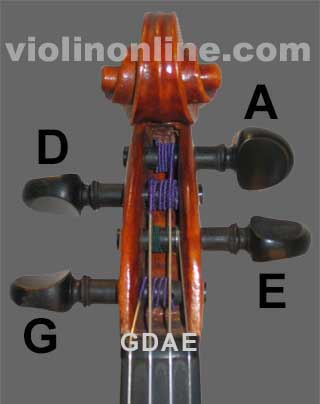
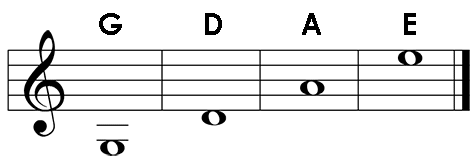
A violin is tuned to G3, D4, A4, and E5, with A4 usually set at 440 Hz.
Knowing what is a violin tuned to helps every player create a clear, steady sound. These four notes are arranged in perfect fifths, which gives the violin its wide range and bright voice. This guide explains the standard violin tuning, the science behind it, common tuning methods, and simple ways to avoid mistakes.
What Is a Violin Tuned To?
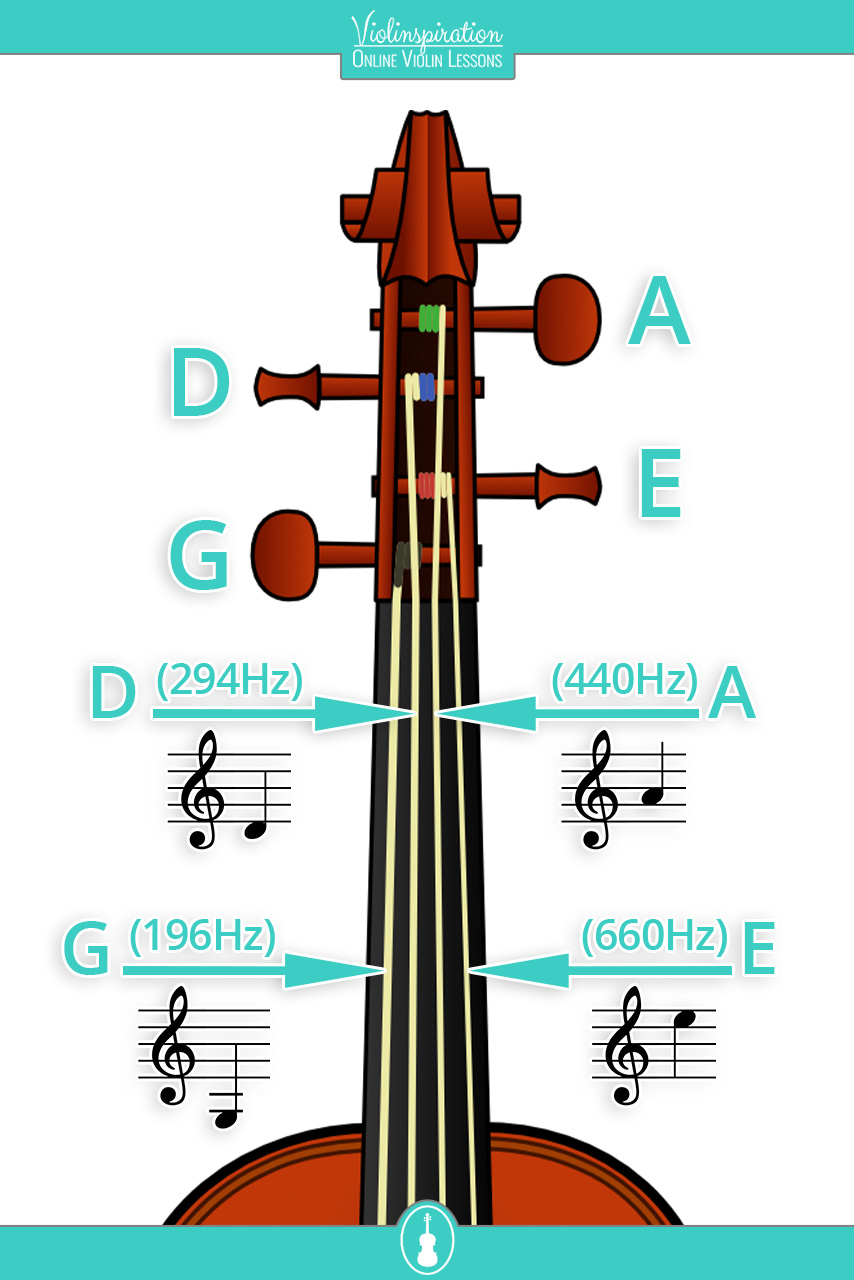
A standard four-string violin is tuned to these open-string notes, from lowest to highest:
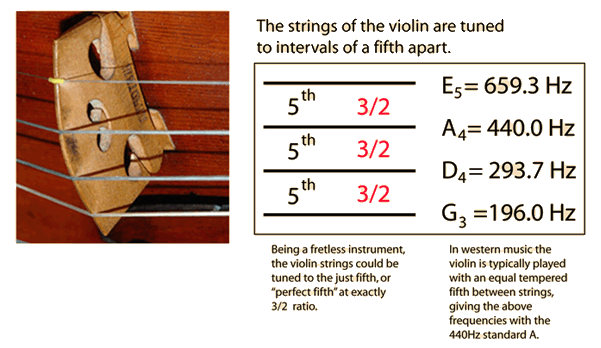
• G3: 196.00 Hz
• D4: 293.66 Hz
• A4: 440.00 Hz
• E5: 659.26 Hz
The lowest string is G, followed by D, A, and E. Each string is a perfect fifth above the string before it. This means the notes are spaced by a musical interval of seven half steps.
So, what is a violin tuned to in simple terms? It is tuned to G, D, A, and E. Most players tune the A string first, using A4 at 440 Hz as the main reference.
The letters show the note names. The numbers show the octave. For example, A4 is the A above middle C on a piano. The number 440 Hz means the string vibrates 440 times each second.

Why Are Violin Strings Tuned in Perfect Fifths?
Perfect fifths give the violin a balanced and powerful layout. The open strings work well together, and their tones blend with a smooth, ringing quality.
A perfect fifth has a frequency ratio of about 3:2. This simple ratio creates strong natural overtones. That is why two violin strings tuned a fifth apart often sound bright and stable when played together.
The tuning order also matches the violin’s design:
• G is the lowest and thickest string.
• D is higher and slightly thinner.
• A is the main tuning reference.
• E is the highest and thinnest string.
This arrangement lets players move across strings with ease. It also supports common scales, chords, double stops, and arpeggios.
When someone asks what is a violin tuned to, the answer is more than four note names. The fifth-based design is a key part of the instrument’s sound and playing style.
What Does 440 Hz Mean?
The term 440 Hz refers to the pitch of the A string. At this pitch, the open A string vibrates 440 times per second.
This setting is called A440, or standard concert pitch. It is widely used by orchestras, schools, studios, bands, and music software. It gives musicians a shared pitch reference.
However, A440 is not the only choice. Some orchestras tune A slightly higher, such as 441, 442, or 443 Hz. A higher reference can create a brighter sound, but it also raises the pitch of every string.
Historical performances may use a lower pitch. Baroque ensembles often tune near A415, which sounds about a half step lower than A440. The correct pitch depends on the music, ensemble, location, and musical period.
Therefore, what is a violin tuned to can change slightly in professional settings. For everyday playing, lessons, and most modern music, A440 is the safest standard.

How to Tune a Violin
A violin can be tuned with an electronic tuner, tuning app, piano, pitch pipe, or another stable instrument. Most beginners should start with a chromatic tuner because it shows whether each note is sharp or flat.
Follow these steps:
- Place the violin in a safe playing position.
- Turn on a chromatic tuner.
- Play the open A string.
- Adjust the fine tuner or peg until the tuner shows A4.
- Tune the D string to D4.
- Tune the G string to G3.
- Tune the E string to E5.
- Play two neighboring strings together and listen for a smooth fifth.
Tune slowly. Turn the peg in small movements, and keep light pressure on the string. Large turns can cause the string to jump too far or break.
A useful habit is to tune upward into the note. If you pass the target, loosen the string below the note first. Then raise it slowly until it reaches the correct pitch. This helps the peg hold its position.
When learning what is a violin tuned to, many players focus only on the tuner screen. The screen matters, but your ears matter too. A well-tuned fifth has a calm, blended sound. A poor fifth may create a rough pulsing effect.
Fine Tuners Versus Tuning Pegs
Fine tuners make small pitch changes. They are often placed on the tailpiece, especially for the E string. Many student violins have fine tuners on all four strings.
Tuning pegs make larger changes. They are useful when a string is far too high or too low. Pegs require more care because small turns can change the pitch quickly.
Use fine tuners when:
• The string is only slightly sharp or flat.
• You need a quick adjustment before playing.
• You are still learning to control the tuning pegs.
Use pegs when:
• A string is more than a little out of tune.
• You have changed a string.
• Seasonal changes have shifted the instrument’s pitch.
One common beginner mistake is forcing a peg. If a peg feels stuck, do not twist harder. A violin teacher or repair professional can check the peg safely. Poor peg movement may come from dry wood, incorrect fitting, or a worn pegbox.
A practical lesson from regular violin setup is that stable tuning begins with healthy strings and a well-fitted bridge. If the bridge leans forward or the strings are old, tuning may feel much harder than it should.
How to Tune by Ear
Tuning by ear takes practice, but it is an important violin skill. Start with a reliable A4 from a tuner or another instrument. Then use the A string to tune the D string.
Play the open A and D together. Adjust the D until the two notes form a clean fifth. Next, tune the G string against D, and tune E against A.
You may hear beats when the notes are close but not exact. These beats sound like a gentle wobble. As the strings approach the correct interval, the wobble slows. When the fifth is well matched, the sound becomes more stable.
Do not expect perfect results right away. Ear training develops through repeated listening. Even five minutes of careful tuning each day can improve pitch awareness.
It is also wise to check each string again after tuning. Changing one string can slightly affect the others because all four strings share the same bridge and instrument body.
Why Does a Violin Go Out of Tune?
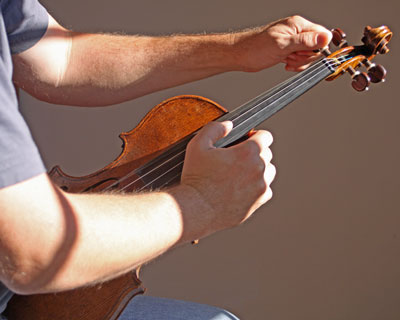
A violin changes pitch for many normal reasons. Wood responds to moisture and temperature, while strings stretch and settle over time.
Common causes include:
• New strings stretching after installation
• Cold or hot weather
• Dry indoor air
• High humidity
• Loose tuning pegs
• A shifting bridge
• Old or worn strings
• Frequent travel
• Hard playing or strong pressure on the strings
A new set of strings may need several tuning sessions before it stays stable. This does not always mean something is wrong.
Temperature changes can also affect tuning quickly. Avoid leaving a violin in a hot car, near a heater, or beside a cold window. Sudden changes may harm the finish, glue, wood, or strings.
If the violin will not stay in tune, check the bridge first. The bridge should stand upright, with its feet flat on the violin’s top. If you are unsure, ask a qualified violin teacher or luthier to inspect it.
Understanding what is a violin tuned to makes these problems easier to spot. You can compare each string with the correct target instead of guessing.

Standard Tuning for Different Violin Types
Most standard violins have four strings tuned to G, D, A, and E. This includes full-size violins and smaller student instruments, although the actual pitch may be lower if the instrument is not designed for standard tension.
A five-string violin usually adds a low C string. Its tuning is commonly:
• C
• G
• D
• A
• E
The exact octave can depend on the instrument’s design. Five-string violins are common in folk, jazz, country, and experimental music.
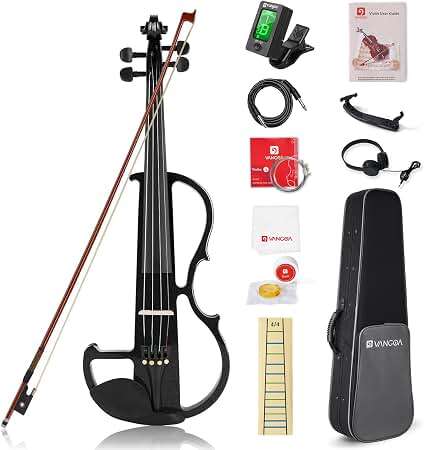
Electric violins generally use the same tuning as acoustic violins. Their pickups and amplifiers change how the sound is produced, but they do not normally change what is a violin tuned to.
Some players use alternate tunings for special music. This practice is called scordatura. A composer may lower or raise one string to create a different chord, resonance, or technical effect. Alternate tuning should be done carefully because unusual tension can affect the instrument.
Common Violin Tuning Mistakes
Small errors can create large problems. A string tuned one octave too high may break or damage the instrument. Always listen to the target note and check the octave shown by the tuner.
Avoid these mistakes:
• Tuning without checking the octave
• Turning pegs too quickly
• Holding the string too tightly while tuning
• Tuning in a noisy room
• Ignoring a bridge that is leaning
• Using an unreliable reference pitch
• Pulling new strings too hard
• Forgetting to retune after a few minutes
Another mistake is tuning only one string and assuming the rest are correct. Each string needs its own check. The instrument may sound close while still having weak or uneven fifths.
When teaching or practicing, I recommend tuning before every session. This creates a strong routine and helps players notice changes in pitch. It takes only a few minutes and improves both ear training and playing confidence.

Does Violin Size Change the Tuning?
A smaller violin is usually tuned to the same note names as a full-size violin. A half-size violin, for example, still uses G, D, A, and E in standard playing.
The difference is string length and body size. Smaller instruments use strings made for their scale length. They should not usually be fitted with full-size strings.
The answer to what is a violin tuned to remains G3, D4, A4, and E5 for standard violin playing. However, the string tension, tone, and feel may vary between instrument sizes.
Young players should use the correct strings for their violin. The wrong strings can make the instrument difficult to play and may create poor tension across the bridge.
A Simple Daily Tuning Routine
A short routine can keep your violin ready to play:
- Check the A string with a tuner.
- Tune the D, G, and E strings.
- Play each neighboring pair together.
- Listen for smooth fifths.
- Check the tuner one more time.
- Wipe rosin dust from the strings and instrument.
Tune in a quiet room when possible. Background noise can make it hard to hear small pitch differences.
Do not rush. A calm, careful tuning routine is better than a fast routine that leaves the violin unstable. Over time, your hands will learn how much to turn each peg.
If you play with a piano, orchestra, or band, tune to the group’s reference pitch. Do not insist on A440 if the ensemble uses A442, for example. Matching the group is more important than following a fixed number.
Frequently Asked Questions About What Is a Violin Tuned To
What are the four strings of a violin tuned to?
The four strings are tuned from low to high to G3, D4, A4, and E5. They are separated by perfect fifths.
Is a violin tuned to 440 Hz?
The A string is commonly tuned to A4 at 440 Hz. Some orchestras use a slightly higher pitch, such as 442 Hz or 443 Hz.
What note do you tune a violin first?
Most players tune the A string first. It provides the main reference for tuning the other strings.
Can a violin be tuned to a different pitch?
Yes. Baroque music may use A415, and some modern music uses alternate tunings. These changes should follow the needs of the music and the instrument.
How often should you tune a violin?
Check the tuning before every practice session or performance. New strings, weather, travel, and playing can make a violin go out of tune quickly.
Why does my violin sound out of tune even when the tuner looks correct?
The tuner may show the right note while the interval between strings is still slightly off. Check the neighboring strings together and listen for smooth, stable fifths.
Is an electric violin tuned differently?
Most electric violins use the same standard tuning as acoustic violins: G, D, A, and E. The electric design changes the sound output, not the basic pitch system.
Conclusion
A standard violin is tuned to G3, D4, A4, and E5, with A4 most often set to 440 Hz. The strings rise in perfect fifths, creating the clear and ringing sound linked with the instrument.
Use a reliable tuner, adjust pegs slowly, and check the fifths by ear. With a few minutes of regular practice, tuning becomes a simple part of playing rather than a source of stress. Tune your violin before your next session, listen closely, and explore trusted lessons or resources to strengthen your ear.

Senior Music Reviewer
Alex Carter is a seasoned music reviewer with over a decade of experience in the world of sound and instruments. Passionate about helping musicians and enthusiasts make informed choices, he brings sharp insights and in-depth knowledge to every review. From classical instruments to modern gear, Alex combines technical expertise with a love for music to deliver content that resonates with readers.
As a Senior Music Reviewer and expert author on Tuneluma.com, Alex is dedicated to sharing honest evaluations, practical advice, and thoughtful commentary to guide readers in their musical journey.