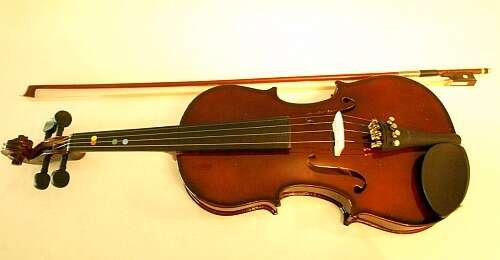
Where To Buy A Cheap Violin: Affordable Buying Guide
The best places to buy a cheap violin are local music shops, trusted online retailers, rental programs, and carefully checked used listings.
Finding where to buy a cheap violin can feel confusing because low prices do not always mean good value. A playable violin should have a solid setup, comfortable strings, and safe construction. This guide explains the best places to shop, fair price ranges, warning signs, and simple checks that help beginners avoid a costly mistake.
Where to Buy a Cheap Violin
The right place depends on your budget, skill level, and need for support. A complete beginner may need a ready-to-play outfit, while an experienced player may save money by buying a used instrument and having it adjusted.
The best options include:
• Local violin shops and music stores
• Reputable online music retailers
• Violin rental programs
• Used instrument dealers
• Online marketplaces
• Pawn shops and thrift stores
• School music programs and community groups
Each option has benefits and limits. A cheap violin from a local shop may cost more at first, but it often includes setup help. An online violin may seem cheaper, yet it could need repairs before you can play it well.
When deciding where to buy a cheap violin, focus on total value rather than the sticker price. A $150 violin that needs $100 of repairs is not a $150 violin.

Best Places to Buy a Cheap Violin
Local music stores
A local music store is often the safest choice for a first violin. You can hold the instrument, test its parts, and ask an experienced staff member for help.
Many stores sell beginner violin outfits. These usually include the violin, bow, case, and rosin. Some shops also provide basic setup, such as fitting the bridge and checking the strings.
Local stores may charge more than unknown online sellers. However, the extra cost can cover useful service and support. Ask whether the store includes a return period, setup, and future adjustments.
Violin and string instrument shops
A shop that specializes in violins may offer better advice than a general music store. Staff members can often spot poor workmanship, weak tone, and setup problems quickly.
These shops may carry student models from known makers. They may also offer trade-in programs, rent-to-own plans, and used violins that have been inspected by a repair professional.
If you are searching for where to buy a cheap violin for a child, a specialist shop is especially helpful. Children often need smaller violin sizes, and the correct fit matters for comfort and technique.
Reputable online music retailers
Online retailers can offer good prices and a wide range of beginner violins. Look for companies with clear product details, customer service, and a reasonable return policy.
Check whether the violin is shipped ready to play. Some low-cost instruments arrive with a loose bridge, poor string height, or an uncut bridge that makes playing difficult.
Before ordering, review:
• The full outfit contents
• The instrument size
• The wood and finish
• The warranty
• The return window
• Shipping and restocking fees
• Customer reviews about sound and setup
Do not rely only on star ratings. Read reviews that discuss tuning, bridge fitting, bow quality, and customer support.
Violin rental programs
Renting may be the smartest way to start. Many students stop playing within the first year, so buying a violin immediately can create unnecessary expense.
Rental programs often provide:
• A correctly sized instrument
• Maintenance or repair service
• Insurance options
• Easy size exchanges
• Rent-to-own credit
A rental is not always the cheapest long-term choice. Still, it reduces risk while you learn whether the violin is right for you or your child.
Used instrument dealers
A used violin can offer excellent value. Older student violins may sound better than new factory instruments at the same price, especially when they have been maintained well.
Buy from a dealer who allows an inspection and provides a return period. Ask about cracks, previous repairs, the instrument’s age, and the brand or maker.
A used violin should not have major open seams, a badly warped neck, or serious damage around the bridge. Small marks are normal. Structural damage is a different matter.
Online marketplaces
Marketplaces can be useful when you know what to inspect. They may include local classified sites, auction platforms, and community selling groups.
The main risk is that many sellers do not understand violin condition. A listing may call an instrument “antique” when it is simply old, damaged, or mass-produced.
If possible, see the violin in person. Meet in a safe public place, take someone with you, and avoid sending money before inspecting the instrument.
Pawn shops and thrift stores
Pawn shops sometimes have good deals, but they are not usually the best place for a complete beginner. Staff may not know whether the violin is correctly set up or structurally sound.
Use this option only if you can take the instrument to a violin teacher or repair shop before the return period ends. A bargain is useful only when the instrument can be made playable at a reasonable cost.

How Much Does a Cheap Violin Cost?
A cheap violin usually costs between $100 and $500 for a new beginner outfit. Prices vary by brand, setup quality, size, location, and included accessories.
Here is a practical guide:
• Under $100: Often poorly made, difficult to tune, and weak in sound
• $100 to $200: Basic beginner outfits with limited quality
• $200 to $500: Better student violins with more reliable construction
• $500 to $1,000: Stronger student and advancing-player instruments
• Used under $300: Potentially good value if inspected and set up
These ranges are general. A $250 violin from a reputable shop may outperform a $500 instrument from an unknown seller.
Remember to budget for extra costs. You may need a better bow, shoulder rest, replacement strings, tuner, music stand, and maintenance.
Common added costs include:
• Setup: $50 to $150 or more
• New strings: $30 to $100
• Bow rehair: Often $70 to $120
• Shoulder rest: $15 to $50
• Soft or hard case: $30 to $200
Prices differ across the United States. Ask for a complete quote before you buy.

What to Look for in a Cheap Violin
A low-cost violin should still be playable. It does not need a rich concert sound, but it should respond well enough for a student to learn proper technique.
Check the body
Look for clean joins and a smooth finish. The top and back should not have large cracks, deep dents, or visible gaps.
Small scratches are not usually serious. Large cracks near the sound post, bridge, or tailpiece can be expensive to repair.
Check the neck and fingerboard
The neck should feel firmly attached. The fingerboard should be smooth and properly shaped.
A fingerboard that is too flat, rough, or poorly fitted can make notes hard to play. Beginners often blame themselves when the real problem is poor setup.
Check the bridge
The bridge should stand upright and align with the instrument. It should not lean sharply toward the fingerboard or tailpiece.
A bridge that is too thick, too tall, or badly cut can affect sound and comfort. Never force a bridge into place if you do not know how to fit one.
Check the pegs
The tuning pegs should turn smoothly but hold their position. If they slip constantly, the violin will be frustrating to tune.
Peg problems can sometimes be fixed. However, severe fitting issues may add to the real cost of a cheap violin.
Check the bow and case
Many beginner outfits include a bow, but the bow may be the weakest part. The stick should be straight, and the hair should not be badly loose or missing.
The case should protect the violin from bumps and temperature changes. A cheap case is acceptable if it closes securely and holds the instrument firmly.

New Versus Used Cheap Violins
A new violin offers a clean history and a clear return policy. It may also come with a warranty. However, some very cheap new violins are made with poor materials and rushed setup.
A used violin can have better wood, better craftsmanship, and a more mature sound. The risk is hidden damage, worn parts, or repair costs.
Choose a new violin when:
• You want a simple return process
• You cannot inspect a used instrument
• You need a warranty
• You are buying for a child who may stop soon
Choose a used violin when:
• You can bring a teacher or repairer
• The seller offers a return period
• The instrument has a known history
• You want better quality for your budget
One mistake I often see is choosing an old violin only because it has a dusty case or a handwritten label. Age does not prove quality. A real expert checks construction, repairs, setup, and sound instead.

How to Avoid Bad Cheap Violins
Some very low-priced violins are difficult to play because they are not properly prepared. This can cause sore fingers, poor tuning, and frustration.
Watch for these warning signs:
• No return policy
• Stock photos instead of real photos
• Claims such as “professional antique” at an extremely low price
• A bridge shown lying flat in the case
• Strings that sit far above the fingerboard
• Cracks or open seams
• Strong chemical smells from the finish
• Reviews that mention slipping pegs or broken parts
• No details about size, materials, or setup
• A seller who refuses questions or inspection
Be careful with labels inside the violin. Many labels show a model name or copied maker name. A label alone does not prove who made the instrument or how much it is worth.
The safest rule is simple: buy the seller before you buy the violin. Good sellers explain the condition, answer questions, and give you a fair way to return the instrument.

Questions to Ask Before Buying
Use these questions when contacting a store or private seller:
- Has the violin been professionally set up?
- Are the bridge and sound post correctly fitted?
- Are there any cracks, open seams, or repairs?
- Do the tuning pegs hold securely?
- Are the strings new or usable?
- Is the bow straight and playable?
- What size is the violin?
- Is there a return period?
- Can a teacher or repairer inspect it?
- What is included in the listed price?
Ask for clear photos of the front, back, sides, scroll, bridge, fingerboard, and pegbox. If the seller avoids simple questions, look elsewhere.
For online purchases, keep written records of the listing and messages. This can help if the item arrives in a different condition than described.
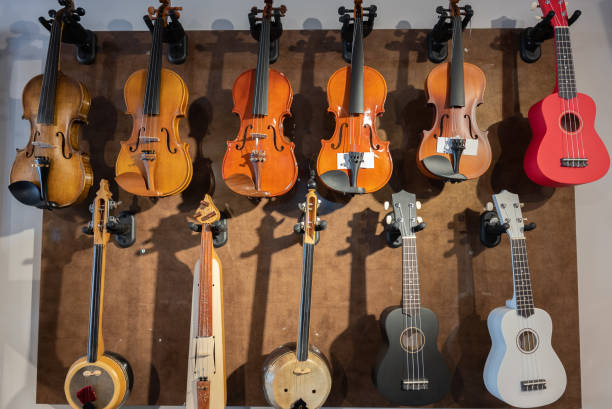
Cheap Violin Sizes for Beginners
A violin must fit the player. Children usually need smaller instruments, while most teens and adults use a full-size 4/4 violin.
Common sizes include:
• 1/16
• 1/10
• 1/8
• 1/4
• 1/2
• 3/4
• 4/4
A teacher or violin shop should measure the player. Buying a violin that is too large can make learning painful and limit good technique.
Do not buy a larger size so the child can “grow into it.” A child should be able to hold the violin comfortably and reach the notes without strain.
For adults, a full-size violin is usually correct. Smaller violins are designed mainly for children, not for adults with small hands.

How to Test a Cheap Violin
If you can test the violin, listen for a clear and even sound. Each string should speak without a long delay or harsh buzzing.
Ask a teacher or experienced player to test it. A beginner may not yet know whether a rough sound comes from the instrument or from normal early technique.
A basic test should include:
• Open strings played slowly
• Notes in first position
• Easy scales
• Tuning stability
• Bow response
• Comfort under the chin
• Ease of pressing the strings
The violin does not need to sound perfect in a noisy store. It should respond easily and stay reasonably stable after tuning.
When buying online, choose a seller with a real return policy. A video can help, but it cannot replace an in-person inspection.

Is Renting Better Than Buying a Cheap Violin?
Renting is often better for young beginners and uncertain players. It lowers the first payment and makes it easier to change sizes.
Buying may be better when:
• The student is committed
• The correct size is known
• The violin has been professionally checked
• The buyer plans to play for several years
Ask whether rental payments can be applied toward a future purchase. This can make a rental program more valuable.
One practical lesson is that the cheapest starting option is not always the lowest-cost option. A poor violin can lead to setup bills, replacement parts, and lost motivation. A reliable rental may protect both your budget and your interest in music.
Maintenance Tips for a Cheap Violin
Even an inexpensive violin needs care. Good maintenance can protect its sound and prevent avoidable repairs.
Follow these simple habits:
• Loosen the bow after every playing session
• Wipe rosin dust from the strings and body
• Store the violin in its case
• Keep it away from heaters, cars, and direct sunlight
• Do not leave food or drinks inside the case
• Replace damaged strings promptly
• Have serious repairs handled by a trained luthier
Wood responds to changes in heat and humidity. Extremely dry conditions may cause cracks, while sudden temperature changes can damage glue joints.
Do not use household cleaners or furniture polish on the violin. These products can damage the varnish and create repair problems.
Frequently Asked Questions About Where to Buy a Cheap Violin
Where is the safest place to buy a cheap violin?
A local violin shop or trusted music retailer is usually the safest choice. These sellers can provide setup, sizing help, service, and a return policy.
Can I buy a good violin for under $100?
You may find a playable used violin under $100, but most new instruments at this price have limited quality. Expect possible setup work, weak accessories, and less reliable tuning.
Is Amazon a good place to buy a cheap violin?
Online marketplaces can be useful, but quality varies widely. Choose a listing with detailed photos, strong reviews, clear setup information, and a simple return policy.
Should I buy a used violin or a new violin?
A used violin may offer better craftsmanship for the money, but it needs careful inspection. A new violin is easier to return and may include a warranty, though very cheap new models can be poorly made.
What should a beginner spend on a violin?
Many beginners should plan for about $200 to $500 for a dependable new student outfit or a carefully checked used instrument. Renting can be more practical if the player is still deciding whether to continue.
Do cheap violins sound good?
Some cheap violins sound clear and pleasant after proper setup. The sound depends on construction, strings, bridge fitting, bow quality, and the player’s technique.
How do I know if a violin is the right size?
A teacher or violin shop can measure the player’s arm and hand reach. Adults usually need a 4/4 violin, while children need a size matched to their height and reach.
Conclusion
The best answer to where to buy a cheap violin is usually a trusted local shop, reliable online retailer, rental program, or inspected used seller. Compare the full cost, not just the listed price, and check the setup, bridge, pegs, neck, strings, bow, and return policy.
A cheap violin should help you learn, not fight you at every step. Take your time, ask clear questions, and have a teacher or repair professional inspect the instrument when possible. Explore local options today, compare a few trusted listings, and choose the violin that gives you the best path to making music.

Senior Music Reviewer
Alex Carter is a seasoned music reviewer with over a decade of experience in the world of sound and instruments. Passionate about helping musicians and enthusiasts make informed choices, he brings sharp insights and in-depth knowledge to every review. From classical instruments to modern gear, Alex combines technical expertise with a love for music to deliver content that resonates with readers.
As a Senior Music Reviewer and expert author on Tuneluma.com, Alex is dedicated to sharing honest evaluations, practical advice, and thoughtful commentary to guide readers in their musical journey.