To buy a professional violin, test several instruments with an expert, compare sound and setup, and choose the best fit.
Learning how to buy a professional violin takes more than choosing an expensive brand or a beautiful old finish. The right instrument should match your playing level, tone goals, body, budget, and long-term plans. This guide explains what skilled players, teachers, and violin shops look for, so you can buy with confidence and avoid costly mistakes.

What Makes a Violin “Professional”?
A professional violin is built for advanced playing, strong projection, tonal color, and reliable response. It should help you express music clearly in a solo recital, chamber group, orchestra, or recording session.


The term “professional” does not always describe a specific price or age. A modern violin made by a respected maker may outperform an old instrument with a famous label. Craftsmanship, setup, condition, and sound matter more than age alone.
A professional violin often has:
• A balanced tone across all four strings
• Fast response under the bow
• Clear high notes without harshness
• Strong projection without forcing
• A wide range of tone colors
• Stable tuning and accurate intonation
• Comfortable playability in every position
• A quality bridge, soundpost, fingerboard, and pegs
Think of the violin as a partner, not just a tool. A fine instrument should respond to your ideas while still leaving room for growth.

Set a Realistic Budget
Budget is one of the most important parts of learning how to buy a professional violin. Prices can range from several thousand dollars for a strong advanced instrument to six figures or more for rare historical violins.
Your budget should include more than the violin itself. Plan for the full cost of ownership.
• Violin
• Bow
• Protective case
• Shoulder rest
• Rosin
• Insurance
• Initial setup
• Future repairs and maintenance
A violin priced at $8,000 may need a new bridge, soundpost adjustment, or peg replacement. Those repairs can change the real cost by hundreds of dollars.
For many advanced players, a well-made modern violin offers excellent value. Historic Italian violins can be remarkable, but their prices may reflect rarity, history, and demand as much as playing quality. Do not assume that a higher price guarantees a better sound for your ears.
A useful budget rule is to choose the best instrument you can afford without creating financial stress. A violin should support your music, not damage your finances.


Know Your Playing Goals
Before you visit a shop, define what you need from the instrument. The best violin for a soloist may not be the best violin for an orchestral player.
Ask yourself:
• Do I need more projection in a large hall?
• Do I want a dark, warm, bright, or powerful tone?
• Do I play mostly classical music, folk music, jazz, or mixed styles?
• Do I perform alone or with other musicians?
• Do I need a quick response for fast passages?
• Do I plan to study with a conservatory teacher?
A chamber musician may prefer a refined and blended sound. A soloist may need more carrying power. An orchestra player may value warmth and control over extreme projection.
Your teacher can help describe your needs in practical terms. Instead of saying, “I want a better violin,” explain what feels limited now. For example, your current violin may sound thin on the G string or resist soft attacks. Those details help a professional find suitable instruments.

Find a Reputable Violin Shop or Maker
Where you shop matters almost as much as what you buy. A trusted violin shop should offer clear pricing, written condition reports, trial periods, and professional setup services.
Look for a dealer who:
• Provides detailed information about the maker and history
• Allows a home or teacher-supervised trial
• Explains repairs and alterations openly
• Offers a written certificate or appraisal when appropriate
• Has a return policy in writing
• Does not pressure you to decide quickly
• Can service the instrument after purchase
A good shop wants you to compare instruments. Pressure is a warning sign. So are vague answers about repairs, unclear ownership history, or claims that sound too good to verify.
You can also contact individual violin makers. A contemporary instrument may come directly from the maker and include strong after-sale support. However, resale value can be less predictable than it is for instruments by established makers.
When learning how to buy a professional violin, trust is part of the process. A reliable seller gives you time, information, and space to listen.
Bring the Right People and Tools
Never make an important violin purchase alone if you can avoid it. Bring your teacher, a trusted professional player, or an experienced violinist who knows your style.


Your own ears can become tired during a long trial. Another player can notice differences in projection, response, and balance that you may miss. Your teacher can also judge whether the instrument supports good technique.
Bring:
• Your own bow
• Familiar sheet music
• Scales and arpeggios
• A slow lyrical passage
• A fast technical passage
• Music with double stops
• A tuner for reference
• A notebook or phone for notes
Use your own bow first, then try the shop’s bow if requested. The interaction between bow and violin can change the sound greatly.
Record short samples only with permission. Label each recording clearly. After several trials, your memory may blend the instruments together. Recordings help you compare, but they cannot replace hearing the violin in person.

Test the Violin in a Careful Order
A structured test makes how to buy a professional violin much easier. Do not play one instrument for an hour and another for five minutes. Use the same process for each violin.
Start with open strings
Play each open string slowly. Listen for:
• Evenness
• Resonance
• Clarity
• Buzzes or rattles
• Sudden changes in volume
• A healthy response under the bow
A good violin should not sound identical on every string. Each string can have a different color, but the set should feel connected.
Play scales and arpeggios
Scales reveal response and balance. Notice whether the violin speaks easily at soft and loud dynamics. Check whether shifting between positions feels smooth.
Arpeggios can expose weak notes and uneven resonance. Listen for wolf tones, especially around the lower positions on the G and D strings.
Test lyrical music
Play a slow melody that you know well. This shows how easily you can shape phrases and control vibrato. A violin may sound impressive in short loud notes but fail to support a gentle line.
Test technical music
Play fast passages, spiccato, sautillé, and string crossings. You want a violin that responds quickly without making every note feel forced.
Ask someone else to play
Stand several feet away while another player performs. This is one of the most useful steps in how to buy a professional violin. A violin that sounds modest under your ear may project beautifully across a room.


Listen for Tone, Projection, and Response
Tone is the character of the sound. Projection is how well that sound carries. Response is how quickly the violin reacts to your bow and fingers.
These qualities are related, but they are not the same. A violin can sound rich under your ear but lack projection in a hall. Another may sound bright nearby but carry with surprising warmth.
Listen for:
• Warmth without dullness
• Brightness without harshness
• Depth on the G and D strings
• Singing quality on the A and E strings
• Clear articulation at soft volume
• Power that does not become strident
• Similar control across different bow speeds
A professional violin should offer contrast. You should be able to create a soft, intimate sound and then build toward a strong musical peak.
There is no universal “best” tone. Some players prefer a dark, complex sound. Others want brilliance and fast response. The right choice depends on your musical voice.
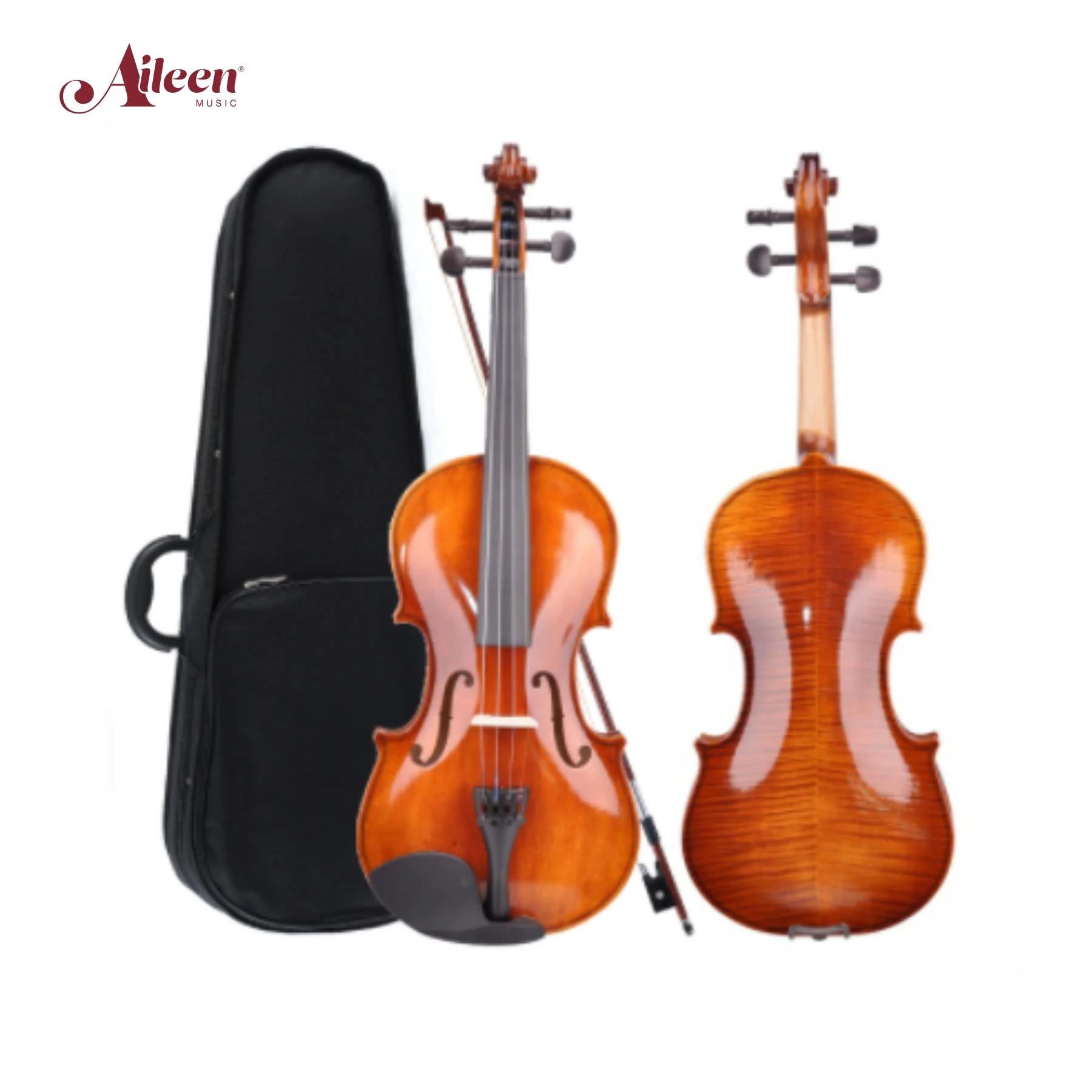
Check the Physical Condition
A violin’s condition can affect sound, safety, and value. Have an expert inspect the instrument before you buy it.
Important areas include:
• Top and back plates
• Ribs and corners
• Neck and neck joint
• Scroll and pegbox
• End button and saddle
• Tailpiece and fine tuners
• Bridge and soundpost
• Fingerboard and nut
• Varnish and previous repairs
Small repaired cracks may be stable and normal in an older violin. Poorly repaired cracks, open seams, soundpost cracks, or neck problems can be much more serious.
Ask for a written condition report. It should explain known repairs, replaced parts, structural concerns, and recommended work.
Do not judge a violin only by its appearance. Attractive varnish can hide problems, while honest wear can appear on a perfectly healthy instrument. A professional inspection protects both your hands and your investment.
Understand Setup and Adjustments
Setup is the process of adjusting the violin so it plays well. Even an excellent instrument can feel disappointing if its setup is poor.


A qualified luthier may adjust:
• Bridge shape and height
• Soundpost position
• String choice
• Peg fit
• Fingerboard scoop
• Nut height
• Tailpiece position
• Endpin and chin rest fit
Setup changes can be powerful. A small soundpost adjustment may improve balance between strings. Different strings may add warmth, brilliance, or response.
However, setup cannot transform every violin. It can refine a good instrument, but it cannot always fix weak construction or serious structural problems. Ask the shop whether the violin has been properly adjusted for your playing style.
Also consider comfort. Neck thickness, string height, instrument weight, and chin rest position can affect tension in your shoulders and hands. Physical comfort is not a minor detail. It supports better technique and longer practice.
Compare Several Instruments Blind
Labels, names, and prices can influence your judgment. Blind testing helps you focus on sound and response.
Ask a teacher or shop worker to play two or three violins behind a screen. Stand in the same place for each test. Write down your impressions before you learn which violin is which.
Rate each instrument for:
• Tone
• Projection
• Response
• Comfort
• Ease of shifting
• String balance
• Soft playing
• Loud playing
• Personal connection
This method often produces surprises. I have seen players prefer a less expensive violin after hearing several instruments without seeing their labels. That lesson is worth remembering: reputation can guide your search, but your ears and hands should make the final decision.
When learning how to buy a professional violin, blind testing is one of the simplest ways to reduce bias.
Take a Trial Period
A trial period is essential. Most players need several days or weeks to understand an unfamiliar violin.
During the trial, play in different spaces:
• A small practice room
• A large living room
• A classroom or studio
• A church or recital hall
• A rehearsal space
Test the violin at different times of day. Your ears may respond differently when you are tired. Ask your teacher and fellow musicians for feedback.


Watch for delayed problems:
• The violin feels tiring after thirty minutes
• The E string whistles too often
• One note feels weak
• The sound becomes sharp under pressure
• The bridge shifts
• Pegs slip
• The violin reacts poorly to humidity changes
A good dealer should explain the trial terms, insurance needs, shipping risks, and return deadline. Get these details in writing before taking the violin home.
Choose Strings and Accessories Carefully
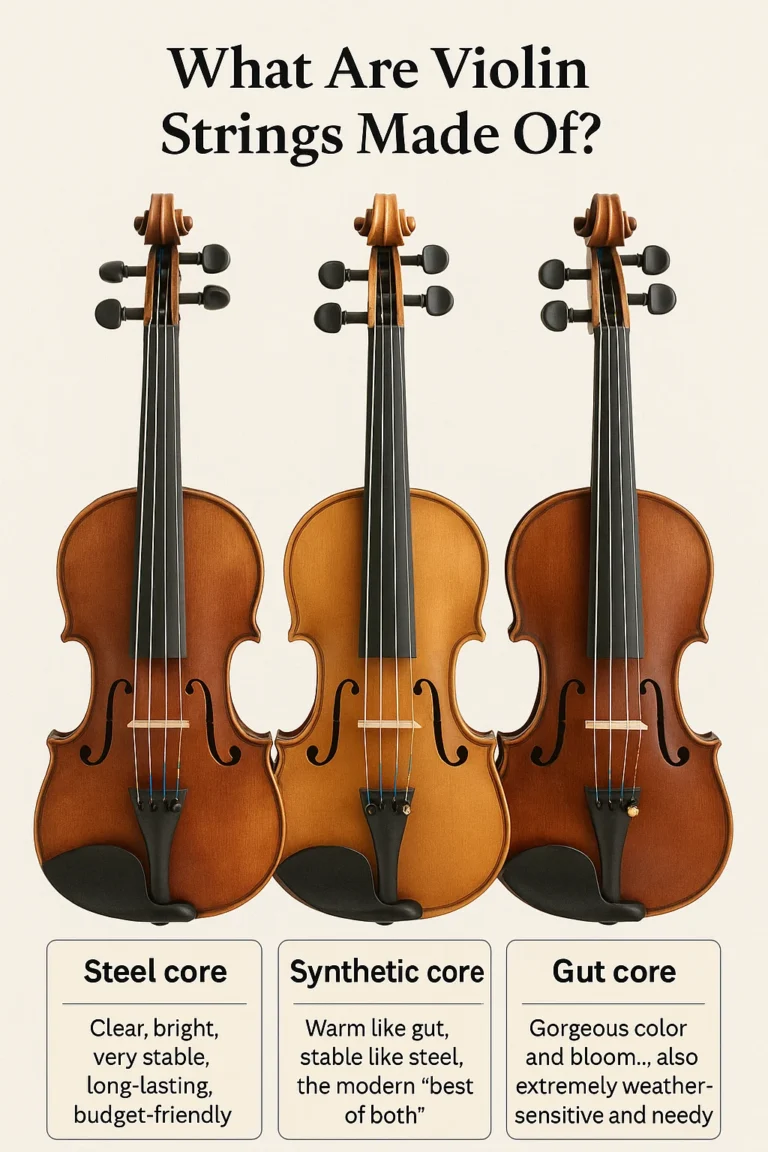
Strings can strongly affect a professional violin. Popular string families differ in tension, response, brightness, warmth, and stability.
Do not change strings immediately unless a luthier recommends it. First learn how the violin behaves with its current setup. Then test alternatives one change at a time.
Your bow also matters. A great violin with a poor bow may feel difficult, while a well-matched bow can unlock its sound. If your budget is limited, do not spend every dollar on the violin and ignore the bow.
Choose a case that protects the instrument from impact, temperature changes, and sudden humidity shifts. In the United States, many players also use a case humidifier in dry climates, but excess moisture can be harmful. Follow the maker’s advice and avoid dramatic humidity changes.
Review Documents, Insurance, and Resale Value
Before purchasing, review all paperwork. The documents should match the instrument and clearly identify its maker, measurements, condition, and history.
Useful documents may include:
• Certificate of authenticity
• Condition report
• Purchase invoice
• Previous ownership records
• Appraisal
• Repair history
• Warranty terms
Certificates are helpful, but they are not automatically proof of value or authenticity. A qualified expert should evaluate important or expensive instruments.
Ask your insurance provider about coverage for theft, accidental damage, travel, and professional use. Home insurance may not fully cover a violin used outside the home.
Resale value matters, but it should not control every decision. A violin that inspires you and improves your playing has real value beyond its future price.
Common Mistakes to Avoid
Many buyers make the same errors because purchasing a violin is emotional. A beautiful instrument can feel like a once-in-a-lifetime opportunity, but patience usually leads to better results.
Avoid these mistakes:
• Buying based only on the label
• Choosing the most expensive violin in the room
• Skipping a teacher’s opinion
• Testing only under your ear
• Ignoring poor setup
• Failing to inspect repairs
• Using an unclear return policy
• Comparing instruments on different days without notes
• Letting a seller create false urgency
• Spending your entire budget before testing bows and accessories
One practical lesson is to slow down after your first emotional reaction. If you love a violin, place it beside two or three alternatives. Strong preferences often become clearer after comparison.
Learning how to buy a professional violin is partly a listening skill and partly a decision-making skill.
A Simple Buying Checklist
Use this checklist before you make a final choice.
- Define your musical goals and budget.
- Ask your teacher or mentor for recommendations.
- Visit a reputable violin shop or maker.
- Test several instruments with your own bow.
- Play scales, lyrical music, and technical passages.
- Listen from a distance while another person plays.
- Compare tone, projection, response, and comfort.
- Inspect the violin with a qualified luthier.
- Take a written trial agreement.
- Test the violin in more than one room.
- Review the certificate, condition report, and warranty.
- Arrange insurance before regular travel.
- Buy only when the violin feels musically and physically right.
A professional violin should make you curious to practice. It should not make you feel that every note is a fight.
How to Buy a Professional Violin: Key Decision Factors
The best decision combines objective checks with personal judgment. Use technical information to remove unsafe choices, then use careful playing to identify the instrument that fits you.
Give the most weight to:
• Sound quality
• Response
• Projection
• Comfort
• Condition
• Setup
• Seller reputation
• Trial and return terms
• Long-term service
• Total cost
Price, age, and visual beauty matter, but they should not outweigh playability and condition. A violin is a deeply personal purchase. Your ideal instrument may not be the same as your teacher’s favorite.
The goal is not to find the most famous violin. The goal is to find the violin that lets your musical ideas come through with less struggle and more control.
Frequently Asked Questions About How to Buy a Professional Violin
How much does a professional violin cost?
A professional violin may cost several thousand dollars, while rare and historically important instruments can cost far more. Modern violins from respected makers often provide strong performance without the extreme price of famous antique instruments.
Should I buy a new or old professional violin?
Neither age category is automatically better. A new violin may offer direct maker support and predictable condition, while an old violin may have a mature sound and established history.
How long should I test a violin before buying it?
A trial of several days to two weeks is useful when possible. Play the instrument in different rooms, ask your teacher for feedback, and confirm the return terms before taking it home.
Do I need a professional appraisal?
An appraisal is wise for an expensive violin, unusual instrument, or insurance claim. It can help confirm value, condition, and documentation, but it should come from an independent qualified expert.
Is a famous violin label proof of authenticity?
No. Labels can be copied, changed, or misunderstood. Authenticity should be supported by expert examination, construction details, provenance, and appropriate documentation.
Should I buy the violin and bow together?
You can, but test them separately as well. A bow that works well with one violin may not match another, so prioritize the best overall pairing within your budget.
Can a luthier improve a poor-sounding violin?
A luthier can often improve setup, response, and balance. However, setup cannot fix every weakness, so do not buy an instrument based only on the hope that future adjustments will transform it.
Conclusion
Buying a professional violin requires patience, careful testing, expert guidance, and honest attention to your own musical needs. Focus on sound, response, projection, comfort, condition, setup, and the reputation of the seller rather than relying on price or a famous label.
Test several instruments, use a trial period, and ask a trusted teacher or luthier to join the decision. The right violin should feel like a natural extension of your musical voice and encourage you to play more.
Take your time, keep clear notes, and explore reputable makers and violin shops before making a commitment. Share your experiences or questions with other players as you continue your search.

Senior Music Reviewer
Alex Carter is a seasoned music reviewer with over a decade of experience in the world of sound and instruments. Passionate about helping musicians and enthusiasts make informed choices, he brings sharp insights and in-depth knowledge to every review. From classical instruments to modern gear, Alex combines technical expertise with a love for music to deliver content that resonates with readers.
As a Senior Music Reviewer and expert author on Tuneluma.com, Alex is dedicated to sharing honest evaluations, practical advice, and thoughtful commentary to guide readers in their musical journey.