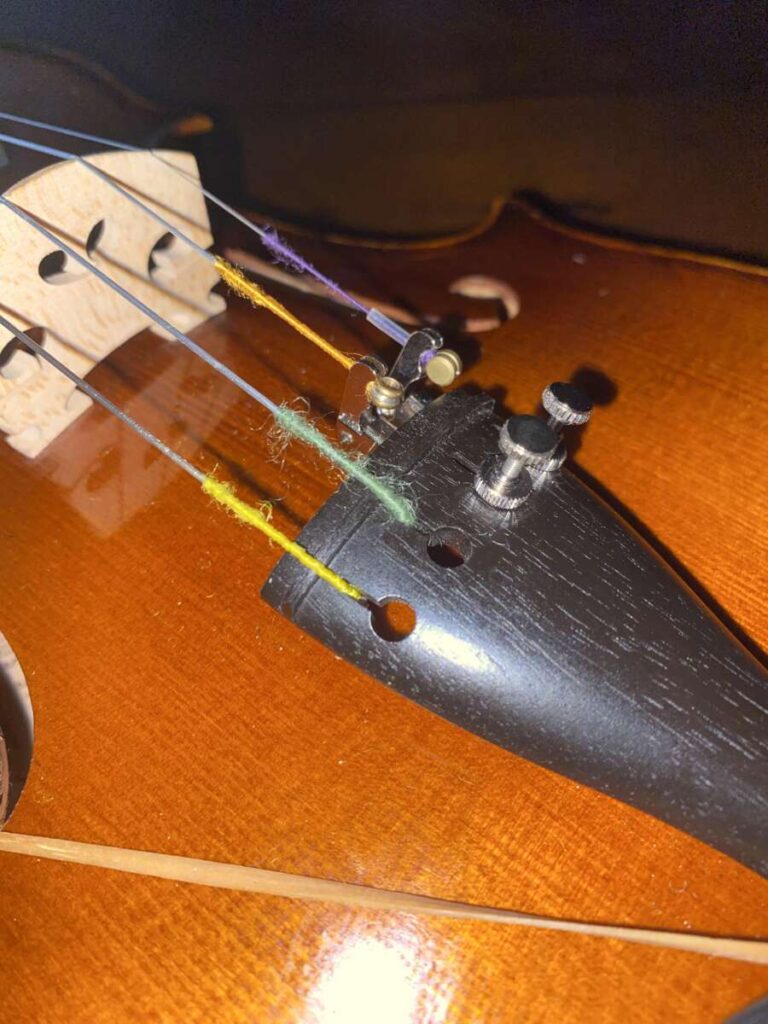
The best violin strings for orchestra balance warm tone, clear projection, quick response, and reliable tuning.
You may know the problem: your violin sounds thin in the section, slips out of tune, or feels hard to control during soft passages. The right strings can fix much of that. They shape tone, bow feel, projection, and tuning stability. I compared the listed options for student players, school orchestras, advancing musicians, and concert use. Some products are string sets, while a few are orchestra method books. I label that clearly so you can choose with confidence and avoid buying the wrong item.
See the differences between my top picks at a glance.
| Product | Best For | Tone / Feel | Size / Type | Key Advantage | Buy |
|---|---|---|---|---|---|
| D’Addario Prelude | Students | Warm, easy response | 4/4, medium | Stable and durable | View on Amazon |
| Yeshone Universal Set | Beginners | Bright steel tone | Multiple sizes | Low-cost spare set | View on Amazon |
| Lykos Two-Pack Set | Value buyers | Bright, firm feel | Multiple sizes | Two full sets | View on Amazon |
| Thomastik Vision Titanium | Orchestra players | Warm, focused | 4/4, medium | Fast bow response | View on Amazon |
| Super Sensitive Steelcore | Beginners and backups | Direct, clear | 4/4 set | Simple steel design | View on Amazon |
| Handcrafted 4/4 Set | Young players | Rich, medium tension | 4/4, five-piece listing | Includes storage pocket | View on Amazon |
| Pirastro Evah Pirazzi | Advanced players | Powerful, rich | 4/4 set | Strong projection | View on Amazon |
| String Basics Book 1 | New orchestra students | Method book | Violin, Book 1 | Step-by-step study | View on Amazon |
| Measures of Success Book 1 | Classroom programs | Method book | Violin, Book 1 | Structured lessons | View on Amazon |
| String Basics Book 2 | Continuing students | Method book | Violin, Book 2 | Builds on Book 1 | View on Amazon |
D’Addario Prelude Violin Strings
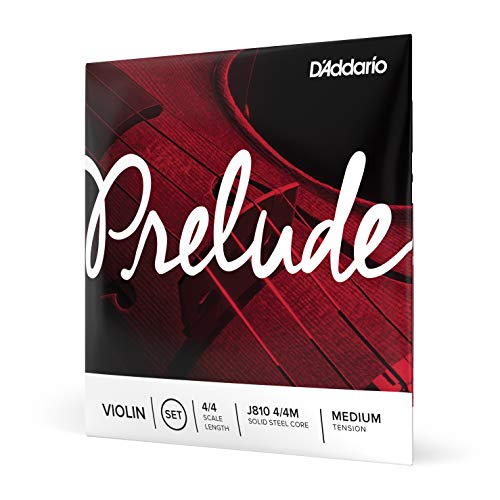
D’Addario Prelude is one of the safest picks for a school orchestra or young violinist. This 4/4 medium-tension set aims for a warm tone and easy bow response. The steel core gives the strings a direct feel that many new players can manage. It also helps the violin speak without needing a very strong bow arm.
I like this set for daily practice because it does not demand a costly setup. It offers a steady starting point for players who still work on pitch and bow control. The tone may not have the depth of a premium synthetic-core set. Still, its balance of price, durability, and stable tuning makes it a strong student choice.
Pros:
- Warm tone for a steel-core student set
- Clear bow response
- Medium tension suits many full-size violins
- Good choice for school orchestra use
- Usually offers strong value for regular practice
Cons:
- Not as complex as premium orchestral strings
- 4/4 size does not fit smaller violins
- Some players may prefer a softer feel
What Amazon Buyers Are Saying
Buyer feedback commonly praises the easy installation, reliable tuning, and useful price. Student families often see them as a practical replacement set. Some users report that the tone feels plain compared with more expensive strings. A few also note that string life depends on sweat, playing time, and care.
My Recommendation
I recommend Prelude for students, school ensembles, and players who need dependable strings without a high price. It is not my first choice for a soloist, but it is one of the most sensible entry points for the best violin strings for orchestra.
Yeshone Universal Violin String Set

The Yeshone set includes eight strings for the G, D, A, and E positions. Its listing presents the set as a universal replacement for several violin sizes, from 4/4 down to 1/4. That broad size claim can help families who own more than one student violin. The metal ball-end design also supports common tailpieces that use ball ends.
This is a budget-minded option rather than a refined concert set. It can work well as an emergency spare or as a first replacement for a beginner instrument. I would check the exact string length and size before fitting it. Smaller violins need strings made for their scale, even when a listing uses the word universal.
Pros:
- Includes extra strings for a backup supply
- Useful for families with student instruments
- Ball-end design suits many standard tailpieces
- Low entry price
- Simple option for basic orchestra practice
Cons:
- Universal sizing needs careful checking
- Sound may lack warmth and nuance
- Long-term consistency may vary by instrument
What Amazon Buyers Are Saying
Customers who like this set often mention the low cost and the convenience of receiving extra strings. It attracts beginners and buyers who want a spare set nearby. Common concerns center on tone, fit, and expectations at this price. Review patterns suggest that players should inspect each string and confirm the violin size before use.
My Recommendation
I would buy Yeshone as a low-cost backup or for a basic student violin. I would not choose it for a demanding concert section. It earns value points, but experienced players may want more reliable tone and response.
Lykos Two-Pack Violin Strings

Lykos offers two full G-D-A-E sets in one package. The listing describes a stainless core and an Almag winding, with use across several violin sizes. That combination gives this product a clear value angle. A second set can stay in the case for a broken string before rehearsal.
The feel should suit players who like a firm, direct string. It may help a bright student violin project in a large classroom. I would still treat the size wording with care and compare it with the instrument label. The set looks most useful for practice, lessons, and backup duty rather than high-level chamber performance.
Pros:
- Two complete sets provide useful backup value
- Direct response can help new players
- Stainless core design aims at durability
- Available for several listed violin sizes
- Good choice for a spare case set
Cons:
- May sound bright on already-bright violins
- Size compatibility still needs checking
- Less proven for professional orchestra work
What Amazon Buyers Are Saying
Buyers tend to focus on the number of strings in the package and the low cost per set. That makes the product appealing to students who break strings during regular practice. Some feedback points to a brighter tone and a firmer feel. As with many budget strings, buyers should allow time for tuning and settling after installation.
My Recommendation
Lykos is worth considering when two affordable sets matter more than premium tonal color. I recommend it for students and backup use. I would move to Prelude or Vision for a serious orchestra audition or concert.
Thomastik Vision Titanium Orchestra

The Thomastik-Infeld Vision Titanium Orchestra set is my top string choice in this guide. It is a 4/4 medium set designed around a warm, balanced tone and focused projection. The fast bow response matters in an orchestra, where players must match attacks and release notes together. Its expressive range also gives a section leader more room for color.
Vision Titanium strings make sense for an advancing player who wants more control than a basic steel set can offer. They can help a violin speak quickly in soft passages without losing presence in louder music. The price sits above student strings, and the payoff depends on the violin itself. A weak setup or poor bridge can limit any premium string set.
Pros:
- Warm, balanced orchestral tone
- Focused projection without excessive edge
- Fast bow response for clean attacks
- Medium tension suits many full-size violins
- Strong choice for rehearsals and concerts
Cons:
- Higher cost than student strings
- Only listed here for full-size violins
- May reveal flaws in a poorly set-up instrument
What Amazon Buyers Are Saying
Amazon buyers commonly value the clear tone, quick response, and professional feel. Players often choose them when they want more focus without an overly harsh sound. Some users find that their violin responds better to another brand or tension. That is normal, since string choice depends on the instrument, bow, player, and room.
My Recommendation
This is my best overall recommendation for the best violin strings for orchestra. I would choose Vision Titanium for an advancing student, section player, or serious amateur who wants warm tone and fast response. It earns the highest rating in this review.
Super Sensitive Steelcore Strings

Super Sensitive Steelcore is a straightforward 4/4 set. Its steel-core construction gives it a direct sound and a familiar feel for many beginning players. The design favors simple use and easy replacement. It can serve as a practical set for lessons, school rehearsals, or a violin kept as a spare.
This product will not provide the wide color range of advanced synthetic-core strings. However, direct sound can help a teacher hear pitch and bow contact. It can also work well on a bright instrument that needs a firm, clear voice. I would inspect the tuning response after fitting and allow the set to settle.
Pros:
- Clear and direct sound
- Simple option for beginner players
- Useful for school orchestra programs
- 4/4 set is easy to identify
- Practical backup for a violin case
Cons:
- Less tonal color than premium sets
- Can feel firm to some players
- May sound sharp on a bright violin
What Amazon Buyers Are Saying
Common buyer feedback highlights the simple design and affordable replacement cost. Many users see the set as useful for students or emergency repairs. Some players describe the tone as plain or bright. That response is expected from a basic steel set and may suit, or fail to suit, the individual violin.
My Recommendation
I recommend Steelcore when you want a basic and affordable 4/4 set. It is a sensible backup, but I would choose Prelude for a warmer student sound and Vision for a more polished orchestra tone.
Handcrafted 4/4 Violin String Set

This listing presents a 4/4 medium-tension replacement set with five pieces, including the standard violin notes shown as E, A, D, and G. It also includes a leather storage pocket, which can help keep spare strings organized. The product targets young students and musicians who want a rich tone at a modest price. The medium tension should feel familiar to many full-size players.
I see this set as a practical experiment for a student violin. The extra piece may offer useful insurance, but I would confirm exactly what the fifth string represents before ordering. Product descriptions can differ, so check the current listing and your tailpiece needs. This is not the set I would choose for a major performance without testing it first.
Pros:
- Medium tension is familiar to many players
- Includes a storage pocket
- Designed for full-size violins
- Useful for young students
- Rich-tone claim may suit a plain student instrument
Cons:
- Five-piece contents need confirmation
- Limited long-term performance data
- Should be tested before a concert
What Amazon Buyers Are Saying
Buyer interest centers on the low price, the storage pocket, and the promise of a richer sound. Feedback can vary because players use different violins and setups. Some buyers value the convenience for student repairs. I would read the latest listing reviews closely for fit and string-life comments before purchase.
My Recommendation
This set is worth trying for a budget student violin or spare case. I would not place it above established orchestra sets until you test its tuning and tone on your instrument.
Pirastro Evah Pirazzi Violin Strings

Pirastro Evah Pirazzi is a premium 4/4 set for players who need power, color, and a broad playing range. It can bring a large sound to a violin that responds well to synthetic-core strings. In an orchestra, that extra presence can help a player stay heard without forcing the bow. It also gives advanced musicians more options for expressive phrasing.
These strings cost more than student sets, so the instrument and player must justify the upgrade. A bright violin may become too intense, while a dark violin may gain useful energy. I would ask a teacher or luthier to help with the choice when possible. Give the strings time to settle before judging their final sound.
Pros:
- Strong projection for large ensembles
- Rich tone with broad color potential
- Good fit for advanced orchestral players
- Responsive for expressive playing
- Established premium string option
Cons:
- Higher purchase price
- May overpower a bright violin
- Needs careful setup and player matching
What Amazon Buyers Are Saying
Experienced buyers often praise the rich sound, power, and expressive range. Many use them for performance rather than casual practice. Common caution points include price and the fact that they do not suit every violin. Buyers also recognize that string life changes with playing time, hand moisture, rosin, and cleaning habits.
My Recommendation
Evah Pirazzi is an excellent choice for advanced players and strong instruments. It is worth the cost when you need projection and color. For most students, Prelude or Vision offers a better balance of price and control.
String Basics Book 1 for Violin

This is a violin method book, not a violin string set. It belongs in this list because new orchestra players often need both suitable strings and a clear practice path. String Basics: Steps to Success for String Orchestra, Book 1, presents early skills in a step-by-step format. It can support lessons, home practice, and group instruction.
The book cannot change your violin tone, but it can improve the habits that let good strings work well. New players learn better when they build rhythm, posture, bow use, and note reading in order. I would pair it with a teacher or orchestra class. Check the edition required by the program before buying.
Pros:
- Designed for early orchestra study
- Step-by-step format supports new players
- Useful for home practice
- Can support classroom teaching
- Pairs well with student strings
Cons:
- It is not a string set
- May not match every teacher’s method
- Beginners may still need live guidance
What Amazon Buyers Are Saying
Feedback for beginner method books often focuses on clear lessons and usefulness in school programs. Buyers may appreciate having a planned sequence instead of random exercises. Some families need a different edition or teacher-approved book. Confirm the title and level before ordering.
My Recommendation
Buy this book if your orchestra teacher uses it or if you need a structured beginner course. It does not compete with strings, but it can make a student’s practice more useful.
Measures of Success Violin Book 1

Measures of Success for String Orchestra: Violin Book 1 is another learning resource rather than a string set. It targets the first stage of orchestra study. A structured book can help students learn notes, rhythm, ensemble skills, and practice routines. Those skills matter when a player wants to use the best violin strings for orchestra well.
I see this as a useful classroom companion when the director selects it for the program. It may also help parents understand what a beginner should practice each week. It will not replace a teacher, listening work, or correct instrument setup. Always match the book to the orchestra’s required series.
Pros:
- Made for beginning string orchestra study
- Supports a planned learning sequence
- Useful for class and home practice
- Helps connect individual work to ensemble skills
- Good resource for new violin families
Cons:
- Not a violin string product
- May not fit a different school curriculum
- Needs teacher direction for best results
What Amazon Buyers Are Saying
Buyers generally look for clear progression and classroom usefulness in this type of book. Families may like having one resource for home review. The main complaint with method books is often a mismatch with the teacher’s chosen series. Check the ISBN and edition before purchase.
My Recommendation
This is a good buy when your instructor requests it. It is not an alternative to violin strings, but it can help a new orchestra player build the skills needed for steady progress.
String Basics Book 2 for Violin

String Basics Book 2 continues the String Basics path for violin students. It is a method book, so it does not contain strings or alter instrument tone. Its role is to guide a player beyond the first stage of orchestra learning. It can help students organize practice as music becomes more demanding.
I would buy Book 2 only after checking the teacher’s plan and the student’s current level. A book that is too easy wastes time, while one that is too hard can create poor habits. Pair it with regular tuning, careful bow work, and a string set that matches the instrument. Good materials work best when the player uses them often.
Pros:
- Builds on an earlier beginner method
- Supports continued orchestra study
- Gives practice a clear direction
- Useful for lessons and school programs
- Can help students work with less confusion
Cons:
- Not a violin string set
- Requires Book 1 or similar skills
- Teacher guidance may still be needed
What Amazon Buyers Are Saying
Buyers who need a follow-up method often value the familiar format and steady progression. Some users may find that their school uses another sequence. Level and edition checks matter here. I recommend reading the current product details and asking the teacher before ordering.
My Recommendation
Book 2 is a sensible follow-up for students already working through the same series. It supports orchestra progress, but it should not be confused with the best violin strings for orchestra.
How to Choose Best Violin Strings for Orchestra
Choosing the best violin strings for orchestra starts with your violin, playing level, and ensemble needs. A string that sounds warm on one instrument may sound dull on another. Use these practical checks before you order.
1. Match the String Size and End Type
Start with the violin size. A full-size 4/4 violin needs 4/4 strings. A child’s instrument needs a shorter set made for its scale. Do not rely only on the word “universal.” Check whether the strings have ball ends or loop ends. The tailpiece must accept the correct end style.
2. Choose Tone and Tension for Your Orchestra Part
Warm strings can blend well in a section. Focused strings can help a player speak through a large room. Medium tension gives many players a useful balance of comfort and projection. Steel-core sets often feel direct and stable. Synthetic-core sets can offer more color, but they may cost more and need more time to settle.
3. Compare Setup, Life, and Total Value
Premium strings cannot fix a loose bridge, poor peg fit, or an incorrect soundpost. Ask a teacher or luthier to check the violin if tuning stays unstable. Wipe rosin from the strings after playing. Store spare strings in a dry case. Compare the cost per month, not only the checkout price. A reliable set that lasts through a concert cycle may offer better value than a cheap set that needs early replacement.
Final Verdict: Which Should You Buy?
For most serious orchestra players, I recommend Thomastik-Infeld Vision Titanium. It offers the best blend of warm tone, focus, response, and control. Choose Prelude for students and Evah Pirazzi for advanced players who need more power.
The best violin strings for orchestra must match your instrument and skill. Confirm size, test the set before a concert, and keep a spare ready for rehearsal day.
FAQs Of best violin strings for orchestra
What are the best violin strings for orchestra beginners?
D’Addario Prelude is a strong beginner choice because it offers warm tone, easy response, and useful value. Confirm the violin size before ordering.
Are synthetic-core strings better for orchestra?
Not always. Synthetic-core strings can offer rich color, while steel-core strings often give direct response and stable tuning. The best choice depends on your violin and playing style.
What violin string size should orchestra players buy?
Buy strings that match the violin scale. Full-size instruments use 4/4 strings. Smaller violins need 3/4, 1/2, 1/4, or another matching size.
How long do orchestra violin strings last?
String life varies with playing time, sweat, rosin, and care. Replace strings when they sound dull, feel rough, lose tuning stability, or show visible wear.
Can expensive violin strings improve a cheap violin?
They may improve response and tone, but they cannot replace a good setup. Have the bridge, pegs, tailpiece, and soundpost checked when problems continue.

Senior Music Reviewer
Alex Carter is a seasoned music reviewer with over a decade of experience in the world of sound and instruments. Passionate about helping musicians and enthusiasts make informed choices, he brings sharp insights and in-depth knowledge to every review. From classical instruments to modern gear, Alex combines technical expertise with a love for music to deliver content that resonates with readers.
As a Senior Music Reviewer and expert author on Tuneluma.com, Alex is dedicated to sharing honest evaluations, practical advice, and thoughtful commentary to guide readers in their musical journey.