A Flat 7 Chord Guitar: Easy Shapes And Tips
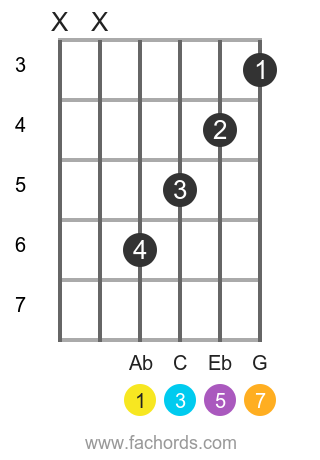
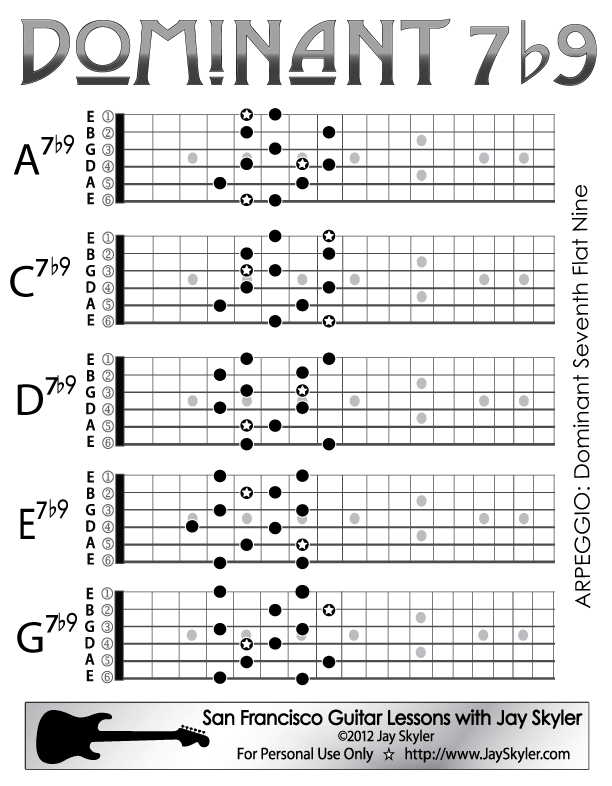
The A♭7 guitar chord uses four notes—A♭, C, E♭, and G♭—to create a bold dominant sound.
The a flat 7 chord guitar players use is also written as A♭7 or Ab dominant seventh. It adds tension, color, and movement to blues, jazz, soul, gospel, and many pop songs. This guide explains the chord’s notes, useful guitar shapes, easier alternatives, common mistakes, and practical ways to use it in real music.
What Is the A Flat 7 Chord on Guitar?
The a flat 7 chord guitar shape represents an A♭ dominant seventh chord. Its notes are:
• A♭, the root
• C, the major third
• E♭, the perfect fifth
• G♭, the minor seventh
The “7” in A♭7 means the chord includes a minor seventh above the root. This is different from A♭maj7, which contains G natural instead of G♭.
The a flat 7 chord guitar sound is tense but warm. It often feels as if it wants to move to another chord. In music theory, A♭7 most strongly resolves to D♭ major, because A♭ is the dominant, or fifth, chord in the key of D♭ major.
You may also see the chord written as:
• A♭7
• Ab7
• A flat dominant seventh
• A♭ dominant 7
These names describe the same chord. The spelling A♭7 is the clearest in standard music notation, while Ab7 is common in chord charts.

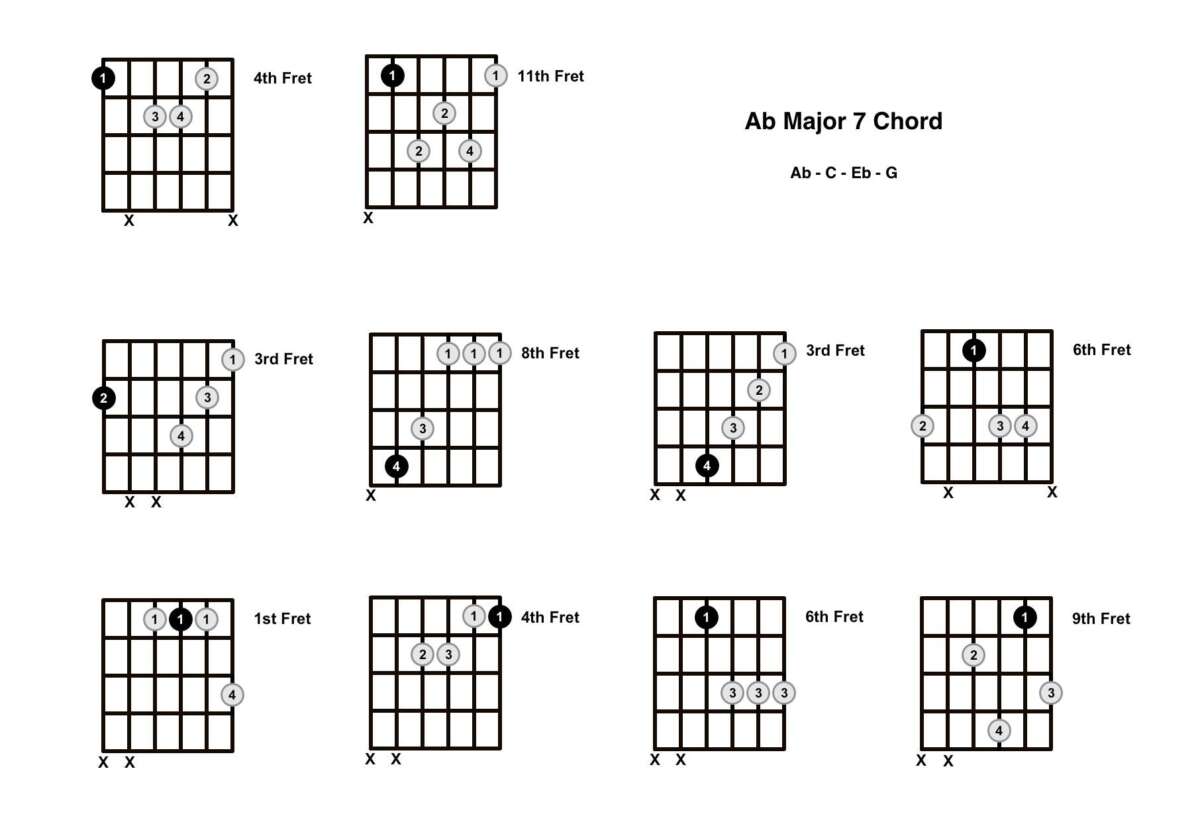
How to Play the A Flat 7 Chord Guitar Shape
There are several ways to play the a flat 7 chord guitar chord. The best shape depends on your skill level, the position of the song, and the sound you want.
Movable E-Shape A♭7 Barre Chord
This is one of the most useful full shapes. It comes from the open E7 chord form and moves up the neck.
A common version is:
e|--4--  A♭
B|--4--  E♭
G|--5--  C
D|--4--  G♭
A|--6--  A♭
E|--x--
Play from the fifth string down. Avoid the low sixth string unless you want a different bass note.
Place your index finger across the fourth fret. Your ring finger reaches the sixth fret of the A string, while another finger covers the fifth fret of the G string. This shape may feel tight at first, so press only as hard as needed.
Movable A-Shape A♭7 Chord
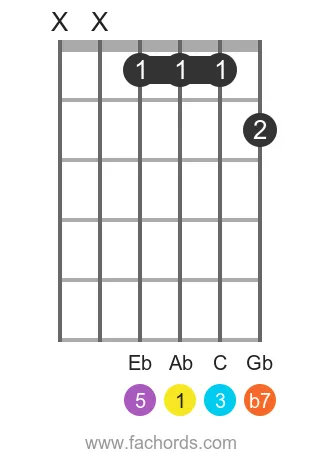
You can also use an A7-style shape based on the fifth-string root. One practical voicing is:
e|--4--  A♭
B|--4--  E♭
G|--5--  C
D|--4--  G♭
A|--x--
E|--x--
This compact voicing is useful when you want a lighter sound. It works well in rhythm guitar parts because it does not fill too much space.
Easy Four-String A♭7 Voicing
Beginners can start with the top four strings:
e|--4--
B|--4--
G|--5--
D|--4--
A|--x--
E|--x--
This is still a complete A♭7 chord because it contains the root, third, fifth, and seventh. It is easier to fret than a full barre chord and sounds clean in blues or jazz progressions.
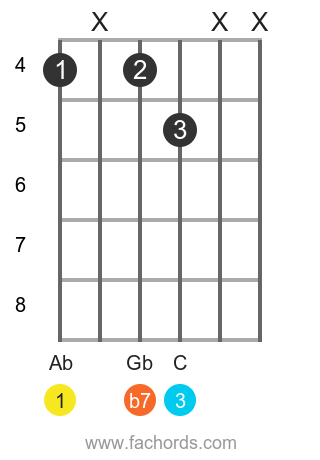
Three-Note A♭7 Shell Voicing
A shell voicing removes the fifth and keeps the notes that define the chord:
e|--x--
B|--4--  E♭ or voice-dependent tone
G|--5--  C
D|--4--  G♭
A|--x--
E|--x--
Shell voicings are common in jazz because the third and seventh show the chord’s quality clearly. They also leave room for a bass player, singer, or second guitar.
A Flat 7 Chord Guitar Theory Made simple
a dominant seventh chord follows a basic formula:
- Root
- Major third
- Perfect fifth
- Minor seventh
For A♭7, the formula creates:
• A♭ as the root
• C as the major third
• E♭ as the perfect fifth
• G♭ as the minor seventh
The major third gives the chord its bright quality. The minor seventh adds tension. Together, these notes create the classic dominant seventh sound.
The chord’s strongest movement comes from two notes:
• C tends to move up to D♭
• G♭ tends to move down to F
This smooth motion is called voice leading. It explains why A♭7 resolves so naturally to D♭ major.
A useful comparison is A♭maj7. That chord contains A♭, C, E♭, and G. The single-note difference between G♭ and G natural changes the mood. A♭7 sounds active and unresolved, while A♭maj7 sounds smooth and settled.
 simple”
style=”max-width: 100%; height: auto; border: 2px solid black; border-radius: 10px; display: block; margin: 0 auto;”
loading=”lazy”
/>
Where to Use the A Flat 7 Chord Guitar Chord
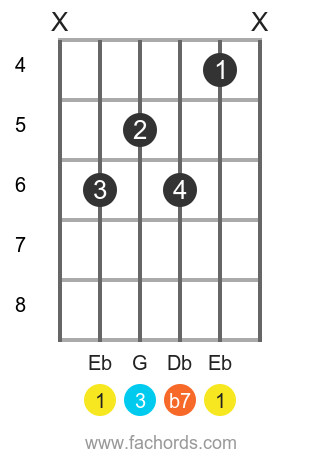
The a flat 7 chord guitar players use most often appears in dominant chord progressions. The most important example is:
A♭7 | D♭maj7
This is a V7 to I progression in D♭ major. The A♭7 creates tension, and D♭maj7 provides release.
You can also use A♭7 in these settings:
• Blues progressions in D♭
• Jazz turnarounds
• Gospel chord movements
• Soul and R&B rhythm parts
• Funk grooves with short chord hits
• Country or western swing passages
• Songs that briefly tonicize D♭ major
In a blues setting, try this progression:
D♭7 | G♭7 | D♭7 | D♭7
G♭7 | G♭7 | D♭7 | D♭7
A♭7 | G♭7 | D♭7 | A♭7
Here, A♭7 acts as the dominant chord that pushes the progression back toward D♭7. This use is different from the classical V7 to I movement, but the tension still works in a powerful way.
The a flat 7 chord guitar sound can also work as a passing chord. For example, you might move through A♭7 before reaching D♭, even if the song is not fully in D♭ major. Use your ear and listen for smooth bass movement.
How to Practice the A Flat 7 Chord Guitar Chord
Good chord practice is more than memorizing a diagram. You need to make the chord clean, hear its function, and use it in time.
Try this simple routine:
- Form the four-string A♭7 shape.
- Pick each string one at a time.
- Fix any muted or buzzing notes.
- Strum the chord four times.
- Move to D♭ major.
- Repeat the change slowly.
Start at 50 to 60 beats per minute. Increase the speed only when both chords sound clear.
Next, practice the chord in several rhythms:
• Four even downstrokes
• Down, down-up, down-up
• A short muted funk pattern
• A slow blues shuffle
• One chord hit on beat two and beat four
A common mistake is to squeeze the neck too hard. This makes your hand tired and can pull notes sharp. Relax your thumb, keep your wrist fairly straight, and use the smallest pressure that gives you a clear sound.
I have found that players often rush the move from A♭7 to D♭. Slow practice helps you hear the pull of the chord. Think of A♭7 as a question and D♭ as the answer.
Common Mistakes With the A Flat 7 Chord Guitar Shape
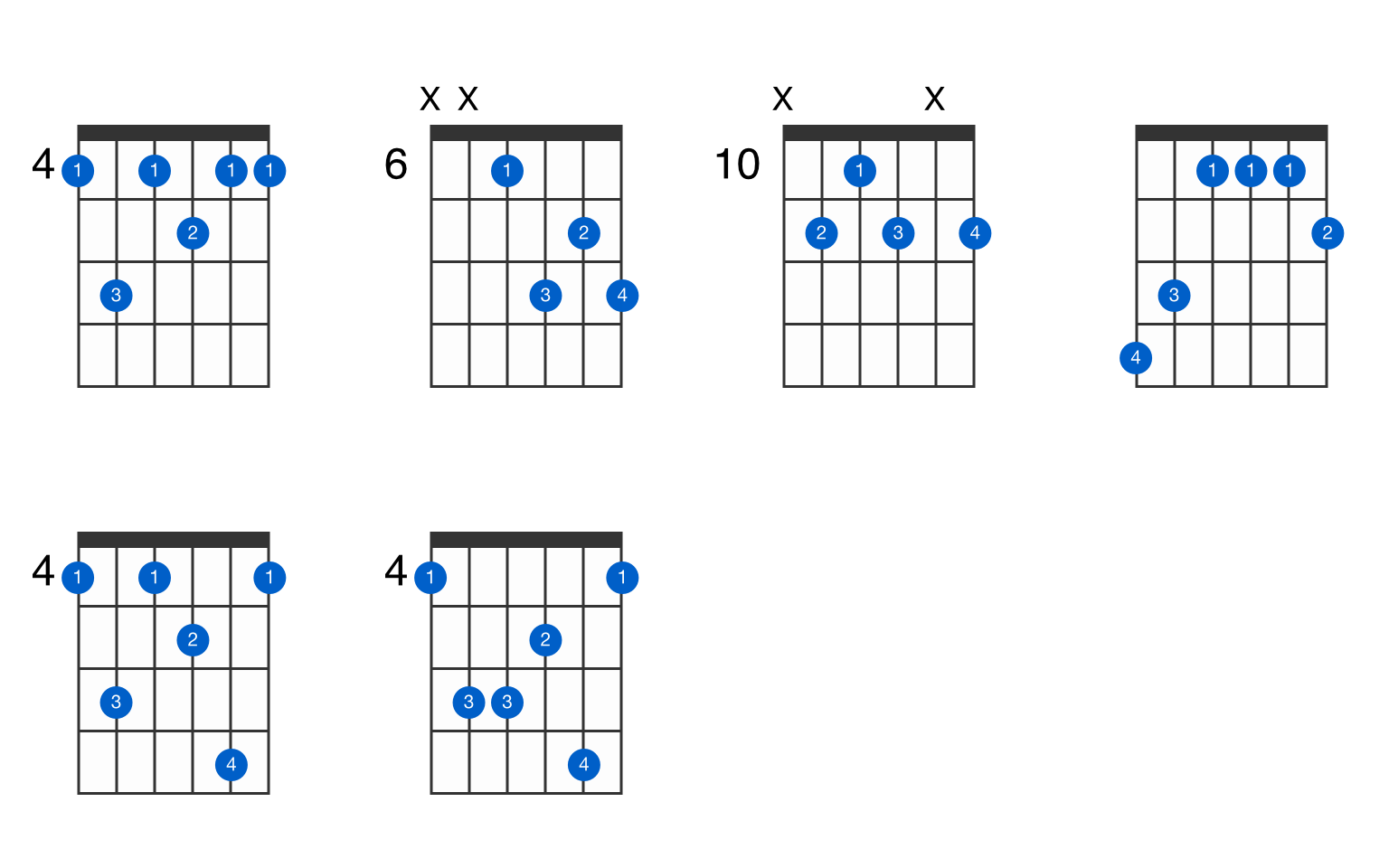
The a flat 7 chord guitar shape can feel difficult because it often uses a barre. Most problems come from hand position, excess pressure, or playing strings that should remain silent.
Muting the High Strings
If you use a barre, your index finger may accidentally mute the high E or B string. Check each note one at a time before strumming the full chord.
Playing the Low E String
Many A♭7 shapes do not use the low sixth string. If you play it by mistake, the chord may sound muddy or lose its clear root position. Use your picking hand to skip that string.
Confusing A♭7 With A♭maj7
A♭7 contains G♭. A♭maj7 contains G natural. These chords have different functions, so check the chord symbol before choosing a shape.
Using Only One Voicing
One shape is useful, but it can limit your playing. Learn a full barre chord, a compact four-string shape, and a shell voicing. This gives you options across the fretboard.
Ignoring Chord Context
A chord diagram cannot tell you everything. A♭7 may sound right in one progression and wrong in another. Always listen to the bass line and the melody.

A Flat 7 Chord Guitar Alternatives and Substitutions
If the full a flat 7 chord guitar shape feels hard, use a simpler voicing. You do not always need all four notes.
A partial chord can include:
• A♭ and G♭ for a strong root and seventh sound
• A♭ and C for a clear major quality
• C and G♭ for a shell voicing without the root
• A♭, C, and G♭ for a root, third, and seventh shape
A bass player can provide the root while you play only C and G♭. This approach is common in jazz and ensemble playing.
You can also use A♭9 when the song allows it. An A♭9 chord adds B♭ to A♭7 and creates a fuller blues or funk sound. Do not replace A♭7 automatically, though. The added ninth changes the color and may clash with the melody.
Another option is A♭13. This chord adds F and often omits the fifth. It has a rich jazz and gospel sound, but it needs more space and careful fingering.
Substitutions should serve the song. If the melody has B♭, A♭9 may sound natural. If the melody has G♭, a plain A♭7 may be the better choice.
A Flat 7 Chord Guitar in Different Music Styles
The same chord can feel very different across musical styles.
Blues
Blues players often use dominant seventh chords as major chords. A♭7 can sound tough, earthy, and expressive, especially with a shuffle rhythm.
Jazz
Jazz guitarists often use shell voicings, drop-two shapes, and extensions. A♭7 may appear as part of a ii–V–I progression:
E♭m7 | A♭7 | D♭maj7
This progression is one of the most important patterns in jazz. Practice it in several keys to understand how dominant chords work.
Funk
Funk guitar usually favors short, clean chord stabs. Use a compact A♭7 shape and mute the strings between hits. The goal is often rhythm and space, not long sustain.
Gospel and Soul
Gospel music may use A♭7 as a passing chord or as part of a rich extended harmony. Try adding A♭9 or A♭13 when the melody and bass support those notes.
Rock and Pop
A♭7 may appear when a song borrows a chord or shifts briefly into another key. In these styles, a simple four-string voicing may fit better than a large jazz chord.
A Practical Lesson From Using This Chord
One lesson I return to often is that clean chord changes matter more than complex shapes. A player may know five A♭7 voicings but still sound unsure if the chord arrives late or contains buzzing notes.
Start with one reliable shape. Play it in a short progression, record yourself, and listen back. This reveals problems that are easy to miss while your hands are busy.
Another useful lesson is to learn the root notes on the fifth and sixth strings. Once you know where A♭ sits, movable dominant seventh shapes become much easier to find. You stop memorizing isolated diagrams and start seeing a connected fretboard.
Do not chase speed too soon. A slow, musical A♭7 to D♭ change is more useful than a fast shape that sounds unclear.
Frequently Asked Questions About the A Flat 7 Chord Guitar
What notes are in the A♭7 guitar chord?
The notes are A♭, C, E♭, and G♭. They form the root, major third, perfect fifth, and minor seventh.
How is A♭7 different from A♭maj7?
A♭7 contains G♭, while A♭maj7 contains G natural. A♭7 sounds tense and wants to move, while A♭maj7 usually sounds smoother and more settled.
What chord does A♭7 resolve to?
A♭7 most naturally resolves to D♭ major or D♭maj7. This is a dominant-to-tonic movement in the key of D♭ major.
Is A♭7 hard for beginner guitar players?
The full barre shape can be challenging, but a four-string version is much easier. Practice each string slowly and use light finger pressure.
Can I use an A♭9 chord instead of A♭7?
You can use A♭9 when the melody and progression allow the added B♭. It creates a fuller blues, funk, or jazz sound, but it is not always a direct replacement.
Where should I place my thumb for an A♭7 barre chord?
Keep your thumb near the middle of the neck, behind your index and middle fingers. A relaxed thumb helps the barre sound clean without unnecessary hand strain.
Conclusion
The a flat 7 chord guitar players learn is a powerful dominant seventh chord built from A♭, C, E♭, and G♭. Its main role is to create tension, often leading to D♭ major. With a full barre shape, a compact voicing, and a simple shell chord, you can use it in blues, jazz, funk, gospel, soul, rock, and pop.
Start with the easy four-string shape. Practice clean notes, slow chord changes, and the A♭7 to D♭ movement. Then explore A♭9, A♭13, and other voicings as your ear develops. Pick up your guitar today, record a short progression, and share your favorite A♭7 shape or progression in the comments.

Senior Music Reviewer
Alex Carter is a seasoned music reviewer with over a decade of experience in the world of sound and instruments. Passionate about helping musicians and enthusiasts make informed choices, he brings sharp insights and in-depth knowledge to every review. From classical instruments to modern gear, Alex combines technical expertise with a love for music to deliver content that resonates with readers.
As a Senior Music Reviewer and expert author on Tuneluma.com, Alex is dedicated to sharing honest evaluations, practical advice, and thoughtful commentary to guide readers in their musical journey.